Side-by-Side Cognitive Profile
The Cosmic Pet Pet IQ Lab employs five key dimensions to evaluate canine intelligence, offering a nuanced understanding beyond simple rankings. Let's delve into how the Belgian Malinois and the Greater Swiss Mountain Dog measure up across these crucial cognitive traits, revealing their inherent strengths and learning styles.
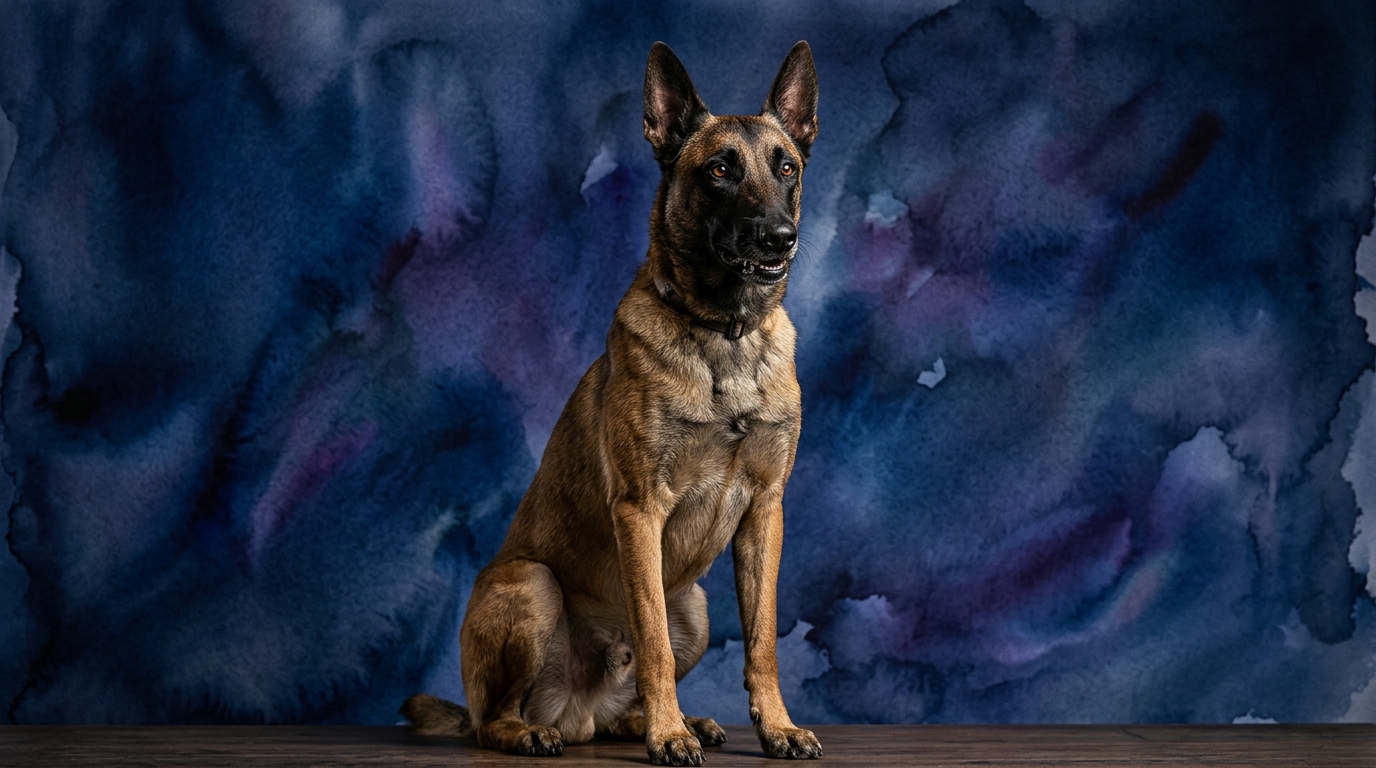
The Belgian Malinois, a breed often seen in demanding working roles, consistently demonstrates a profound aptitude for learning and problem-solving. Their cognitive architecture is built for speed and precision, making them exceptionally responsive and adaptable.
Problem Solving (5/5): This breed exhibits exceptional cognitive agility, quickly assessing intricate situations and devising innovative solutions. Their capacity for strategic thinking makes them adept at complex tasks, from navigating intricate agility courses to solving scent puzzles in detection work. They don't just follow commands; they anticipate and adapt.
Training Speed (5/5): The Malinois absorbs new information with remarkable alacrity, often grasping concepts and commands in just a few repetitions. This rapid assimilation stems from an intense desire to engage and a natural aptitude for understanding and executing instructions. They thrive on challenging, consistent training that leverages their quick wit.
Social Intelligence (4/5): While highly attuned to their primary handler's cues and emotions, the Malinois's intense focus can sometimes mean they process social nuances with strangers or other dogs differently. They understand social hierarchies and expectations within their established “pack,” but require extensive, early socialization to ensure balanced, appropriate interactions outside of their core circle.
Instinctive Drive (5/5): A powerful inherent drive for work underpins much of the Malinois's cognitive prowess. Whether it's prey drive, herding instinct, or a relentless desire for a job, this deep-seated motivation fuels their problem-solving and training speed, making them incredibly persistent in achieving goals.
Memory (5/5): Malinois possess an outstanding memory, capable of retaining vast repertoires of commands, complex sequences of behaviors, and intricate routines over extended periods. This superior recall allows them to perform reliably in specialized roles requiring detailed knowledge and precise execution.
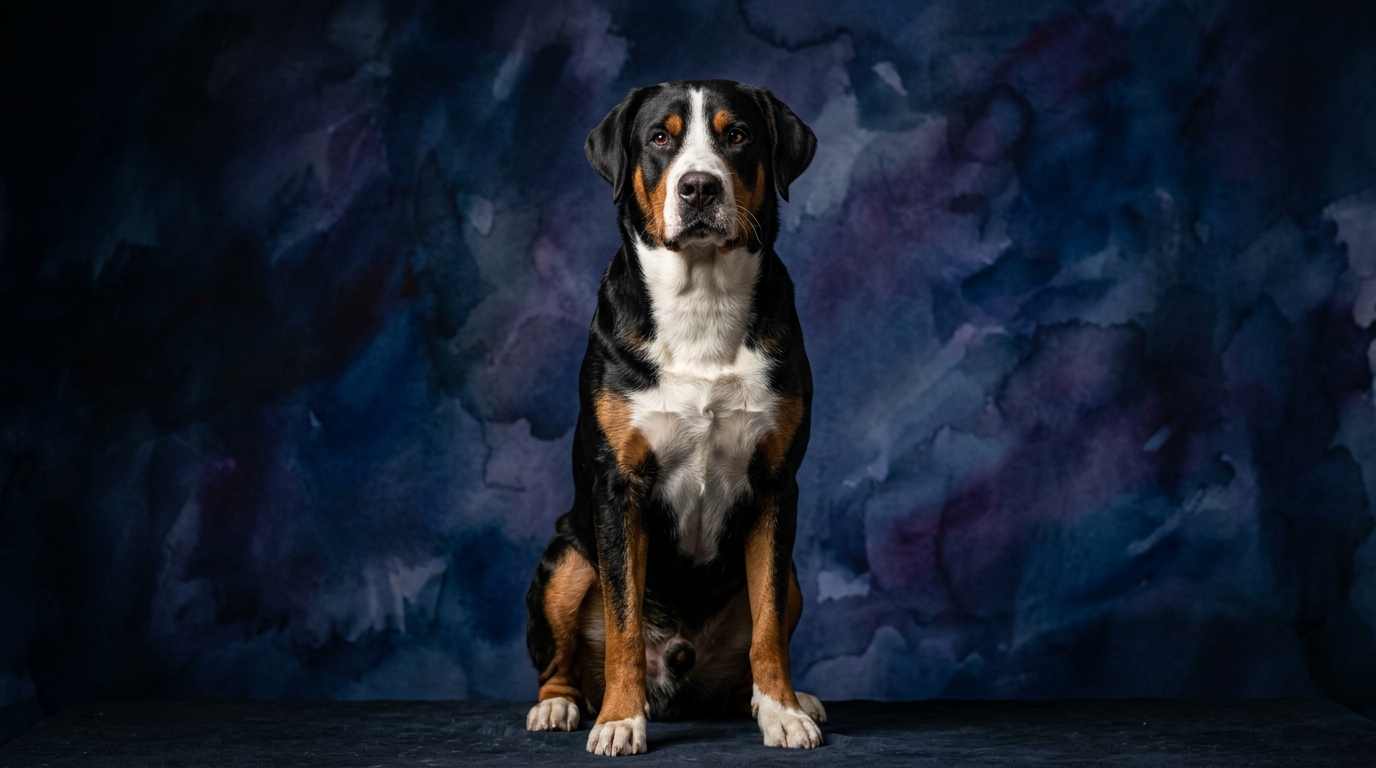
In contrast, the Greater Swiss Mountain Dog, a robust working breed with a history of draft work, displays a more deliberate and steady cognitive style. Their intelligence is characterized by reliability and a calm demeanor, making them dependable companions and workers.
Problem Solving (3/5): The Greater Swiss Mountain Dog approaches problems with a practical, deliberate mindset. They are capable of finding solutions, particularly those related to their historical roles like drafting or guarding, often relying on learned patterns rather than spontaneous innovation. Their strength lies in methodical application rather than rapid-fire strategic shifts.
Training Speed (3/5): Swissys learn new commands and routines at a moderate pace, typically requiring more repetitions and consistent reinforcement than a Malinois. They are willing partners in training, but their learning curve is more gradual, valuing clear, patient instruction over high-speed drills. Consistency and positive motivation are paramount.
Social Intelligence (3/5): Generally good-natured and devoted to their family, the Greater Swiss Mountain Dog's social intelligence manifests as a calm, stable presence. They understand the dynamics within their household but can be reserved or discerning with strangers. Their social processing favors established relationships and predictable interactions, requiring careful, early socialization to build confidence in novel social settings.
Instinctive Drive (3/5): Their drives are rooted in a history of draft work, guarding, and companionship. This translates to a desire for purpose-driven tasks involving strength and endurance, a protective instinct, and a strong bond with their family. It's a steady, robust drive, less about high-velocity pursuit and more about reliable, foundational work.
Memory (3/5): Greater Swiss Mountain Dogs retain learned behaviors and established routines reliably over time, especially when reinforced through consistent practice. They excel at remembering practical tasks and established patterns, though they may not recall highly complex, multi-step sequences with the same effortless precision as a Malinois.
Where Belgian Malinois Wins Cognitively
The Belgian Malinois demonstrably excels in scenarios demanding rapid cognitive processing and dynamic adaptation. Their problem-solving abilities (5/5) allow them to quickly analyze complex, evolving situations, such as those encountered in protection sports or search and rescue, where environmental variables constantly shift. This breed doesn't just react; it anticipates and strategizes, often devising novel solutions to obstacles that would stump less cognitively agile dogs. Their superior training speed (5/5) means they can acquire vast repertoires of commands and intricate routines with minimal repetitions, making them exceptionally efficient learners for specialized roles. Furthermore, their memory (5/5) ensures that these complex learned behaviors are retained with remarkable fidelity, enabling consistent, high-precision performance over long durations. This combination of swift learning, strategic thinking, and robust recall makes them unparalleled in tasks requiring intricate, rapid-fire decision-making and execution.
Where Greater Swiss Mountain Dog Wins Cognitively
While the Greater Swiss Mountain Dog might not match the Malinois's speed, their cognitive strengths lie in different, equally valuable domains. Their problem-solving (3/5) and instinctive drive (3/5) manifest as a robust capacity for sustained, purposeful work, particularly tasks requiring physical endurance and a steady temperament, like carting or therapeutic visits. They excel at applying learned patterns reliably and methodically, rather than improvising. Their social intelligence (3/5), while not as quick-twitch as the Malinois, often translates into a more stable and predictable demeanor once comfortable, fostering consistent and calm interactions within their established social circles. This breed exhibits a cognitive resilience that allows them to remain composed under pressure, less prone to the overstimulation that can sometimes affect highly driven breeds. They are less about lightning-fast innovation and more about dependable, consistent application of their understanding in practical, real-world contexts.
Which Is Easier to Train and Why
Determining 'easier to train' depends heavily on the owner's experience and goals. For an experienced handler seeking to achieve high levels of obedience, specialized skills, or competitive success, the Belgian Malinois is cognitively 'easier' in terms of speed of acquisition and depth of complexity. Their 5/5 training speed and problem-solving mean they grasp new concepts with astonishing rapidity, often requiring only a few repetitions. They possess an inherent drive to work and please, making them eager participants in rigorous training. However, this cognitive intensity comes with a behavioral caveat: their profound need for mental and physical engagement means they are not easy to manage for the average owner. Without consistent, challenging work, their boundless energy and cognitive capacity can quickly lead to destructive behaviors, anxiety, or hyper-vigilance, creating significant management challenges. They demand an owner who can consistently direct their formidable drives. The Greater Swiss Mountain Dog, with a training speed of 3/5, requires more patience and repetition. They are willing learners but lack the Malinois's explosive drive for constant mental stimulation. Their behavioral differences include a more independent streak and a tendency to consider commands before executing, which can be perceived as stubbornness. For an owner seeking a reliable, companionable dog who learns at a moderate pace and isn't constantly seeking a 'job,' the Swissy might be considered 'easier' to integrate into a less demanding lifestyle, provided training is consistent and positive. They are generally less prone to creating their own 'work' through destructive outlets if their needs aren't met, though their size and strength necessitate early, firm guidance.
Which Suits Active Owners vs. Relaxed Owners
The cognitive profiles of these two breeds clearly delineate their ideal living environments. The Belgian Malinois is unequivocally suited for highly active owners who thrive on constant engagement and possess significant experience with demanding working breeds. Owners who participate in dog sports like agility, obedience, protection work, or detection will find a Malinois an unparalleled partner, capable of matching their ambition and energy. This breed requires several hours of structured mental and physical work daily to channel their immense instinctive drive (5/5) and problem-solving prowess (5/5). They need an owner who can consistently provide challenging tasks and direct their formidable cognitive horsepower. Conversely, the Greater Swiss Mountain Dog is a better fit for relaxed owners who appreciate a steady, calm presence and enjoy regular, moderate exercise. While they still require consistent walks and mental stimulation, their lower instinctive drive (3/5) and more deliberate training speed (3/5) mean they are less prone to hyperactivity or intense behavioral demands. They will enjoy purposeful activities like carting or hiking but are equally content with a comfortable home life, provided their basic needs for exercise and companionship are met. They offer loyalty and a robust, affectionate presence without the relentless cognitive demands of a Malinois.
The Verdict
Choose the Belgian Malinois if you are an experienced, active owner seeking an unparalleled working partner for specialized tasks, competitive dog sports, or protection, prepared to dedicate significant time to rigorous training and intensive mental stimulation.
Opt for the Greater Swiss Mountain Dog if you desire a robust, loyal, and generally calm companion who excels in steady, purposeful work, values a comfortable home life, and can provide consistent, patient training and moderate activity.
🧠 Find Your Pet's IQ Score
Our Pet IQ Lab assessment covers 25+ tests across 5 cognitive dimensions — personalized to your breed.
Take the Full IQ Test →Frequently Asked Questions
Can a first-time dog owner manage a Belgian Malinois?
Generally, no. The Belgian Malinois's extreme drive, problem-solving ability, and need for constant mental engagement require an owner with substantial experience in dog training and behavior. Their intensity can overwhelm novices, leading to behavioral challenges if not properly channeled.
Do Greater Swiss Mountain Dogs require a lot of exercise?
Greater Swiss Mountain Dogs require regular, moderate exercise to stay healthy and happy, but not the intense, high-octane activity of a Malinois. Daily walks, some playtime, and opportunities for purposeful work like carting are usually sufficient to meet their needs.
How do their social needs differ?
The Malinois is highly handler-focused but requires extensive socialization to interact appropriately with others due to their intense nature, while the Swissy is generally good-natured but can be reserved with strangers, valuing established relationships. Both benefit from early, positive social experiences to develop well-adjusted temperaments.