
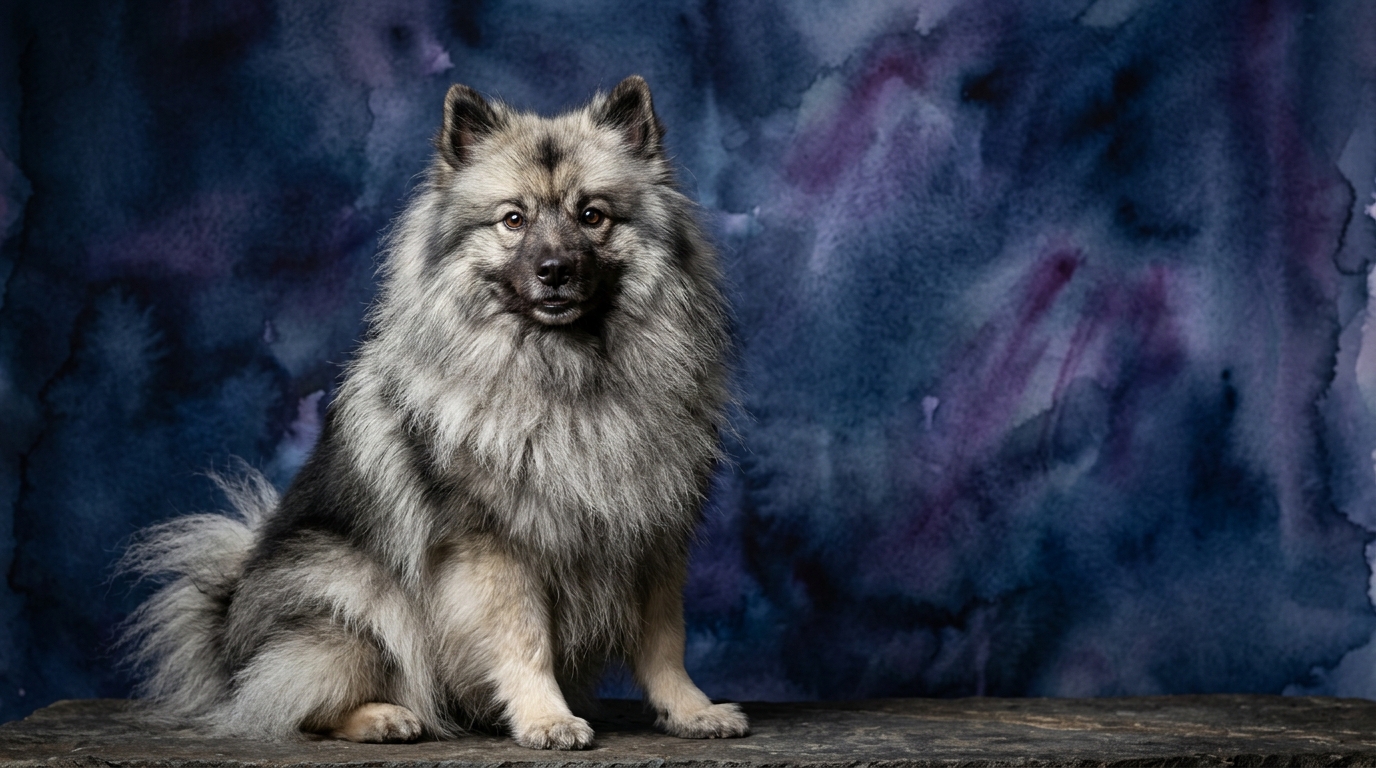
Side-by-Side Cognitive Profiles
At The Cosmic Pet Pet IQ Lab, we evaluate canine intelligence across five critical dimensions to provide a nuanced understanding of each breed's mental capabilities. For the Belgian Malinois, a Herding breed, their profile is marked by an intense, task-oriented mind. Their Problem Solving is rated 5/5, indicating an exceptional capacity for strategic thought and independent resolution of complex challenges. Training Speed also scores 5/5, reflecting their rapid acquisition of new commands and behaviors, often requiring minimal repetitions. Social Intelligence, at 4/5, shows they are highly attuned to their handler's cues and intentions, though their focus remains primarily on the task at hand. An Instinctive Drive of 5/5 highlights their profound internal motivation for specific behaviors like herding, protection, or retrieval, a central pillar of their working ethic. Finally, their Memory is a perfect 5/5, allowing them to retain vast amounts of information, from complex command sequences to environmental details, over extended periods.
The Keeshond, classified within the Non-Sporting group, presents a different, yet equally compelling, cognitive blueprint. Their Problem Solving ability is rated 4/5, demonstrating a clever and adaptable mind capable of figuring out puzzles and navigating situations, though perhaps with less intensity or systematic approach than a Malinois. Training Speed also stands at 4/5, signifying a quick learner who picks up new concepts efficiently, making them generally amenable to instruction. Social Intelligence is rated 3/5; while affectionate and keen to engage with their human family, their social interactions may be less intensely focused on receiving complex instructions for tasks and more on companionship. Their Instinctive Drive, at 3/5, is moderate, meaning they possess natural inclinations for certain behaviors but without the overwhelming intensity seen in high-drive working breeds. Crucially, their Memory matches the Malinois at 5/5, indicating an excellent ability to recall routines, learned behaviors, and social interactions with remarkable accuracy and duration.
Where the Belgian Malinois Excels Cognitively
The Belgian Malinois’s cognitive strengths are deeply rooted in their heritage as a high-performance working dog, distinguishing them significantly from the Keeshond. Their perfect 5/5 score in Problem Solving means they don't just follow instructions; they actively analyze situations, devise strategies, and adapt their approach to overcome obstacles. This makes them exceptional candidates for complex tasks such as search and rescue, detection work, or advanced obedience, where independent thought and persistent effort are paramount. For instance, a Malinois can be trained to navigate a multi-stage obstacle course, remember the sequence, and adjust if an element changes, demonstrating a level of cognitive flexibility and executive function that few breeds possess.
Similarly, their 5/5 Training Speed is a testament to their neural efficiency, allowing them to master new skills with startling rapidity. This isn't merely about rote memorization; it's about making strong, lasting cognitive connections between a cue, a behavior, and a consequence almost instantly. This rapid learning curve is invaluable in environments where precision and speed of acquisition are critical, such as police or military K9 units. The Malinois’s 5/5 Instinctive Drive further amplifies these capabilities. This isn't just energy; it's a profound internal motivation to engage in specific, often demanding, behaviors. Whether it's the drive to chase, protect, or retrieve, this intrinsic desire fuels their cognitive engagement and persistence, enabling them to sustain focus and effort on tasks that might quickly bore or overwhelm breeds with lower drive. This combination of superior problem-solving, lightning-fast learning, and intense inherent motivation defines the Malinois's unique cognitive dominance in the realm of dedicated work.
Where the Keeshond Excels Cognitively
While the Keeshond may not match the Malinois's intensity in pure working metrics, their cognitive profile presents distinct advantages, particularly in the context of companionship and adaptability within a family environment. Their 4/5 Problem Solving and 4/5 Training Speed, coupled with a perfect 5/5 Memory, means they are highly capable learners who can quickly understand household rules, routines, and family dynamics. This cognitive blend allows them to integrate seamlessly into a variety of living situations, adapting to new schedules or environments with less stress than a dog whose cognitive architecture is constantly demanding intense, structured work. For example, a Keeshond can easily learn complex household routines, anticipating meal times or walk schedules, and remembering where specific toys are stored, demonstrating a practical and reliable form of intelligence.
The Keeshond's 3/5 Instinctive Drive, while lower than a Malinois, is a significant cognitive 'win' for many owners. It means their cognitive energy is not overwhelmingly channeled into intense, singular pursuits like prey drive or protection. Instead, their drives are more balanced and adaptable, making them less prone to developing obsessive behaviors or requiring constant, high-stakes mental challenges to remain content. Their moderate drive allows for mental stimulation through playful interaction, puzzle toys, and learning new tricks, without the risk of under-stimulation leading to destructive or anxious behaviors that can arise from a high-drive dog whose cognitive needs aren't met. This lower intensity fosters a more relaxed cognitive state, enabling them to be attentive and engaged without the demanding focus of a working breed, making their cognitive make-up ideally suited for a harmonious companion role where adaptability and emotional balance are prized.
Training Ease: Malinois vs. Keeshond
When considering ease of training, the distinction between these two breeds is profound, largely due to their differing cognitive drives and social intelligence. The Belgian Malinois, with its 5/5 Training Speed and 5/5 Instinctive Drive, learns commands at an astonishing pace. They are eager to work and possess an innate drive to please their handler, making them highly responsive to consistent, precise instruction. However, this very intensity can make them challenging for novice owners. Their high problem-solving ability means they will quickly identify inconsistencies in training or handler weaknesses, and their powerful instinctive drives require expert channeling to prevent unwanted behaviors. Training a Malinois is less about teaching basic commands and more about mastering advanced concepts, managing immense drive, and engaging their sophisticated problem-solving mind consistently, which demands a highly skilled and dedicated trainer.
The Keeshond, with a 4/5 Training Speed and 3/5 Instinctive Drive, offers a different training experience. They are quick to learn and generally eager to cooperate, especially when positive reinforcement and engaging methods are used. Their moderate drive means they are less likely to become over-stimulated or hyper-focused on a single task, making them more pliable for general obedience and household manners. While they might not achieve the same level of precision or speed in complex tasks as a Malinois, their cognitive make-up makes them more forgiving of an average owner's learning curve. Their 3/5 Social Intelligence suggests they enjoy interaction but might not be as acutely sensitive to every subtle cue as a Malinois, requiring clearer communication. For an owner seeking a well-mannered companion without the need for specialized working tasks, the Keeshond's cognitive approach to training is generally less demanding and more accessible.
Matching Canine Minds to Lifestyles
The cognitive profiles of the Belgian Malinois and Keeshond inherently suit vastly different owner lifestyles. An active owner, defined by a commitment to daily structured mental and physical engagement, is essential for a Belgian Malinois. Their 5/5 Problem Solving and Instinctive Drive mean they thrive on having a 'job' – whether it's advanced obedience, agility, protection sports, or scent work. An owner who can provide consistent, challenging training sessions, extensive exercise, and opportunities for their dog to employ its sophisticated cognitive abilities will find the Malinois an unparalleled partner. Without sufficient mental and physical outlets, their powerful cognitive engine can quickly lead to boredom, frustration, and the development of destructive or anxious behaviors.
Conversely, the Keeshond's cognitive makeup makes them far more adaptable to owners with a relaxed, yet still engaged, lifestyle. Their 4/5 Problem Solving and Training Speed, combined with a moderate 3/5 Instinctive Drive, means they enjoy regular walks, playtime, and learning new tricks, but do not possess the same relentless demand for intense, structured work. A Keeshond is content with being a cherished family member, participating in daily activities, and enjoying mental stimulation through puzzle toys or short training sessions. They are an excellent choice for individuals or families who desire an affectionate companion that is responsive and clever, but whose cognitive needs don't necessitate a professional-level commitment to dog sports or working tasks. Their high memory also ensures they remember routines and family members well, fostering strong bonds in a companion role.
The Verdict
Choose a Belgian Malinois if you are an experienced, highly active owner seeking a dedicated working partner for advanced training, sports, or protection, capable of meeting their profound cognitive and physical demands.
Opt for a Keeshond if you desire a clever, adaptable, and affectionate companion for a family-oriented lifestyle, where moderate activity and engaging companionship are prioritized over intense working drive.
🧠 Find Your Pet's IQ Score
Our Pet IQ Lab assessment covers 25+ tests across 5 cognitive dimensions — personalized to your breed.
Take the Full IQ Test →Frequently Asked Questions
Can a Keeshond excel in dog sports despite its moderate instinctive drive?
Yes, Keeshonds can certainly excel in many dog sports like agility, obedience, and rally. Their 4/5 training speed and 5/5 memory allow them to learn complex sequences and commands effectively, often motivated by positive reinforcement and their desire to engage with their owner. While they may not have the relentless intensity of a Malinois, their enthusiasm and intelligence make them competitive and enjoyable partners in various canine activities.
Is the Belgian Malinois's 4/5 social intelligence score a concern for family life?
The Malinois's 4/5 social intelligence indicates a strong focus on their primary handler and task, rather than general social gregariousness. While they can be affectionate with their family, their intensity and need for structure mean they require careful socialization and management, especially around children and strangers. Their cognitive focus is geared towards work, so owners must actively integrate them into family life with clear boundaries and consistent training to ensure harmonious co-existence.
How does the shared 5/5 memory score impact daily life for both breeds?
The shared 5/5 memory score means both breeds possess an exceptional ability to retain information, which is a significant asset in daily life. For a Malinois, this translates to remembering intricate command sequences and complex problem-solving strategies over time. For a Keeshond, it means reliably recalling household routines, learned behaviors, and social interactions, making them predictable and well-adjusted companions within their family unit, adapting quickly to established patterns and expectations.