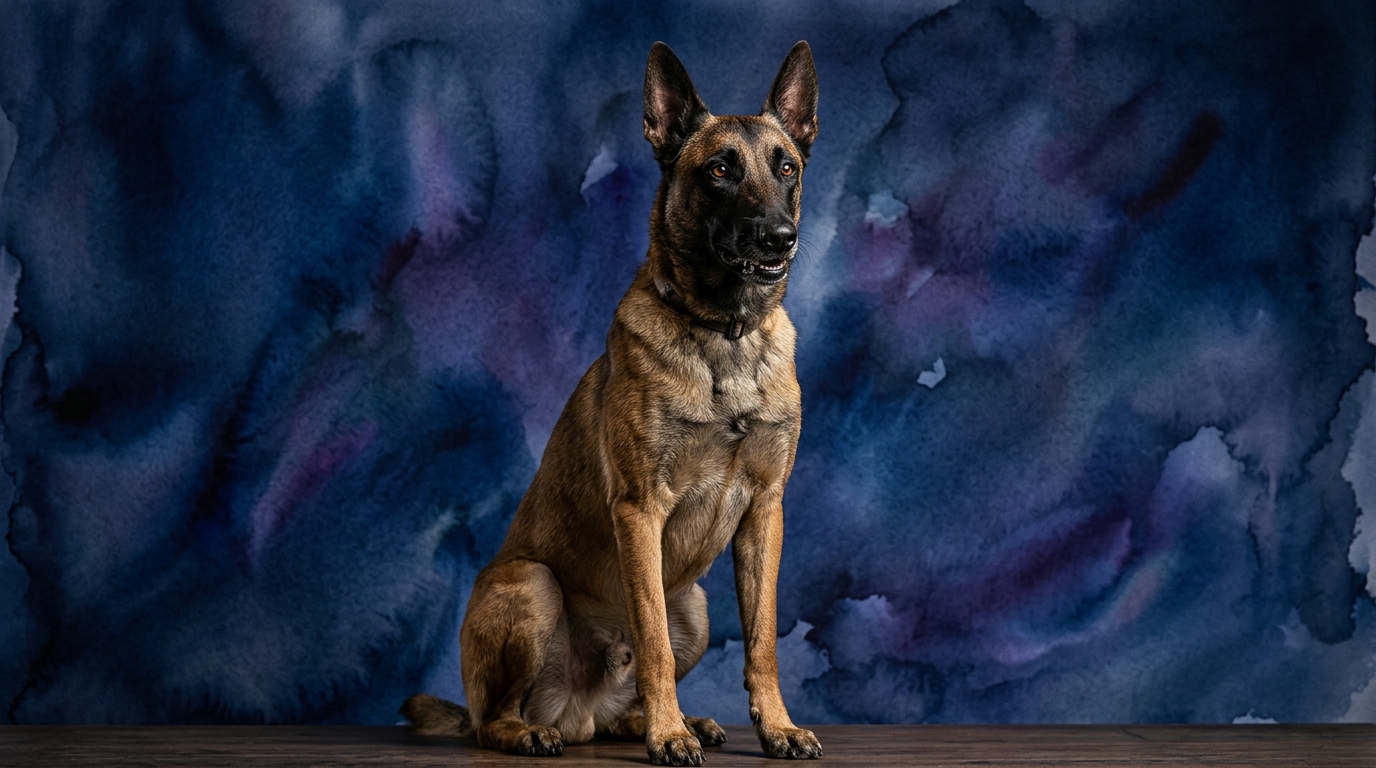
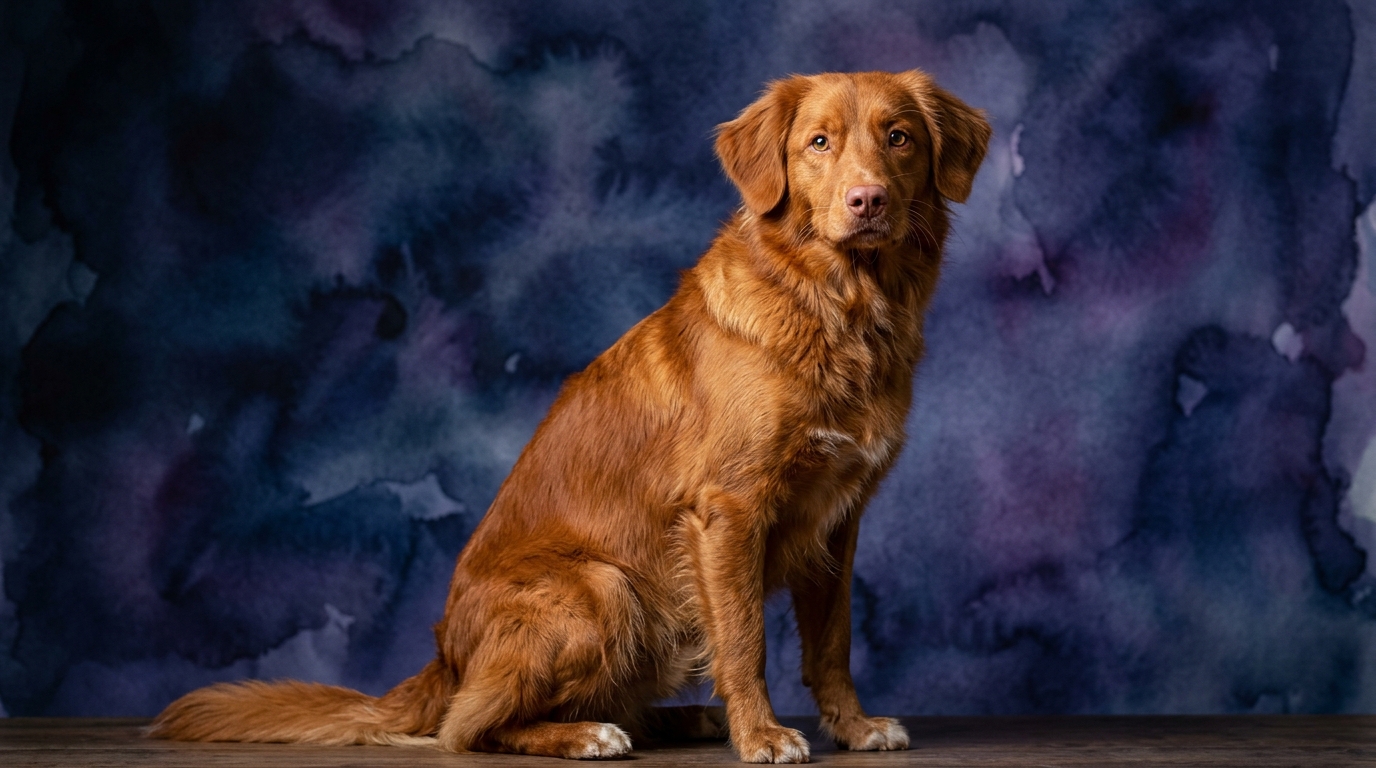
Side-by-Side IQ Profile: Malinois vs. Toller
Delving into the cognitive landscape of these two distinct breeds, we observe clear differences in how they perceive, process, and react to their environments. The Belgian Malinois, a Herding breed, demonstrates an exceptional cognitive toolkit, while the Nova Scotia Duck Tolling Retriever, a Sporting breed, offers a more specialized, yet equally compelling, set of abilities. We evaluate them across five key dimensions of intelligence.
For the Belgian Malinois, problem-solving is rated at an impressive 5/5. Their cognitive approach is characterized by rapid assessment and adaptive strategy formation. Malinois excel at deciphering complex, multi-layered scenarios, often involving novel obstacles or dynamic environments. This manifests in their ability to quickly learn intricate scent discrimination tasks or navigate obstacle courses with minimal prior exposure, demonstrating exceptional cognitive flexibility. Their training speed also scores 5/5; the rate at which Malinois acquire and internalize new commands and behaviors is remarkable. They often grasp concepts in a few repetitions and generalize learned behaviors to new contexts with little prompting. This swift learning curve stems from their intense focus and eagerness to engage with a handler, making them highly receptive to advanced training protocols.
A Malinois's social intelligence, rated 4/5, while deeply bonded with their primary handler and family, often leans towards discerning rather than broadly gregarious. They are acutely aware of subtle human cues and intentions but may exhibit reserved or watchful behavior around unfamiliar individuals, prioritizing their handler's safety and directives over casual interaction. Their instinctive drive, a perfect 5/5, is an unwavering motivation for work and task engagement. This manifests as an intense drive for prey, protection, and vigilance, propelling them through demanding physical and mental challenges. Their drive isn't just about chasing; it's about fulfilling a purpose, often with high stamina and persistent focus. Finally, their memory, also 5/5, is robust, allowing for long-term retention of complex sequences, commands, and spatial layouts. They can recall extensive repertoires of behaviors and adapt them based on prior experiences, making them highly effective in roles requiring consistent performance over time, such as tracking a specific scent over varied terrain or remembering intricate agility courses.
In contrast, the Nova Scotia Duck Tolling Retriever presents a different cognitive profile, with consistent ratings of 3/5 across all five dimensions. Tollers approach problem-solving with a focused, methodical style, particularly adept at tasks related to their retrieving heritage. They can skillfully figure out puzzle toys, navigate to retrieve hidden items, and effectively 'toll' or lure waterfowl, which requires a specific sequence of behaviors. Their cognitive strength lies in their ability to concentrate on a task until completion, even if it requires several attempts. Their training speed, also 3/5, means Tollers learn at a consistent pace, generally requiring more repetitions than a Malinois to solidify new commands, but they are eager to please and respond well to positive reinforcement. They internalize specific behaviors efficiently, particularly those related to retrieving or obedience, demonstrating a steady progression rather than explosive acquisition.
Tollers exhibit a pleasant, engaging social intelligence, rated 3/5, typically friendly and adaptable within their family unit. They are sensitive to human emotions and can form strong bonds, often displaying a playful and affectionate demeanor. While they can be reserved with strangers initially, they warm up readily, showing a balanced approach to social interaction that is less intensely focused than a Malinois. Their instinctive drive, 3/5, is primarily geared towards retrieving and a moderate prey drive associated with hunting, rather than protection or general vigilance. This manifests as a strong desire to fetch, swim, and engage in activities that mimic their ancestral role of luring and retrieving waterfowl. Their drive is persistent and purposeful within these contexts but less encompassing than that of a Malinois. Lastly, their memory, also 3/5, is reliable for learned commands, routines, and the location of favored items. They can recall training cues accurately over time and remember specific retrieving scenarios. While not as extensive in its capacity for multi-layered information as a Malinois, their memory is perfectly suited for their role as a companion and sporting dog, ensuring consistent behavior.
Where the Belgian Malinois Wins Cognitively
The Belgian Malinois excels in raw cognitive horsepower, particularly in areas demanding rapid assimilation of complex information and dynamic adaptation. Their problem-solving prowess isn't just about figuring out a static puzzle; it's about evaluating ever-changing environments and executing precise, multi-step solutions under pressure. For instance, a Malinois can be taught to search a large area for specific articles, ignoring distractions, and adapting their search pattern based on environmental cues, demonstrating a level of cognitive flexibility and drive few other breeds possess. This capacity for intricate scenario analysis and swift decision-making makes them unparalleled in roles requiring advanced discrimination and precision.
Furthermore, their superior training speed and memory mean they can build an extensive repertoire of commands and behaviors, not just rote memorization, but an understanding of concepts. They can learn to differentiate between subtle hand signals, verbal cues, and even scent profiles with astonishing speed. This allows for the development of highly specialized skills, such as advanced protection work where they must distinguish between threat levels and respond appropriately, or intricate detection work where they identify specific substances amidst complex odor landscapes. The Malinois's cognitive strengths lie in their capacity for deep, intense focus and their ability to generalize learned principles to entirely new situations, a hallmark of advanced cognition.
Where the Nova Scotia Duck Tolling Retriever Wins Cognitively
While not matching the Malinois in sheer cognitive intensity, the Nova Scotia Duck Tolling Retriever shines in areas reflecting their specialized purpose and adaptable companionship. Their cognitive 'wins' are rooted in their ability to maintain focus on a specific task with enthusiasm and a less overwhelming drive. For example, a Toller's problem-solving skills are perfectly tuned for retrieving challenges, such as navigating dense cover to locate a downed bird or figuring out how to retrieve a toy from an awkward spot. Their cognitive satisfaction comes from the successful completion of these specific, often repetitive, tasks.
The Toller's cognitive strengths also manifest in their balanced social intelligence and manageable instinctive drive. Unlike the Malinois, whose social interactions are often filtered through a lens of vigilance, the Toller offers a more generally affable and approachable demeanor, making them adept at integrating into diverse family dynamics without constant 'work mode.' Their drive, while strong for retrieving, is less prone to overstimulation in a typical home setting, making their cognitive energy easier to channel into appropriate activities. This allows them to thrive in environments where a Malinois might find insufficient outlets for their profound mental demands, offering a more 'user-friendly' cognitive profile for many owners seeking an engaged yet less intensely driven partner.
Which is Easier to Train and Why?
Determining which breed is 'easier' to train depends significantly on the handler's experience and the desired outcome. For a highly experienced trainer seeking to achieve complex, multi-faceted tasks with astonishing speed, the Belgian Malinois might appear 'easier' due to their rapid acquisition rate and unwavering focus. They soak up information and generalize concepts with remarkable efficiency. However, this speed comes with a profound demand for consistent, expert guidance. Without it, their immense drive and cognitive capacity can quickly be misdirected, leading to behavioral challenges. Their instinct to work is so strong that they actively seek engagement, and if not provided with appropriate mental stimulation, they will devise their own, often undesirable, 'tasks.'
Conversely, for an owner with less experience, or one seeking a well-mannered companion rather than a working dog, the Nova Scotia Duck Tolling Retriever is generally easier to manage. While their training speed is more moderate, requiring more repetitions to solidify commands, their lower intensity of drive means mistakes are less impactful and redirection is simpler. A Toller's problem-solving might involve figuring out how to get a treat from a puzzle, whereas a Malinois's might involve scaling a fence. This difference in their inherent drive means Tollers are less likely to become destructive or anxious if their training isn't constant or perfectly executed. They respond well to positive reinforcement and consistency, progressing steadily without the same level of cognitive pressure or potential for misdirection that a Malinois presents. They enjoy the process of learning without the same demanding urgency.
Which Suits Active Owners vs. Relaxed Owners?
The distinction between these two breeds is stark when considering owner activity levels. The Belgian Malinois is unequivocally suited for highly active, dedicated owners who are prepared to integrate their dog into a demanding lifestyle. Their profound instinctive drive and cognitive need for purpose mean they require extensive daily physical exercise – often hours of running, agility, or vigorous play – coupled with significant mental engagement through advanced training, problem-solving games, or dog sports. A Malinois thrives on having a 'job' and will become restless, potentially destructive, or anxious if their cognitive and physical needs are not met. They are partners for marathons, not couch potatoes, and their owners must be as committed to their canine's 'work-life balance' as they are to their own.
The Nova Scotia Duck Tolling Retriever, while certainly an active breed, offers more flexibility for owners who might not maintain a relentless, high-octane pace every single day. Tollers require substantial exercise, including opportunities to run, swim, and especially retrieve, but their activity demands are generally more adaptable than a Malinois. They are excellent companions for hiking, jogging, and participating in dog sports like agility or obedience, but they also possess an 'off switch' that allows them to settle calmly indoors after their exercise needs are met. Their moderate instinctive drive means they can enjoy periods of relaxation, making them suitable for active families or individuals who appreciate outdoor adventures but also value downtime. They are active partners, but not necessarily 'workaholics' in the same vein as a Malinois.
The Verdict
Choose a Belgian Malinois if you are an experienced, dedicated owner seeking an intensely driven, highly trainable partner for advanced dog sports, protection work, or demanding active lifestyles. You must be prepared to provide constant mental stimulation and rigorous physical exercise to channel their exceptional cognitive abilities.
Opt for a Nova Scotia Duck Tolling Retriever if you are an active owner looking for a devoted, engaging companion who enjoys outdoor adventures like hiking and retrieving, but also appreciates downtime. They offer a manageable training experience and a balanced level of activity suitable for families or individuals who can provide consistent exercise without the extreme demands of a Malinois.
🧠 Find Your Pet's IQ Score
Our Pet IQ Lab assessment covers 25+ tests across 5 cognitive dimensions — personalized to your breed.
Take the Full IQ Test →Frequently Asked Questions
Is a Belgian Malinois a good family dog?
A Belgian Malinois can be a good family dog for experienced owners who understand their needs. They bond closely with their family but require extensive socialization and training to manage their protective instincts and high energy around children and strangers. Their intense drive means they need a structured environment.
Do Nova Scotia Duck Tolling Retrievers bark a lot?
Nova Scotia Duck Tolling Retrievers can be vocal, often using a distinctive 'Toller scream' when excited or to get attention. They may also bark at strangers or unusual sounds, but consistent training and mental stimulation can help manage excessive barking. Their communication style is part of their charm.
Which breed is better for apartment living?
Neither breed is ideally suited for apartment living without significant effort, but the Toller would be the more adaptable choice. A Malinois's intense drive and need for space make apartment living extremely challenging, even with constant exercise. A Toller could potentially adapt if provided with ample daily outdoor activity and mental enrichment.