Side-by-Side IQ Profile: Unpacking Canine Cognition
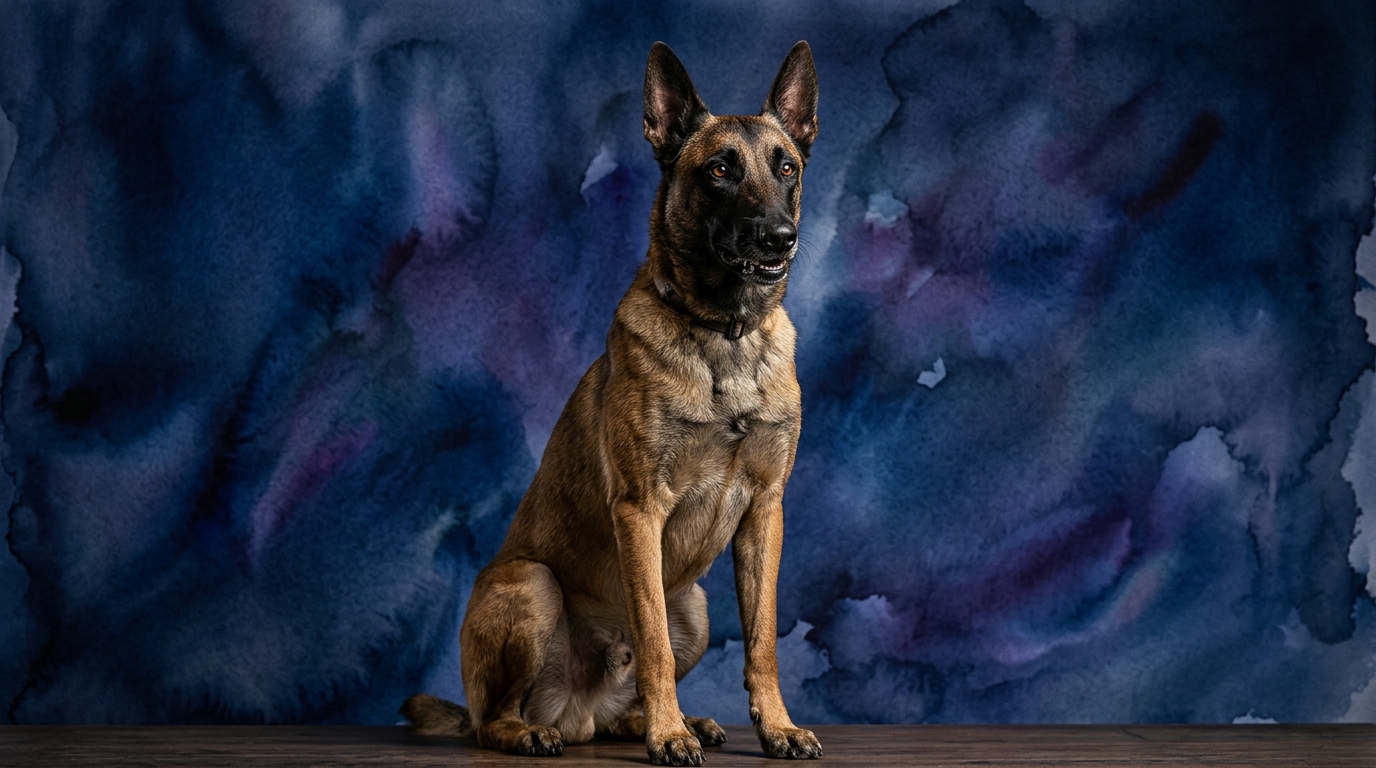
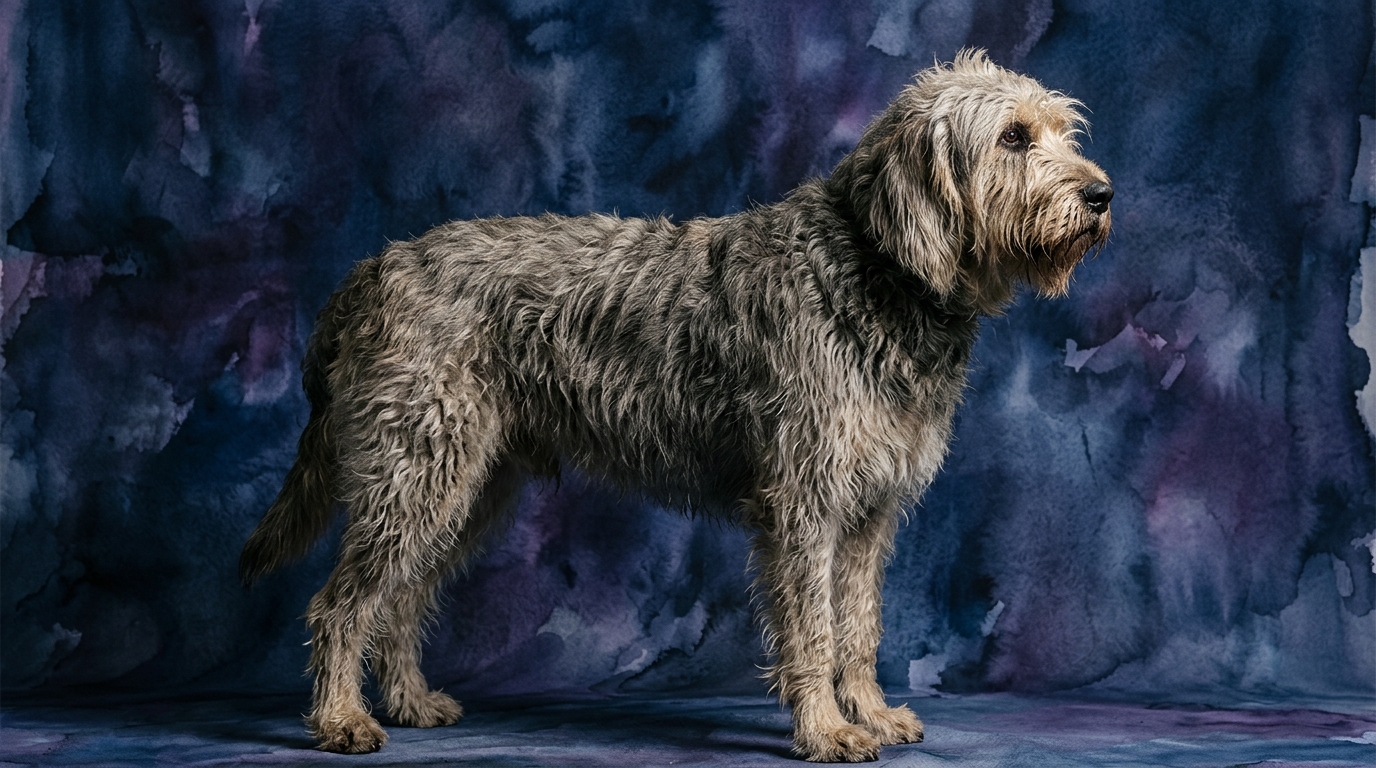
At The Cosmic Pet Pet IQ Lab, we dissect canine intelligence across five crucial dimensions to provide a nuanced understanding of each breed's cognitive strengths. The Belgian Malinois, a Herding Group powerhouse, and the Otterhound, a unique member of the Hound Group, present a compelling contrast.
The Belgian Malinois, with a Coren rank of #22, demonstrates an exceptional cognitive toolkit: Problem Solving (5/5), Training Speed (5/5), Social Intelligence (4/5), Instinctive Drive (5/5), and Memory (5/5). This profile paints a picture of a dog engineered for rapid learning, complex task execution, and unwavering focus. Their problem-solving prowess allows them to quickly assess dynamic situations and adapt their approach, while their training speed means new commands are absorbed with remarkable efficiency. Social intelligence, though highly attuned to their handler, is primarily task-oriented, fostering a deep working partnership. An intense instinctive drive fuels their tireless efforts, and a superior memory ensures long-term retention of vast behavioral repertoires.
In stark contrast, the Otterhound, not Coren-ranked, showcases a different set of cognitive priorities: Problem Solving (3/5), Training Speed (3/5), Social Intelligence (3/5), Instinctive Drive (3/5), and Memory (3/5). This breed's intelligence is deeply rooted in its ancestral role as a scent hound. Their problem-solving leans towards persistent tracking rather than rapid analytical thought, with training speed reflecting a more independent and deliberate learning style. Social intelligence is characterized by a generally friendly and amiable disposition, valuing companionship over intricate social cues. Their instinctive drive is a tenacious, enduring pursuit of scent, and their memory is functional for routines and tracking, though less expansive than breeds requiring complex recall for multi-stage tasks.
Where the Belgian Malinois Wins Cognitively
The Belgian Malinois demonstrably excels in nearly every cognitive dimension, particularly in areas demanding rapid processing, intense focus, and strategic application of learned behaviors. Their 5/5 scores in Problem Solving, Training Speed, Instinctive Drive, and Memory highlight a canine mind engineered for high-stakes performance. A Malinois can rapidly assess a dynamic situation, such as navigating an agility course or performing a protection drill, and make split-second decisions based on learned commands and environmental feedback. Their superior memory means they rarely forget a lesson, allowing for the build-up of incredibly complex behavioral chains. This breed's powerful instinctive drive, channeled through rigorous training, translates into unwavering determination to complete tasks, even when faced with distractions or fatigue, a stark contrast to the Otterhound's more relaxed and scent-focused persistence.
Where the Otterhound Wins Cognitively
While the Otterhound's overall IQ profile appears lower, it's crucial to understand that their cognitive strengths are specialized and finely tuned to their historical purpose, not inherently inferior. Their instinctive drive, while rated 3/5, is a persistent and unwavering force when it comes to scent work. Where a Malinois's drive is about speed and precision in action, an Otterhound's drive is about endurance and single-minded pursuit of a scent trail, often over challenging terrain and long durations. This unique form of problem-solving, navigating a complex olfactory landscape, is where the Otterhound truly shines. Their social intelligence, though rated 3/5, reflects a genial and tolerant disposition, making them less prone to the intensity or potential reactivity sometimes seen in high-drive working breeds. They "win" in their ability to maintain a steady, good-natured demeanor, valuing companionship over constant task-orientation, and showing an unwavering dedication to their nose.
Which is Easier to Train and Why
Based on their respective IQ profiles, the Belgian Malinois is unequivocally easier to train for a wide range of obedience and specialized tasks. Their 5/5 Training Speed means they grasp concepts almost immediately, often requiring only a few repetitions to solidify a command. This swift learning is coupled with a 5/5 Instinctive Drive that makes them inherently eager to work and please their handler, viewing training as a fulfilling activity rather than a chore. Their superior Problem Solving and Memory further enhance trainability, allowing them to generalize commands to new environments and recall complex sequences with precision. In contrast, the Otterhound's 3/5 Training Speed and Problem Solving, combined with an Instinctive Drive primarily focused on scent, mean training requires significantly more patience, creativity, and consistency. An Otterhound might be easily distracted by an interesting smell, requiring the trainer to compete with powerful natural instincts. While intelligent, their independent hound nature means they often need to be convinced that cooperating with a human command is more rewarding than following their nose, making the process more a negotiation than a swift acquisition of skills.
Active Owners vs. Relaxed Owners: A Lifestyle Match
The choice between these two breeds hinges significantly on an owner's lifestyle and capacity for engagement. The Belgian Malinois, with its off-the-charts Instinctive Drive (5/5) and need for constant mental and physical stimulation, is undeniably suited for highly active, experienced owners. These dogs thrive when given a "job," whether it's competitive dog sports like agility, protection work, or advanced obedience. A Malinois requires multiple hours of vigorous exercise daily, coupled with challenging mental tasks to prevent boredom and destructive behaviors. They are not a breed for a relaxed household; an under-stimulated Malinois can quickly become a handful. Conversely, the Otterhound, with its more moderate Instinctive Drive (3/5) and generally laid-back social nature (3/5), is a better fit for relaxed owners, provided they appreciate a dog with a strong nose and a moderate need for activity. While they still require regular walks and opportunities for scent exploration, their energy levels are far more manageable than a Malinois. An Otterhound is content with lounging after a good sniff-walk, making them a companion for those who enjoy a less intense, but still engaging, canine presence.
The Verdict
Select a Belgian Malinois if you are an experienced, dedicated owner prepared to channel immense drive and cognitive power into a demanding training regimen and active lifestyle, seeking a canine partner for sport, work, or intense companionship.
Opt for an Otterhound if you appreciate a good-natured, amiable companion who enjoys a moderate activity level centered around scent exploration, and you are patient with training, valuing a relaxed temperament over high-octane performance.
🧠 Find Your Pet's IQ Score
Our Pet IQ Lab assessment covers 25+ tests across 5 cognitive dimensions — personalized to your breed.
Take the Full IQ Test →Frequently Asked Questions
Is a Belgian Malinois good with children?
A Belgian Malinois can be good with children, especially if raised with them and properly socialized. However, their high drive and intensity mean supervision is essential, as their play can be too rough for very young children without careful guidance and training.
How much grooming does an Otterhound require?
An Otterhound requires regular grooming, despite its shaggy appearance. Their coarse, dense double coat needs weekly brushing to prevent mats and occasional hand-stripping to maintain coat health, along with routine ear cleaning due to their long, pendulous ears.
Can an Otterhound live in an apartment?
While an Otterhound could potentially adapt to apartment living if given sufficient daily exercise and mental stimulation, it is not ideal. Their love for scent work and moderate energy means they truly thrive with access to a yard where they can explore safely, or with owners committed to long, engaging walks.