A Side-by-Side Look at Their Cognitive Profiles
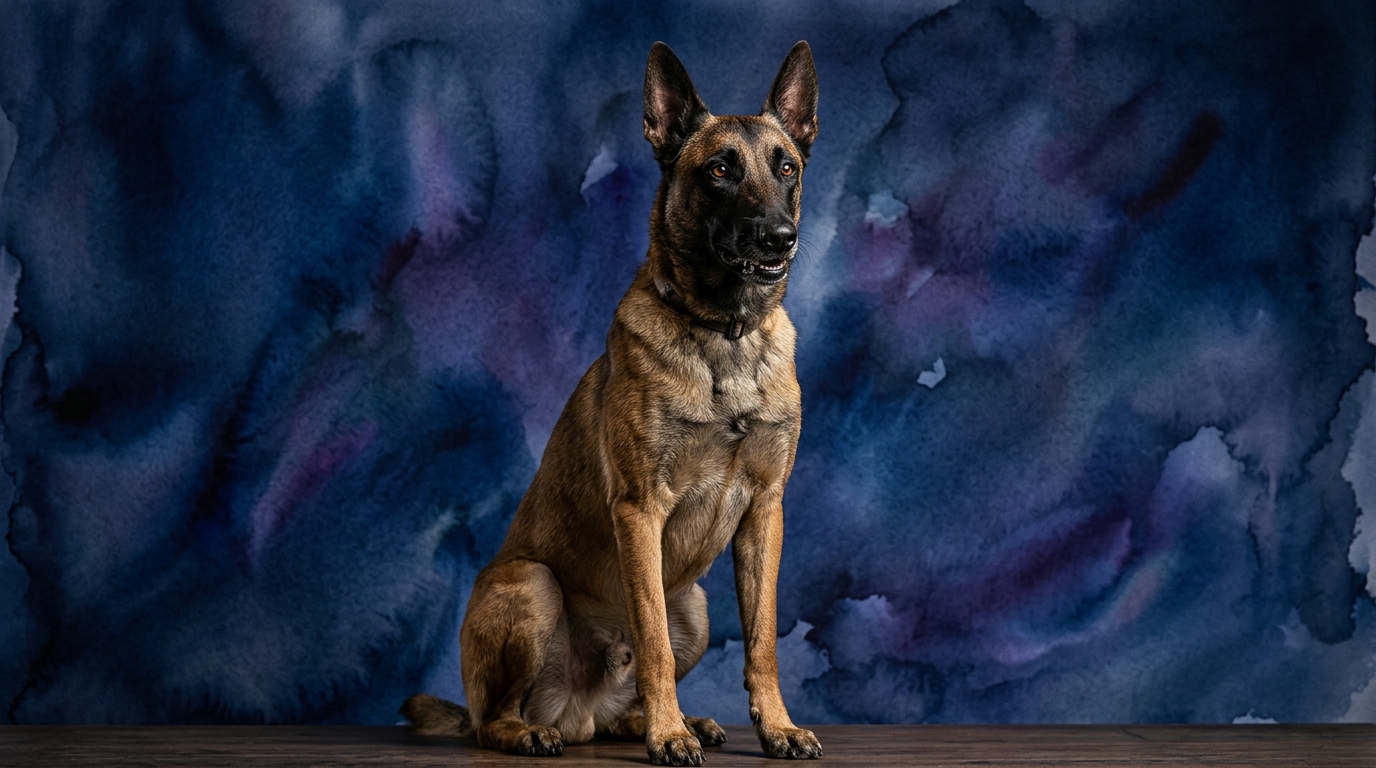
Our Cosmic Pet Pet IQ Lab assessment provides a nuanced view of each breed’s mental landscape across five key dimensions. The Belgian Malinois, a Herding group member with a Coren rank of #22, showcases an impressive cognitive blueprint built for complex tasks and rapid adaptation. They score a perfect 5/5 in Problem Solving, indicating a strong capacity to analyze new situations and devise effective solutions quickly. Their Training Speed also rates 5/5, reflecting an eagerness and ability to grasp new commands and routines with minimal repetition. Social Intelligence stands at 4/5, suggesting a keen awareness of human cues and a desire for cooperative interaction, often with a task-oriented focus. Their Instinctive Drive is a powerful 5/5, channeling intense energy and focus towards specific goals, whether herding, protection, or sport. Finally, their Memory is also 5/5, allowing them to retain vast amounts of information, from complex command sequences to environmental details, over long periods.
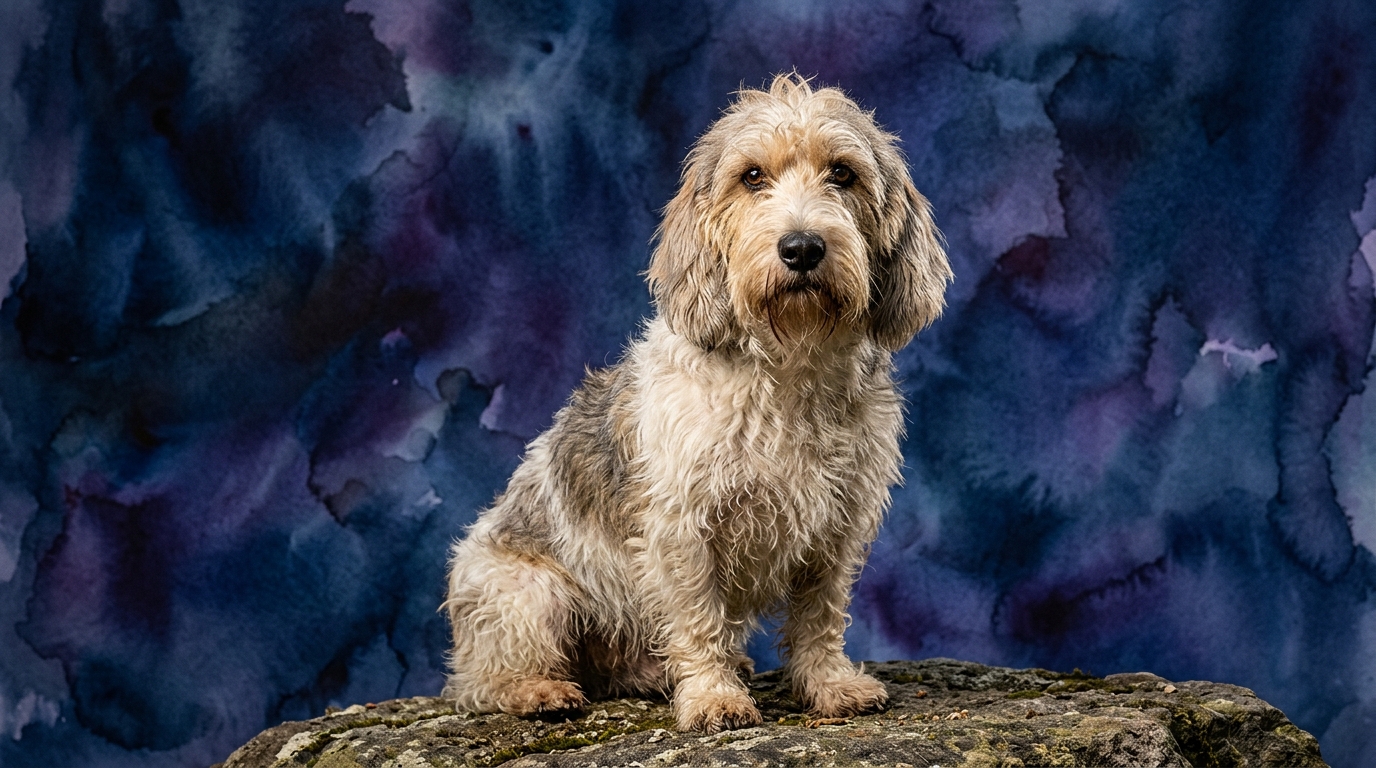
In contrast, the Petit Basset Griffon Vendéen, a delightful Hound group dog not featured on Coren's rankings, presents a different cognitive signature, one more aligned with independent hunting tasks. Across all five dimensions—Problem Solving, Training Speed, Social Intelligence, Instinctive Drive, and Memory—the PBGV consistently scores 3/5. This moderate rating doesn't imply a lack of mental capacity but rather a different prioritization of cognitive resources. Their problem-solving often leans towards independent exploration and scent-following, rather than human-directed puzzles. A 3/5 in Training Speed means they learn, but at a more deliberate pace, often requiring more patience and creative motivation. Social Intelligence at 3/5 suggests they are friendly and affectionate but may engage on their own terms, guided by their nose. Their Instinctive Drive, while 3/5 overall, is intensely focused on scent, directing much of their energy. Memory at 3/5 indicates they recall information relevant to their immediate interests, such as a promising scent trail or a favorite treat dispenser, rather than an extensive repertoire of formal commands.
Where the Belgian Malinois Excels Cognitively
The Belgian Malinois demonstrates superior cognitive function in areas demanding precision, speed, and complex generalization. Their 5/5 Problem Solving means they can swiftly analyze novel situations, such as figuring out how to open a complicated latch or navigate an agility course they've never seen before, often with minimal human intervention once the objective is clear. This breed thrives on intricate challenges, consistently demonstrating an ability to apply learned principles to new contexts. For instance, a Malinois trained to find specific items will generalize that skill to locate different objects in varying environments, showcasing remarkable cognitive flexibility.
Furthermore, their combined 5/5 Training Speed and 5/5 Memory give them an undeniable edge in structured learning environments. A Malinois can master an extensive vocabulary of commands, remember multi-step routines, and execute them reliably, even after extended periods without practice. This capacity for rapid acquisition and enduring retention makes them exceptionally adept at high-level obedience, protection work, and specialized detection tasks where precision and consistent performance are paramount. Their 4/5 Social Intelligence also means they are highly attuned to their handler's subtle cues, forming a tight, cooperative working bond that enhances their cognitive output in team-oriented activities.
Cognitive Strengths of the Petit Basset Griffon Vendéen
While the PBGV's cognitive scores are moderate, their strengths lie in a different, equally valuable domain: independent, scent-driven exploration and persistence. Their 3/5 in Instinctive Drive, while lower than the Malinois, is powerfully channeled into their olfactory senses. This means a PBGV's brain is exceptionally adept at processing and following complex scent trails, demonstrating a remarkable ability to discriminate between subtle odors and maintain focus on a specific scent over varied terrains and distractions. This isn't a deficiency in problem-solving; rather, it’s a highly specialized form of it, where the 'problem' is locating a scent source, and the 'solution' involves intricate tracking strategies.
Their 3/5 in Problem Solving and Memory, when viewed through the lens of a scent hound, speaks to a cognitive style focused on self-directed investigation. A PBGV might not solve a puzzle box designed for a working dog, but they will meticulously unravel a scent puzzle in the environment, remembering where a particular scent was strongest or where a trail diverged. Their social intelligence, while 3/5, allows them to be charming and engaging companions, capable of forming deep bonds, but their primary cognitive engagement with the world often stems from their nose, leading them on independent adventures rather than constantly seeking human direction. This independent spirit, while posing training challenges, is a cognitive advantage for tasks requiring self-reliance and sustained focus on an external stimulus.
Training: A Tale of Two Approaches
Training a Belgian Malinois is generally a more streamlined process due to their exceptional Training Speed (5/5) and Memory (5/5). They are eager to learn, absorb commands quickly, and reliably recall them, making them highly responsive to structured lessons. A Malinois thrives on clear expectations, consistent reinforcement, and the opportunity to engage their powerful drive in a productive manner. Their inherent desire to work and please their handler means they often seek direction, making them highly trainable for complex routines, competitive sports, or demanding service roles. Behavioral differences like their intense focus and high work ethic mean they are generally less distracted by their environment once engaged in a task.
The Petit Basset Griffon Vendéen, with its 3/5 Training Speed and powerful scent-driven Instinctive Drive, presents a different training dynamic. While capable of learning, their progress is typically slower and requires more patience and creative motivation. Their nose often dictates their priorities; a fascinating scent trail can easily override a verbal command, leading to what owners perceive as stubbornness but is actually their natural cognitive wiring asserting itself. Training a PBGV effectively means embracing their independent nature and leveraging positive reinforcement, especially for recall, which can be challenging when a compelling scent is present. Successful PBGV training often involves making lessons fun, varied, and incorporating scent work to satisfy their innate drives, rather than fighting against them.
Matching Breeds to Lifestyles: Active vs. Relaxed Owners
For owners seeking an intensely active, engaged partner, the Belgian Malinois is an unparalleled choice. Their 5/5 Instinctive Drive translates into a constant need for physical exertion and, crucially, mental stimulation. These dogs are not content with a simple walk around the block; they require structured activities like advanced obedience, agility, protection sports, or a dedicated 'job' to channel their formidable energy and problem-solving abilities. An owner of a Malinois must be prepared to invest significant time daily in training, exercise, and cognitive challenges to prevent boredom and potential behavioral issues. They thrive with owners who are equally active, consistent, and enjoy a highly interactive relationship built on shared tasks and learning.
The Petit Basset Griffon Vendéen, on the other hand, suits owners who appreciate a dog with a more independent spirit and a moderate activity requirement. While they are not couch potatoes and enjoy regular walks and opportunities to explore with their nose, they don't demand the same level of rigorous, human-directed mental work as a Malinois. A PBGV will happily follow a scent trail in a securely fenced yard or enjoy a long sniff-walk, engaging their natural drives in a self-directed manner. They thrive with owners who can provide consistent, loving companionship, tolerate a certain degree of independent exploration, and are prepared for a dog whose primary engagement with the world is often through its sense of smell, making them a good fit for those seeking a charming, moderately active companion without the demands of a high-performance working dog.
The Verdict
Choose a Belgian Malinois if you are an experienced, active owner seeking a highly trainable, driven partner for demanding sports, protection work, or a structured life requiring intense cognitive engagement.
Opt for a Petit Basset Griffon Vendéen if you appreciate an independent, charming companion who loves scent exploration and moderate activity, and you are prepared for a more patient, flexible training approach.
🧠 Find Your Pet's IQ Score
Our Pet IQ Lab assessment covers 25+ tests across 5 cognitive dimensions — personalized to your breed.
Take the Full IQ Test →Frequently Asked Questions
Which breed is better for a first-time dog owner?
Neither breed is typically recommended for first-time dog owners due to their specific needs, but the PBGV's moderate drive and less intense cognitive demands might be marginally more manageable. The Malinois requires significant experience and dedication to manage its high drive and training requirements effectively.
Do PBGVs need a lot of exercise despite their moderate IQ scores?
PBGVs do require regular exercise, particularly opportunities for scent work and free exploration in a secure area, even with moderate IQ scores. While they don't need the same intensity as a Malinois, their hound nature means they enjoy being active and using their powerful nose.
Can a Belgian Malinois be a good family pet?
A Belgian Malinois can be a wonderful family pet for the right family, provided they receive extensive socialization, consistent training, and ample mental and physical stimulation. They thrive in active households that can integrate them into daily activities and provide a clear role and structure.