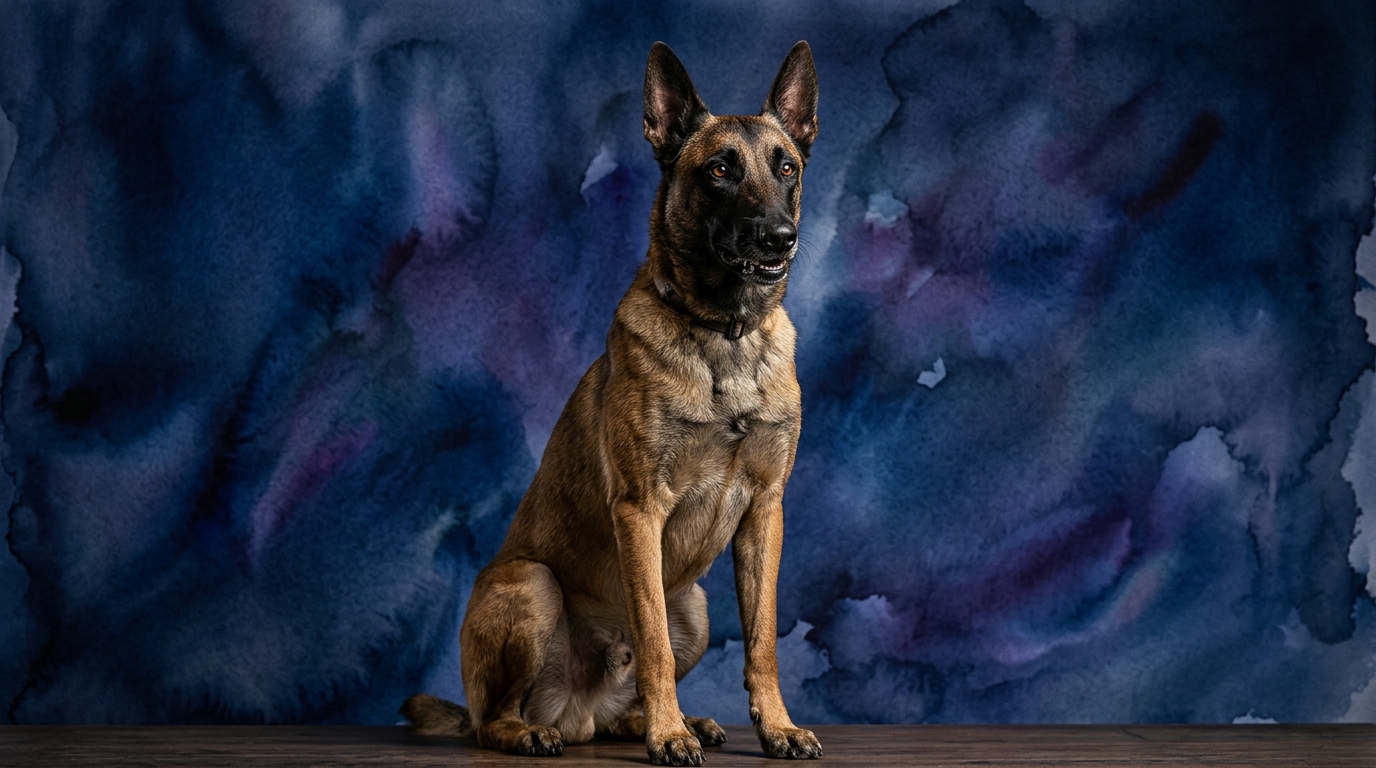
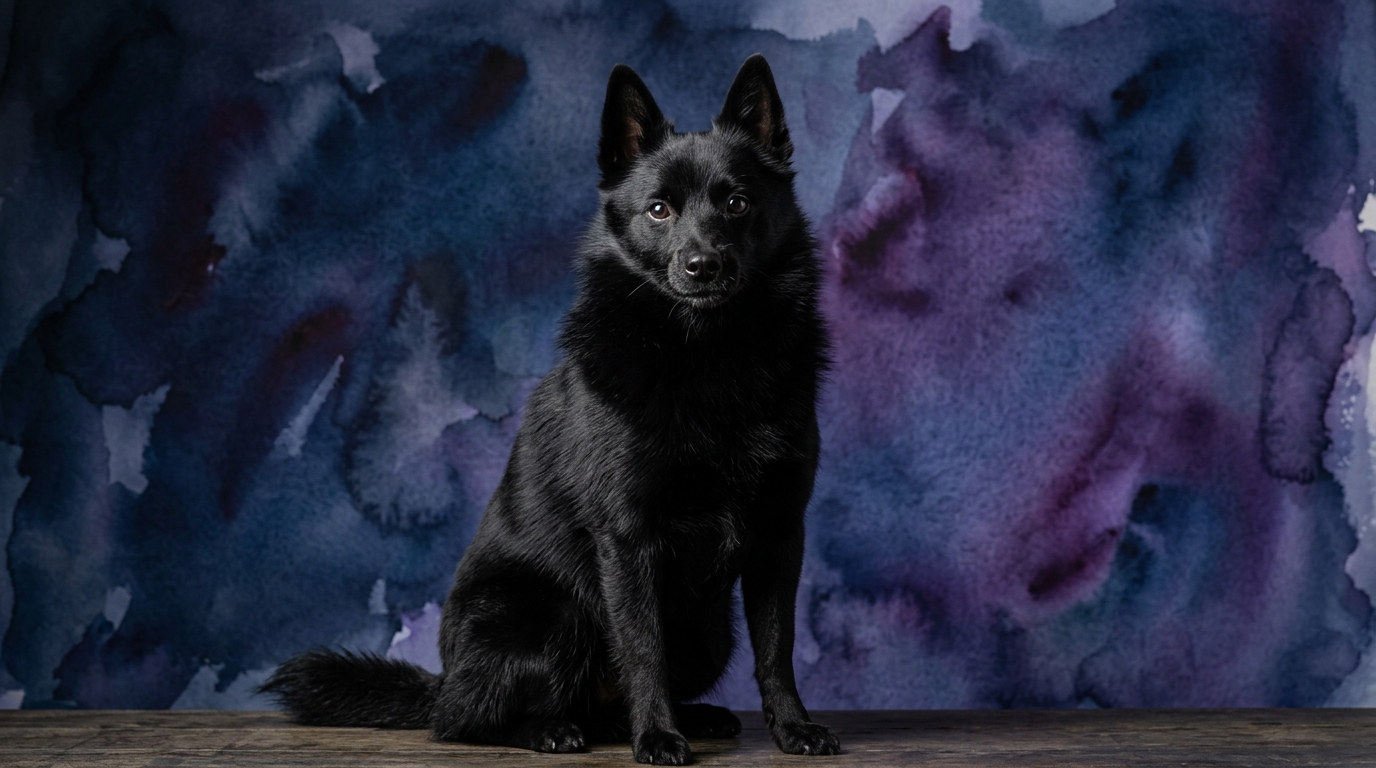
Side-by-Side Cognitive Profile
The Belgian Malinois, a Herding group dog with a Coren rank of #22, exhibits a cognitive profile tailored for demanding work. Its Problem Solving is 5/5, indicating an exceptional capacity to navigate novel challenges and devise effective solutions, critical for their complex roles. Training Speed is also 5/5, meaning they grasp new commands and complex sequences with remarkable rapidity. Social Intelligence at 4/5 reflects a strong ability to interpret human cues and intentions, facilitating a deep working partnership. An overwhelming Instinctive Drive of 5/5 provides a powerful internal impetus for activity and purpose, shaping their entire behavioral repertoire. Finally, a perfect Memory score of 5/5 ensures retention of learned information and complex patterns over long periods.
The Schipperke, a Non-Sporting dog with an impressive Coren rank of #15, presents a similarly sharp, yet uniquely applied, set of cognitive strengths. Matching the Malinois, its Problem Solving is 5/5, demonstrating an equal adeptness at figuring out puzzles and overcoming obstacles independently. Training Speed is also 5/5, indicating they are swift learners, absorbing instructions efficiently and quickly. However, its Social Intelligence is 3/5, meaning while capable of bonding, their interpretation of subtle human social cues is less pronounced, leading to more independent decision-making. Instinctive Drive is 3/5, a moderate level of drive for engagement, manifesting as curiosity and a desire for purpose without the overwhelming intensity of the Malinois. Like the Malinois, the Schipperke also boasts a perfect Memory score of 5/5, ensuring excellent retention of learned behaviors and environmental details.
Where Belgian Malinois Wins Cognitively
The Belgian Malinois distinguishes itself with a superior blend of social intelligence and an all-encompassing instinctive drive. Its 4/5 social intelligence score indicates a profound ability to attune to human intentions and directives, fostering an almost telepathic working relationship. This cognitive advantage means a Malinois is not just learning commands, but often anticipating them, reading subtle shifts in handler posture, gaze, and tone. This nuanced understanding is paramount in high-stakes environments like protection work or advanced obedience, where split-second decisions and seamless cooperation are critical. Coupled with its 5/5 instinctive drive, the Malinois possesses an unparalleled internal engine for action and purpose. This isn't merely a desire for exercise, but a deep-seated need to engage in meaningful tasks, making them relentless in their pursuits. This combination of social acuity and powerful motivation ensures that once a Malinois is tasked, its entire cognitive and physical being is marshaled towards achieving that goal, often with minimal external prompting, a trait less pronounced in the Schipperke. This cognitive profile makes the Malinois an unmatched partner for complex, demanding roles requiring sustained focus and intense engagement with a handler.
Where Schipperke Wins Cognitively
Despite the Malinois's powerful working profile, the Schipperke carves its own cognitive niche, particularly highlighted by its higher Coren rank of #15 compared to the Malinois's #22. While both breeds share a perfect 5/5 in problem-solving and training speed, the Schipperke's victory in Coren's obedience intelligence ranking suggests a distinct application of its cognitive strengths. The Schipperke’s independence, stemming from its lower social intelligence (3/5) and instinctive drive (3/5) relative to the Malinois, means its rapid learning and problem-solving are often applied with a more self-directed focus. This breed excels at figuring things out on its own terms, making it less dependent on constant handler direction for motivation. Its intelligence shines in tasks requiring autonomous decision-making and a clever, self-sufficient approach, rather than a highly collaborative, driven partnership. This cognitive independence, combined with its swift training speed, means the Schipperke is exceptionally quick to grasp and retain commands, and then apply them in a manner that might be perceived as more intrinsically motivated and less outwardly driven by a handler's constant presence. This makes the Schipperke remarkably adept at learning and performing tasks with an air of self-possession, thriving in environments where a clever, independent spirit is valued over relentless partnership.
Which Is Easier to Train and Why
When considering 'easier to train,' the distinction lies not in raw learning speed—both breeds score a perfect 5/5—but in the nature of their engagement and compliance. The Belgian Malinois, with its 5/5 instinctive drive and 4/5 social intelligence, is profoundly motivated by purpose and interaction. This means they are eager to engage in training, often viewing it as a rewarding outlet for their boundless energy and desire to work. Their social intelligence makes them highly responsive to handler cues, absorbing complex instructions and responding with impressive precision. However, this intensity also means training a Malinois is a full-time commitment, demanding an owner who can consistently channel their formidable drive. Without appropriate outlets and consistent, structured training, their intelligence and drive can manifest as challenging behaviors.
The Schipperke, conversely, while equally quick to learn (5/5 training speed), presents a different training dynamic. Its lower social intelligence (3/5) and instinctive drive (3/5) mean it's less inherently driven by handler approval or the sheer joy of working for a human. Schipperkes are independent thinkers; they learn rapidly but may require more creative motivation to convince them a task is worthwhile. They are less prone to being overwhelmed by their own drives but might be more inclined to exercise their cleverness independently, sometimes appearing stubborn. Therefore, while both learn quickly, the Malinois is 'easier' in its eagerness to participate and its responsiveness to handler input, provided the handler can meet its intense demands. The Schipperke is 'easier' in its less overwhelming drive, but requires an owner who understands how to motivate an independent intellect rather than simply directing a zealous worker.
Which Suits Active Owners vs. Moderately Active Owners
The choice between these two breeds hinges significantly on an owner's lifestyle and capacity for engagement. The Belgian Malinois, with its overwhelming 5/5 instinctive drive and perfect 5/5 problem-solving, is unequivocally suited for highly active, dedicated owners. These dogs require not just physical exercise, but demanding mental stimulation and a defined 'job' to thrive. They are partners for long runs, competitive dog sports like agility or protection work, and extensive training sessions. A Malinois will become bored, anxious, or destructive if its profound need for purpose and activity is not consistently met. For owners seeking a relentless, engaged partner for an active, structured life, the Malinois is an ideal match.
The Schipperke, while also possessing a perfect 5/5 in problem-solving and memory, has a more moderate 3/5 instinctive drive. This means they are certainly not couch potatoes and still require regular physical activity and mental engagement to prevent boredom. They enjoy walks, playtime, and learning new tricks, and can excel in dog sports. However, their needs are not as all-consuming as the Malinois. A Schipperke can adapt to a moderately active household that provides consistent engagement without demanding the same intensity or volume of work. They are a good fit for owners who enjoy an active lifestyle but aren't necessarily looking for a full-time working dog. Neither breed is suitable for truly 'relaxed' owners who prefer minimal interaction or exercise, as both possess sharp minds that need stimulation.
The Verdict
If you are an experienced, highly active individual or family seeking an intensely driven, highly responsive working partner for advanced training, dog sports, or a structured, purpose-filled life, the Malinois is your match. Its unparalleled drive and social intelligence make it an exceptional canine athlete and protector, provided you can consistently meet its profound needs for mental and physical engagement.
If you appreciate an independent, clever, and self-sufficient companion with a quick mind and a moderate, yet consistent, need for activity, the Schipperke is an excellent choice. It thrives with owners who enjoy engaging a smart dog in games and training, valuing its autonomous problem-solving and spirited personality without the overwhelming intensity of a high-drive working breed.
🧠 Find Your Pet's IQ Score
Our Pet IQ Lab assessment covers 25+ tests across 5 cognitive dimensions — personalized to your breed.
Take the Full IQ Test →Frequently Asked Questions
Do Schipperkes truly learn as quickly as Belgian Malinois?
Yes, according to the Pet IQ Lab data, both breeds score 5/5 in training speed, indicating an exceptional capacity to grasp new commands and routines rapidly. The difference lies more in their motivation and independence during the training process rather than their raw learning ability.
How does the 'instinctive drive' difference impact daily life?
A Malinois's 5/5 instinctive drive means they have an almost constant need for purposeful activity, requiring extensive physical and mental engagement to prevent boredom and destructive behaviors. A Schipperke's 3/5 drive is present but less overwhelming, making them active and curious but not requiring the same intense, structured work to be content.
Can a Schipperke be a good protection dog like a Malinois?
While Schipperkes are alert watchdogs with a strong protective instinct for their family and territory, their lower instinctive drive and smaller stature mean they are not suited for the demanding and physically intense roles of protection work typically performed by a Malinois. They excel as vigilant alarms and loyal guardians within their capabilities.