Side-by-Side IQ Profile: A Tale of Two Canines
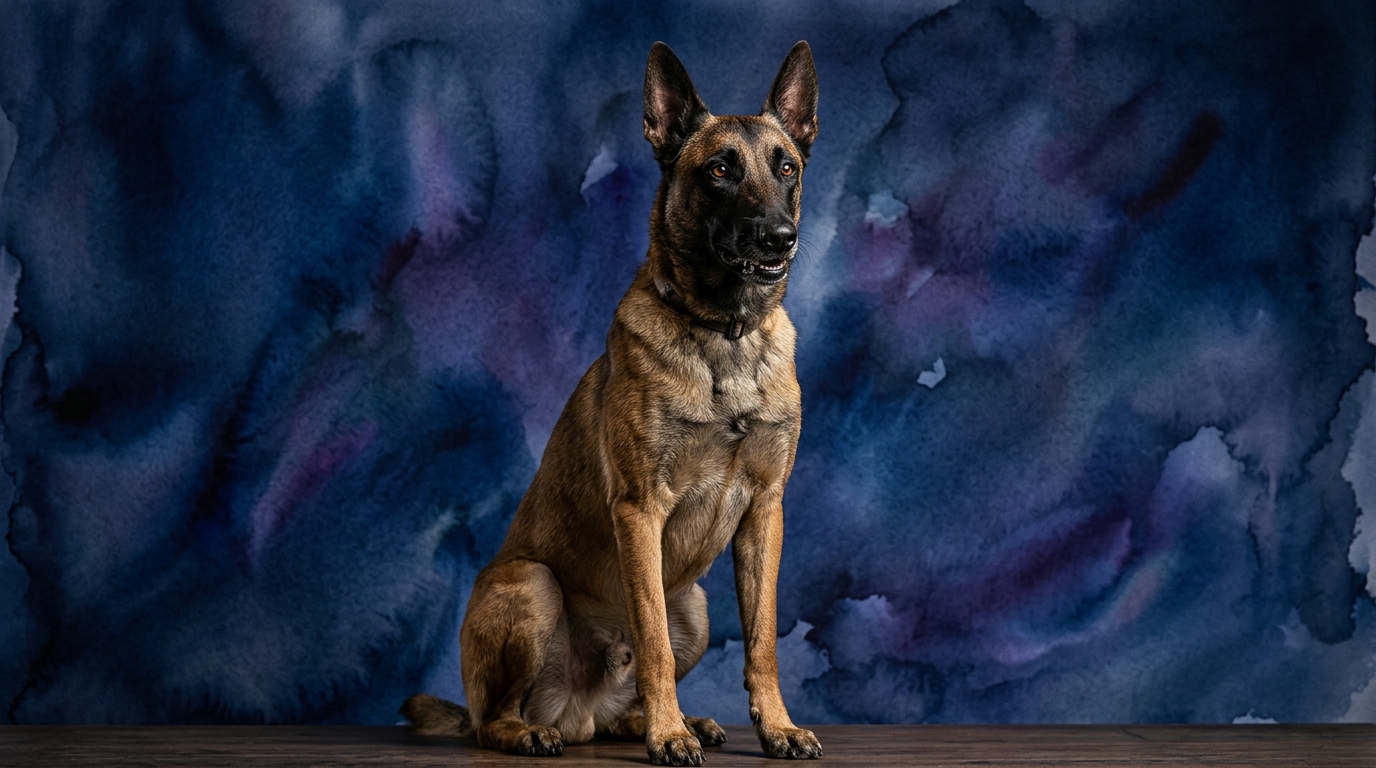
The Belgian Malinois, ranking #22 on the Coren scale, presents a cognitive profile optimized for demanding work. Their Problem Solving score of 5/5 means they rapidly assess and navigate complex scenarios, from tracking to intricate obedience. This mental agility allows quick adaptation and effective solutions, crucial for their roles in police, military, and protection work.
A perfect 5/5 Training Speed reflects their remarkable efficiency in absorbing new commands, often solidifying learning in minimal repetitions. This rapid acquisition is bolstered by a 5/5 Memory, enabling retention of vast information, from multi-stage commands to environmental details. Social Intelligence (4/5) highlights acute awareness of handler cues, fostering close collaboration. An Instinctive Drive of 5/5 fuels their intense motivation to work, chase, and protect.
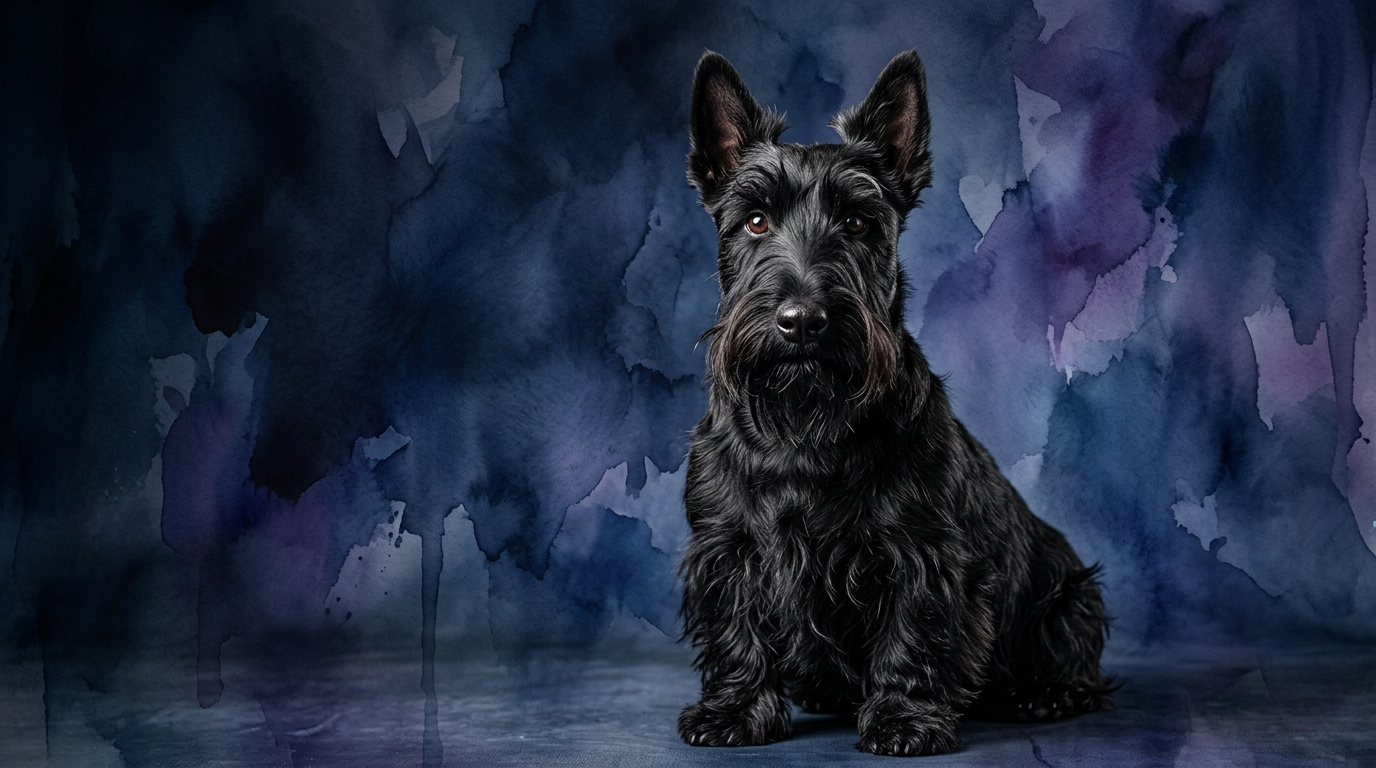
In contrast, the Scottish Terrier, Coren rank #65, offers a different cognitive blueprint, shaped by its independent vermin hunting heritage. Their Problem Solving (3/5) is characterized by tenacious, autonomous effort, finding solutions through persistence and self-directed ingenuity, particularly when pursuing underground prey.
Training Speed (3/5) indicates a moderate learning pace, requiring consistent patience and high motivation due to their independent spirit. Social Intelligence (3/5) reflects an observant nature where they understand cues but often act on their own terms, demonstrating self-assured discernment. An Instinctive Drive of 3/5 points to a strong desire to dig and hunt, expressed with self-contained focus. Memory (3/5) is sufficient for learned behaviors and territorial knowledge, but may not prioritize recall over immediate interests.
Where the Belgian Malinois Excels Cognitively
The Belgian Malinois demonstrably excels in areas demanding high-speed information processing and precise execution. Their 5/5 Problem Solving and Training Speed enable them to master complex command sequences, like those in competitive obedience or protection work, with astounding efficiency. They adapt performance based on subtle handler signals and environmental changes, showcasing cognitive flexibility vital for their demanding roles.
Superior working memory allows them to hold multiple instructions, executing multi-stage tasks flawlessly, critical in search and rescue. Their intense instinctive drive, coupled with social intelligence, translates into unwavering focus on handler-directed tasks. This cognitive commitment to problem-solving and achieving goals in partnership makes them adept at sustained, high-pressure mental work.
Where the Scottish Terrier Shines Cognitively
While not built for rapid, collaborative problem-solving, the Scottish Terrier exhibits distinct cognitive strength in independent, persistent problem-solving, especially in its ancestral context. Their 3/5 Problem Solving reflects a deep-seated tenacity to achieve self-directed goals, like finding a hidden toy or navigating scent trails. They actively figure things out on their own terms, with a stubborn resolve that can outlast many breeds in specific pursuits.
The Scottie's 3/5 Social Intelligence reflects their discerning, self-assured cognitive style. They process social cues and decide responses based on their own assessment, often choosing to observe rather than immediately engage. This independent thought allows them to navigate their environment with a unique blend of curiosity and caution, making calculated decisions prioritizing their interests. Their memory reliably stores territorial knowledge and routines, reflecting practical, self-focused recall.
Training Ease: A Study in Motivation
Training a Belgian Malinois is generally straightforward due to their exceptional cognitive attributes. Their 5/5 Training Speed means commands are picked up almost instantly, and 5/5 Memory ensures retention. Crucially, high Social Intelligence and Instinctive Drive profoundly motivate them to work *with* their handler, viewing cooperative tasks as their primary purpose. They thrive on structure, clear communication, and mental engagement, exhibiting an eagerness to please that makes them highly responsive to guidance. Their intense focus and desire for a "job" translates into a willingness to perfect actions.
The Scottish Terrier presents different training challenges, stemming from their independent nature and 3/5 Training Speed. While capable, their self-reliance means they are less inclined to blindly follow commands, assessing if a task aligns with their interest. Their instinctive drive to explore or chase often competes with directives, requiring highly motivating rewards and unwavering consistency. Training a Scottie demands patience, creativity, and understanding their terrier psychology, making it a game of wits rather than pure compliance. Their priorities can shift, requiring frequent reinforcement.
Owners: Active Partners vs. Relaxed Companions
For owners seeking an active, dedicated partner, the Belgian Malinois is an unparalleled choice. Their immense physical and mental energy demands constant engagement, far beyond simple walks. These dogs require extensive exercise like running, agility, or protection sports, coupled with complex mental stimulation through puzzle toys or scent work. An owner must provide a rigorous, structured routine, offering consistent challenges that harness their powerful instinctive drive and problem-solving abilities. This breed thrives when given a clear purpose and framework for their formidable intellect.
Conversely, the Scottish Terrier aligns well with owners appreciating a more relaxed pace but desiring a spirited, engaging companion. While enjoying moderate daily walks, their exercise requirements are less intense. Scotties are often content to observe, patrol their yard diligently, or snuggle after a good sniff-walk. Their independent nature means they don't constantly demand interaction or a strenuous "job"; they are comfortable with their own company and discerning about engagement. They offer loyalty and charm without the relentless, high-intensity commitment a Malinois necessitates, suiting owners seeking a distinctive personality in a less demanding package.
The Verdict
Choose the Belgian Malinois if you are an experienced, active owner committed to providing intense daily physical exercise, advanced training, and a structured "job" for a highly driven, intelligent working partner. This breed thrives with a clear purpose and a handler dedicated to channeling their immense mental and physical capabilities into productive outlets, excelling in demanding performance sports or service roles.
Opt for the Scottish Terrier if you appreciate an independent, tenacious companion with a unique personality, seeking a moderately active dog that offers loyalty and charm without requiring constant, high-intensity engagement. This breed suits owners who enjoy a discerning, self-assured canine presence and are prepared for consistent, patient training to navigate their distinctive terrier spirit.
🧠 Find Your Pet's IQ Score
Our Pet IQ Lab assessment covers 25+ tests across 5 cognitive dimensions — personalized to your breed.
Take the Full IQ Test →Frequently Asked Questions
Is the Belgian Malinois suitable for first-time dog owners?
Generally, no. Their intense drive, high intelligence, and demanding energy levels require an experienced owner who understands working dog behavior, is prepared for extensive training, and can provide consistent mental and physical stimulation. They can be overwhelming for those new to dog ownership.
Do Scottish Terriers get along well with other pets?
Scottish Terriers can coexist with other pets, especially if raised together. However, due to their strong prey drive, caution is advised around small, fast-moving animals like hamsters or ferrets. Early socialization and careful introductions are key to fostering peaceful multi-pet households.
What are the primary differences in mental stimulation needs between these two breeds?
The Belgian Malinois requires constant, complex mental challenges, such as advanced obedience, puzzle-solving, and scent work, to prevent boredom and destructive behaviors. The Scottish Terrier benefits from engaging toys, moderate training, and opportunities for independent exploration, but does not demand the same intensity or volume of cognitive tasks.