Side-by-Side Cognitive Profiles
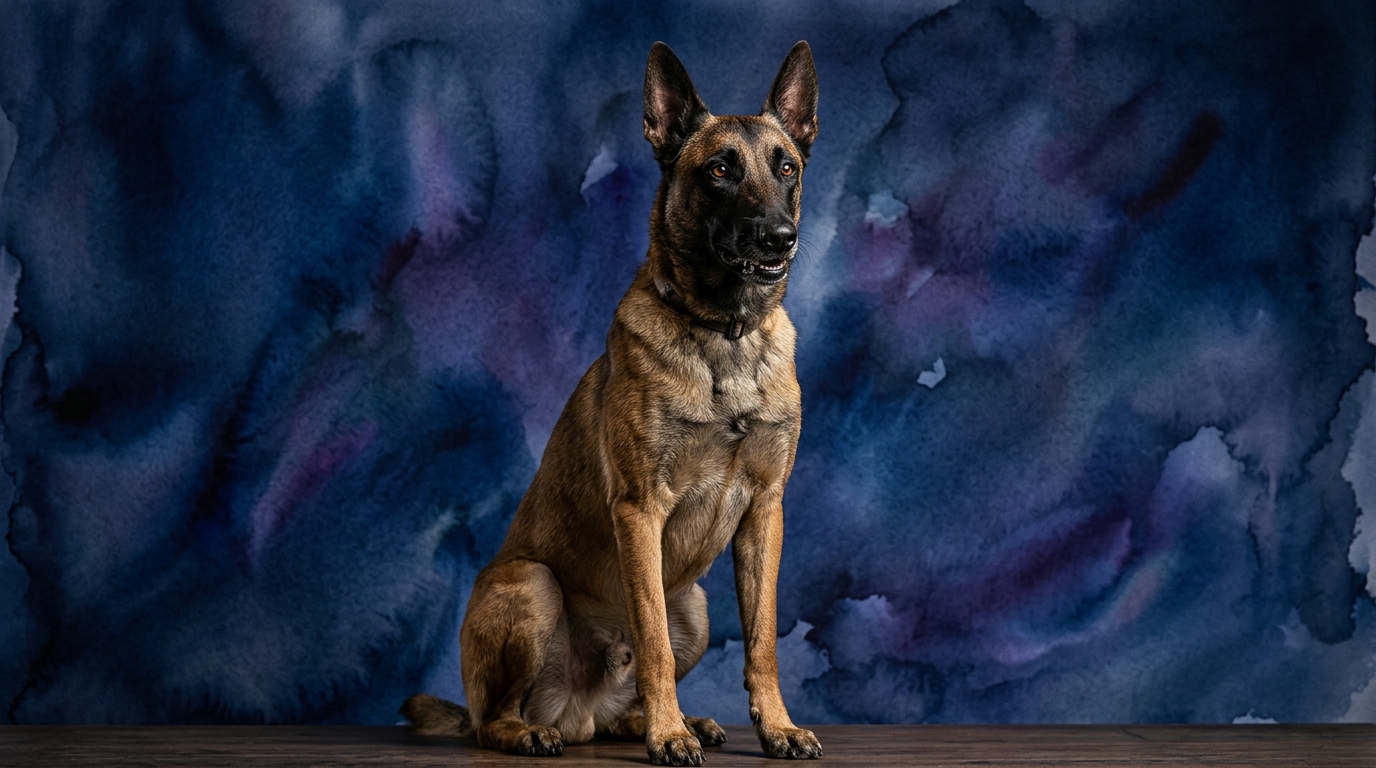
The Cosmic Pet Pet IQ Lab's assessment offers a granular view into the mental faculties of these two breeds, painting a clear picture of their predispositions. The Belgian Malinois, a Herding breed, ranks at Coren #22, reflecting its working heritage. Its problem-solving ability is rated 5/5, indicating an exceptional capacity to analyze complex situations and devise solutions, often independently. Training speed is also a perfect 5/5, meaning these dogs absorb new commands and behaviors with remarkable alacrity. Social intelligence stands at 4/5, showing a strong understanding of handler cues and intentions, though perhaps less nuanced with strangers. An instinctive drive of 5/5 highlights a profound innate urge to work and pursue tasks, while memory, also 5/5, underpins its ability to retain intricate sequences and commands over long periods.
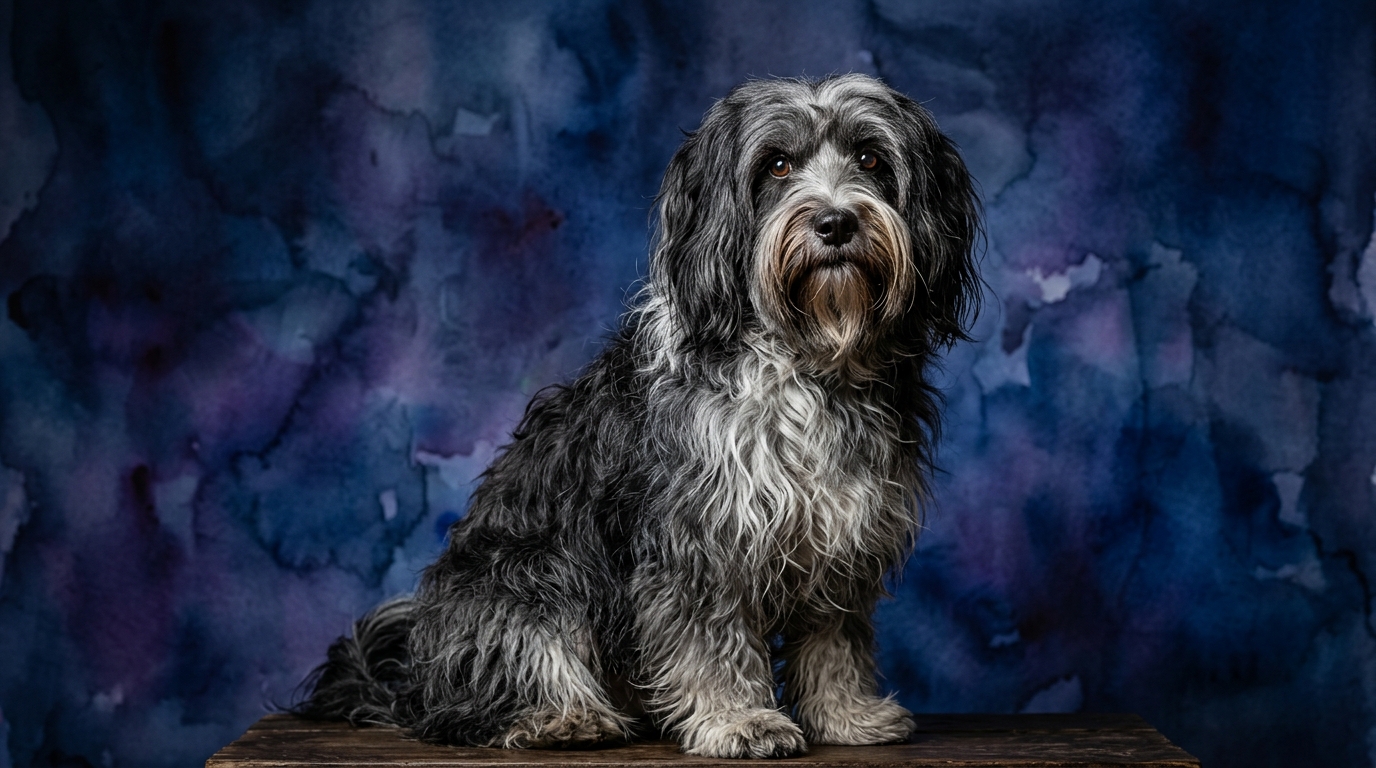
In contrast, the Tibetan Terrier, a Non-Sporting breed, holds Coren rank #63, suggesting a different cognitive emphasis. Its problem-solving score is 3/5, signifying a competent ability to tackle challenges, though perhaps with less spontaneous innovation than its Malinois counterpart, often preferring familiar methods. Training speed is a steady 3/5, meaning they learn, but require more repetition and patience than the rapid Malinois. Social intelligence is also 3/5; they form deep bonds with their chosen family but can be reserved or discerning with others. An instinctive drive of 3/5 suggests a moderate inclination towards task-oriented behaviors, not the relentless focus seen in working breeds. Memory, too, is 3/5, allowing them to remember routines and beloved individuals, but potentially requiring more refreshers for less frequently practiced commands.
Where the Belgian Malinois Excels Cognitively
The Belgian Malinois's cognitive strengths are profoundly tied to its utility as a working dog, particularly in high-stakes environments. Their 5/5 problem-solving capability isn't just about figuring out a puzzle; it's about dynamic, real-time assessment and adaptation. For instance, in scent detection, a Malinois can discern minute odor changes, follow complex trails, and bypass distractions with an unwavering focus that few breeds can match. This isn't rote memorization; it's an active, adaptive intelligence. Their 5/5 training speed means they don't just learn commands quickly, they generalize them across varied contexts with minimal prompting, demonstrating a deep understanding of the underlying concept rather than just a learned response. This rapid acquisition and generalization are critical for roles requiring extensive, precise behavioral repertoires, such as protection work or competitive obedience, where a single error can have significant consequences. Their 5/5 instinctive drive fuels this cognitive prowess, providing the intrinsic motivation to engage deeply and persistently with tasks, turning potential into consistent performance.
Where the Tibetan Terrier Shines Cognitively
While not bred for high-speed obedience or complex work tasks, the Tibetan Terrier's cognitive profile reveals a different kind of mental agility, suited to its historical role as a companion and guardian. Its 3/5 problem-solving might manifest as a thoughtful, observational approach to new situations rather than immediate, forceful action. They often 'think' about a solution, sometimes opting for a clever workaround or simply waiting for human assistance if it serves their purpose, displaying a nuanced understanding of their environment and social dynamics. Their social intelligence, while rated 3/5, is characterized by a discerning nature; they are not indiscriminately friendly but form profound, loyal bonds, demonstrating a deep capacity for reading the emotions and intentions of their inner circle. This isn't about rapid obedience but about selective engagement and a genuine connection. Their moderate instinctive drive means they are less prone to single-minded obsession and more capable of adapting to a varied, less structured daily life, reflecting a cognitive flexibility that allows them to thrive as adaptable companions without constant, intense mental 'work'.
Ease of Training: Behavioral Differences in Action
Training a Belgian Malinois is often described as exhilarating due to their 5/5 training speed and 5/5 memory. They grasp concepts almost immediately, often anticipating the next step in a sequence. However, this ease comes with a caveat: their profound instinctive drive (5/5) means they require constant, engaging mental stimulation to prevent boredom and destructive behaviors. A Malinois not given a 'job' will invent one, which might involve dismantling furniture or herding family members. Their training demands precision, consistency, and a handler who can match their intensity and focus, always staying one step ahead. They thrive on structured routines, complex command chains, and activities that challenge their problem-solving abilities, such as advanced agility or protection sports, where their rapid learning translates into fluid, precise execution.
Conversely, training a Tibetan Terrier, with its 3/5 training speed and 3/5 memory, requires a different approach rooted in patience and positive reinforcement. They learn steadily but may need more repetitions and consistent motivation to solidify commands. Their moderate instinctive drive (3/5) means they aren't driven by an overwhelming urge to please or work, often displaying an independent streak that can be mistaken for stubbornness. This breed responds best to fun, reward-based methods and can become disengaged if training is too repetitive or harsh. Their social intelligence (3/5) means they value the bond with their trainer, and leveraging this connection is key. While they might not execute commands with the lightning speed of a Malinois, a well-trained Tibetan Terrier will perform reliably for an owner they trust and respect, demonstrating their understanding through a thoughtful, rather than instantaneous, response.
Matching Breeds to Lifestyles: Active vs. Relaxed Owners
For owners with an active, dedicated lifestyle, the Belgian Malinois is an unparalleled match. Their intense instinctive drive (5/5) and need for constant mental engagement mean they thrive with individuals or families committed to providing extensive daily exercise, structured training, and a demanding 'job.' This could involve competitive dog sports like Schutzhund, advanced obedience, search and rescue, or even just long, challenging hikes coupled with daily training sessions that push their problem-solving skills. A Malinois will not be content with a few walks around the block; they demand an owner who can consistently channel their immense energy and cognitive capacity into productive activities. Their ideal owner is someone who genuinely enjoys dog training as a serious hobby and is prepared for a lifelong commitment to their dog's physical and mental well-being.
The Tibetan Terrier, on the other hand, suits owners seeking a companion with a more moderate activity level and a thoughtful, engaging personality. While they enjoy walks and playtime, their instinctive drive (3/5) does not demand the same relentless physical and mental exertion as a Malinois. They are adaptable to various living situations, from apartments to homes with yards, provided they receive regular, moderate exercise and consistent companionship. An owner who appreciates an independent spirit, enjoys engaging in shorter, fun training sessions, and values a dog that observes and participates in family life at its own pace would find a strong bond with a Tibetan Terrier. They excel with owners who can provide a stimulating home environment without the pressure of constant high-intensity activity, preferring quality time and shared experiences over rigorous performance demands.
The Verdict: When to Choose Each Breed
The Verdict
Choose a Belgian Malinois if you are an experienced, highly active owner committed to providing a demanding work outlet, extensive training, and structured mental challenges daily. This breed thrives with a 'job' and a handler dedicated to precision and consistency.
Opt for a Tibetan Terrier if you seek a thoughtful, adaptable companion with an independent streak, who enjoys moderate activity and forms deep family bonds. This breed suits owners who appreciate a dog's observational intelligence and can offer patient, positive reinforcement in training.
🧠 Find Your Pet's IQ Score
Our Pet IQ Lab assessment covers 25+ tests across 5 cognitive dimensions — personalized to your breed.
Take the Full IQ Test →Frequently Asked Questions
Can a Belgian Malinois be a good family pet?
Yes, but with significant caveats. A Malinois requires an experienced family committed to its rigorous training and exercise needs; it's not a 'set it and forget it' companion. They can be devoted to their family but need consistent boundaries and mental engagement to prevent unwanted behaviors.
Do Tibetan Terriers bark a lot?
Tibetan Terriers can be vocal, often using their voice to alert their family to new arrivals or unusual sounds, reflecting their historical role as watchdogs. Consistent training from a young age can help manage excessive barking, but they maintain a natural inclination to communicate vocally.
Which breed is better for first-time dog owners?
The Tibetan Terrier is generally a more suitable choice for first-time dog owners due to its more moderate exercise requirements and adaptable nature. The Belgian Malinois, with its intense drive and training demands, is best suited for experienced handlers who understand working dog temperaments.