The Cosmic Pet Pet IQ Lab: Side-by-Side Cognitive Profiles
At The Cosmic Pet Pet IQ Lab, we analyze canine intelligence across five critical dimensions: Problem Solving, Training Speed, Social Intelligence, Instinctive Drive, and Memory. These metrics offer a granular view into a breed's cognitive wiring, moving beyond general perceptions to specific strengths.
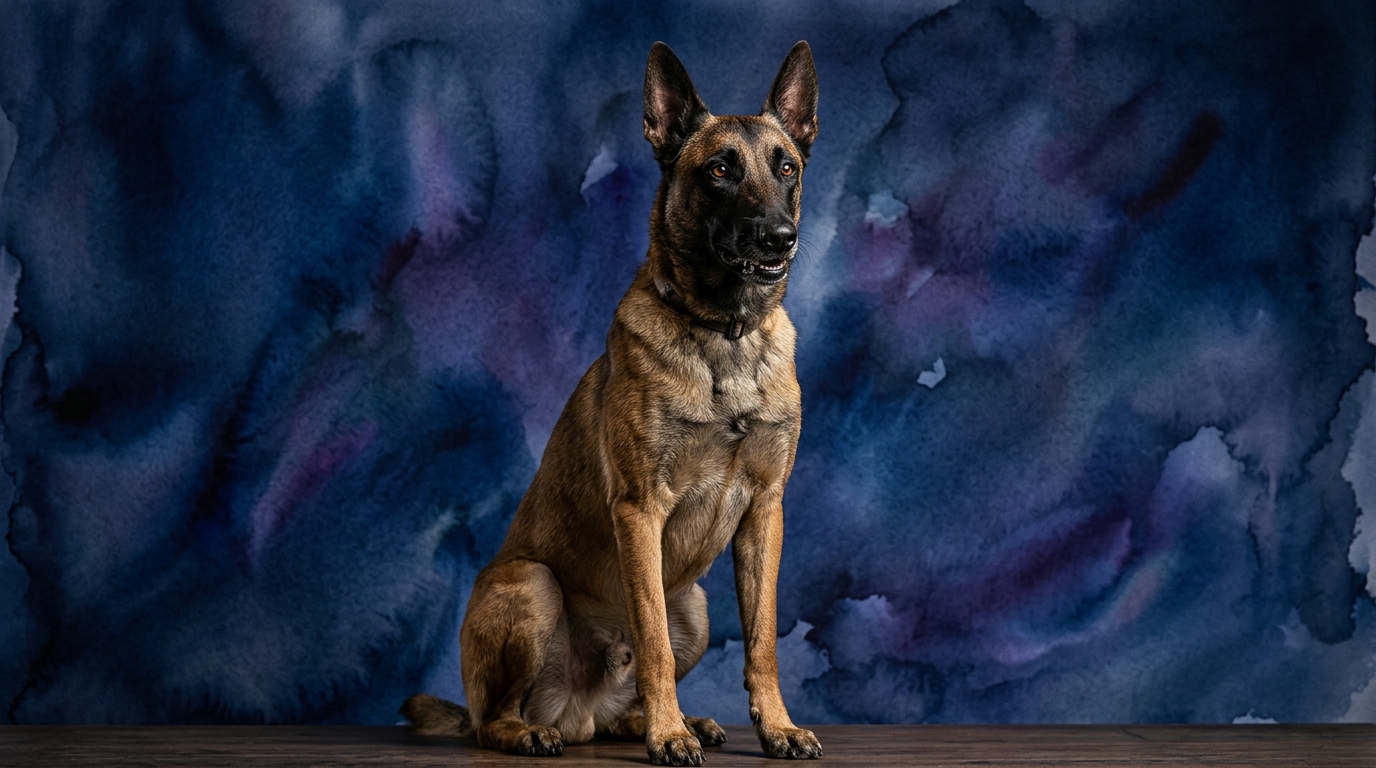
The Belgian Malinois, a Herding breed, ranks at #22 on the Coren intelligence scale. Its profile showcases exceptional aptitude: Problem Solving 5/5, Training Speed 5/5, Social Intelligence 4/5, Instinctive Drive 5/5, and Memory 5/5. This configuration points to a dog built for complex, demanding work, demonstrating a strong capacity for independent thought and rapid skill acquisition.
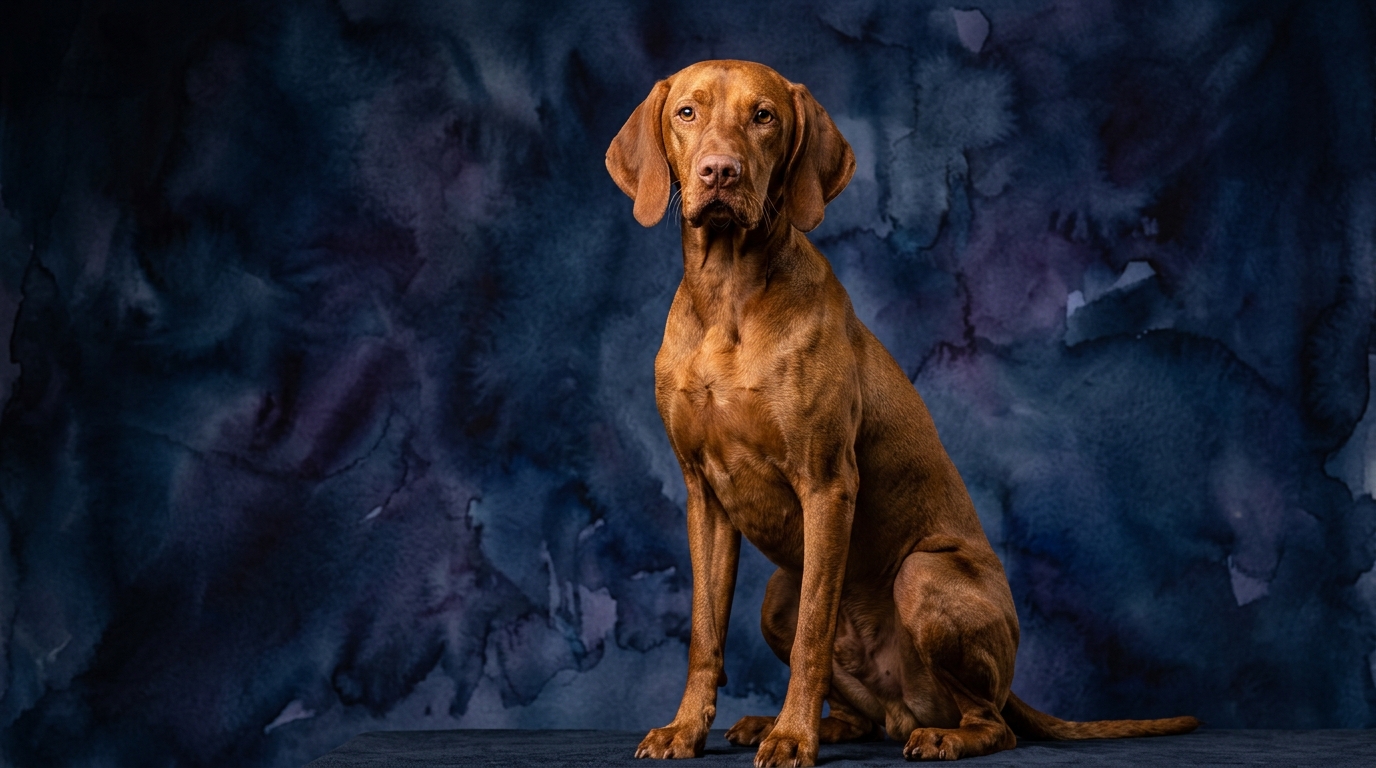
The Vizsla, a Sporting breed, holds the #31 position on the Coren scale. Its cognitive breakdown is equally compelling: Problem Solving 4/5, Training Speed 4/5, Social Intelligence 5/5, Instinctive Drive 5/5, and Memory 4/5. The Vizsla's profile highlights a cooperative, emotionally attuned companion, driven by a deep desire to work alongside its human partners and a profound understanding of social dynamics.
Where the Belgian Malinois Wins Cognitively
The Belgian Malinois demonstrates a clear cognitive advantage in areas demanding independent strategic thought and rapid information processing. Their 5/5 Problem Solving score means they excel at devising solutions to novel challenges without direct human guidance, whether it's navigating complex search and rescue scenarios or figuring out how to bypass an unexpected obstacle during protection work. This isn't just about following commands; it's about processing multiple variables and formulating effective, often self-initiated, strategies under pressure.
Their 5/5 Training Speed is another significant cognitive win. A Malinois often requires only a handful of repetitions to solidify a new command or concept, allowing them to progress through advanced training protocols at an accelerated pace. This efficiency makes them exceptionally well-suited for roles requiring a vast repertoire of precise behaviors, from competitive obedience to specialized K9 duties. Their ability to quickly internalize and execute complex sequences of actions is a testament to their processing speed.
Furthermore, the Malinois's 5/5 Memory score underpins their reliability in high-stakes environments. They retain vast amounts of learned behaviors, intricate routines, and detailed environmental information over extended periods. This long-term retention ensures consistency in their performance, allowing them to recall specific protocols or past experiences accurately, which is critical in dynamic working situations. Their memory isn't just for commands; it's for the entire context and nuanced details of their tasks.
Where the Vizsla Wins Cognitively
The Vizsla shines brightest in the realm of social and cooperative intelligence, an area where they display a unique cognitive architecture. Their 5/5 Social Intelligence score indicates an unparalleled capacity for understanding human cues, anticipating intentions, and forming deep, empathetic bonds. This manifests in their desire to be constantly involved with their families, often mirroring emotions and thriving on collaborative work rooted in their connection with their handler. They are profoundly attuned to the nuances of human interaction, making them exceptional partners.
While both breeds score 5/5 for Instinctive Drive, the Vizsla's drive is inherently collaborative and focused on partnership in the field. Their powerful desire to hunt and retrieve is intrinsically linked to working *with* their human, showcasing a symbiotic relationship. They are keenly aware of their handler's position, commands, and overall strategy while scenting and retrieving, which is a different manifestation of drive compared to the often more independent and protection-oriented focus of a Malinois.
The Vizsla's cooperative nature extends to their problem-solving, which, though rated 4/5, is often approached with a strong inclination to involve their human. They are resourceful and can figure things out, but their preferred method often involves seeking guidance or working alongside their owner, leveraging their social intelligence to achieve goals. This makes them highly responsive to positive, bond-based training and ensures they remain deeply engaged with their human counterparts in all activities.
Which is Easier to Train, and Why?
Determining which breed is 'easier' to train depends heavily on the handler's experience and expectations. The Belgian Malinois, with its 5/5 Training Speed, learns new commands and complex tasks with remarkable swiftness, often requiring minimal repetitions. However, this rapid learning is coupled with a 5/5 Instinctive Drive and 5/5 Problem Solving, meaning they need constant, structured mental engagement and a highly consistent, experienced handler to channel their immense energy and cognitive prowess. If under-stimulated, a Malinois will apply its problem-solving skills to find its own 'job,' which can often be destructive or challenging for an unprepared owner.
The Vizsla, while having a 4/5 Training Speed, is often perceived as 'easier' for a broader range of committed owners due to their exceptional 5/5 Social Intelligence and strong desire to please. They are highly responsive to positive reinforcement and bond-based training, eager to cooperate and deeply motivated by their connection with their handler. Their sensitivity means harsh methods are counterproductive, but their eagerness to work alongside their human makes them highly pliable and less prone to the independent, sometimes challenging, problem-solving behaviors of a bored Malinois. Their intense drive is typically directed *with* the owner, fostering a more harmonious training experience for many.
Which Suits Active Owners vs. Relaxed Owners?
The Belgian Malinois is unequivocally suited for highly active, dedicated, and experienced owners who are prepared for daily, intensive mental and physical work. These dogs require a 'job'—be it protection work, agility, advanced obedience, or competitive sports—to thrive. A relaxed owner would quickly be overwhelmed by their ceaseless energy, profound mental demands, and potential for destructive behaviors if under-exercised or under-stimulated. Their cognitive architecture demands consistent, challenging engagement from their human partner, making them unsuitable for a sedentary lifestyle.
The Vizsla also requires active owners, but with a different emphasis. They need significant daily physical exercise, such as running, swimming, or long hikes, but their mental stimulation often revolves around companionship and shared activities like hunting, scent work, or agility performed with their family. While not suited for truly relaxed owners who prefer minimal engagement, they can adapt to a slightly less rigid routine than a Malinois, provided their profound need for companionship and substantial exercise is consistently met. They are often called 'velcro dogs' because they thrive on being an integral part of their family's every activity, demanding both physical activity and close social interaction.
The Verdict
Choose the Belgian Malinois if you are a highly experienced, assertive owner seeking a relentless working partner for specialized tasks, capable of providing structured, demanding mental and physical engagement daily.
Choose the Vizsla if you are an active, empathetic owner desiring a devoted, intelligent companion for outdoor adventures and family life, who appreciates a dog deeply attuned to human connection.
🧠 Find Your Pet's IQ Score
Our Pet IQ Lab assessment covers 25+ tests across 5 cognitive dimensions — personalized to your breed.
Take the Full IQ Test →Frequently Asked Questions
Are Belgian Malinois good family dogs?
Malinois can integrate into families, but their intense drive and need for a job mean they require significant management. They typically bond strongly with one person and need consistent boundaries, making them best suited for experienced families who understand their working dog nature and can provide constant engagement.
Do Vizslas need a lot of exercise?
Yes, Vizslas are high-energy sporting dogs that require substantial daily exercise, including vigorous activities like running, hiking, or swimming. Without adequate physical and mental outlets, coupled with close human interaction, they can become restless or destructive, thriving on active engagement with their owners.
Which breed is better for a first-time dog owner?
Neither breed is ideal for a first-time dog owner due to their significant exercise needs, intense drives, and specific training requirements. However, a Vizsla might be marginally more manageable for a committed novice due to their strong desire to please and social nature, provided they are fully prepared for the energy levels and dedication required.