Side-by-Side Cognitive Profiles: A Deep Dive
The Cosmic Pet Pet IQ Lab assesses canine cognition across five critical dimensions: problem solving, training speed, social intelligence, instinctive drive, and memory. This framework allows us to dissect the unique mental strengths of each breed, moving beyond general perceptions to specific cognitive aptitudes. Comparing the Belgian Malinois, a Coren-ranked herding breed, with the unranked but equally fascinating Welsh Terrier, reveals distinct mental approaches.
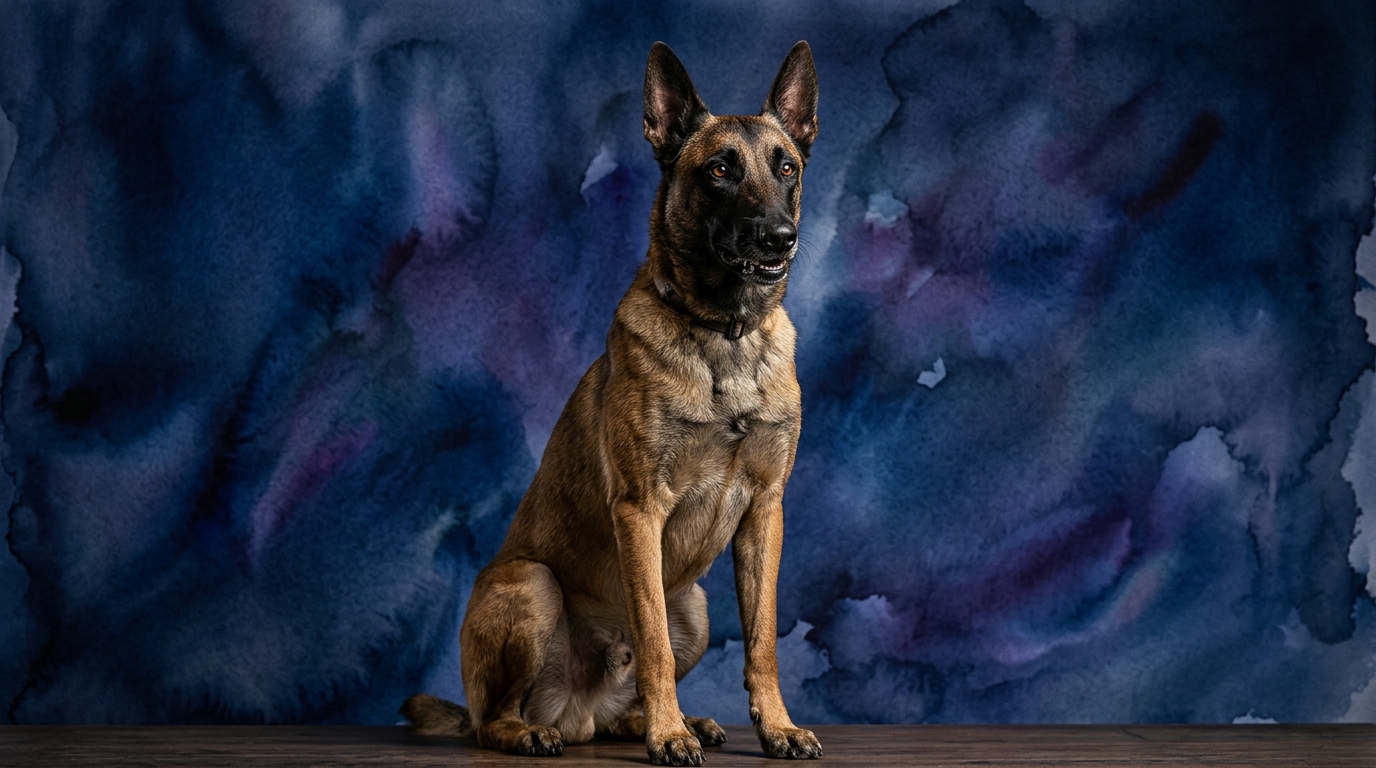
The Belgian Malinois presents a formidable cognitive profile: a perfect 5/5 in problem solving, training speed, instinctive drive, and memory, alongside a strong 4/5 in social intelligence. This breed demonstrates an exceptional capacity for intricate thought, rapidly grasping and executing complex sequences, and remembering detailed information. Their instinctive drive is profoundly channeled into purposeful tasks, making them highly responsive to directed work. While socially aware, their primary focus often remains on task completion and handler directives.
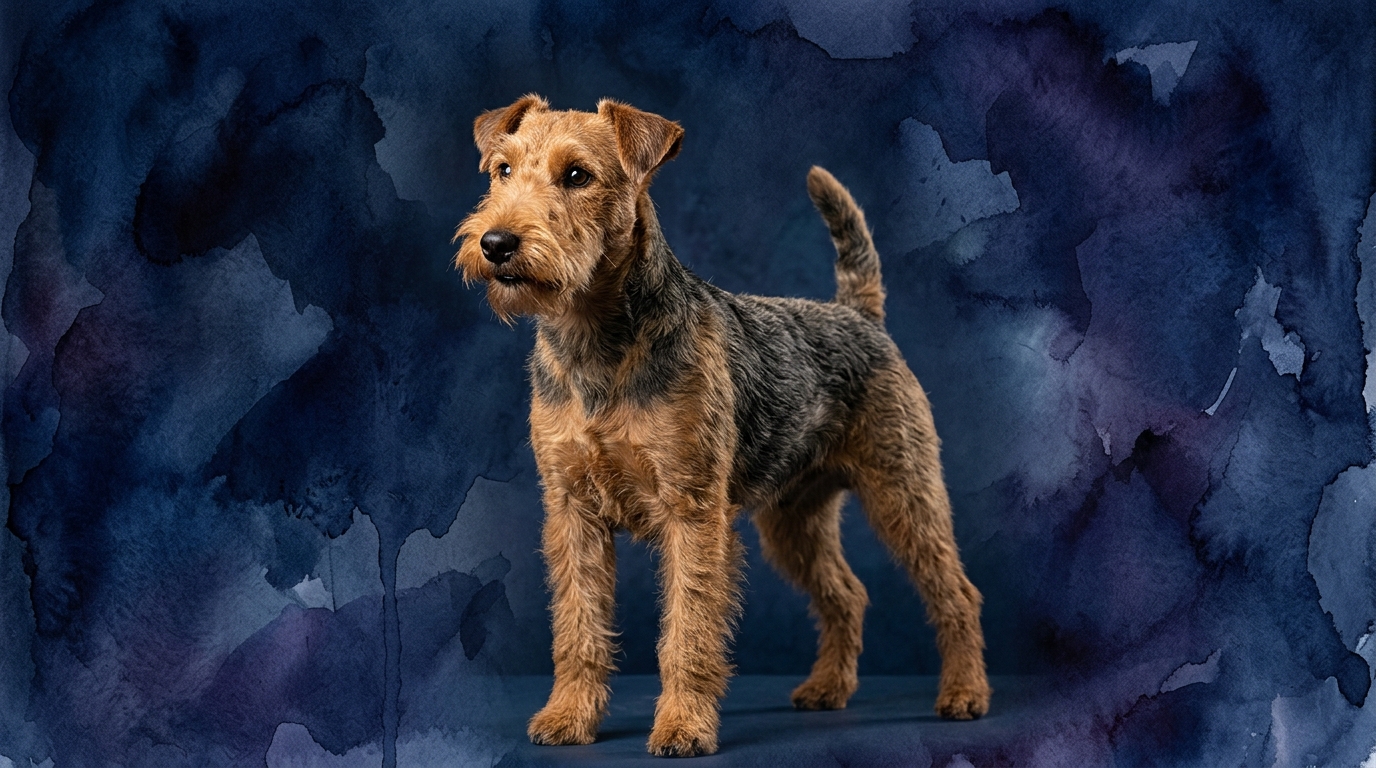
In contrast, the Welsh Terrier consistently scores 3/5 across all five cognitive dimensions. This indicates a different, rather than lesser, set of mental strengths. Their problem-solving is often characterized by independent thought and persistent, sometimes unconventional, approaches. Training requires more engagement and consistency, reflecting their self-reliant nature. Their social intelligence allows for connection but is filtered through an independent lens, while their instinctive drive is focused on specific, tenacious terrier behaviors. Their memory, while functional for routines, might not retain complex, multi-step commands with the same precision as a Malinois over time without reinforcement.
Where the Belgian Malinois Excels Cognitively
The Belgian Malinois's cognitive superiority is most evident in scenarios demanding rapid learning, precise execution, and sustained focus on complex objectives. Their 5/5 problem-solving ability allows them to quickly analyze novel situations and devise effective strategies, whether it's navigating an intricate agility course or performing detection work that requires sequential deductions. This isn't just about speed; it's about the depth of their cognitive processing.
Their 5/5 training speed means they internalize new commands and behaviors with remarkable efficiency, often requiring fewer repetitions than other breeds. This rapid acquisition of knowledge, coupled with their 5/5 memory, enables them to build a vast repertoire of skills and recall them accurately, even under pressure. Furthermore, their 5/5 instinctive drive is a powerful cognitive engine, fueling an unwavering dedication to tasks and a relentless pursuit of goals, making them unparalleled partners in high-stakes working environments where consistency and drive are paramount.
Where the Welsh Terrier Shines Cognitively
While the Welsh Terrier's 3/5 scores might suggest a simpler cognitive makeup, they actually highlight a specialized and robust intelligence geared towards self-sufficiency. Their problem-solving, though not always efficient by human standards, reflects a tenacious independence. A Welshie might take longer to figure out a puzzle, but their persistence is notable, often using creative, trial-and-error methods to achieve their own objectives, like finding a way to reach a forbidden treat or outsmarting a gate.
Their 3/5 instinctive drive, while lower than the Malinois', is intensely focused on specific terrier traits: digging, chasing, and barking at perceived prey. This isn't a lack of drive, but a targeted cognitive strength for their original purpose as vermin hunters, requiring independent decision-making without constant human direction. Their social intelligence, too, is characterized by a confident self-assurance; they understand human cues but often weigh them against their own strong will, leading to a charmingly independent demeanor that many owners find appealing.
Ease of Training: A Tale of Two Mentalities
The ease of training starkly differentiates these two breeds, primarily due to their intrinsic cognitive motivations and processing speeds. The Belgian Malinois, with its 5/5 training speed, 5/5 memory, and high instinctive drive, is exceptionally receptive to instruction. They possess an innate desire to engage with their handler and complete tasks, viewing training as a fulfilling outlet for their mental and physical energy. This translates to rapid command acquisition, high reliability in obedience, and a strong drive for precision, making them a trainer's dream for complex routines and competitive events.
The Welsh Terrier, conversely, requires a different approach to training, influenced by its 3/5 training speed and independent streak. While capable of learning, their problem-solving often involves figuring out how to get their own way, and their instinctive drive for chasing or digging can easily divert their focus. Training a Welshie demands patience, consistency, and engaging methods that make learning feel like a fun challenge, rather than a chore. They respond best to positive reinforcement and clear boundaries, but their independent nature means they may choose to comply based on their assessment of the situation, rather than immediate eagerness to please, making 'selective hearing' a common, albeit charming, trait.
Matching Owners: Active Pursuits vs. Companionable Spirit
The choice between a Belgian Malinois and a Welsh Terrier hinges significantly on an owner's lifestyle and experience. The Belgian Malinois demands an owner who is not only active but also committed to providing extensive mental stimulation and structured engagement. Their high problem-solving, training speed, and instinctive drive mean they require a 'job'—be it competitive dog sports like agility or Schutzhund, or even professional working roles. An inactive owner will quickly find their Malinois becoming bored, frustrated, and potentially destructive, as their powerful cognitive engines seek their own, often undesirable, outlets.
The Welsh Terrier, with its balanced 3/5 cognitive scores, suits owners who appreciate an independent, spirited companion without the intense demands of a working breed. While they require regular exercise and mental engagement through walks, playtime, and puzzle toys, they don't necessitate the same level of structured 'work' as a Malinois. They thrive in family environments where they are included in daily activities, and their confident, tenacious personality makes them engaging companions for owners who enjoy a dog with a distinct character and are prepared for a moderate level of activity and consistent, positive training.
The Cosmic Pet Pet IQ Lab's Verdict
The Verdict
Opt for the Belgian Malinois if you are an experienced owner seeking a dedicated partner for advanced training, dog sports, or professional work, capable of intricate problem-solving and rapid learning.
Select the Welsh Terrier if you appreciate an independent, spirited companion with a charming personality, willing to engage in moderate activities and offering a unique, tenacious approach to life.
🧠 Find Your Pet's IQ Score
Our Pet IQ Lab assessment covers 25+ tests across 5 cognitive dimensions — personalized to your breed.
Take the Full IQ Test →Frequently Asked Questions
Does a lower IQ score mean a dog isn't trainable?
Absolutely not. The Cosmic Pet Pet IQ Lab scores reflect specific cognitive strengths and learning styles, not overall capacity for learning. A Welsh Terrier, for example, might require more creative training methods and patience but is certainly capable of learning commands and routines.
Are Belgian Malinois good family pets?
With their high drive and need for mental engagement, Belgian Malinois can be excellent family pets for very active, experienced families who can provide consistent training, socialization, and a substantial outlet for their energy. They are often protective and form strong bonds, but require significant management.
What are common behavioral challenges for Welsh Terriers?
Welsh Terriers may exhibit behaviors stemming from their independent nature and terrier instincts, such as selective hearing during training, digging, chasing small animals, or being vocal. Consistent training, early socialization, and appropriate outlets for their instincts are key to managing these traits.