Side-by-Side IQ Profile: Groenendael vs. Chessie
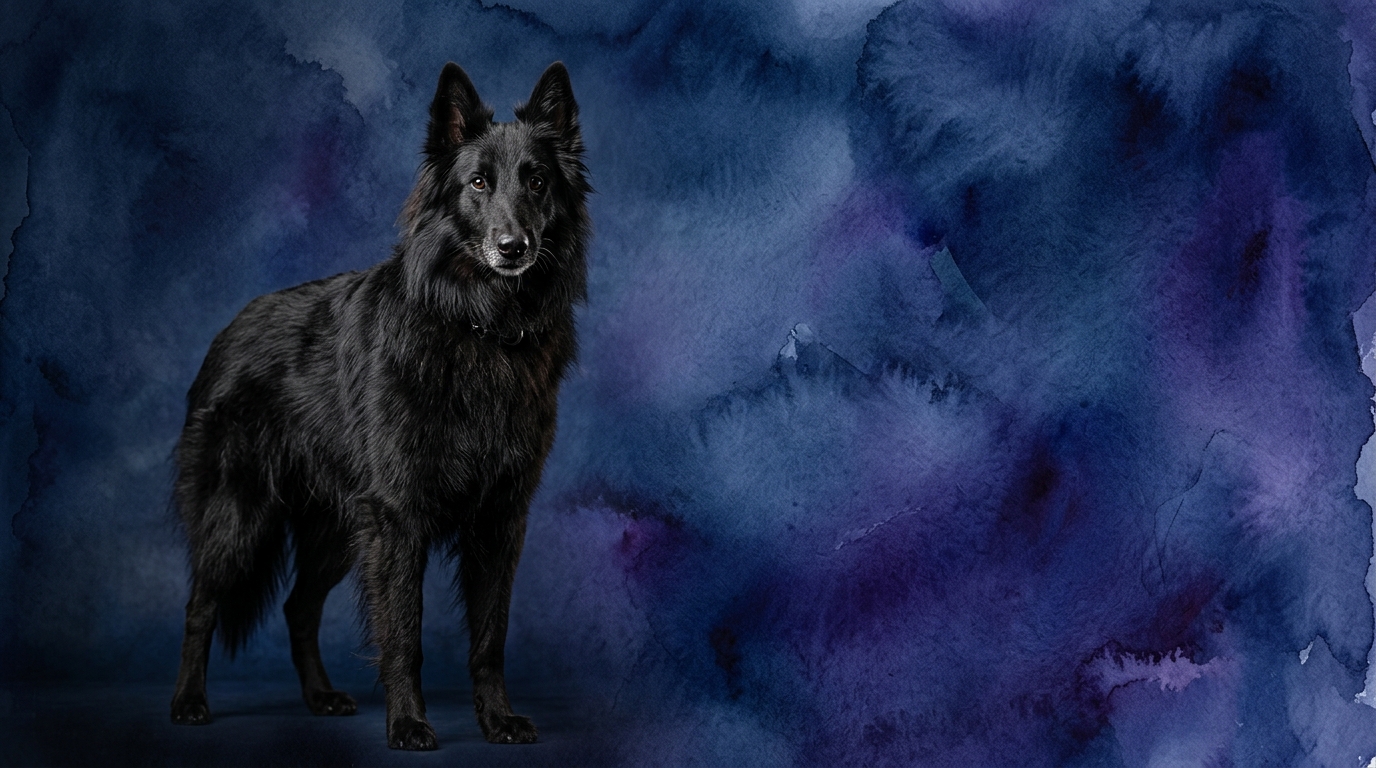
The Cosmic Pet Pet IQ Lab employs a multi-dimensional approach to assess canine cognition, moving beyond simple obedience to reveal a breed's true mental landscape. For the Belgian Sheepdog (Groenendael), recognized at Coren rank #15, their profile paints a picture of exceptional mental agility. Their Problem Solving is rated 5/5, indicating an outstanding capacity to navigate novel situations and formulate effective strategies. A Training Speed of 5/5 highlights their rapid assimilation of new commands and routines, often requiring minimal repetition. Social Intelligence stands at 3/5, suggesting a discerning nature, forming deep bonds with their family while maintaining a reserved demeanor with strangers. An Instinctive Drive of 3/5 reflects a purposeful inclination towards their heritage tasks like herding and guarding, channeled effectively when given direction. Finally, a Memory score of 5/5 underscores their ability to retain complex sequences and experiences over time, contributing significantly to their training prowess.
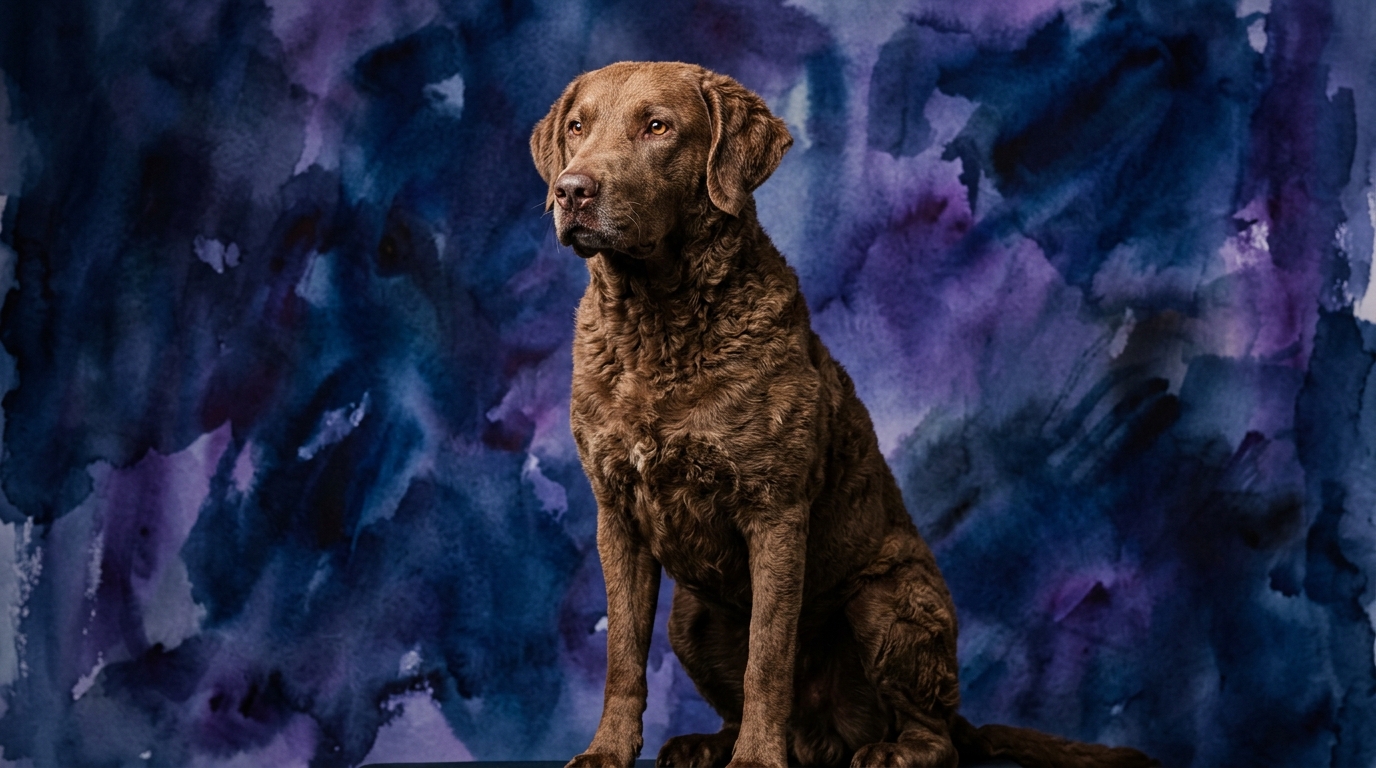
In contrast, the Chesapeake Bay Retriever, positioned at Coren rank #27, demonstrates a robust and practical intelligence geared towards their demanding sporting role. Their Problem Solving is rated 4/5, indicating a strong capability to overcome obstacles and find solutions within practical, often outdoor, contexts. A Training Speed of 4/5 means they learn efficiently, though they might require a slightly different approach or more consistent reinforcement than their Belgian counterpart. Their Social Intelligence, also 3/5, mirrors the Groenendael's selective sociability, prioritizing their immediate family unit. An Instinctive Drive of 3/5 speaks to their unwavering dedication to retrieving and water work, a powerful internal motivation. Their Memory score of 4/5 signifies a solid ability to recall learned tasks, locations, and previous experiences, essential for consistent performance in the field.
Where the Belgian Sheepdog (Groenendael) Excels Cognitively
The Groenendael's cognitive strengths shine particularly in areas demanding mental fluidity and rapid adaptation. Their superior Problem Solving (5/5 vs. 4/5) is not merely about puzzles; it reflects an innate capacity for strategic thinking in dynamic environments. Imagine a herding dog needing to anticipate livestock movement, block escape routes, and respond to a handler's subtle cues simultaneously—this requires a highly integrated cognitive process of analysis, decision-making, and execution. This breed processes information quickly, making them adept at tasks requiring independent thought and flexible responses, whether in advanced obedience, protection work, or complex agility courses.
Furthermore, the Groenendael's exceptional Training Speed (5/5 vs. 4/5) combined with their perfect Memory (5/5 vs. 4/5) positions them as remarkably facile learners. They don't just pick up commands; they internalize concepts and sequences with impressive speed, often needing fewer repetitions to achieve mastery. This allows for the rapid layering of complex behaviors, making them exceptional candidates for roles where intricate routines or nuanced communication with a handler are paramount. Their ability to recall extensive chains of commands and subtle environmental cues means lessons are rarely forgotten, leading to a consistently high level of performance and responsiveness.
Where the Chesapeake Bay Retriever Excels Cognitively
While the Chesapeake Bay Retriever may not match the Groenendael's top scores in all categories, their cognitive profile reveals a distinct and equally valuable set of strengths, particularly in their unwavering focus and robust persistence. Their Problem Solving at 4/5, coupled with their Instinctive Drive at 3/5, translates into an exceptional ability to complete specific, often challenging, tasks with resolute determination. Consider a Chessie retrieving a duck from icy water, navigating dense reeds, or breaking through ice; this requires not just finding a solution, but sustaining effort and focus against environmental adversity, a testament to their practical, task-oriented intelligence.
The Chessie's cognitive excellence is deeply rooted in their original purpose: being a resilient, self-reliant retriever. Their memory (4/5) and problem-solving skills are applied with immense purpose, allowing them to remember complex retrieves, scent trails, and environmental hazards with remarkable accuracy. This breed exhibits a cognitive resilience, where their independence, sometimes perceived as stubbornness in training, becomes a strength in the field. They are capable of making sound, autonomous decisions when a task demands it, demonstrating a focused, unwavering commitment to their objective that sets them apart.
Training Dynamics: Responsiveness vs. Resilience
Comparing the training experiences with these two breeds highlights a difference in their intrinsic motivation and learning styles. The Belgian Sheepdog (Groenendael), with a Training Speed of 5/5 and Memory of 5/5, generally presents a more straightforward training journey for owners. They are typically eager to engage with their handler, absorb new information rapidly, and possess a strong desire to perform correctly. Their mental agility allows them to grasp complex concepts quickly, making them excellent candidates for advanced obedience, canine sports like agility orschutzhund, and intricate trick training where precision and quick learning are essential. They thrive on mental stimulation that involves working closely with their human partner.
The Chesapeake Bay Retriever, with a Training Speed of 4/5 and Memory of 4/5, is certainly capable of learning but often requires a more patient, consistent, and creative approach. Their strong will and independence mean they might not be as inherently pliable or quick to offer desired behaviors without clear, compelling motivation. While they form deep bonds, their focus can be more task-oriented than handler-oriented, meaning they respond best to training that makes sense to them and appeals to their working drive. Owners should expect to invest more time in consistent reinforcement and varied training methods to keep the Chessie engaged, channeling their resilience and persistence into productive learning rather than allowing it to manifest as stubbornness.
Matching Owners: Active Lifestyle vs. Dedicated Partnership
Both the Belgian Sheepdog (Groenendael) and the Chesapeake Bay Retriever are working breeds that demand significant physical and mental engagement, making neither suitable for truly relaxed or sedentary owners. The Groenendael thrives with active owners who are prepared to provide consistent mental stimulation through training, dog sports, and engaging 'jobs.' Their high problem-solving and training speed mean their minds need to be challenged regularly to prevent boredom, which can lead to undesirable behaviors. They flourish in a partnership where their owner is deeply involved in their daily mental and physical exercise, appreciating a dog that is always ready to learn and work.
The Chesapeake Bay Retriever also requires a highly active lifestyle, particularly one that caters to their robust physical endurance and strong retrieving drive. Owners who enjoy outdoor activities like hiking, swimming, hunting, or long runs will find a willing companion in the Chessie. While they need mental engagement, it often manifests through purposeful activities related to their working heritage, rather than intricate mental puzzles. They suit owners who appreciate a dog's independent spirit and resilience, and who are willing to provide ample opportunities for their Chessie to expend energy and fulfill their innate drive in a structured, purposeful manner. Neither breed is content with being merely a backyard ornament; both require integration into an active, dedicated family life.
The Verdict
Choose the Belgian Sheepdog (Groenendael) if you seek a highly responsive, mentally agile partner for advanced obedience, dog sports, or a demanding working role that thrives on intricate training and a deep, communicative bond.
Opt for the Chesapeake Bay Retriever if you desire a resilient, focused, and independent working companion for outdoor adventures, retrieving, or a dog that excels at sustained, purposeful tasks in varied environments, valuing their unwavering dedication and sturdy constitution.
🧠 Find Your Pet's IQ Score
Our Pet IQ Lab assessment covers 25+ tests across 5 cognitive dimensions — personalized to your breed.
Take the Full IQ Test →Frequently Asked Questions
Which breed is better for first-time dog owners?
Neither breed is typically recommended for first-time dog owners due to their strong working drives and specific cognitive needs. Both require experienced handlers who understand how to channel their problem-solving skills and instinctive drives into constructive activities, preventing boredom and potential behavioral challenges.
Do these breeds get along with other pets and children?
With a social intelligence rating of 3/5 for both, they can coexist well with other pets and children, especially when raised together and properly socialized. However, their discerning nature means they might be reserved with strangers and require supervision to ensure respectful interactions, prioritizing their immediate family group over general friendliness.
What kind of 'job' does each breed need to be fulfilled?
The Groenendael benefits from jobs that engage their problem-solving and training speed, such as advanced obedience, agility, herding, or protection work, thriving on mental challenge and partnership. The Chessie finds fulfillment in tasks aligned with their instinctive drive, like retrieving, water work, hunting, or long, purposeful outdoor excursions that utilize their endurance and focus.