Side-by-Side IQ Profile: Groenendael vs. German Pinscher
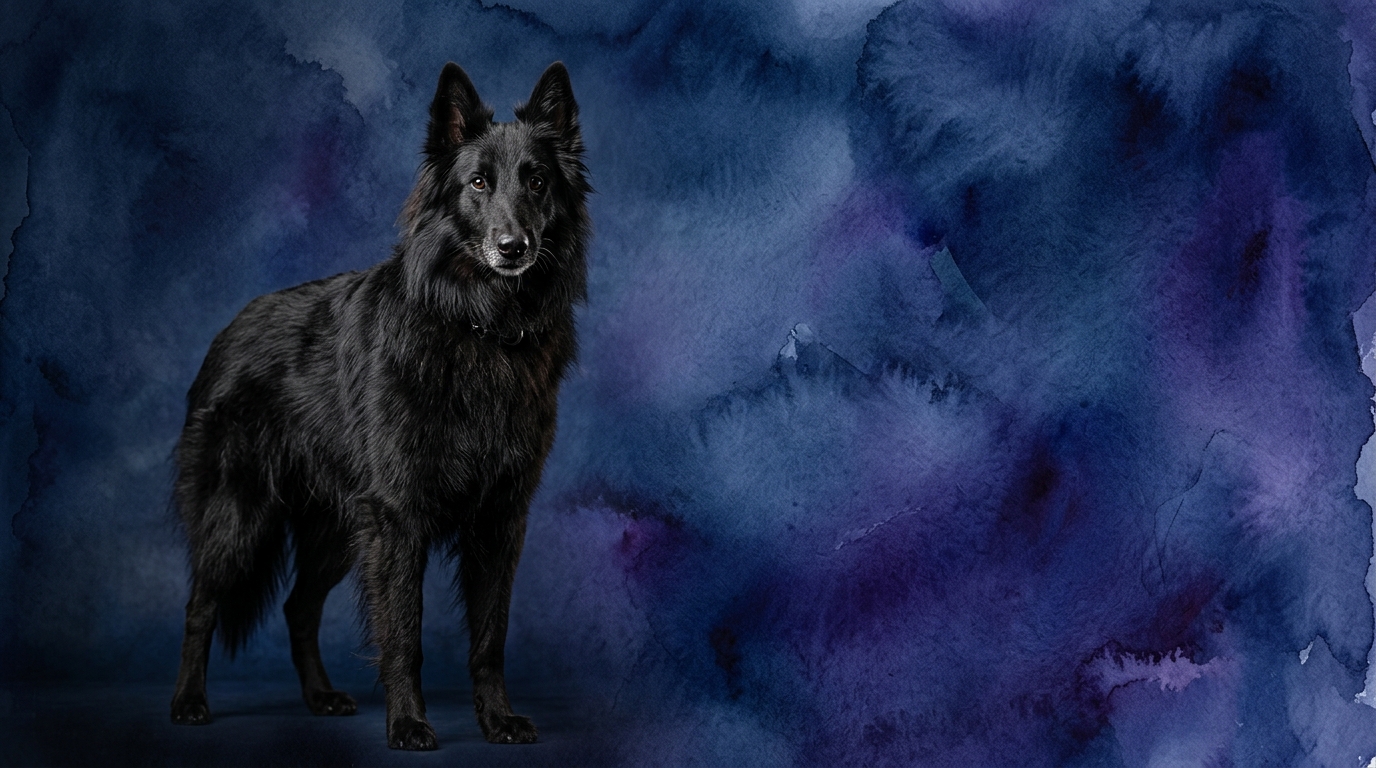
The Cosmic Pet Pet IQ Lab employs a five-dimensional framework to map a breed's cognitive landscape. For the Belgian Sheepdog (Groenendael), a Herding group member, we observe a Coren rank of #15, indicating a swift capacity for learning and obedience. Their Problem Solving is rated 5/5, suggesting a profound ability to strategize and overcome obstacles. Training Speed also stands at 5/5, reflecting rapid acquisition of new commands and routines. Social Intelligence is 3/5, indicating an average capacity to interpret and respond to social cues, while Instinctive Drive is likewise 3/5, denoting a moderate inherent urge for tasks like herding. Their Memory is exceptional at 5/5, allowing for extensive recall of learned behaviors and experiences.
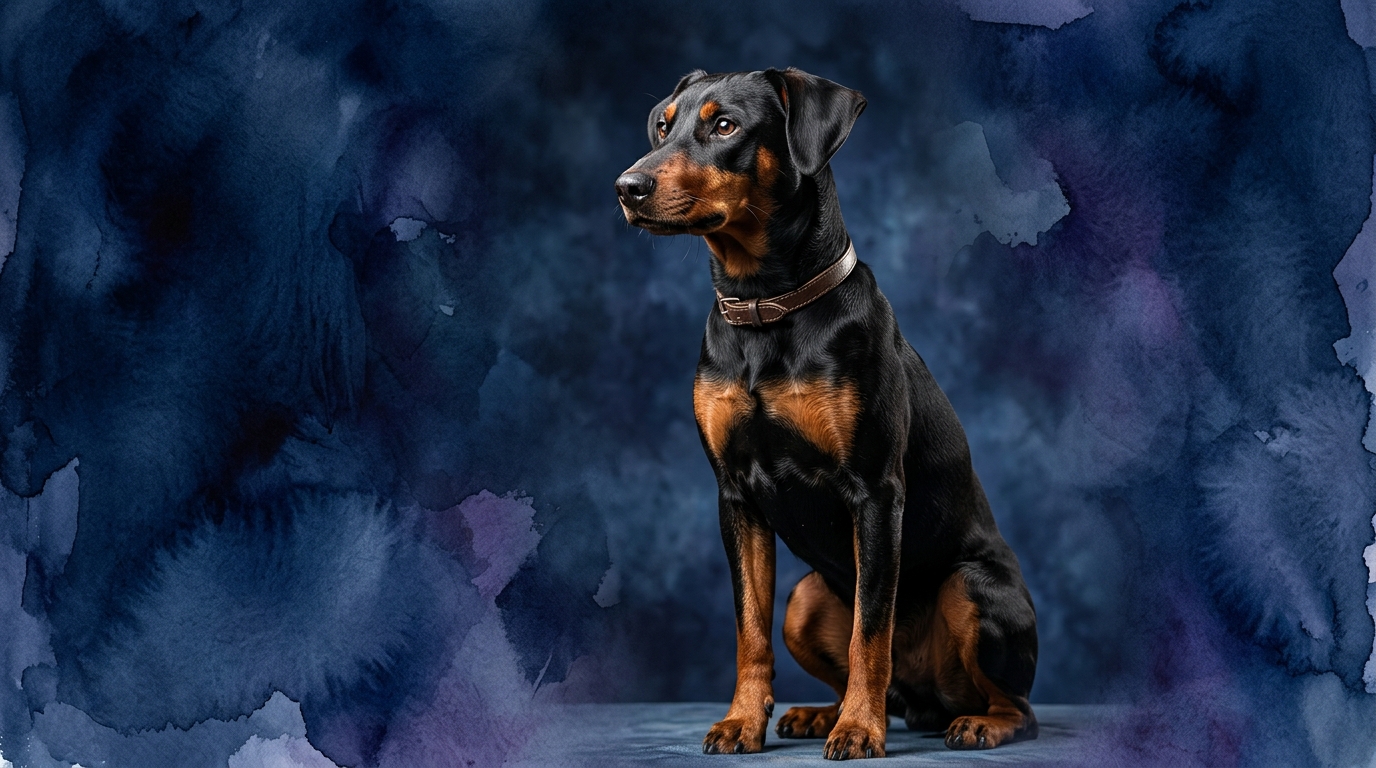
In contrast, the German Pinscher, a member of the Working group, is not Coren-ranked but presents a balanced, moderate cognitive profile across all dimensions. Their Problem Solving is 3/5, meaning they can tackle challenges but might favor established solutions over novel ones. Training Speed is 3/5, indicating a steady, rather than rapid, learning pace that benefits from consistent reinforcement. Social Intelligence is 3/5, similar to the Groenendael, suggesting a practical understanding of social interactions. Their Instinctive Drive is also 3/5, pointing to a moderate internal motivation for tasks, often related to their historical role as vermin controllers. Finally, their Memory is 3/5, suggesting they retain information adequately but may require more frequent refreshers for complex sequences compared to a breed with a 5/5 score.
Where the Belgian Sheepdog (Groenendael) Wins Cognitively
The Groenendael's cognitive architecture shines brightest in areas demanding advanced mental processing. Their 5/5 Problem Solving capacity means they aren't just following commands; they are actively engaging with their environment, assessing situations, and formulating solutions. This is evident in their success in complex dog sports like agility, obedience, and protection work, where they must interpret dynamic courses or scenarios and execute multi-step plans. Coupled with their 5/5 Training Speed, they absorb new information with remarkable efficiency, often requiring fewer repetitions to master a skill. This rapid learning curve means owners can progress quickly through training levels, tackling intricate behaviors sooner. Furthermore, their 5/5 Memory is a profound advantage, allowing them to recall vast repertoires of commands, routines, and even specific environmental cues over long periods. This superior recall means less reteaching and a more reliable execution of learned tasks, making them exceptional partners for intricate, long-term engagements. For an owner seeking a canine companion capable of deep collaboration and intellectual partnership, the Groenendael's profile offers unparalleled depth.
Where the German Pinscher Wins Cognitively
While the German Pinscher's cognitive scores are consistently moderate at 3/5, this balanced profile can be a significant advantage in specific contexts, representing a different kind of cognitive strength. Their 3/5 Problem Solving, for instance, suggests a practical, direct approach to challenges rather than an analytical, strategic one. They are capable of learning and applying solutions, but perhaps without the intense intellectual drive to constantly innovate or overthink. This can translate to a less demanding mental presence for owners who prefer a dog that is competent and capable without constantly seeking complex mental stimulation. Similarly, their 3/5 Instinctive Drive, while indicating a working heritage, suggests a moderation that might make them less prone to intense fixations on tasks compared to a high-drive herding breed. This means their inherent drives, such as prey drive from their vermin control background, are present but often more manageable and less overwhelming in a typical household environment. Their moderate Social Intelligence and Memory also contribute to a dog that is adaptable and responsive without needing constant, intricate social negotiation or extensive mental upkeep of complex routines. For owners seeking a dog with a solid, reliable, and independent cognitive foundation, one that is capable but not constantly seeking the next intellectual puzzle, the German Pinscher's balanced profile offers a distinct appeal.
Which is Easier to Train and Why
When it comes to ease of training, the data strongly favors the Belgian Sheepdog (Groenendael). Their 5/5 Training Speed means they grasp new concepts and commands with exceptional rapidity, often picking up new cues in just a few repetitions. This is bolstered by their 5/5 Problem Solving, allowing them to understand the *why* behind a command, rather than just rote memorization, and to generalize learned behaviors to new situations. For instance, if taught "sit" in the kitchen, they will likely understand "sit" in the park without extensive re-training. Their 5/5 Memory further solidifies this advantage, ensuring that once a behavior is learned, it is retained for extended periods, reducing the need for constant refreshers. Real behavioral differences include the Groenendael's tendency to anticipate handler cues and string commands together into complex sequences, making them prime candidates for advanced obedience, rally, and protection sports.
The German Pinscher, with a 3/5 Training Speed, requires a different approach. While certainly trainable, they will likely need more consistent repetition and patience to solidify new behaviors. Their 3/5 Problem Solving suggests they may benefit from breaking down complex tasks into smaller, more manageable steps, and they might not generalize commands as readily across diverse environments. For example, teaching "stay" in a quiet room might not immediately translate to "stay" amidst park distractions without specific training in that context. Their 3/5 Memory means owners should expect to reinforce learned behaviors regularly to maintain proficiency. Real behavioral differences include their tendency towards independent thought, which, while not stubbornness, means they might require more convincing and consistent positive reinforcement to comply, especially if a command conflicts with a perceived self-interest. Training a German Pinscher is rewarding, but it demands more methodical dedication and a longer-term perspective from the owner.
Which Suits Active Owners vs. Relaxed Owners
The Belgian Sheepdog (Groenendael) is unequivocally suited for active owners who relish deep engagement and have the capacity to meet significant cognitive demands. Their 5/5 Problem Solving and Memory, combined with a 5/5 Training Speed, mean they thrive on constant mental stimulation, complex training regimens, and opportunities to apply their intellect. These are not dogs content with merely a daily walk; they need a "job," whether it's advanced obedience, agility, herding trials, or even intricate puzzle toys that challenge their strategic thinking. An owner who is enthusiastic about dog sports, enjoys teaching complex tricks, or requires a working partner will find the Groenendael an exceptional match. Their moderate 3/5 Instinctive Drive still means they possess a strong desire for purpose, though it's tempered compared to some other herding breeds.
Conversely, the German Pinscher, while still an active breed requiring regular physical exercise, aligns better with owners who might be described as "moderately active" or "active but not intensely driven by competitive dog sports." Their consistent 3/5 across all cognitive dimensions suggests they are capable and engaged, but perhaps without the relentless intellectual hunger of a Groenendael. They enjoy walks, playtime, and learning foundational obedience, but might not demand the same level of intricate problem-solving or rapid-fire training sessions to remain content. Their 3/5 Instinctive Drive means they are motivated and responsive but less likely to become frustrated or destructive if not constantly engaged in high-level intellectual tasks. This makes them a good fit for owners who enjoy regular interaction and training but prefer a companion that is equally content to relax by their side after a good walk, rather than constantly seeking the next mental challenge.
The Verdict
Choose the Belgian Sheepdog (Groenendael) if you are an experienced, active owner seeking a highly trainable, intellectually sharp partner for advanced dog sports, complex tasks, or a working role.
Opt for the German Pinscher if you appreciate a balanced, capable, and moderately independent companion who enjoys consistent engagement and training but doesn't demand the same intense level of cognitive challenge as a Groenendael.
🧠 Find Your Pet's IQ Score
Our Pet IQ Lab assessment covers 25+ tests across 5 cognitive dimensions — personalized to your breed.
Take the Full IQ Test →Frequently Asked Questions
Do Belgian Sheepdogs (Groenendaels) require a lot of mental stimulation?
Yes, with 5/5 scores in Problem Solving, Training Speed, and Memory, Groenendaels require significant mental stimulation to prevent boredom and destructive behaviors. They thrive on learning new commands, engaging in puzzle toys, and participating in dog sports that challenge their intellect.
Is the German Pinscher a good choice for a first-time dog owner?
The German Pinscher's moderate cognitive profile (3/5 across all dimensions) means they are trainable but require consistency and patience. While not as demanding as a Groenendael, their independent streak and moderate drive might still present challenges for a novice owner without a firm commitment to training.
How do their social intelligence scores (3/5 for both) impact their interaction with families?
A 3/5 social intelligence score for both breeds suggests they are capable of understanding and responding to human social cues adequately, making them suitable family companions. While not as innately "people-focused" as some breeds with higher scores, they can form strong bonds and learn appropriate social behaviors within a family setting with proper socialization.