
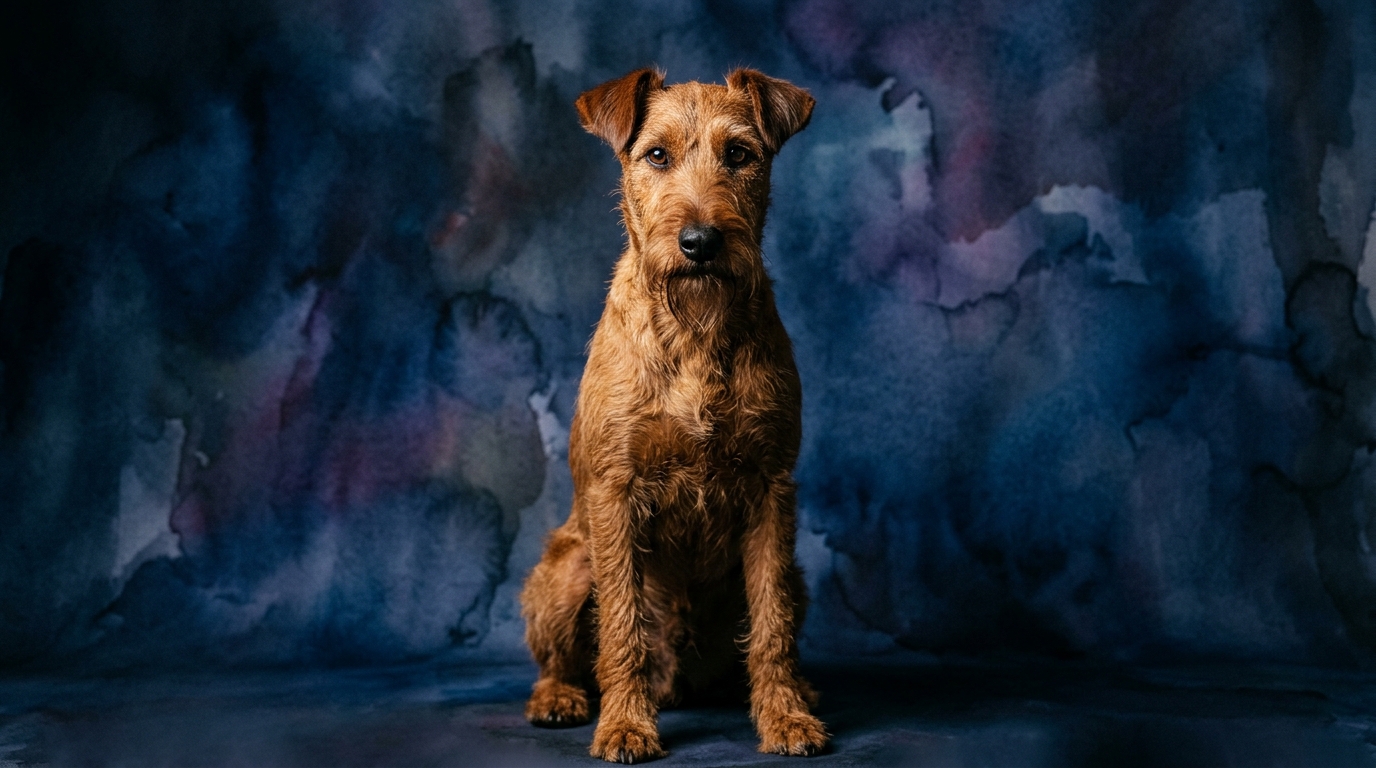
Side-by-Side IQ Profile
**IQ Profile: Belgian Sheepdog (Groenendael)**
**Problem Solving (5/5):** This breed excels at navigating complex situations, often requiring multi-step solutions or strategic thinking, directly linked to their herding demands for dynamic assessment and adaptation.
**Training Speed (5/5):** Groenendaels grasp new commands and routines with remarkable swiftness, needing minimal repetitions due to their eagerness to engage and inherent work ethic.
**Social Intelligence (3/5):** They possess moderate social intelligence, understanding human cues and forming strong bonds with primary caregivers, though often reserved with strangers and not overly people-pleasing.
**Instinctive Drive (3/5):** Their drives are present but manageable, rooted in herding and protective instincts, providing vigilance and a desire to control, which fuels their working capabilities when channeled.
**Memory (5/5):** Groenendaels exhibit outstanding memory, retaining vast arrays of commands, complex sequences, and experiences with remarkable recall, underpinning their reliability in learned tasks.
**IQ Profile: Irish Terrier**
**Problem Solving (3/5):** The Irish Terrier approaches problems with a practical, direct mindset, favoring persistence and independent action over intricate planning, reflecting their historical role in tenacious vermin hunting.
**Training Speed (3/5):** While capable, Irish Terriers require more patience and consistency in training, needing more repetitions and high-value motivation due to their independent streak.
**Social Intelligence (3/5):** Similar to the Groenendael, they show moderate social intelligence, connecting well with family and interpreting intentions, but their independence means they aren't driven by an overwhelming need to please.
**Instinctive Drive (3/5):** Their drives are robust and central to their identity, primarily a strong prey drive and tenacious spirit, powerful motivators for their breed-specific tasks requiring management.
**Memory (3/5):** Irish Terriers possess functional memory, retaining commands and routines, though perhaps not with the same depth or recall speed as higher-scoring breeds, benefiting from consistent reinforcement.
Where the Belgian Sheepdog (Groenendael) Wins Cognitively
The Groenendael's cognitive strengths shine in areas demanding intricate thought and rapid learning, directly reflecting their 5/5 scores in problem-solving, training speed, and memory. Their ability to quickly analyze, formulate multi-step responses, and execute flawlessly is a hallmark. For instance, in advanced obedience, they learn complex routines with minimal repetitions, retaining behaviors over long periods and generalizing them to new contexts. This capacity for strategic thinking allows adaptation to unforeseen variables in dynamic tasks like herding, showcasing deep cognitive flexibility.
Where the Irish Terrier Wins Cognitively
While the Irish Terrier's scores are moderate, their cognitive profile is tailored to their historical role, emphasizing tenacity and independent decision-making. Their 3/5 in problem-solving indicates a practical, persistent approach, excelling at overcoming obstacles with unwavering determination rather than waiting for human guidance. This independence allows them to work effectively without constant supervision, making quick, on-the-spot judgments. Their mental fortitude enables them to push through distraction to achieve a goal, a strength vital for their original purpose as vermin hunters.
Which is Easier to Train and Why
The Belgian Sheepdog (Groenendael) is considerably easier to train due to stellar 5/5 scores in training speed and memory. Groenendaels possess an innate eagerness to please and a strong desire to work collaboratively, grasping new commands swiftly and retaining them effectively. This allows rapid progression in obedience and dog sports. Their behavioral predisposition towards seeking direction and structured activities makes them highly responsive to positive reinforcement. The Irish Terrier, with 3/5 scores, presents a different challenge. Their independent nature and terrier grit require more patience, creativity, and understanding of their motivations. They may need more repetitions, and their focus can wander if training isn't engaging or lacks immediate reward. Their tenacity can manifest as stubbornness, necessitating high-value rewards and dynamic, game-like sessions to maintain interest and channel their natural drives effectively.
Which Suits Active Owners vs. Owners Seeking Different Kinds of Engagement
Both breeds demand active owners, but the *nature* of engagement differs significantly. The Groenendael, with its high cognitive scores, thrives with owners providing consistent, structured mental stimulation alongside physical exercise. They need a "job" – advanced obedience, agility, tracking – to satisfy their intellect. Owners who enjoy teaching complex tasks and participating in dog sports will find them incredibly rewarding, as they are deeply engaged, collaborative partners. A "relaxed" owner unable to provide this level of mental and physical engagement would likely face behavioral issues. The Irish Terrier also needs active owners, but their activity often leans towards independent exploration, physical exertion, and challenging their tenacity. While they appreciate walks, their problem-solving and training speed suggest less suitability for purely repetitive, complex obedience unless presented creatively. Owners enjoying long hikes, secure off-leash adventures, or activities like earthdog trials will connect well. They offer a spirited, independent companionship for outdoor enthusiasts, though a "relaxed" owner might struggle with their strong drives and need for outlets.
The Verdict
You are an experienced owner seeking a highly trainable, deeply engaged partner for advanced dog sports, protection work, or demanding roles, prepared to provide consistent, complex mental stimulation and physical activity.
You appreciate an independent, spirited companion with robust determination, are prepared for creative and patient training approaches, and enjoy a dog with a tenacious zest for outdoor adventures and independent problem-solving.
🧠 Find Your Pet's IQ Score
Our Pet IQ Lab assessment covers 25+ tests across 5 cognitive dimensions — personalized to your breed.
Take the Full IQ Test →Frequently Asked Questions
Is the Groenendael suitable for a first-time dog owner?
While trainable, the Groenendael's high cognitive needs and strong drives mean they thrive with experienced owners who understand how to channel their energy and intellect effectively. A first-time owner might find their intensity challenging without proper guidance and commitment.
Do Irish Terriers get along with other pets?
Irish Terriers can coexist with other pets, especially if raised with them from a young age, but their strong prey drive (instinctive drive 3/5) means introductions to smaller animals should be managed carefully. Their interactions with other dogs can be assertive due to their independent nature and confidence.
How much exercise does each breed need?
Both breeds require significant daily exercise. The Groenendael needs vigorous physical activity combined with mental challenges like obedience or agility, while the Irish Terrier benefits from robust outdoor play, long walks, and opportunities to explore, channeling their independent energy and drives effectively.