
Side-by-Side IQ Profile
The Cosmic Pet Pet IQ Lab provides a detailed lens through which to examine the cognitive makeup of these two breeds, revealing notable differences in their intellectual architecture. The Belgian Sheepdog (Groenendael), a distinguished member of the Herding group, boasts a Coren rank of #15, immediately signaling a breed engineered for complex tasks and close partnership. Its IQ profile is exceptional: Problem Solving at 5/5, Training Speed at 5/5, and Memory also at 5/5. These top scores indicate an animal capable of intricate thought, rapid acquisition of new behaviors, and excellent retention of learned information and sequences. Its Social Intelligence stands at 3/5, suggesting a capacity for appropriate interaction but perhaps a more reserved or focused demeanor compared to some highly gregarious breeds, while its Instinctive Drive is also 3/5, meaning it possesses inherent drives consistent with its working heritage but not to an overwhelming or uncontrollable degree.
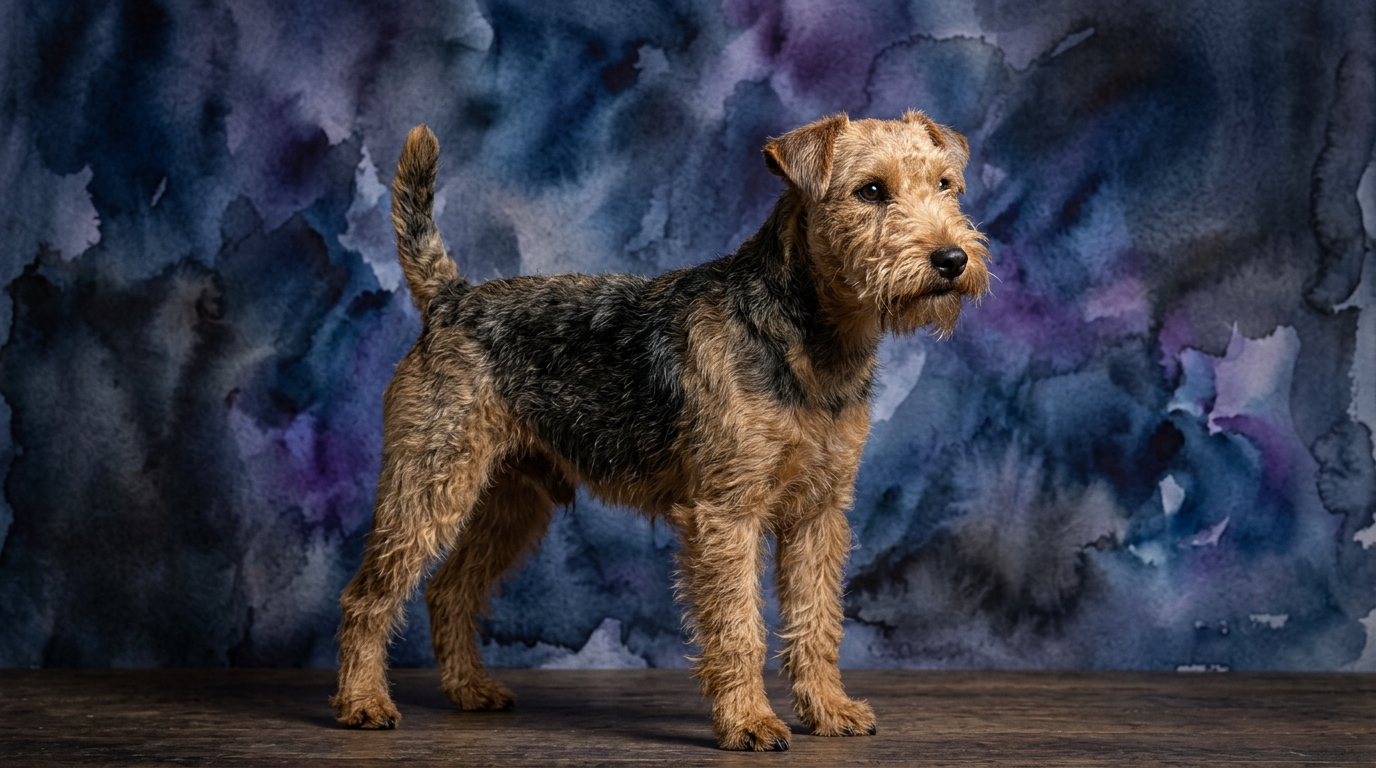
In contrast, the Lakeland Terrier, from the tenacious Terrier group, does not appear on Coren's ranking, which often reflects a different kind of working intelligence—one less focused on handler cooperation and more on independent action. Its IQ scores uniformly sit at 3/5 across all five dimensions: Problem Solving, Training Speed, Social Intelligence, Instinctive Drive, and Memory. This consistent mid-range scoring suggests a capable, adaptable intellect that can learn, solve problems, and interact, but perhaps without the rapid mastery or intricate cognitive depth seen in the Groenendael. A 3/5 in Problem Solving indicates they can navigate challenges but might employ more direct, persistent approaches rather than complex, multi-step solutions. A 3/5 in Training Speed and Memory means they are trainable and retain information, but likely require more repetition and patience than their Herding counterpart. Their 3/5 Social Intelligence and Instinctive Drive reflect a balanced terrier temperament, capable of engagement but also possessing a strong, independent spirit and purpose-driven instincts that define the terrier character.
Where Belgian Sheepdog (Groenendael) Wins Cognitively
The Groenendael’s cognitive superiority is most evident in its exceptional Problem Solving, Training Speed, and Memory, all scoring a perfect 5/5. This breed excels at dissecting and understanding complex situations, a trait honed by generations of precise herding work that demanded strategic thinking and quick adjustments to dynamic flock movements. Their remarkable aptitude for learning means they grasp new commands, concepts, and routines with impressive speed, often requiring minimal repetitions. Furthermore, their 5/5 Memory ensures that once a lesson is learned or a sequence understood, it is retained long-term, making them highly reliable in performing intricate tasks or remembering extensive command repertoires. This cognitive profile makes them particularly adept at advanced obedience, agility, and other dog sports where precision, sequential understanding, and rapid execution are paramount. Their Coren rank of #15 directly reflects this profound capacity for task-oriented intelligence and a strong desire to engage with complex instruction.
Where Lakeland Terrier Wins Cognitively
While the Lakeland Terrier’s uniform 3/5 scores might seem modest next to the Groenendael’s peaks, these scores represent a functional and highly adaptive cognitive profile suited to its original purpose. The Lakeland’s strength lies in its balanced, self-reliant intellect, particularly its Instinctive Drive and Problem Solving, which, at 3/5, are perfectly aligned with its heritage as a fearless hunter of vermin in challenging terrain. Their problem-solving often manifests as persistent, independent action, finding direct solutions to obstacles rather than waiting for human direction. This "wins" not in terms of complex obedience, but in terms of self-sufficiency and resourcefulness in situations requiring individual initiative. Their 3/5 Social Intelligence, while not effusive, suggests a discerning nature, capable of forming strong bonds but retaining a certain terrier independence, which can be seen as a cognitive advantage in situations where an overly eager-to-please dog might be distracted. Their cognitive "win" is in their tenacity and ability to operate effectively without constant human oversight, demonstrating a focused determination to achieve their own objectives.
Which is Easier to Train and Why
The Belgian Sheepdog (Groenendael) is unequivocally easier to train, especially for complex tasks and obedience, primarily due to its 5/5 scores in Training Speed and Memory. Groenendaels possess an innate eagerness to learn and work cooperatively with their handlers, a hallmark of their herding lineage. They absorb new commands rapidly, connect actions to consequences swiftly, and retain a vast array of learned behaviors over time. Their exceptional memory allows for the mastery of long sequences of commands, making them outstanding candidates for advanced dog sports like competitive obedience, Schutzhund, or intricate agility courses. For instance, teaching a multi-step retrieve or a complex heel pattern will likely be a smooth and rewarding process with a Groenendael, as they quickly understand and remember the required actions.
In contrast, the Lakeland Terrier, with its 3/5 in Training Speed and Memory, presents a different training journey. While certainly trainable, their terrier independence and strong instinctive drive (also 3/5) mean that training requires more patience, consistency, and creative motivation. Lakelands are less inclined to perform purely for the sake of pleasing their handler and are more driven by what interests them or aligns with their inherent instincts, such as chasing, digging, or exploring. For example, teaching a reliable recall might be more challenging with a Lakeland because their focus might be intensely fixed on a scent or a perceived quarry, requiring significant reinforcement and environmental management. They will learn and remember, but the process may involve more repetition and ingenuity from the trainer to keep them engaged and to override their strong, independent terrier will.
Which Suits Active Owners vs Relaxed Owners
The Belgian Sheepdog (Groenendael) is distinctly suited for active owners who are prepared to engage with a highly capable and demanding canine partner. Their 5/5 Problem Solving and Memory, coupled with their Herding group classification, mean they thrive on consistent mental stimulation, advanced training, and vigorous physical exercise. An owner who enjoys dog sports, extensive hiking, or who is committed to ongoing training beyond basic obedience will find a rewarding companion in a Groenendael. They require structured activities that challenge their intellect and expend their energy, otherwise, their considerable cognitive power and drive can manifest as boredom or destructive behaviors. They are not a match for relaxed owners seeking a low-maintenance companion, as their need for purpose and engagement is profound.
The Lakeland Terrier, while possessing a more moderate cognitive profile (all 3/5 scores), is also best suited for active owners, albeit perhaps a different *type* of active owner. Their terrier heritage imbues them with a zest for life, a need for exploration, and a strong, independent spirit. They require regular exercise to satisfy their physical drive and consistent engagement to manage their tenacious instincts. An owner who enjoys daily walks, interactive play, and perhaps some earthdog trials or casual agility will find a Lakeland a delightful, spirited companion. They are not as intensely demanding of *complex* mental work as the Groenendael, but their energy and curiosity still necessitate an owner who can provide consistent activity and firm, fair guidance. A relaxed owner might struggle with a Lakeland's independent streak and potential for mischief if not adequately stimulated or trained, as their cognitive needs, while moderate, are still significant for their breed type.
The Verdict
Choose the Belgian Sheepdog (Groenendael) if you are an experienced, active owner seeking a highly biddable, intellectually profound partner for advanced training, dog sports, or a demanding working role, and are prepared to dedicate significant time to their mental and physical enrichment.
Choose the Lakeland Terrier if you appreciate an independent, spirited, and tenacious companion, are an active owner who enjoys consistent engagement and can provide firm, patient training to channel their distinctive terrier drive and moderate cognitive abilities into a well-adjusted family member.
🧠 Find Your Pet's IQ Score
Our Pet IQ Lab assessment covers 25+ tests across 5 cognitive dimensions — personalized to your breed.
Take the Full IQ Test →Frequently Asked Questions
Does the Coren rank indicate overall "smartness"?
The Coren rank primarily measures a dog's capacity for obedience and working intelligence, specifically how quickly they learn and respond to commands. It reflects a particular type of cognitive strength, but doesn't encompass all forms of canine intelligence, such as independent problem-solving or social nuance.
Can a Lakeland Terrier excel in dog sports despite lower training scores?
Yes, a Lakeland Terrier can certainly excel in dog sports, particularly those that align with their natural drives like earthdog trials or agility, but it may require more consistent, patient, and creative training methods than with a breed scoring 5/5 in Training Speed. Their tenacity and drive, even at 3/5, can be a great asset when properly channeled.
How do "Social Intelligence" scores affect family life?
A 3/5 Social Intelligence score, common to both breeds here, indicates a dog capable of forming strong bonds and interacting appropriately with its family, but it might suggest a more reserved approach to strangers or a less overtly gregarious personality than breeds with higher scores. It means they are generally well-adjusted socially but might not be the "everyone's friend" type.