
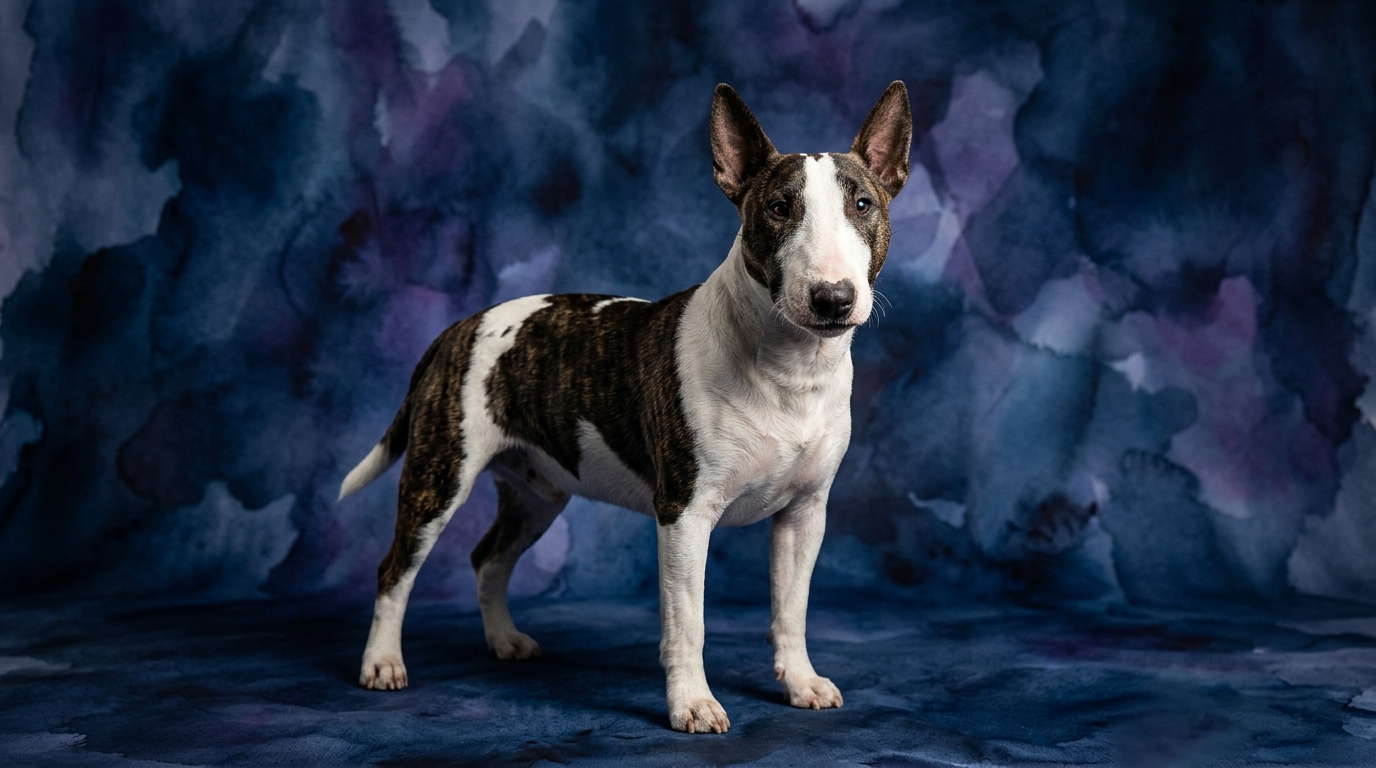
Side-by-Side IQ Profile: Groenendael vs. Miniature Bull Terrier
The Cosmic Pet Pet IQ Lab provides a unique framework to understand canine intelligence across five critical dimensions. Let's delve into how the Belgian Sheepdog (Groenendael) and the Miniature Bull Terrier measure up in these distinct cognitive areas.
**Belgian Sheepdog (Groenendael):** This breed, ranked #15 by Coren, demonstrates a formidable intellectual capacity.
**Problem Solving (5/5):** Groenendaels exhibit exceptional capacity for analytical thought and finding solutions to complex tasks, reflecting their heritage in managing livestock and performing intricate duties. Their minds are wired to assess novel situations, strategize multi-step plans, and execute them with precision, making them adept at navigating challenges independently, such as figuring out how to open a gate or solve a puzzle toy.
**Training Speed (5/5):** Groenendaels absorb new commands and routines with remarkable swiftness, often requiring only a few repetitions to grasp a concept and perform it reliably. Their intense focus, eagerness to learn, and strong desire to work alongside their human companions contribute to this rapid assimilation of information, allowing for quick progression in various disciplines.
**Social Intelligence (3/5):** While capable of forming deep, unwavering bonds with their primary family, their social acumen outside this inner circle is more reserved and discerning. They tend to be watchful of strangers and other animals, requiring careful, consistent socialization from an early age to ensure polite and confident interactions rather than an automatic openness to broad social engagement.
**Instinctive Drive (3/5):** Their herding background imbues them with a moderate yet persistent drive to control movement and maintain order, which can manifest as a desire to "herd" family members, chase moving objects, or exhibit vigilance. This drive provides a strong foundation for structured activities like herding trials or agility but requires appropriate outlets to prevent misdirected behaviors.
**Memory (5/5):** Groenendaels possess an outstanding ability to recall learned behaviors, complex command sequences, and past experiences over extended periods. This robust and enduring memory aids significantly in advanced training, allowing them to build an extensive repertoire of skills and perform intricate routines even after long breaks.
**Miniature Bull Terrier:** This Terrier breed, while not Coren-ranked, presents a unique cognitive profile.
**Problem Solving (3/5):** Miniature Bull Terriers approach problems with a characteristic blend of tenacity and independent thought, often employing a trial-and-error method rather than systematic analysis. While they are certainly capable of figuring things out, their solutions might be less direct or efficient compared to breeds engineered for complex, multi-layered tasks, valuing determined effort over intricate planning.
**Training Speed (3/5):** This breed learns at a moderate pace, typically requiring more patience, consistent repetition, and engaging motivation than some other breeds. Their independent streak means they might weigh the immediate reward against the perceived effort, taking a bit longer to commit new commands to memory, though they are certainly capable learners with the right approach.
**Social Intelligence (3/5):** Miniature Bull Terriers can be quite charming, clownish, and affectionate within their chosen family unit, but their social intelligence outside this circle is typically average, sometimes exhibiting selectivity. They can be discerning about their canine companions and require structured, positive introductions to new people and pets to ensure harmonious and confident interactions.
**Instinctive Drive (3/5):** Rooted in their terrier lineage, they possess a moderate prey drive and a spirited inclination to explore, dig, and engage actively with their environment. This drive fuels their playful antics and adventurous spirit, making them engaging companions, but usually remains within manageable bounds with appropriate mental and physical outlets.
**Memory (3/5):** Their memory for commands, routines, and past experiences is solid and reliable, though perhaps not as expansive or immediate as breeds with a 5/5 score. They retain information effectively with consistent reinforcement and practice, building a dependable foundation of learned behaviors over time.
Where the Belgian Sheepdog (Groenendael) Wins Cognitively
The Groenendael's cognitive supremacy is most vividly demonstrated in its exceptional problem-solving capabilities and unparalleled training speed, both rated 5/5. Their heritage as working herding dogs means they are inherently predisposed to complex analytical thought, quickly processing environmental cues, anticipating outcomes, and adapting their behavior to achieve desired objectives. This allows them to master intricate tasks, such as navigating complex agility courses or performing multi-stage obedience routines, with remarkable efficiency and precision. Furthermore, their perfect memory score (5/5) amplifies this advantage, enabling them to build an extensive and enduring repertoire of skills, making them formidable competitors in demanding dog sports and valuable partners in service roles where sustained learning and recall are crucial.
Where the Miniature Bull Terrier Wins Cognitively
While the Miniature Bull Terrier might not possess the Groenendael's sheer cognitive speed, its unique cognitive strengths lie in a distinctive blend of tenacious problem-solving and an independent spirit, particularly when faced with challenges requiring persistent effort. Their "3/5" in problem-solving often manifests as a dogged determination to achieve their goals, even if their methods are less conventional or involve more trial-and-error. This breed excels in situations where an owner appreciates a dog with a spirited, sometimes comical, approach to life and a strong sense of self, rather than one solely focused on pleasing. Their moderate instinctive drive provides a playful, adventurous energy that can be channeled into engaging activities appealing to their robust and individualistic nature.
Training Dynamics: A Tale of Two Temperaments
The Belgian Sheepdog (Groenendael) is distinctly easier to train due to its unparalleled training speed (5/5) and memory (5/5). They possess an inherent desire to collaborate and understand human directives, quickly connecting actions with consequences. For instance, teaching a Groenendael a multi-step retrieve or a complex agility sequence typically requires fewer repetitions and less frustration because they grasp patterns rapidly and retain them flawlessly. Conversely, the Miniature Bull Terrier, with a 3/5 in training speed and memory, requires more patience and creative motivation. Their independent nature means they might question the purpose of a command or offer alternative, often comical, interpretations if not engaged with consistent, positive reinforcement. Teaching a Mini Bull Terrier a new trick might involve more playful cajoling and breaking down steps into smaller, highly rewarding increments, acknowledging their spirited, sometimes stubborn, streak.
Lifestyle Match: Active Engagement vs. Spirited Companionship
The Belgian Sheepdog (Groenendael) is an ideal match for active owners who thrive on engaging in structured activities and intellectual challenges with their canine companion. Their profound problem-solving abilities and high training speed mean they flourish when given jobs to do, whether it's competitive obedience, agility, herding trials, or even search and rescue. A relaxed owner might find their intensity and need for mental stimulation overwhelming, potentially leading to boredom-driven behaviors. The Miniature Bull Terrier, while certainly energetic and playful, can suit a wider range of owners, including those who are active but also appreciate periods of relaxed companionship. Their moderate instinctive drive and problem-solving suggest they enjoy adventures but don't demand the same level of rigorous mental exertion as the Groenendael. They are content with regular walks, playful interactions, and being part of family life, making them suitable for owners who prefer a spirited companion without the demands of a high-performance working dog.
The Verdict
Opt for the Groenendael if you are an experienced, active owner seeking a highly trainable partner for advanced dog sports, protection work, or a demanding service role, appreciating their exceptional cognitive prowess and work ethic.
Select the Miniature Bull Terrier if you desire a spirited, tenacious, and affectionate companion with a unique personality, valuing their independent charm and moderate activity needs for a lively family life.
🧠 Find Your Pet's IQ Score
Our Pet IQ Lab assessment covers 25+ tests across 5 cognitive dimensions — personalized to your breed.
Take the Full IQ Test →Frequently Asked Questions
Are Belgian Sheepdogs good family pets despite their working drive?
Yes, Belgian Sheepdogs can be wonderful family pets, forming strong bonds and being protective of their loved ones. However, their moderate instinctive drive and need for mental engagement mean they require consistent training, socialization, and plenty of activity to be well-adjusted companions. Without appropriate outlets, they may become restless or develop undesirable behaviors.
Do Miniature Bull Terriers bark a lot?
Miniature Bull Terriers can be vocal, especially if left alone for extended periods or if they perceive something unusual. Their moderate social intelligence means they might alert to strangers. However, with proper training and socialization, excessive barking can be managed; they are not typically considered incessant barkers compared to some other terrier breeds.
How do these breeds handle living with other pets?
The Belgian Sheepdog's moderate social intelligence means they can coexist with other pets, especially if raised together, but their herding instincts might lead them to "manage" other animals. Miniature Bull Terriers, also with moderate social intelligence, can live with other pets but require careful, early socialization due to their terrier nature and potential for selective dog-dog interactions. Supervision and clear boundaries are key for both.