
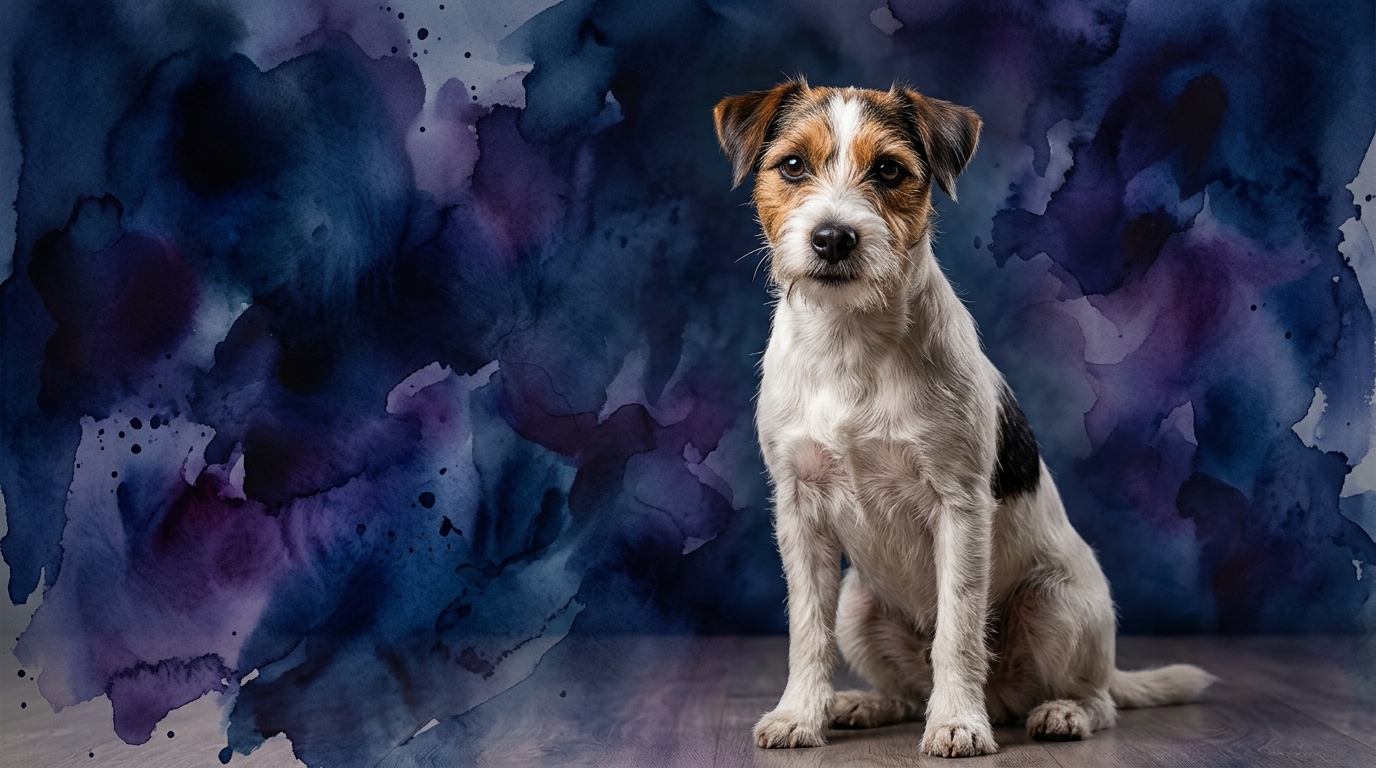
Side-by-side IQ profile
The Cosmic Pet Pet IQ Lab provides a unique lens through which to examine the cognitive strengths of our canine companions. For the majestic Belgian Sheepdog (Groenendael), a Herding breed, its profile shows a remarkable aptitude across several dimensions. Its Problem Solving ability is rated at an exceptional 5/5, indicating a capacity for intricate thought and strategic navigation of challenges. Complementing this, its Training Speed also scores a perfect 5/5, reflecting an eagerness and swiftness in grasping new commands and complex sequences. The Groenendael's Memory is equally impressive at 5/5, ensuring long-term retention of learned behaviors and experiences. However, its Social Intelligence and Instinctive Drive both register at 3/5, suggesting a more reserved or focused social demeanor and a moderate, though present, expression of inherent herding behaviors. The Groenendael’s Coren rank of #15 further solidifies its standing among breeds recognized for working intelligence.
In contrast, the Parson Russell Terrier, a tenacious Terrier breed, presents a different cognitive blueprint, tailored to its historical role. Its Problem Solving ability is rated at 3/5, indicating practical, task-specific intelligence rather than abstract reasoning. Similarly, its Training Speed stands at 3/5, meaning it is capable of learning but requires a more consistent and engaging approach than its herding counterpart. The Parson Russell Terrier’s Memory is also rated 3/5, sufficient for retaining key instructions but perhaps not for vast repertoires of complex behaviors. Intriguingly, its Social Intelligence and Instinctive Drive both align with the Groenendael at 3/5, though the manifestation of these traits differs significantly. This breed is not Coren-ranked, which is common for many terrier types whose intelligence is often expressed through independent action rather than strict obedience.
Where Belgian Sheepdog (Groenendael) wins cognitively
The Groenendael's cognitive profile clearly excels in areas demanding high levels of intricate thought and rapid learning. Its 5/5 Problem Solving score means this breed thrives on mental challenges, adept at figuring out puzzles, navigating obstacle courses, or even understanding nuanced commands in complex scenarios. Unlike breeds that might rely on trial and error, a Groenendael often approaches new situations with a degree of foresight, analyzing and adapting quickly. Paired with a 5/5 Training Speed, this breed absorbs new information with remarkable efficiency, making it suitable for advanced obedience, protection work, or competitive dog sports where precision and speed of execution are paramount. Their 5/5 Memory further ensures that once a lesson is learned, it is deeply ingrained, allowing for the building of vast and elaborate skill sets over time without constant re-teaching. This combination makes them particularly adept at tasks requiring sequential understanding and long-term application of knowledge, such as multi-stage agility courses or intricate scent detection patterns.
Where Parson Russell Terrier wins cognitively
While the Parson Russell Terrier’s scores of 3/5 across the board might seem less impressive on a purely comparative scale, they represent a highly effective and specialized cognitive toolkit perfectly suited for their original purpose. Their 3/5 Problem Solving isn't about abstract reasoning, but rather a tenacious, practical intelligence focused on overcoming immediate obstacles, particularly those related to hunting quarry. A Parson Russell Terrier excels at figuring out how to get to a perceived “prey,” whether it's a toy under the sofa or a scent in a dense thicket, demonstrating relentless focus and creative persistence. Their 3/5 Instinctive Drive, while matching the Groenendael numerically, manifests as an intense prey drive and digging propensity, which are crucial for their work as den-hunting terriers. This drive fuels their determination and provides a powerful internal motivation for tasks, making them relentless in their pursuits. Their functional memory and training speed are sufficient for learning the necessary commands to work alongside a human, especially when those commands are linked to their innate drives, allowing them to perform their specialized tasks with independence and vigor.
Which is easier to train and why
Based on The Cosmic Pet Pet IQ Lab scores, the Belgian Sheepdog (Groenendael) is unequivocally easier to train for a broad range of obedience and complex tasks. Their 5/5 Training Speed means they pick up new commands with minimal repetition, often understanding the intention behind a cue quickly. This rapid assimilation is bolstered by their 5/5 Memory, ensuring that once a behavior is learned, it's retained for the long term. A Groenendael's focus and desire to work with its handler, coupled with its problem-solving abilities, allow for fluid progression through training levels, from basic manners to highly specialized roles. They thrive on consistency and positive reinforcement, quickly forming associations between actions and rewards.
The Parson Russell Terrier, with its 3/5 Training Speed and 3/5 Memory, presents a different training challenge. While certainly trainable, they require more patience, creativity, and consistency. Their independent nature and strong instinctive drives mean that training must be made engaging and rewarding enough to compete with their natural inclinations, such as chasing a squirrel or digging. Repetition is often necessary to solidify commands, and distractions can easily derail a session. Owners must leverage the Parson Russell Terrier's tenacity and prey drive, perhaps incorporating games or tasks that mimic hunting behaviors, to make training effective and prevent boredom. Their social intelligence score of 3/5 also suggests they might be less inclined to defer to human authority without clear, consistent leadership and motivation.
Which suits active owners vs relaxed owners
Both the Belgian Sheepdog (Groenendael) and the Parson Russell Terrier are breeds that demand active engagement from their owners, albeit in different ways. A Groenendael, with its 5/5 Problem Solving and 5/5 Memory, requires significant mental stimulation to prevent boredom and destructive behaviors. Owners who enjoy competitive dog sports like agility, obedience, herding trials, or protection work, or those who can provide daily “jobs” and complex training sessions, will find a fulfilling partnership. Their physical exercise needs are also substantial, but it's the mental component that truly defines their requirement for an active owner. A relaxed owner who cannot commit to consistent training and mental enrichment will likely find a Groenendael challenging, as their unused cognitive capacity can lead to frustration and behavioral issues.
The Parson Russell Terrier, while not demanding the same type of intricate mental work, still requires a highly active owner to manage its robust physical energy and strong instinctive drives (3/5). These dogs thrive on vigorous outdoor activities, long hikes, fetch games, and opportunities to explore and “hunt” safely. Their problem-solving (3/5) often manifests as finding ways to entertain themselves if under-exercised, which can include digging, chewing, or excessive barking. A relaxed owner who prefers quiet evenings without much outdoor activity would struggle to meet the physical and instinctual needs of a Parson Russell Terrier, potentially leading to an unruly and frustrated companion. Neither breed is suited for a truly “relaxed” owner in the traditional sense; both demand dedication to their well-being, though the nature of that dedication differs.
The Verdict
Choose a Belgian Sheepdog (Groenendael) if you seek a highly trainable, mentally agile companion capable of excelling in complex dog sports or working roles, and you are committed to providing consistent, advanced mental stimulation.
Opt for a Parson Russell Terrier if you desire a tenacious, spirited partner for vigorous outdoor adventures and interactive play, and you are prepared to manage a strong prey drive with consistent, engaging training methods.
🧠 Find Your Pet's IQ Score
Our Pet IQ Lab assessment covers 25+ tests across 5 cognitive dimensions — personalized to your breed.
Take the Full IQ Test →Frequently Asked Questions
Does a Groenendael's 3/5 social intelligence mean they are unfriendly?
Not necessarily unfriendly, but their 3/5 social intelligence suggests they may be more reserved or discerning with strangers and other dogs, preferring a focused bond with their primary family rather than being overtly gregarious. Early socialization is crucial to help them develop appropriate social manners.
Can a Parson Russell Terrier learn complex tricks despite its 3/5 training speed?
Yes, a Parson Russell Terrier can certainly learn complex tricks, but it will likely require more patience, repetition, and creative, high-value motivation from the trainer compared to a breed with a 5/5 training speed. Their tenacity can be an asset once they grasp the concept and are motivated.
How does the instinctive drive score of 3/5 differ between these two breeds?
While both score 3/5, the Groenendael's instinctive drive manifests as herding tendencies and a protective nature, whereas the Parson Russell Terrier's drive is typically a strong prey drive, expressed through chasing, digging, and scent work, reflecting their distinct historical working roles.