Side-by-Side IQ Profile: Groenendael vs Pumi
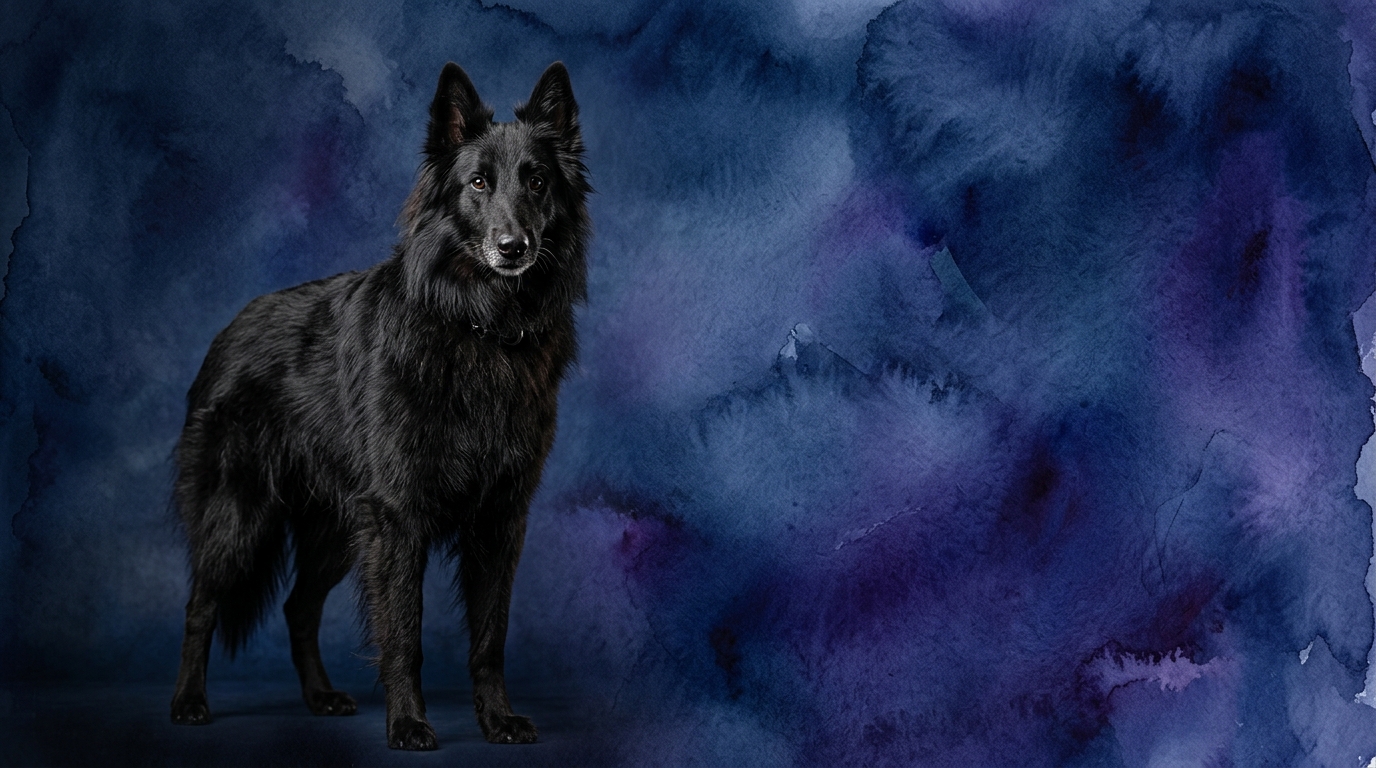
The Cosmic Pet Pet IQ Lab provides a unique framework to understand canine intelligence across five key dimensions. For the magnificent Belgian Sheepdog (Groenendael), its profile showcases an exceptional intellect: Problem Solving (5/5), Training Speed (5/5), Social Intelligence (3/5), Instinctive Drive (3/5), and Memory (5/5). This breed demonstrates an outstanding capacity for complex thought, quickly analyzing situations and devising effective solutions, often understanding the underlying goal rather than just following commands. They assimilate new commands and routines with remarkable swiftness, often grasping concepts in very few repetitions, while possessing an outstanding memory that retains information over extended periods, aiding consistent performance.
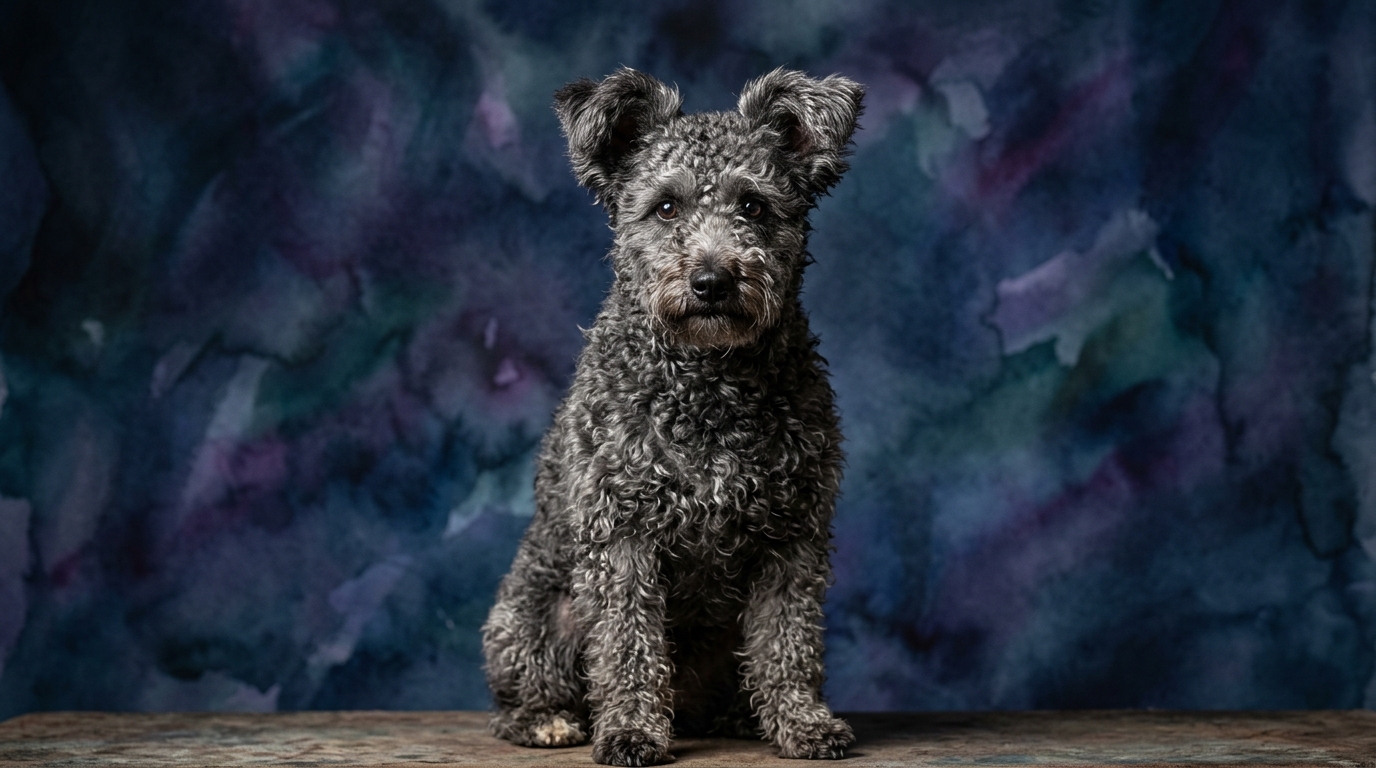
In contrast, the spirited Pumi presents a more balanced, consistent cognitive profile: Problem Solving (3/5), Training Speed (3/5), Social Intelligence (3/5), Instinctive Drive (3/5), and Memory (3/5). The Pumi exhibits a practical problem-solving ability, capable of figuring out routine challenges efficiently, being resourceful without delving into abstract complexities with the same depth as their Groenendael counterparts. They learn at a steady, consistent pace, requiring clear instruction and repetition, but once a concept is grasped, it tends to stick. Both breeds share a moderate social acumen, forming deep bonds with their primary handlers while displaying a characteristic reservedness with strangers. Both also possess a manageable herding drive, providing motivation without being overwhelming.
Where the Belgian Sheepdog (Groenendael) Wins Cognitively
The Groenendael’s cognitive strengths distinctly shine in areas demanding high-level intellectual processing. Their 5/5 Problem Solving score means they are not merely reactive but actively engage with challenges, often anticipating outcomes and strategizing. For instance, in complex obedience routines or agility courses, a Groenendael might independently adjust its path if an obstacle is misplaced, demonstrating a grasp of the overall objective rather than just memorized steps. This ability to “think on their feet” makes them exceptional partners in intricate tasks, capable of independent decision-making when appropriate.
Coupled with this is their unparalleled Training Speed (5/5). They absorb new commands and multi-step sequences with remarkable efficiency, often requiring only a handful of repetitions to solidify a behavior. This rapid acquisition means a Groenendael can progress through advanced training much faster, making them ideal for competitive sports or service roles where a vast repertoire of skills is required quickly. Their 5/5 Memory further reinforces this, ensuring that once learned, these complex skills are retained with impressive longevity, leading to consistently reliable performance over time without extensive refreshers. Owners often report that once a Groenendael learns something, they truly understand it, applying the knowledge appropriately across different contexts.
Where the Pumi Wins Cognitively
While the Groenendael excels in sheer intellectual horsepower, the Pumi’s cognitive profile, characterized by consistent 3/5 ratings across all dimensions, offers a unique set of advantages rooted in balance and practical application. This isn't about outperforming the Groenendael in specific metrics, but rather about a distinct disposition. The Pumi’s 3/5 Problem Solving suggests a pragmatic approach; they are adept at finding straightforward solutions to common dilemmas without overthinking, which can sometimes lead to less anxiety or obsessive tendencies seen in highly analytical breeds. They possess a resilient, “get-it-done” attitude that favors direct action over intricate planning, making them efficient in everyday tasks.
Their steady 3/5 Training Speed and Memory mean they are reliable learners who, once they grasp a concept, integrate it thoroughly into their behavioral repertoire. This consistency can be a “win” for owners who appreciate a dog that learns dependably without the intensity or potential for boredom that can accompany a 5/5 learner who masters tasks almost instantly and then seeks new challenges. The Pumi's balanced Instinctive Drive (3/5) ensures they have a working ethic that is present and engaging without being overwhelming, making them highly motivated for activities without needing constant, extreme outlets. This blend of moderate, consistent intelligence and robust drive creates a highly adaptable and tenacious companion, well-suited for a variety of active family lives where a steady, spirited partner is desired.
Which is Easier to Train and Why
When evaluating ease of training, the Groenendael undeniably holds an advantage due to its exceptional Training Speed (5/5) and Problem Solving (5/5). These dogs quickly grasp new concepts, often anticipating what is expected of them after just a few repetitions. Their superior memory (5/5) means that once a command or routine is learned, it is retained with remarkable consistency, reducing the need for frequent refreshers. This translates into a dog that can progress rapidly through various levels of obedience, agility, or specialized tasks, making the training process feel incredibly rewarding and efficient for an experienced handler capable of keeping pace with their rapid learning.
The Pumi, with its 3/5 Training Speed, requires a more consistent and patient approach. While not slow learners, they benefit from clear, repetitive instructions and a positive reinforcement schedule that builds confidence over time. Their 3/5 Problem Solving means they might take a few more attempts to generalize a command to new environments or situations compared to a Groenendael, who might figure it out independently. However, the Pumi’s tenacity and willingness to work mean that they are still very trainable, just at a more deliberate pace. An owner needs to be prepared for a steady learning curve rather than instant mastery, focusing on building solid foundations rather than rapid advancement. Therefore, for sheer speed and complexity of learning, the Groenendael is easier to train, while the Pumi offers a rewarding experience for those who enjoy a consistent, structured training journey.
Which Suits Active Owners vs. Relaxed Owners
Neither the Belgian Sheepdog (Groenendael) nor the Pumi are suited for truly “relaxed” owners in the sense of minimal daily engagement, as both are herding breeds with inherent working drives. However, their cognitive profiles dictate different levels and types of activity. The Groenendael, with its 5/5 Problem Solving and 5/5 Memory, thrives with highly active owners who can provide consistent, complex mental stimulation alongside vigorous physical exercise. These dogs need to use their keen minds daily, whether through advanced obedience, agility, protection sports, or intricate puzzle toys and training sessions. An owner who enjoys teaching new tricks, participating in dog sports, or engaging in long, stimulating outdoor adventures will find the Groenendael an exceptional match. Without sufficient mental and physical outlets, their sharp minds can lead to boredom and potentially destructive behaviors.
The Pumi, while also active, might be a better fit for owners who are active but perhaps not seeking the extreme cognitive challenge a Groenendael demands. Their balanced 3/5 ratings suggest a dog that enjoys regular physical activity—long walks, hikes, or engaging play—and consistent, straightforward training. They are enthusiastic participants in family activities and enjoy having a job, but perhaps not one requiring the same depth of strategic thinking or rapid-fire learning. An owner who enjoys daily walks, weekend adventures, and consistent, fun training sessions focused on practical skills and good manners will find the Pumi an energetic and delightful companion. They still require engagement, but their cognitive needs are generally less intense and all-consuming than those of a Groenendael, making them a slightly more adaptable choice for a moderately active family.
The Verdict
Choose the Belgian Sheepdog (Groenendael) if you seek an exceptionally sharp, rapid learner for advanced training, competitive dog sports, or a demanding working role, and are prepared to meet their significant cognitive and physical needs daily.
Opt for the Pumi if you desire an energetic, balanced, and tenacious companion for an active lifestyle, appreciating a steady learner who thrives on consistent engagement and practical tasks without requiring extreme intellectual challenges.
🧠 Find Your Pet's IQ Score
Our Pet IQ Lab assessment covers 25+ tests across 5 cognitive dimensions — personalized to your breed.
Take the Full IQ Test →Frequently Asked Questions
Do Groenendaels require more mental exercise than Pumis?
Yes, Groenendaels, with their 5/5 Problem Solving and Memory, generally demand more complex and varied mental stimulation to prevent boredom and channel their intellectual capacity productively. Pumis also need mental engagement, but their needs are typically met with more consistent, practical training and activities.
Which breed is better for a first-time dog owner?
Neither breed is ideal for a truly novice owner due to their herding instincts and activity levels. However, a Pumi might be slightly more manageable for a committed first-time owner willing to dedicate time to consistent training, as their cognitive demands are less intense than a Groenendael's.
How do their social intelligence scores (3/5 for both) impact family life?
Both breeds share a moderate social intelligence, meaning they form strong bonds with their immediate family but can be reserved or discerning with strangers. They understand family dynamics but might not be overtly gregarious, preferring focused interaction with their inner circle rather than constant social outreach.