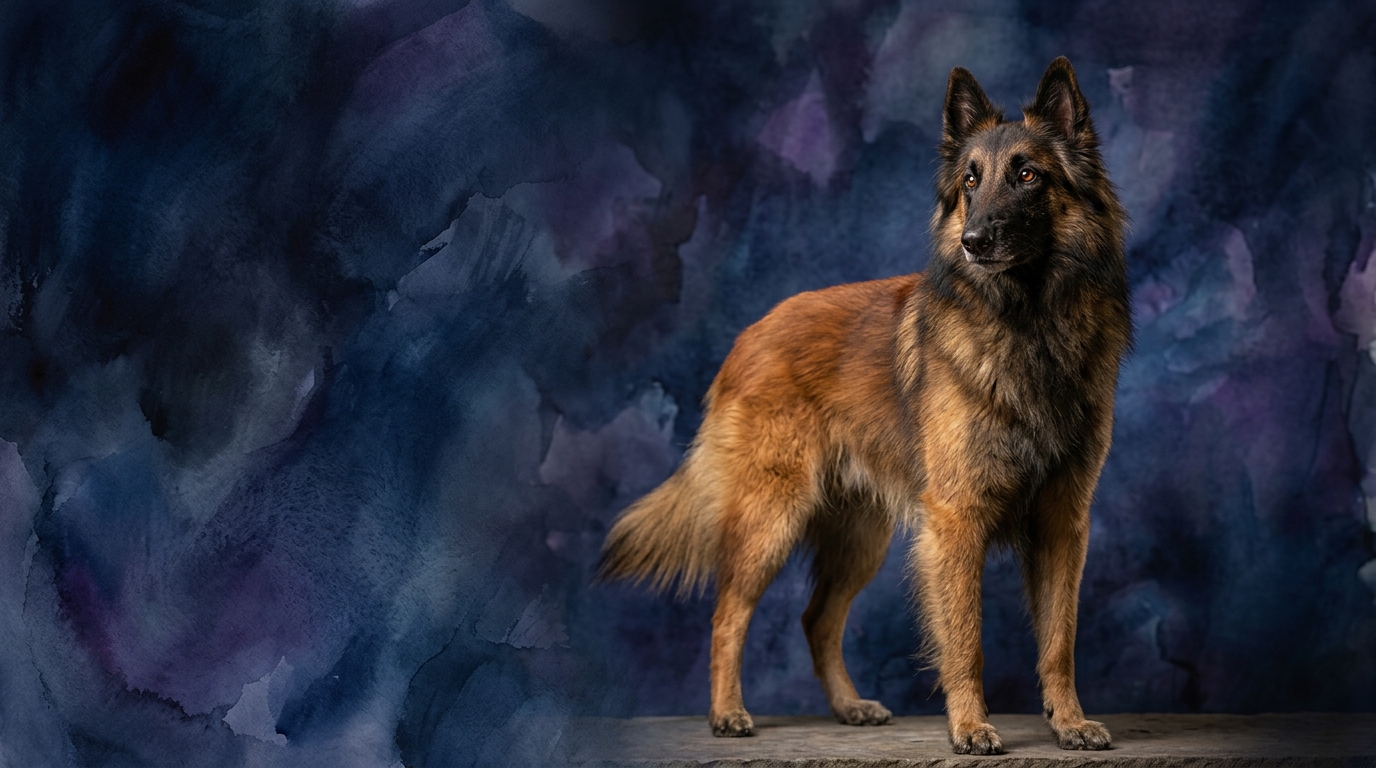
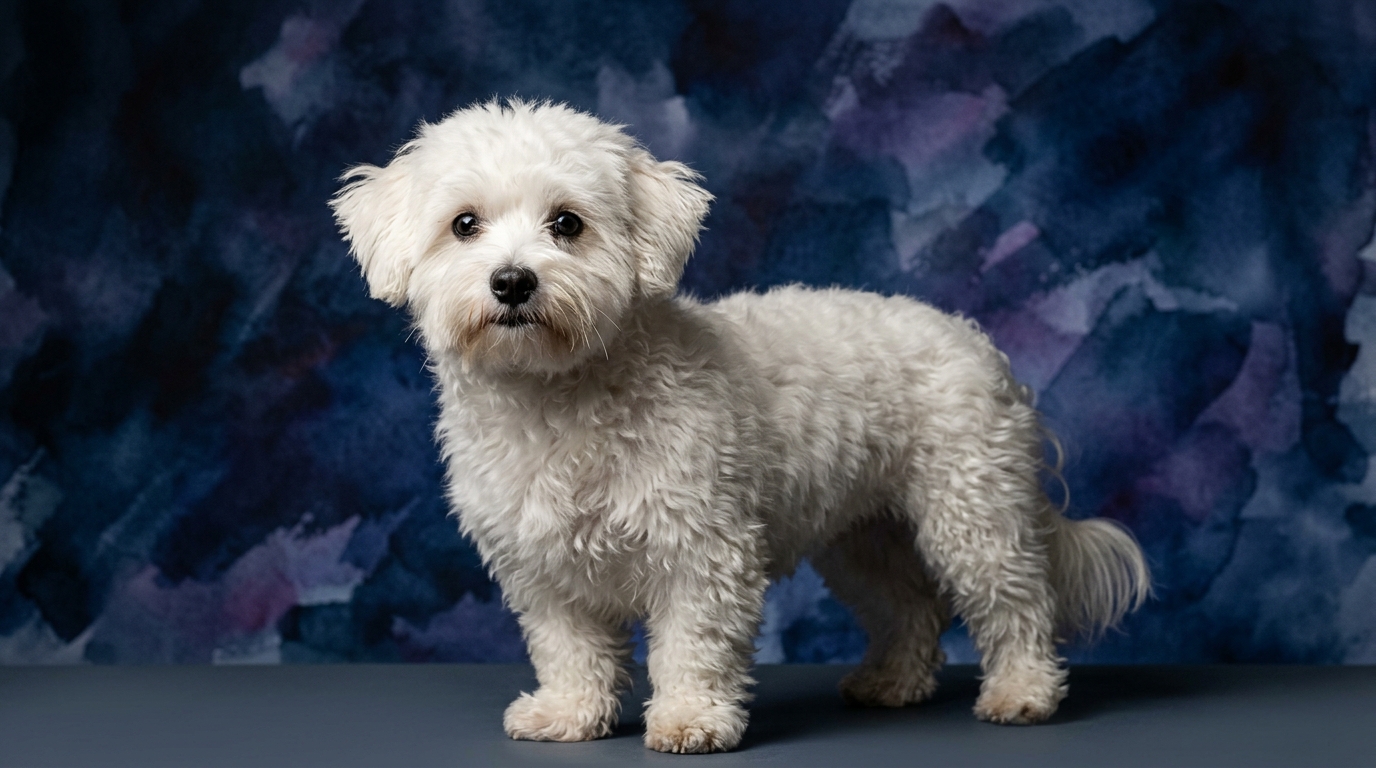
Side-by-Side IQ Profile
The Belgian Tervuren exhibits a remarkable cognitive toolkit, scoring 5/5 in Problem Solving, indicating an exceptional capacity to navigate complex challenges and devise solutions. Its Training Speed also stands at 5/5, suggesting a rapid grasp of new commands and routines. Memory is equally impressive at 5/5, allowing for retention of vast amounts of information and experiences. Social Intelligence is rated 3/5, signifying a competent understanding of social cues, while Instinctive Drive, also 3/5, points to a moderate but present inclination towards its herding heritage, which can manifest as a desire for purpose and activity.
The Coton de Tuléar presents a more uniformly balanced cognitive profile, with consistent scores of 3/5 across all five dimensions. Its Problem Solving ability at 3/5 suggests it can handle routine tasks and learn from experience, though it might not independently tackle novel, intricate puzzles. Training Speed at 3/5 means it learns at a steady, manageable pace, requiring consistent but not overly intensive repetition. Memory, also 3/5, allows it to recall important commands and familiar routines without an exhaustive database of every past interaction. Both Social Intelligence and Instinctive Drive are 3/5, indicating a suitable level of engagement with its human family and a moderate, non-overwhelming natural inclination for companionship rather than intense working behaviors.
Where Belgian Tervuren Wins Cognitively
The Belgian Tervuren truly shines in areas demanding sharp mental acuity and rapid acquisition of knowledge. Its perfect 5/5 score in Problem Solving means this breed isn't just following instructions; it's actively analyzing situations, strategizing, and adapting. For instance, a Tervuren might independently figure out how to open a complex latch or devise a new approach to retrieve a toy stuck under furniture. This problem-solving prowess is often coupled with its 5/5 Training Speed, allowing it to learn multi-step commands, intricate agility courses, or complex scent discrimination tasks with astonishing few repetitions. Furthermore, its 5/5 Memory ensures that these learned behaviors and problem-solving strategies are not easily forgotten, allowing for consistent, reliable performance over time.
Where Coton de Tuléar Wins Cognitively
While the Coton de Tuléar doesn't boast the same high-octane cognitive scores as the Tervuren, its balanced 3/5 ratings across the board translate into distinct advantages for its role as a cherished companion. Its moderate Problem Solving (3/5) means it's less likely to outwit its owners in mischievous ways, such as devising elaborate escape plans or raiding the pantry. This level of cognitive engagement is perfectly suited for a pet that enjoys a comfortable home life without constantly seeking high-level mental challenges. Similarly, a 3/5 Instinctive Drive means the Coton is generally less prone to overwhelming urges to herd, chase, or patrol, contributing to a more relaxed and adaptable demeanor within a typical household setting, content with regular walks and playtime.
Which Is Easier to Train and Why
Based on their cognitive profiles, the Belgian Tervuren is undeniably easier to train in terms of speed and complexity of learning. Its 5/5 Training Speed means it picks up new commands and concepts with minimal repetition, often grasping a new cue within a handful of sessions. This breed actively seeks to understand and comply, making advanced obedience, sport training, or even service work a highly rewarding experience. The Tervuren's 5/5 Problem Solving also allows it to generalize learned behaviors to new situations and troubleshoot on its own, accelerating the training process significantly. In contrast, the Coton de Tuléar, with its 3/5 Training Speed, learns at a steady, more deliberate pace. While certainly trainable and eager to please, a Coton will require more consistent reinforcement and patience to solidify new behaviors. Its 3/5 Problem Solving means it might not independently bridge gaps in understanding or generalize as readily, necessitating clearer, more structured guidance from its owner.
Which Suits Active Owners vs. Relaxed Owners
The cognitive makeup of these two breeds clearly points to different lifestyle compatibilities. The Belgian Tervuren, with its exceptional Problem Solving, Training Speed, and Memory, coupled with its moderate Instinctive Drive, thrives with active, engaged owners who can provide consistent mental stimulation and physical exercise. These dogs need a 'job,' whether it's competitive dog sports like agility or obedience, advanced trick training, or challenging walks with problem-solving elements. Owners who enjoy teaching complex sequences and engaging in prolonged training sessions will find the Tervuren an incredibly eager and capable partner. Conversely, the Coton de Tuléar, with its balanced 3/5 scores across all cognitive dimensions, is an ideal fit for more relaxed owners. Its moderate instinctive drive and problem-solving capabilities mean it's content with a less demanding routine. While still benefiting from daily walks and basic training, a Coton doesn't require the same intensity of mental or physical exertion to prevent boredom or destructive behaviors; they are typically happy to be a cherished family member, enjoying companionship and moderate play.
The Verdict
Choose the Belgian Tervuren if you are an experienced, active owner eager to engage in advanced training, dog sports, or require a partner for complex tasks, valuing a highly capable and mentally driven canine.
Opt for the Coton de Tuléar if you seek a charming, adaptable companion for a more relaxed home environment, appreciating a dog with moderate cognitive demands and a delightful, affectionate disposition.
🧠 Find Your Pet's IQ Score
Our Pet IQ Lab assessment covers 25+ tests across 5 cognitive dimensions — personalized to your breed.
Take the Full IQ Test →Frequently Asked Questions
Does a lower IQ score mean a dog is difficult to train?
Not necessarily; a 3/5 in training speed, like the Coton's, indicates a steady learning pace that requires consistent methods and patience, rather than inherent difficulty. It means training might take longer and require more repetition than with a 5/5 breed, but the dog is still perfectly capable of learning.
How does instinctive drive affect daily life with these breeds?
A Tervuren's 3/5 instinctive drive, combined with its high problem-solving, might translate to a strong desire for purpose and activity, potentially leading to boredom if not adequately stimulated. A Coton's 3/5 instinctive drive is generally less intense, meaning it's less prone to strong herding or hunting urges and is often content with companionship and moderate activity.
Is social intelligence the same as friendliness?
Social intelligence refers to a dog's ability to understand and respond to social cues from humans and other animals, not just general friendliness. A 3/5 score, like both breeds have, indicates a competent understanding of these cues, allowing them to integrate well into family life and interact appropriately within their social environment.