Side-by-Side Cognitive Profile: Tervuren vs. Glen
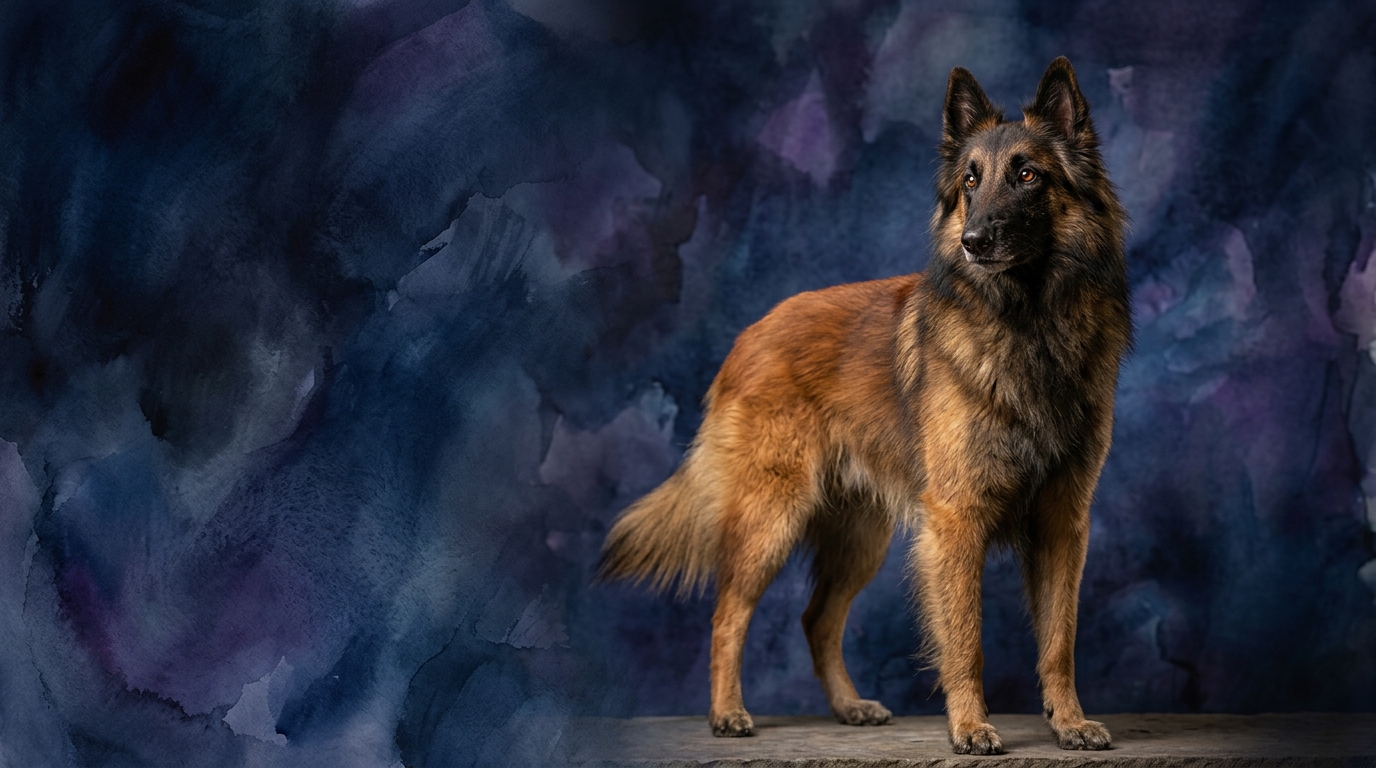
The Cosmic Pet Pet IQ Lab employs five key dimensions to map a breed's cognitive architecture, providing a nuanced understanding beyond simple labels. For the Belgian Tervuren, a herding breed with a Coren rank of #14, these dimensions paint a picture of impressive mental agility. Their Problem Solving is rated 5/5, indicating an exceptional capacity for complex thought, strategic planning, and understanding intricate sequences. Training Speed also stands at 5/5, reflecting their rapid acquisition of new commands and multi-step tasks, often requiring minimal repetition. Social Intelligence is 3/5, suggesting they are attuned to their immediate family but can be reserved or discerning with strangers. Their Instinctive Drive, primarily herding, is 3/5, present but generally manageable within a family context. Finally, Memory is a robust 5/5, allowing them to retain vast repertoires of commands, routines, and experiences over time.
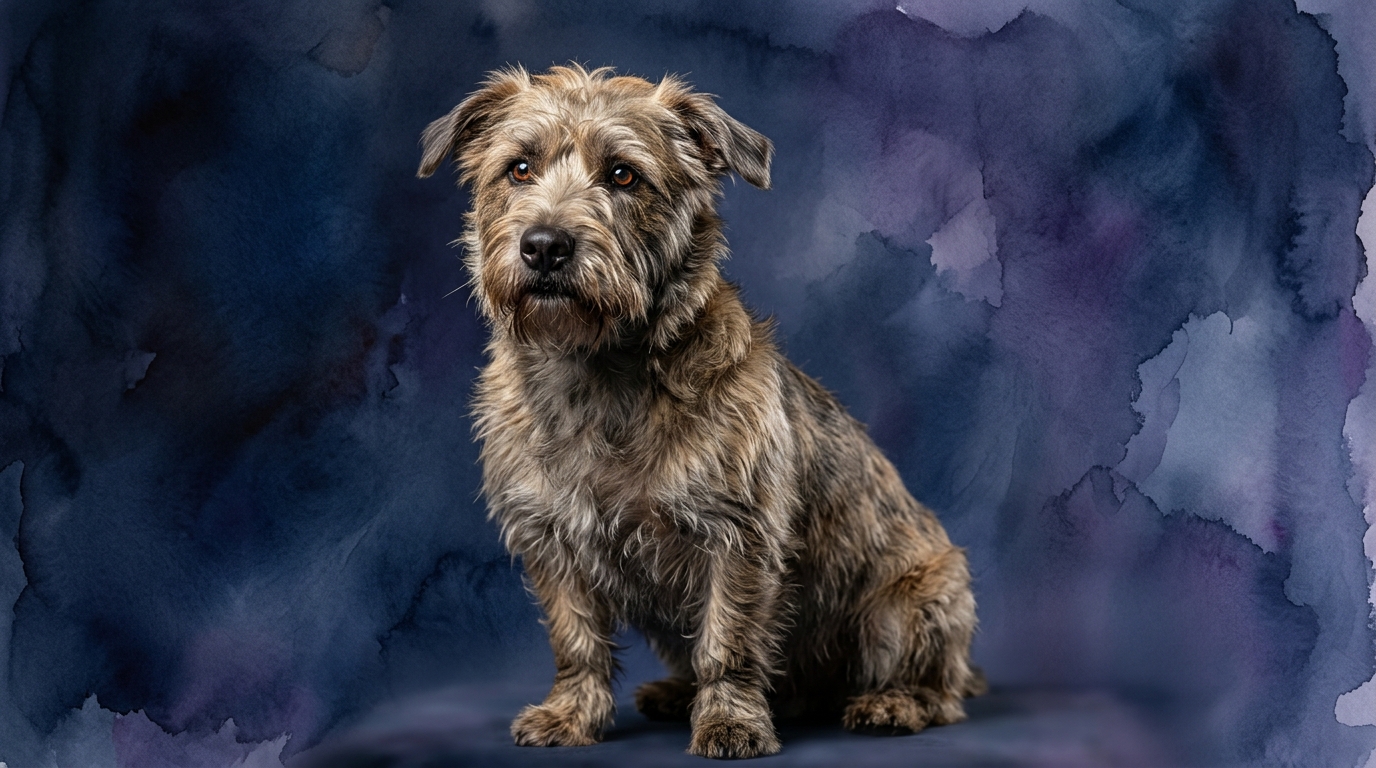
In contrast, the Glen of Imaal Terrier, a tenacious terrier breed not listed on the Coren ranking, presents a different cognitive blueprint. Their Problem Solving is rated 3/5, indicating practical, often independent, solutions to physical challenges rather than abstract strategizing. Training Speed is also 3/5, meaning they learn steadily but require consistency and patience, sometimes exhibiting a terrier's characteristic independent streak. Social Intelligence is 3/5, similar to the Tervuren, suggesting loyalty to their inner circle but a more reserved or self-contained demeanor with outsiders. Instinctive Drive is 3/5, typically manifesting as a strong prey drive or digging instinct, which needs appropriate outlets. Memory is rated 3/5, implying they retain core commands and routines but may require refreshers for less frequently practiced tasks.
Where the Belgian Tervuren Excels Cognitively
The Belgian Tervuren clearly demonstrates superior cognitive strengths in areas demanding intricate mental processing and rapid learning. Their 5/5 rating in Problem Solving means they can deconstruct complex challenges, devise multi-stage solutions, and adapt quickly to novel situations, making them adept at advanced obedience, agility, and other dog sports that require strategic thinking. This capacity extends to understanding abstract concepts and anticipating human intentions with remarkable accuracy, allowing them to excel in roles requiring precise execution and independent decision-making within a structured framework.
Furthermore, their 5/5 Training Speed and Memory combine to create an exceptionally receptive learner. A Tervuren can acquire new commands swiftly, often after just a few repetitions, and reliably recall an extensive vocabulary of cues years later. This cognitive trait is invaluable for owners engaged in competitive dog activities or those seeking a companion capable of performing sophisticated tasks and maintaining a high level of responsiveness. Their ability to connect cause and effect, remember routines, and apply past learning to new scenarios positions them as a formidable cognitive partner for active and engaged owners.
Where the Glen of Imaal Terrier Demonstrates Unique Cognitive Strengths
While the Belgian Tervuren excels in complex, multi-layered cognitive tasks, the Glen of Imaal Terrier exhibits a distinct cognitive tenacity that can be considered a 'win' in specific contexts. Their Problem Solving, rated 3/5, often manifests as persistent, independent thought focused on a physical goal. Unlike the Tervuren's strategic planning, the Glen will methodically work to achieve a tangible outcome, such as excavating a burrow or retrieving a hidden item, relying on sheer will and focused determination rather than intricate instruction. This self-directed cognitive drive, though not as broad in scope, makes them remarkably resourceful in their specific domain, requiring less direct human guidance to initiate and complete certain practical tasks once their mind is set.
The Glen's instinctive drive, also rated 3/5, while not as adaptable as a herding instinct, represents a focused cognitive strength for tasks requiring unwavering persistence and a singular purpose. This terrier grit translates into an unyielding approach to challenges they deem important, from scent-tracking to solving a puzzle toy that requires repetitive action. Their cognitive strength lies not in breadth or speed, but in a deep-seated determination and an ability to work independently, making them capable of solving problems through sheer focused effort where a more abstract thinker might give up or wait for guidance.
Training Dynamics: Which Breed is More Amenable?
When considering ease of training, the Belgian Tervuren holds a clear advantage due to its exceptional cognitive profile. Their 5/5 Training Speed means they absorb new information with remarkable quickness, often picking up complex commands in just a few repetitions. This rapid learning, combined with their 5/5 Memory, allows them to build an extensive repertoire of behaviors and reliably perform them even after long periods. Their herding background primes them for attentiveness to human direction and a desire to work collaboratively, resulting in a highly responsive and adaptable training partner. Behavioral differences include a natural inclination to seek out and understand cues, making them eager participants in structured learning environments.
Conversely, the Glen of Imaal Terrier, with a 3/5 rating across Problem Solving, Training Speed, and Memory, presents a different training journey. While certainly capable of learning, they require more patience, consistency, and creative motivation. Their independent terrier nature means they are less inclined to blindly follow commands and may question the necessity of a task, or simply choose to pursue a more interesting scent. Training a Glen often involves finding ways to make the desired behavior intrinsically rewarding, as their persistence can manifest as stubbornness if they don't see the point. Owners will need to employ positive reinforcement, short engaging sessions, and a resilient sense of humor to navigate their independent streak, understanding that lessons may take longer to solidify and may require more frequent refreshers.
Matching Cognitive Needs: Active vs. Relaxed Owners
The Belgian Tervuren is an ideal companion for active owners who relish deep engagement and a partnership built on constant mental and physical stimulation. Their exceptional Problem Solving and Training Speed mean they thrive when given a 'job' or regular opportunities to learn and apply their cognitive abilities. Owners interested in dog sports like agility, obedience, flyball, or even herding will find a Tervuren to be an eager and capable participant. A Tervuren's cognitive needs demand daily mental challenges and physical exercise to prevent boredom and channeling their substantial intellect into unwanted behaviors. They are not content to be mere decorative companions; they require an owner who appreciates and can channel their intense mental drive.
The Glen of Imaal Terrier, while still requiring mental engagement, is better suited for owners seeking a companion with a more relaxed, yet still distinctive, cognitive presence. Their moderate exercise requirements and independent nature mean they are less demanding of constant human direction and structured activity compared to a Tervuren. A relaxed owner who enjoys a dog with a self-sufficient streak, appreciates a tenacious problem-solver for practical tasks, and is willing to provide consistent but not overwhelming training will find a Glen a rewarding partner. They are content with moderate daily walks and engaging puzzle toys, offering a balance of spirited companionship and a degree of independent thought that doesn't require constant, high-intensity mental input.
The Verdict
Choose the Belgian Tervuren if you are an active individual or family seeking a highly engaged, exceptionally trainable partner for advanced obedience, dog sports, or a working role, capable of providing extensive mental and physical outlets.
Opt for the Glen of Imaal Terrier if you appreciate an independent, tenacious companion with moderate exercise needs, are patient with training, and enjoy a dog with a self-sufficient, problem-solving streak in its own unique way.
🧠 Find Your Pet's IQ Score
Our Pet IQ Lab assessment covers 25+ tests across 5 cognitive dimensions — personalized to your breed.
Take the Full IQ Test →Frequently Asked Questions
Are Belgian Tervurens good family dogs?
Belgian Tervurens can be excellent family dogs, especially with proper socialization and consistent training from a young age. Their social intelligence of 3/5 means they bond deeply with their family, but may be reserved with strangers, requiring careful introductions to new people and environments to ensure they are comfortable and confident.
How much exercise does a Glen of Imaal Terrier need?
Glen of Imaal Terriers require moderate daily exercise, typically consisting of a good walk or playtime in a securely fenced yard. While they have an instinctive drive of 3/5, they are not hyperactive and appreciate engaging activities like digging or scent work more than endless running, making them suitable for owners with less extreme activity levels.
Can a Glen of Imaal Terrier live in an apartment?
Yes, a Glen of Imaal Terrier can adapt well to apartment living, provided their moderate exercise needs are met and they receive mental stimulation. Their relatively compact size and lower intensity compared to some larger terriers make them suitable, but consistent walks and opportunities for independent exploration or puzzle-solving are crucial to their well-being.