
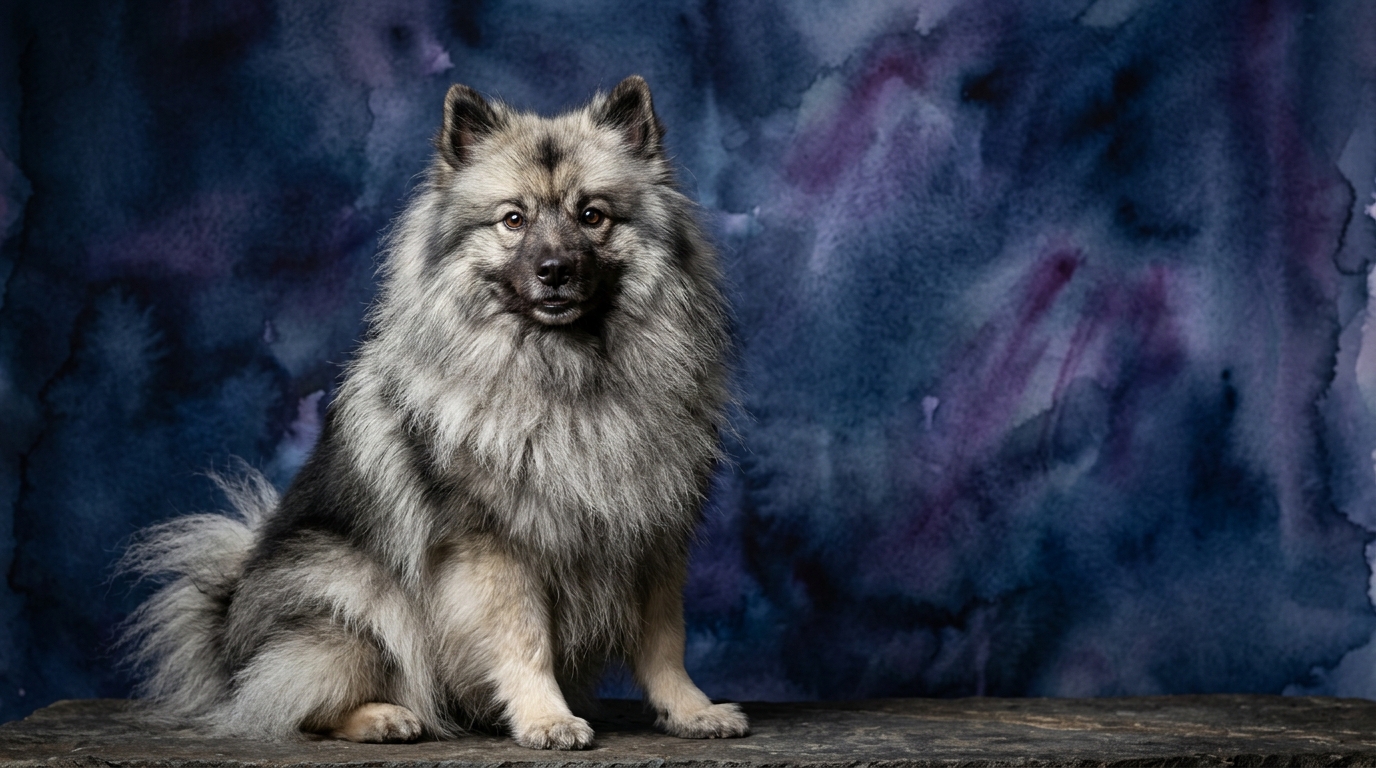
Side-by-Side IQ Profile: Tervuren vs. Keeshond
The Cosmic Pet Pet IQ Lab's granular breakdown of canine intelligence dimensions provides a unique lens through which to compare these two breeds. We evaluate five key cognitive areas for both the Belgian Tervuren and the Keeshond, offering a nuanced perspective beyond simple obedience.
For the Belgian Tervuren:
Problem Solving (5/5): This breed excels at deciphering complex scenarios, devising novel solutions, and navigating intricate environments. They don't merely execute commands; they comprehend the objective, adapting their approach as needed.
Training Speed (5/5): New behaviors and commands are assimilated with remarkable swiftness. Tervurens grasp concepts quickly, often requiring fewer repetitions than many other breeds to achieve proficiency.
Social Intelligence (3/5): While capable of forming deep bonds, their social understanding isn't their strongest suit in terms of precisely interpreting subtle human or canine cues. Their cognitive focus leans more towards task execution than intricate social dynamics.
Instinctive Drive (3/5): Rooted in their herding heritage, they possess a purposeful drive for action, yet it's a controlled intensity rather than an indiscriminate urge. This drive is directed towards work and specific goals.
Memory (5/5): They demonstrate exceptional retention of learned behaviors, established routes, and past experiences over extended periods, making them highly reliable partners once a skill is acquired.
For the Keeshond:
Problem Solving (4/5): The Keeshond possesses a robust capacity for figuring things out, often displaying cleverness in navigating daily challenges or learning sequences of actions. They adapt effectively to new situations but may not innovate solutions with the same rapidity as a Tervuren.
Training Speed (4/5): They acquire new commands and routines effectively, responding well to consistent, positive reinforcement. While quick, they might require a few more repetitions or a slightly different teaching approach compared to the Tervuren's immediate grasp.
Social Intelligence (3/5): Similar to the Tervuren, the Keeshond forms strong attachments, but their primary cognitive focus isn't on interpreting nuanced social signals from humans or other animals. Their understanding of social dynamics is functional and geared towards their family unit.
Instinctive Drive (3/5): Originating as alert watchdogs and companions, their drive is primarily observant and responsive rather than an intense urge for physical work. They are motivated by interaction and guarding their territory, not typically by pursuits like herding or tracking.
Memory (5/5): The Keeshond demonstrates excellent recall for learned behaviors, familiar people, and locations, making them dependable in retaining information and past experiences. Once something is learned, it tends to stick reliably.
Where the Belgian Tervuren Wins Cognitively
The Tervuren's standout advantage lies in its problem-solving and training speed, both rated 5/5. This breed doesn't just learn commands; it comprehends the underlying task, allowing for flexible application of skills in novel situations. For instance, a Tervuren asked to retrieve a specific item might navigate obstacles or devise a strategy to reach it, rather than simply giving up if the direct path is blocked. Their rapid assimilation of new information means they can progress through complex training regimes, like advanced obedience or protection work, at an accelerated pace, often anticipating the next step in a sequence. This cognitive agility allows them to excel in dynamic environments where quick thinking and adaptive responses are paramount, making them formidable competitors in dog sports and working roles.
Where the Keeshond Wins Cognitively
While the Keeshond might appear to score slightly lower in problem-solving and training speed, its cognitive strengths manifest differently, aligning with its historical role as a companion and watchdog. The Keeshond's 5/5 memory, coupled with its 3/5 social intelligence, means it consistently retains learned routines and household rules while remaining attuned to its immediate human family. For example, a Keeshond will reliably remember house training protocols or where specific toys are kept, and its social intelligence, while not hyper-perceptive, is perfectly suited for understanding its place within a family unit. They excel at establishing and maintaining stable, predictable behaviors within a home environment, offering a steadfast cognitive presence that contributes to household harmony. Their strengths lie in consistent, reliable application of learned behaviors within a familiar context, rather than innovative problem-solving in high-pressure scenarios.
Which is Easier to Train and Why?
Based purely on the training speed metric, the Belgian Tervuren (5/5) is demonstrably quicker to train than the Keeshond (4/5). A Tervuren often requires fewer repetitions to grasp a new command, making initial training sessions highly efficient. This speed is coupled with their superior problem-solving ability, meaning they can generalize learned behaviors to new contexts more readily. For instance, teaching a Tervuren to 'stay' might involve a few focused sessions before they understand the concept across various distractions and locations, even anticipating the next command in a sequence. In contrast, while the Keeshond learns effectively, they might require more consistent reinforcement and patience, especially when proofing commands in distracting environments. A Keeshond might initially learn 'stay' quickly in a quiet room but may need more structured practice to maintain it amidst a bustling park due to their slightly less acute problem-solving and generalized adaptability. The Tervuren's cognitive makeup leans towards a more independent and rapid acquisition of complex tasks, whereas the Keeshond thrives on consistent, positive reinforcement within a clear, established routine, valuing predictability.
Cognitive Alignment: Active vs. Relaxed Owners
The Belgian Tervuren, with its 5/5 problem-solving and training speed, coupled with a purposeful instinctive drive (3/5), is a natural fit for active owners. These individuals thrive on mental and physical challenges, excelling in dog sports like agility, obedience, protection work, or even search and rescue. An owner who enjoys structured training, outdoor adventures, and engaging their dog in complex tasks will find the Tervuren's cognitive needs align perfectly. A relaxed owner might find the Tervuren's need for consistent mental stimulation overwhelming, potentially leading to boredom-induced behaviors such as excessive barking or destructive chewing.
The Keeshond, while not sedentary, is better suited for owners seeking a companion whose cognitive engagement is more focused on companionship and household routines. Their reliable memory (5/5) and moderate instinctive drive (3/5, primarily for watchfulness) make them excellent for owners who enjoy regular walks, consistent playtime, and a stable home environment without the demanding need for advanced cognitive challenges or intense physical work. They are content with being an integral part of the family's daily life, remembering house rules and enjoying familiar interactions. A relaxed owner who appreciates a dog that is alert and engaged but doesn't require constant 'work' will find the Keeshond's cognitive profile highly rewarding and manageable.
The Verdict
Choose the Belgian Tervuren if you are an experienced, active owner seeking a highly trainable partner for advanced dog sports, demanding jobs, or a life filled with complex cognitive challenges. Their rapid learning and problem-solving demand consistent engagement and purpose.
Opt for the Keeshond if you desire a steadfast, reliable companion whose cognitive strengths lie in consistent adherence to routines and affectionate interaction within a stable home environment. They thrive with owners who appreciate their watchful nature and moderate activity needs.
🧠 Find Your Pet's IQ Score
Our Pet IQ Lab assessment covers 25+ tests across 5 cognitive dimensions — personalized to your breed.
Take the Full IQ Test →Frequently Asked Questions
Are Belgian Tervuren good for first-time dog owners?
Due to their high cognitive demands, including rapid learning and intense problem-solving skills, Belgian Tervuren are generally better suited for experienced owners who can provide consistent, structured training and ample mental stimulation. Their cognitive capacity can be overwhelming for novices if not channeled appropriately.
Do Keeshonden require a lot of exercise?
Keeshonden have moderate exercise needs; regular walks and consistent playtime are usually sufficient to keep them content. Their cognitive profile, with a stable instinctive drive, means they thrive on consistent routines and mental engagement within the home rather than high-intensity, prolonged physical exertion.
Which breed is more prone to separation anxiety based on their IQ profile?
Neither breed's IQ profile directly indicates a higher propensity for separation anxiety, as social intelligence is rated equally (3/5). However, a Tervuren, with its higher mental stimulation needs, might become destructive if left alone and bored, while a Keeshond's strong companion drive could lead to distress if isolated for prolonged periods without adequate preparation.