The Cosmic Pet Pet IQ Lab Profiles: Tervuren vs. Otterhound
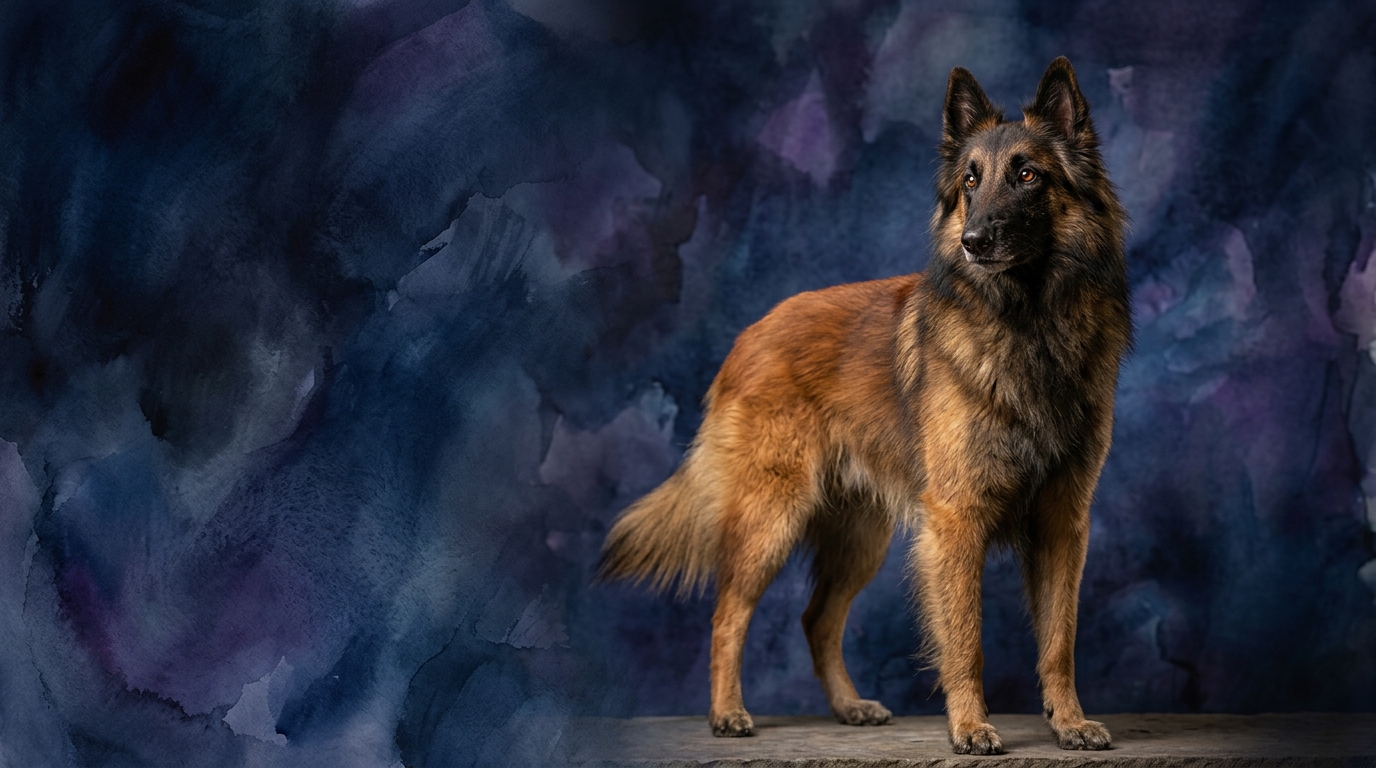
The Belgian Tervuren, a member of the Herding group, presents a highly specialized cognitive profile, underscored by its #14 ranking on Coren's scale of working and obedience intelligence. Our IQ Lab data paints a picture of exceptional mental agility: a 5/5 in Problem Solving, a 5/5 in Training Speed, and an impressive 5/5 in Memory. Its Social Intelligence and Instinctive Drive are rated at a balanced 3/5, suggesting a capacity for connection and inherent behaviors that are present but not overwhelming.
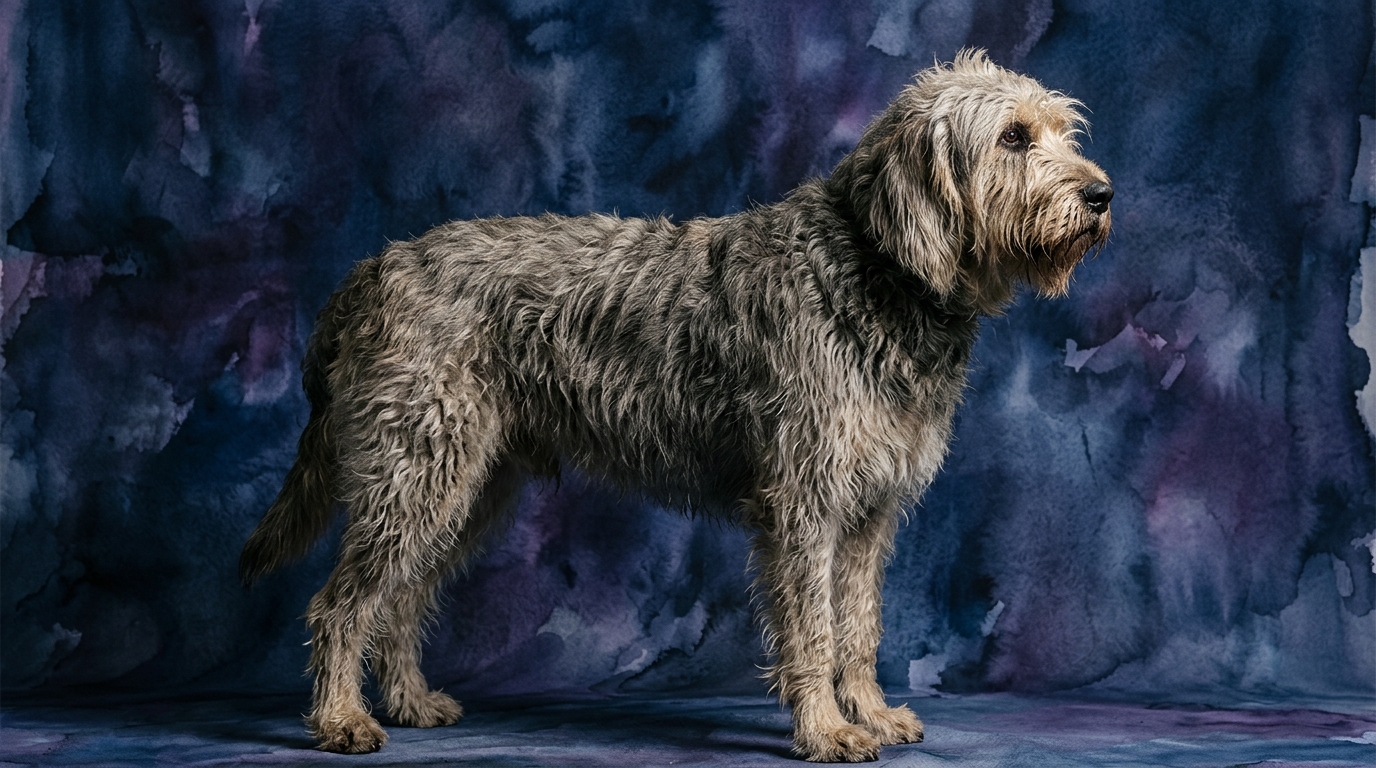
In stark contrast, the Otterhound, a robust member of the Hound group, does not appear on Coren's ranking, indicating a different emphasis in its cognitive makeup. Its IQ Lab profile shows a consistent 3/5 across all five dimensions: Problem Solving, Training Speed, Social Intelligence, Instinctive Drive, and Memory. This uniform scoring suggests a breed whose cognitive functions are harmoniously balanced, geared more towards sustained effort and sensory processing than rapid, complex learning.
This initial side-by-side view immediately highlights a key difference: the Tervuren’s cognitive architecture is optimized for rapid acquisition, complex processing, and retention, reflecting its heritage of intricate herding tasks. The Otterhound, on the other hand, exhibits a more moderate and steady cognitive approach, one that aligns with the independent and persistent nature required for tracking game over varied terrains.
Where the Belgian Tervuren Shines Cognitively
The Tervuren’s exceptional 5/5 Problem Solving capability is a cornerstone of its cognitive prowess. This isn't merely about understanding simple commands; it's about processing multi-step sequences, adapting to novel environmental changes, and strategizing solutions to obstacles. For instance, a Tervuren can quickly learn to navigate an intricate agility course, anticipating turns and jumps, or figure out how to open a complex puzzle toy without extensive trial-and-error, demonstrating a capacity for abstract reasoning beyond many breeds.
Coupled with its 5/5 Training Speed and 5/5 Memory, the Tervuren becomes an incredibly efficient learner. It absorbs new commands and routines with remarkable rapidity, often requiring only a few repetitions to solidify a behavior. This information is then stored and recalled consistently, even after long periods. This combination means that once a Tervuren has learned a skill, it is likely to retain it accurately and apply it reliably, making it an ideal candidate for advanced obedience, specialized scent work, or protection roles that demand precision and recall.
Practically, these high scores mean the Tervuren thrives on mental engagement that challenges its cognitive limits. Its capacity for rapid learning and retention allows it to master complex tasks that require not just rote memorization but an understanding of underlying patterns and consequences. This breed demonstrates a profound ability to connect various pieces of information, making it adept at tasks requiring sequential logic and strategic planning, such as competitive obedience routines or intricate search and rescue operations.
Where the Otterhound's Cognition Excels
While the Otterhound's 3/5 scores across all cognitive dimensions might suggest a lack of high-speed processing, its strength lies in the balanced and unwavering application of these faculties, particularly in contexts relevant to its heritage. Its 3/5 Problem Solving isn't about rapid, multi-faceted solutions, but rather a methodical, tenacious approach, especially when driven by its powerful sense of smell. This means they are less likely to give up on a scent trail, even if it presents complex environmental challenges.
The Otterhound's 3/5 Instinctive Drive, while not as explosive as some working breeds, translates into a profound, persistent focus on scent. For an Otterhound, this drive is paramount, enabling it to track for hours, undeterred by distractions or fatigue. Its 3/5 Social Intelligence often manifests as a steady, amiable disposition, less prone to the heightened sensitivities of a herding breed but consistently good-natured and tolerant, making it a reliable and calm companion.
The Otterhound’s cognitive profile supports a robust, independent working style. Its 3/5 Memory, while not for intricate command sequences, is highly effective for recalling scent trails, familiar territories, and the routines of its daily life. This breed demonstrates a cognitive resilience, showing a steadfast commitment to tasks that require endurance and singular focus, rather than quick-witted adaptability. They excel in activities where their powerful nose and unwavering determination are primary assets, rather than requiring rapid problem-solving or lightning-fast obedience.
Training Dynamics: Tervuren's Precision vs. Otterhound's Persistence
Training a Belgian Tervuren, with its 5/5 Training Speed, is often a rewarding experience marked by rapid progress. This breed quickly grasps new concepts, eagerly anticipates cues, and thrives on the mental stimulation of learning complex routines. Their high problem-solving ability means they can often generalize learned behaviors to new situations, and their exceptional memory ensures long-term retention. Tervurens flourish with consistent, positive reinforcement that challenges their cognitive capabilities, making them excellent candidates for advanced dog sports and working roles.
Conversely, training an Otterhound, with its 3/5 Training Speed, requires a different approach rooted in patience and understanding of its innate drives. They may not pick up commands with the same speed or precision as a Tervuren, often needing more repetitions and a highly motivating reward system, ideally one that leverages their love of scent or food. Once a behavior is learned, their 3/5 memory ensures it is retained, but the initial acquisition phase is typically slower and more deliberate.
The key behavioral difference lies in their approach to partnership. The Tervuren's herding background fosters a strong desire to work cooperatively with a handler, making them highly responsive to direction and eager to please. Otterhounds, while affectionate, possess a more independent streak, a legacy of their solitary tracking work. This means they might, at times, prioritize a captivating scent or an independent exploration over a handler's command, requiring a trainer to be exceptionally engaging and consistent to maintain focus and compliance. Their reliability is built on steady reinforcement rather than innate eagerness to comply.
Lifestyle Match: Active Engagement vs. Relaxed Companionship
The Belgian Tervuren, with its exceptional 5/5 Problem Solving, Training Speed, and Memory, demands a highly active and mentally stimulating lifestyle. These dogs thrive in environments where they have a clear purpose, whether that's competing in agility, obedience, protection sports, or engaging in complex trick training. Owners must be prepared to provide consistent, challenging mental exercise daily to prevent boredom, which can manifest as destructive behaviors. They are partners for owners who enjoy a shared life of continuous learning and physical activity, requiring more than just basic walks.
The Otterhound, with its consistent 3/5 across cognitive dimensions, fits a different rhythm. While they are a large, active breed that requires regular, substantial exercise, their mental demands are less about complex problem-solving and more about satisfying their innate drive for exploration and scent work. Long, leisurely walks where they can follow interesting smells, combined with a comfortable home environment, often suffice for their mental well-being. They offer steady, good-natured companionship without needing constant high-level cognitive engagement.
For the Tervuren, an active owner means someone who is deeply invested in structured training, dog sports, and providing an outlet for their sharp intellect. For the Otterhound, a 'relaxed' owner doesn't imply a sedentary lifestyle, but rather one that values consistent outdoor activity focused on their natural instincts – like long hikes or scent games – balanced with a calm, predictable home life where their amiable nature can shine. The difference is in the *type* and *intensity* of mental engagement required to keep them fulfilled.
The Verdict
Choose the Belgian Tervuren if you seek a highly engaged canine partner, eager for complex training, competitive sports, and a shared life of continuous mental and physical challenges. Its exceptional cognitive abilities flourish with dedicated, consistent guidance and a purpose-driven lifestyle.
Opt for the Otterhound if you value a steadfast, good-natured companion whose cognitive strengths lie in persistence and independent exploration, thriving with regular outdoor adventures focused on scent work and a more relaxed, but still active, home life.
🧠 Find Your Pet's IQ Score
Our Pet IQ Lab assessment covers 25+ tests across 5 cognitive dimensions — personalized to your breed.
Take the Full IQ Test →Frequently Asked Questions
How does the Coren ranking relate to the IQ scores?
The Coren ranking primarily assesses working and obedience intelligence, aligning closely with the problem-solving and training speed dimensions in our IQ lab. The Tervuren's #14 rank correlates directly with its high scores in those cognitive areas, indicating a strong capacity for learning and executing commands.
Can an Otterhound excel in dog sports like agility?
While an Otterhound can certainly participate in dog sports, their 3/5 problem solving and training speed suggest they might not achieve the same speed or precision as a Tervuren. They often prefer activities that leverage their scenting abilities or endurance over rapid, complex obstacle courses.
What does 3/5 social intelligence mean for both breeds?
For both breeds, a 3/5 social intelligence indicates they are generally amiable and capable of forming bonds with their families, but they might not possess the extreme sensitivity or highly nuanced communication skills seen in some other breeds. They typically require clear, consistent social interaction and may be less attuned to subtle human emotional shifts.