The Cosmic Pet Pet IQ Lab: Side-by-Side Cognitive Profiles
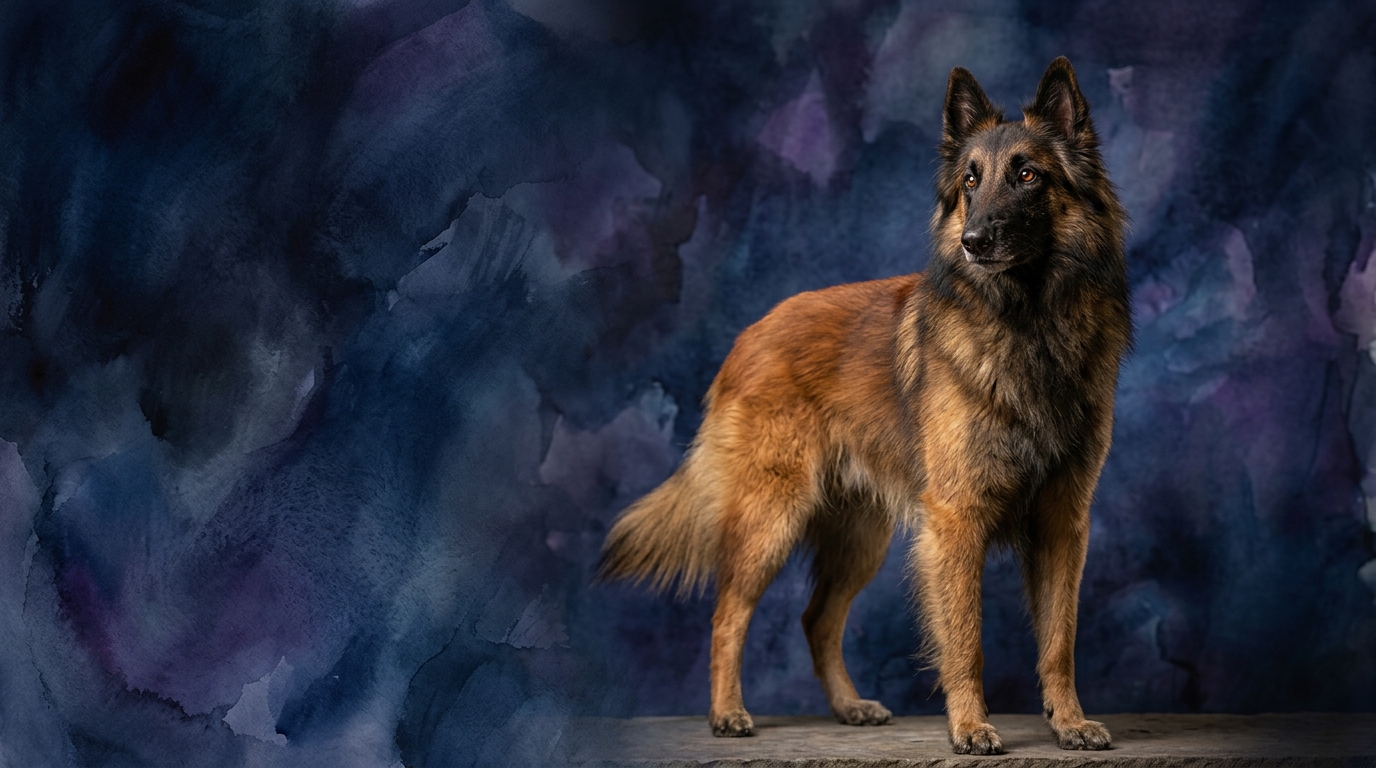
The Cosmic Pet Pet IQ Lab employs a five-dimensional framework to assess canine cognition, offering a granular view beyond generic statements. For the Belgian Tervuren, we observe a profile marked by exceptional cognitive agility. Their Problem Solving is rated 5/5, indicating a remarkable capacity to independently analyze novel situations and devise effective solutions. Training Speed also stands at 5/5, reflecting their rapid assimilation of new commands and routines. Memory, critical for complex tasks and consistent behavior, is likewise a perfect 5/5. Social Intelligence and Instinctive Drive both register at 3/5, suggesting they are adequately attuned to human cues and possess a functional herding impulse, but these aren't their most defining cognitive strengths compared to their problem-solving and learning prowess.
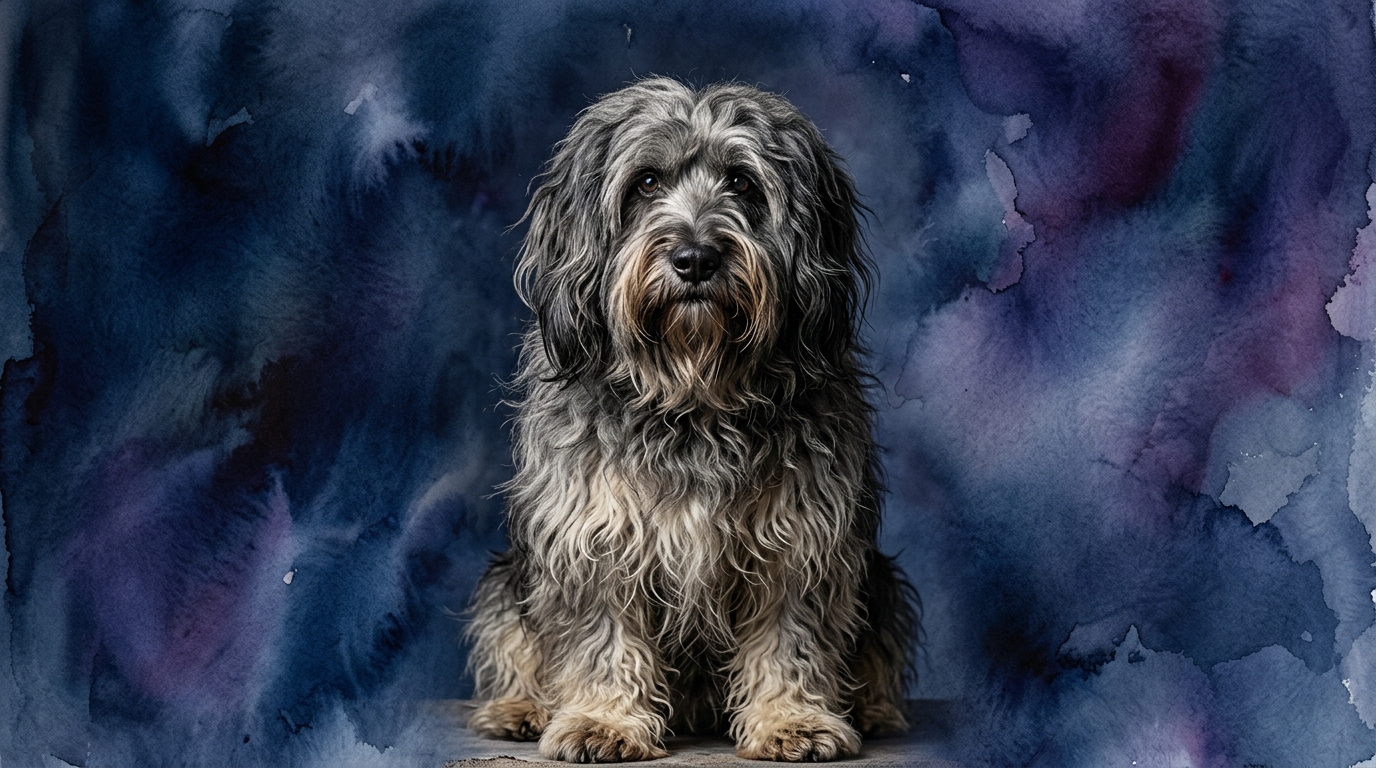
In contrast, the Polish Lowland Sheepdog presents a profile of consistent, steady capability. Across all five dimensions—Problem Solving, Training Speed, Social Intelligence, Instinctive Drive, and Memory—they score a uniform 3/5. This doesn't imply a lack of ability, but rather a more measured and perhaps less demanding cognitive approach compared to the Tervuren. Their 3/5 in Problem Solving indicates they can navigate challenges, but may require more guidance or take a more deliberate path to solutions. A 3/5 Training Speed means they are receptive to learning, but will typically require more repetition and patience than their Tervuren counterparts. Similarly, their 3/5 Memory suggests they retain information reliably, though perhaps not with the same instantaneous recall for intricate sequences. Their Social Intelligence and Instinctive Drive at 3/5 reflect a balanced, adaptable temperament that is neither overly effusive nor intensely driven by primal urges.
Where the Belgian Tervuren Cognitively Excels
The Belgian Tervuren's cognitive strengths are undeniably rooted in its exceptional Problem Solving, Training Speed, and Memory, all scoring 5/5. This breed exhibits a remarkable talent for independent thought and strategic planning, often demonstrating an uncanny ability to figure out complex puzzles or navigate novel environments without extensive human intervention. Their problem-solving isn't just about brute force; it involves a nuanced understanding of cause and effect, allowing them to adapt quickly when initial attempts fail. This makes them adept at tasks requiring sequential thinking, such as advanced obedience routines or competitive dog sports like agility, where anticipating the next obstacle and executing precise movements are paramount.
Furthermore, the Tervuren’s rapid Training Speed means they absorb new concepts with startling alacrity. A few repetitions might be all it takes for them to grasp a new command or a complex behavioral chain. This swift comprehension, coupled with their perfect Memory score, allows them to build an extensive repertoire of learned behaviors and retain them over long periods. Owners can introduce new skills, even multi-step commands, confident that the Tervuren will not only learn them quickly but also recall them accurately months later. This cognitive architecture makes them exceptionally versatile for roles demanding continuous learning, from service work to search and rescue, where quick thinking and reliable memory are non-negotiable.
Where the Polish Lowland Sheepdog Cognitively Shines
While the Polish Lowland Sheepdog's cognitive scores are consistently moderate at 3/5, this uniformity can be its unique strength, especially for owners seeking a predictable and steady companion. Their moderate Problem Solving score means they are capable of navigating challenges, but often prefer a more systematic, less impulsive approach. They might not invent a novel solution on the fly as readily as a Tervuren, but they are persistent and methodical, often working through problems with a determined, step-by-step process. This can translate into a less 'overthinking' or anxious disposition, making them robust in routine situations where consistency is valued over rapid innovation.
The Polish Lowland Sheepdog's consistent 3/5 in Training Speed and Memory, combined with a balanced Social Intelligence and Instinctive Drive, suggests a cognitive profile that is highly adaptable without being overly demanding. They are not easily bored by repetition, often thriving on the predictable structure of regular training sessions. Their consistent memory ensures that once a behavior is learned, it is reliably retained, fostering a sense of steadfastness that many owners appreciate. This breed offers a comfortable middle ground: capable of learning and adapting, but without the intense cognitive demands that might lead to boredom or destructive behaviors if not constantly stimulated. They provide a reliable and amiable cognitive partner for a wide range of family and activity dynamics.
Training Dynamics: Tervuren's Speed vs. PON's Steadiness
When it comes to training, the distinction between these two breeds becomes particularly evident, largely driven by their respective Training Speed and Memory scores. The Belgian Tervuren, with its 5/5 in both categories, is an exceptionally fast learner. They grasp new commands and concepts with remarkable speed, often seeming to anticipate what is expected of them after only a few repetitions. This means that a Tervuren might learn a complex agility course in a fraction of the time it takes other breeds, and once learned, they rarely forget it. Their quick uptake can manifest as a dog that is always eager to learn and capable of performing a wide array of sophisticated tasks, from advanced obedience to scent work, with impressive precision.
The Polish Lowland Sheepdog, scoring 3/5 in Training Speed and Memory, requires a different approach. They are not 'slow' learners in a detrimental sense, but rather more deliberate. Owners should anticipate needing more repetitions and consistent practice to solidify new behaviors. While a Tervuren might pick up 'sit' in one session, a PON might need several, spread over days. This behavioral difference means that training a PON demands more patience and clarity from the handler, but the reward is a deeply ingrained and reliable understanding. They might not execute a new trick with the same flashy speed as a Tervuren, but their performance will be steady and consistent once mastered. This also means that a PON is less likely to 'self-train' or develop complex unwanted behaviors as quickly as a Tervuren might if left to its own devices, offering a more manageable learning curve for some owners.
Owners' Lifestyles: Active Engagement vs. Harmonious Routine
The cognitive profiles of the Belgian Tervuren and Polish Lowland Sheepdog naturally align with different owner lifestyles. The Belgian Tervuren, with its top-tier Problem Solving, Training Speed, and Memory, thrives with active owners who can provide consistent, engaging mental stimulation alongside physical exercise. These dogs are at their best when given a 'job'—whether it's advanced obedience, competitive dog sports, or even complex enrichment puzzles at home. An owner who can dedicate time to daily training sessions, introduce new challenges regularly, and channel their moderate instinctive drive into constructive activities will find an incredibly fulfilling partnership. Without sufficient mental engagement, a Tervuren's sharp mind can become bored, potentially leading to creative but undesirable behaviors as they invent their own 'problems' to solve.
Conversely, the Polish Lowland Sheepdog, with its consistent 3/5 scores across the board, is well-suited for owners who appreciate a harmonious routine and a more predictable cognitive experience. While still a capable herding breed requiring regular exercise, their mental demands are not as intensely high-octane as the Tervuren's. They are content with consistent daily walks, moderate play sessions, and regular but not necessarily complex training. This breed can thrive with owners who enjoy a steady pace, are willing to be patient with training, and desire a companion that is adaptable without requiring constant intellectual fireworks. They still benefit from mental enrichment, but perhaps in the form of scent games or basic obedience refreshers, rather than needing to master advanced calculus daily. They offer a balanced companionship, fitting well into families seeking a capable yet less cognitively demanding partner.
The Verdict
Choose the Belgian Tervuren if you are an experienced, active owner seeking a lightning-fast learner and problem-solver for advanced training, competitive sports, or a 'working' partnership that thrives on continuous mental challenges.
Opt for the Polish Lowland Sheepdog if you prefer a steady, reliable companion with a consistent cognitive profile, appreciating a dog that learns deliberately and thrives on routine, offering a balanced blend of capability and adaptability without extreme mental demands.
🧠 Find Your Pet's IQ Score
Our Pet IQ Lab assessment covers 25+ tests across 5 cognitive dimensions — personalized to your breed.
Take the Full IQ Test →Frequently Asked Questions
Do Polish Lowland Sheepdogs need extensive mental stimulation daily?
While all dogs benefit from mental enrichment, Polish Lowland Sheepdogs, with their 3/5 Problem Solving and Training Speed, require moderate rather than extensive daily mental stimulation. They appreciate consistent routines, regular training refreshers, and engaging play, but typically don't demand the constant, high-level intellectual challenges that breeds with 5/5 cognitive scores might.
Are Belgian Tervurens suitable for first-time dog owners?
Belgian Tervurens possess exceptional cognitive abilities, scoring 5/5 in Problem Solving, Training Speed, and Memory, which means they are highly capable but also very demanding. Their sharp minds and moderate instinctive drive require an owner who is committed to consistent, engaging training and sufficient mental outlets. They are generally better suited for experienced owners who can meet their considerable intellectual needs.
How do their herding instincts manifest differently in daily life?
Both breeds score 3/5 in Instinctive Drive, indicating a moderate herding impulse. In daily life, this means both may exhibit some herding behaviors like nudging or circling family members, but the Tervuren's 5/5 Problem Solving might lead to more creative or persistent attempts to 'manage' its environment. The PON's herding drive might be expressed more predictably, perhaps by keeping family members together, without the same level of strategic improvisation.