Side-by-Side Cognitive Profiles: Belgian Tervuren vs. Scottish Terrier
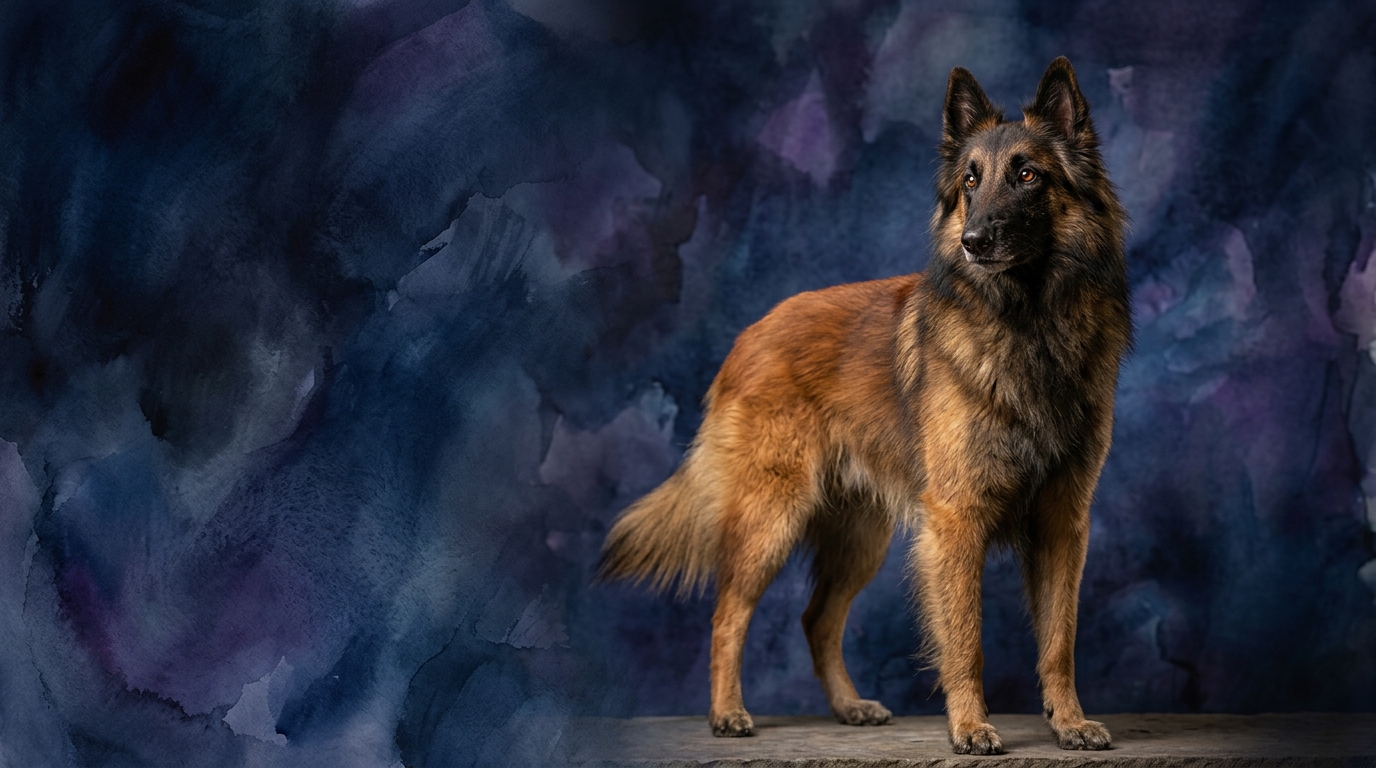
The Belgian Tervuren, a herding breed, registers an impressive Coren rank of #14, indicating a strong capacity for understanding new commands quickly and obeying them reliably. Their cognitive blueprint includes a top-tier Problem Solving score of 5/5, reflecting an exceptional ability to navigate complex situations and strategize solutions independently. Training Speed also sits at a maximum 5/5, meaning they grasp new behaviors with remarkable swiftness, often requiring few repetitions. Their Memory is equally robust at 5/5, ensuring learned commands and experiences are retained over long periods. Social Intelligence and Instinctive Drive are rated 3/5, suggesting a balanced but not overwhelming inclination towards human-centric social cues and a moderate, controlled prey or working drive.
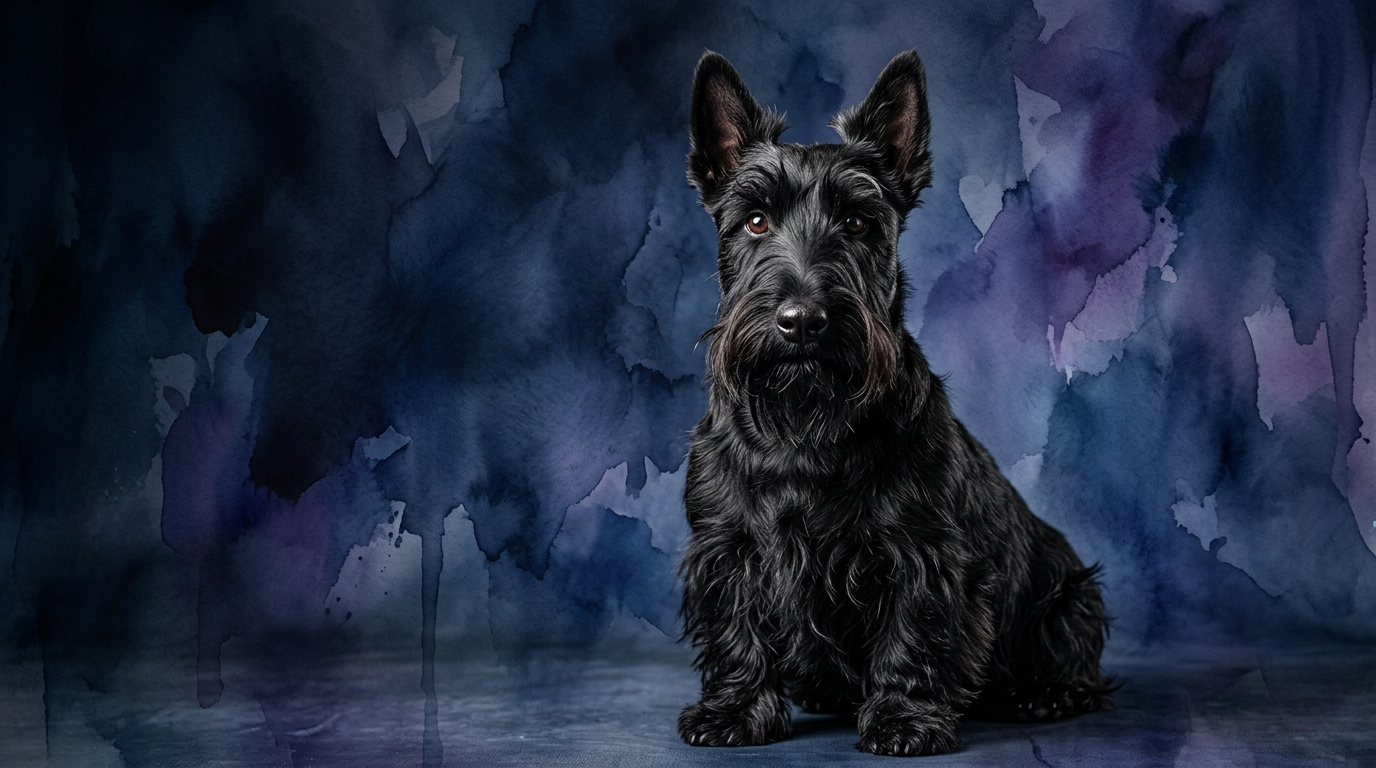
In contrast, the Scottish Terrier, a member of the terrier group, holds a Coren rank of #65, placing them in a category of breeds that may require more repetitions to learn new commands. Their IQ profile shows a consistent 3/5 across several key dimensions: Problem Solving, Training Speed, and Memory. This indicates a competent but not exceptional ability to figure out new challenges, a moderate pace for acquiring new skills, and a solid but not photographic retention of information. Like the Tervuren, their Social Intelligence and Instinctive Drive are also rated 3/5, pointing to a self-reliant nature and a focused, persistent drive typical of their hunting heritage, but without extreme social dependency or overwhelming prey instincts.
Where the Belgian Tervuren's Cognition Shines
The Belgian Tervuren's cognitive strengths are evident in their exceptional Problem Solving, Training Speed, and Memory, all scoring a perfect 5/5. This breed doesn't just follow commands; they possess an innate capacity to analyze novel situations and devise effective solutions, a trait invaluable in complex herding tasks or advanced dog sports like agility. For instance, a Tervuren confronted with a closed gate might not just wait, but actively experiment with latches or seek alternative routes, showcasing their proactive mental engagement. Their rapid acquisition of new skills means that an owner introducing a new trick or a complex sequence of behaviors will see progress in significantly fewer training sessions compared to many other breeds.
Furthermore, the Tervuren's robust Memory, also at 5/5, ensures that once a concept or command is learned, it becomes deeply ingrained. This isn't merely about remembering 'sit' or 'stay'; it extends to recalling intricate patterns in a dog sport routine, remembering specific objects, or navigating familiar environments with precision. This combination of quick learning, effective problem-solving, and lasting retention makes the Tervuren a formidable competitor in obedience and protection work, where precision and reliability are paramount, and allows them to excel in roles requiring independent thought and consistent execution.
Where the Scottish Terrier's Cognition Excels
While the Scottish Terrier's scores of 3/5 in Problem Solving, Training Speed, and Memory might appear moderate, they represent a distinct cognitive profile perfectly suited to their original purpose and independent nature. Their 3/5 Problem Solving isn't about grand strategic thinking, but rather a tenacious, focused approach to overcoming obstacles. A Scottie encountering a small burrow, for example, will persistently dig and explore rather than giving up, demonstrating a practical, goal-oriented application of their intelligence focused on a specific task. This isn't about speed, but about unwavering dedication to a perceived mission.
The Scottish Terrier's 3/5 Instinctive Drive, coupled with their moderate Social Intelligence, actually contributes to their unique cognitive strength: a self-sufficient and determined focus. Unlike breeds that constantly seek human input, a Scottie is capable of sustained, independent work, making decisions based on their own assessment of a situation, particularly when engaged in activities aligned with their terrier instincts. This mental fortitude allows them to pursue tasks with single-minded intensity, even if it means employing a less 'elegant' or immediate solution. Their cognition excels in situations demanding persistence, independence, and a pragmatic approach rather than rapid, complex analysis or eager cooperation.
Ease of Training: A Clear Distinction
When it comes to ease of training, the Belgian Tervuren holds a significant advantage, largely due to their 5/5 Training Speed and 5/5 Memory. They process new information quickly, form associations between commands and actions with minimal repetition, and retain those lessons reliably. This means a Tervuren often picks up a new command after just a handful of trials and can generalize that learning to different environments efficiently. Their willingness to engage and inherent drive to work alongside their handler further streamlines the training process, making them highly responsive to positive reinforcement.
The Scottish Terrier, with a Training Speed and Memory score of 3/5, presents a different training experience. While certainly trainable, they typically require more repetitions and a more patient, consistent approach. Their independence, stemming from their terrier roots, means they may not always see the immediate benefit of complying with a human-initiated command if it doesn't align with their own internal motivations or instinctive drives. Training a Scottie often involves finding ways to make the desired behavior intrinsically rewarding or appealing to their tenacious nature, rather than relying solely on their eagerness to please. Their problem-solving, while tenacious, doesn't always translate to quick obedience in complex, abstract tasks.
Owner Suitability: Active Engagement vs. Independent Spirit
Owners seeking a canine partner for demanding activities will find the Belgian Tervuren an ideal match. Their superior cognitive abilities, particularly in problem-solving and training speed, mean they thrive when given consistent mental challenges alongside their physical exercise. Active owners involved in dog sports like agility, obedience, protection work, or even search and rescue will appreciate the Tervuren's capacity for complex learning and sustained focus. A Tervuren without sufficient mental stimulation can become bored and develop undesirable behaviors, underscoring the need for an engaged and proactive owner.
For owners who appreciate an independent spirit and a dog with a distinct personality, the Scottish Terrier offers rewarding companionship, though not necessarily for a 'relaxed' owner in the sense of minimal engagement. While physically less demanding than a Tervuren, a Scottie still requires consistent mental interaction and structured activities that cater to their innate curiosity and drive. They are well-suited for owners who enjoy a dog that thinks for itself and isn't constantly seeking direction, perhaps preferring structured walks, puzzle toys, and consistent, fair training that respects their self-assured nature. They are not for owners seeking a constantly compliant or overly eager-to-please companion, but rather one who engages on their own terms, often with a mischievous charm.
The Verdict
Choose the Belgian Tervuren if you're an experienced owner ready to engage a highly capable dog in advanced training, dog sports, or demanding working roles, valuing their exceptional learning speed, problem-solving, and memory. They are a partner for those who thrive on complex mental and physical challenges.
Opt for the Scottish Terrier if you appreciate a tenacious, independent canine companion with a pragmatic intelligence, a dog that requires patient, consistent training and respects their self-reliant nature. They are best for owners who enjoy a dog with distinct character and are prepared for a less overtly eager-to-please temperament.
🧠 Find Your Pet's IQ Score
Our Pet IQ Lab assessment covers 25+ tests across 5 cognitive dimensions — personalized to your breed.
Take the Full IQ Test →Frequently Asked Questions
Are Belgian Tervurens good for first-time dog owners?
Belgian Tervurens possess significant cognitive abilities and require substantial mental and physical engagement, making them generally better suited for experienced dog owners who can dedicate time to their training and activities. Their intense drive and intelligence can be overwhelming for novices.
Do Scottish Terriers need a lot of exercise?
Scottish Terriers require regular exercise to stay healthy and happy, but typically less intense and prolonged than a Belgian Tervuren. Daily structured walks, playtime, and mental stimulation through toys or training sessions are usually sufficient to meet their needs.
How do the breeds' social intelligence scores impact their interaction with families?
Both breeds score 3/5 in social intelligence, suggesting they are generally good with their immediate families but may not be overly effusive or universally friendly with strangers. Tervurens might be more reserved, while Scotties can be more independent, requiring proper socialization to ensure polite interactions.