Side-by-Side IQ Profile: Tervuren vs. Coonhound
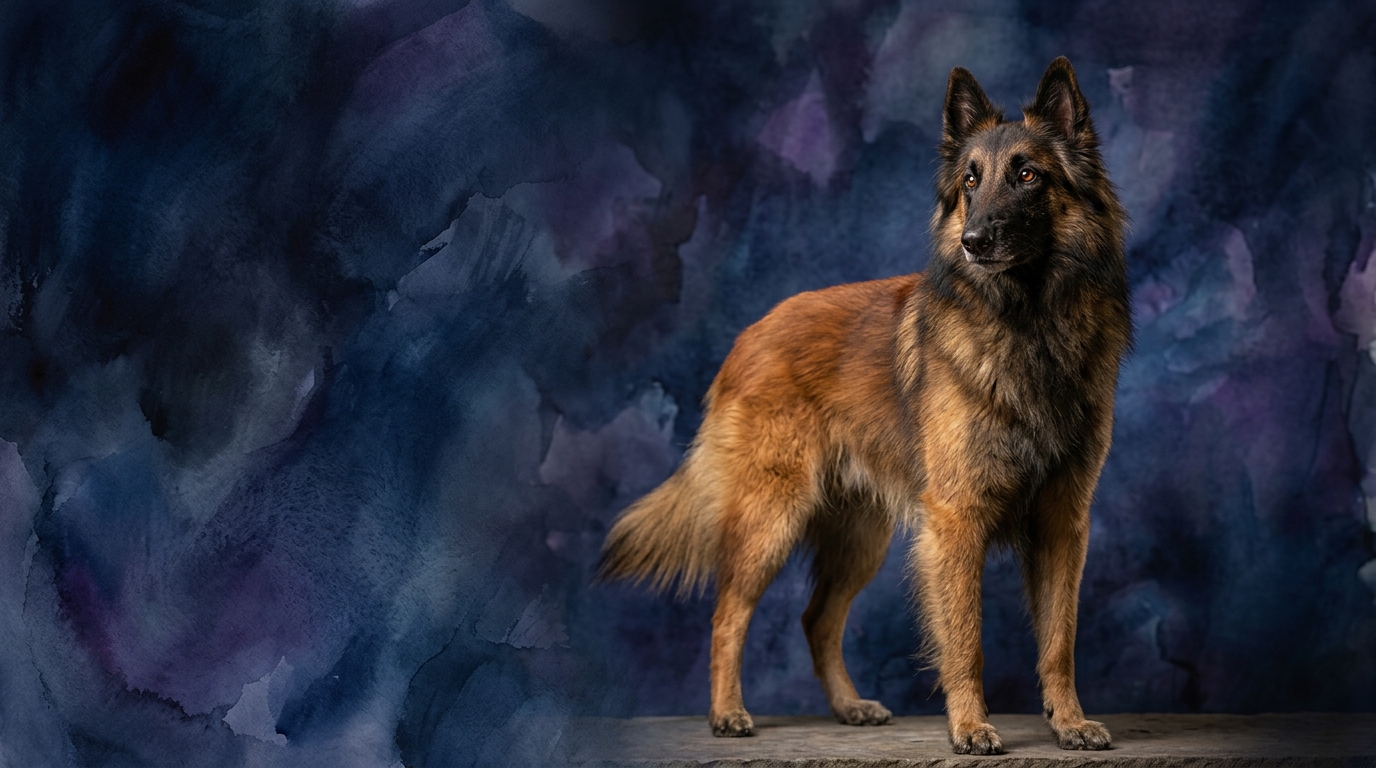
The Belgian Tervuren, a member of the Herding group, registers a Coren rank of #14, indicating a strong capacity for learning and obedience. In our Cosmic Pet Pet IQ Lab, it scores Problem Solving 5/5, Training Speed 5/5, Social Intelligence 3/5, Instinctive Drive 3/5, and Memory 5/5. This breed exhibits exceptional capacity for complex thought, adept at navigating intricate tasks and devising solutions independently. Their herding heritage demands strategic thinking and adapting to changing environmental factors. Tervurens absorb new commands and routines with remarkable swiftness, often requiring minimal repetitions. Their eagerness to engage and focus on their handler contributes significantly to this rapid learning curve. While capable of forming deep bonds, their social acumen tends to be more handler-centric, often reserved with strangers. Their herding instincts are present but typically channeled into purposeful work rather than undirected energy. This drive is often expressed as a desire for a job, requiring mental and physical engagement. Tervurens possess a robust memory, recalling commands, routines, and even specific environmental cues over long periods.
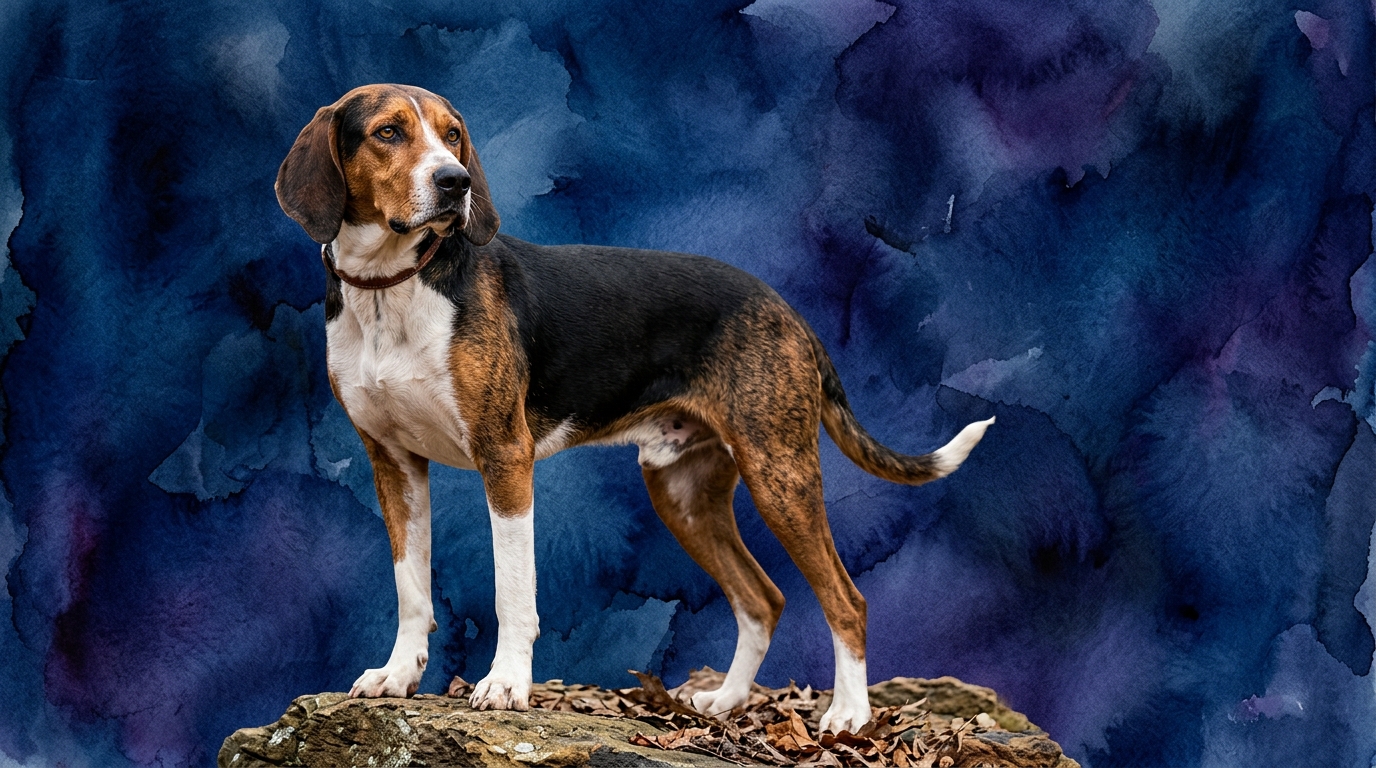
The Treeing Walker Coonhound, a Hound breed, is not Coren-ranked, reflecting a specialized rather than generalized cognitive focus. Our IQ assessment places them at Problem Solving 3/5, Training Speed 3/5, Social Intelligence 3/5, Instinctive Drive 3/5, and Memory 3/5. Coonhounds approach problems with a more pragmatic, direct style. Their cognitive efforts are primarily geared towards scent-driven tasks, focusing on tracking and locating rather than abstract manipulation. They learn at a moderate pace, often requiring consistent, patient repetition. Their independent nature means they might take longer to internalize commands that deviate from their primary drives. These hounds generally display a friendly and sociable demeanor, comfortable within their pack (human or canine), facilitating cooperation during hunts and amiable interactions. The Coonhound's instinctive drive is powerfully directed towards scent work, manifesting as an intense focus on trails and strong vocalization when a scent is tree'd. This drive is a fundamental aspect of their being. Coonhounds have a functional memory, recalling familiar scents, routes, and basic commands. Their memory is less geared towards complex sequences or abstract concepts compared to breeds with higher problem-solving demands.
Where the Belgian Tervuren Wins Cognitively
The Belgian Tervuren clearly excels in domains requiring analytical thought and rapid acquisition of new information. Their Problem Solving score of 5/5 means they are not just capable of following instructions, but of interpreting situations, anticipating outcomes, and adapting their approach. For instance, a Tervuren might quickly learn to open a complex latch or figure out a sequence of obstacles in an agility course without extensive prior demonstration. Furthermore, the Tervuren's 5/5 Training Speed and 5/5 Memory mean they can master a wide array of commands and retain them for prolonged periods. This cognitive agility allows them to transition between different tasks, from obedience to protection work, with impressive fluidity, making them exceptionally versatile learners.
Where the Treeing Walker Coonhound Wins Cognitively
While the Treeing Walker Coonhound's IQ profile doesn't boast the same high scores in abstract problem-solving or training speed, their cognitive strengths lie deeply embedded in their specialized purpose: scent work. Their instinctive drive (3/5) is profoundly channeled into an unparalleled ability to follow complex scent trails, often for miles, over varied terrain, and through distractions. This isn't just a physical act; it requires a sophisticated cognitive map of scents, discerning subtle differences, and maintaining focus on a specific quarry. A Coonhound's "problem-solving" in this context is about unraveling a scent puzzle, a task where their 3/5 Problem Solving is perfectly tuned for their ancestral job. Their social intelligence (3/5) supports cooperative hunting, allowing them to work effectively with other hounds or their human partners in pursuit of a common goal, demonstrating a practical, applied form of cognition.
Which is Easier to Train and Why
The Belgian Tervuren presents as the unequivocally easier breed to train for a broad spectrum of tasks, primarily due to their exceptional Training Speed (5/5) and Problem Solving (5/5). They possess an inherent desire to work alongside their human companions and a strong capacity to grasp new concepts quickly. For example, teaching a Tervuren complex obedience routines or intricate agility sequences often involves fewer repetitions and a quicker understanding of the desired outcome. Their strong memory also ensures that once a command is learned, it is retained. In contrast, the Treeing Walker Coonhound, with a Training Speed of 3/5, requires significantly more patience and consistency. Their independent nature means they are less inclined to automatically follow human directives when their powerful instinctive drive to track takes precedence. They can learn, but their motivation often needs to be strongly linked to natural drives, making traditional obedience more of a persistent endeavor.
Which Suits Active Owners vs. Relaxed Owners
For active owners seeking a true partner in demanding activities, the Belgian Tervuren is an ideal match. Their robust physical stamina combined with their high cognitive engagement (Problem Solving 5/5, Training Speed 5/5) means they thrive on structured work, advanced training, and vigorous exercise like agility, competitive obedience, or protection sports. They demand consistent mental stimulation to prevent boredom and destructive behaviors, making them unsuitable for a truly relaxed, low-activity lifestyle. Conversely, while Treeing Walker Coonhounds are also active outdoors, their activity is more specialized and less universally adaptable to diverse canine sports. They are best suited for owners who enjoy long walks, hiking, or field activities where their scenting abilities can be indulged. For a truly relaxed owner, even a Coonhound might be too much, as their strong prey drive and need to follow their nose mean they require secure environments and consistent recall training. However, they are generally content to relax indoors after a good exercise session, making them a better fit for owners who appreciate their independent spirit but don't require constant, intricate engagement.
The Verdict
Choose the Belgian Tervuren if you are an experienced, active owner seeking a highly engaged, versatile partner for advanced training, complex tasks, and dog sports, valuing rapid learning and a deep working bond.
Opt for the Treeing Walker Coonhound if you appreciate an independent, affable companion with an exceptional nose, suited for long outdoor adventures and a life where their tracking instincts can be channeled, even if it means a more patient training journey.
🧠 Find Your Pet's IQ Score
Our Pet IQ Lab assessment covers 25+ tests across 5 cognitive dimensions — personalized to your breed.
Take the Full IQ Test →Frequently Asked Questions
Is the Belgian Tervuren suitable for first-time dog owners?
The Belgian Tervuren's intense cognitive needs and high energy levels often make them a challenging choice for first-time dog owners. Their rapid learning speed means they can pick up bad habits quickly, requiring an owner who can provide consistent, knowledgeable guidance and abundant mental stimulation.
Do Treeing Walker Coonhounds make good family pets despite their hunting background?
Yes, Treeing Walker Coonhounds can make excellent family pets, known for their amiable and tolerant nature with children and other dogs when properly socialized. Their strong independent streak means they are not always 'velcro dogs,' but they are affectionate and enjoy being part of the family after a good exercise session.
How do the instinctive drives differ in daily life for these breeds?
The Tervuren's instinctive drive often manifests as a desire for purpose and control, potentially leading to herding attempts with children or other pets if not directed. The Coonhound's drive, conversely, is almost entirely scent-focused, meaning they will relentlessly follow interesting smells, potentially ignoring commands and requiring a secure, fenced yard and leash control.