Side-by-Side Cognitive Profiles
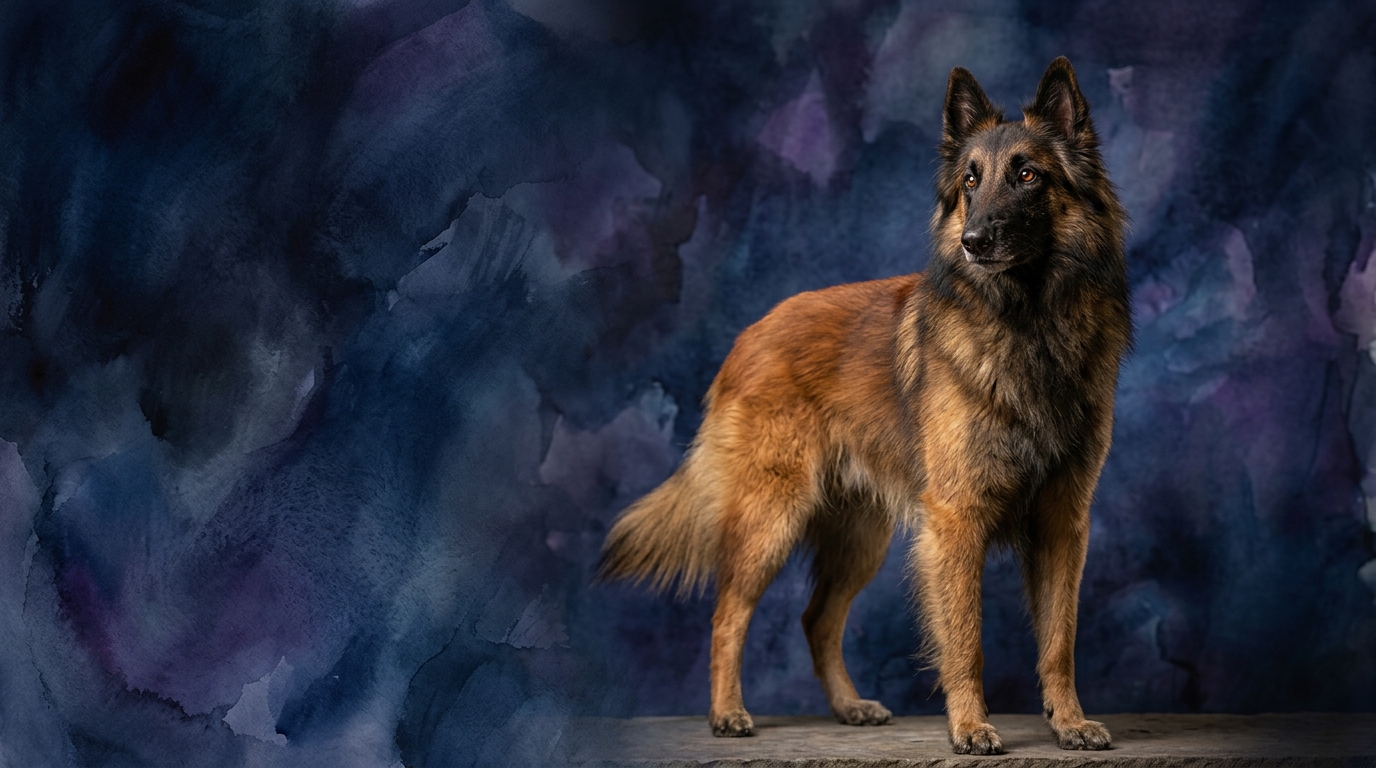
The Belgian Tervuren, holding the #14 rank on Stanley Coren's intelligence scale, presents a formidable cognitive profile. Its Problem Solving is rated 5/5, indicating an exceptional capacity for analytical thought and strategic planning, often observed in complex herding tasks or advanced obedience routines. Training Speed also scores a perfect 5/5, reflecting their eagerness to learn, quick grasp of new commands, and high retention rate. Social Intelligence stands at 3/5; while they understand human cues, they tend to be more task-focused and reserved than broadly gregarious, prioritizing their work over casual social interaction. Their Instinctive Drive is 3/5, rooted in their herding heritage, which manifests as a purposeful desire to manage and organize, rather than an unbridled predatory impulse. Finally, Memory is a stellar 5/5, allowing them to recall intricate sequences, extensive command sets, and past experiences with remarkable precision, crucial for consistent performance in demanding roles.
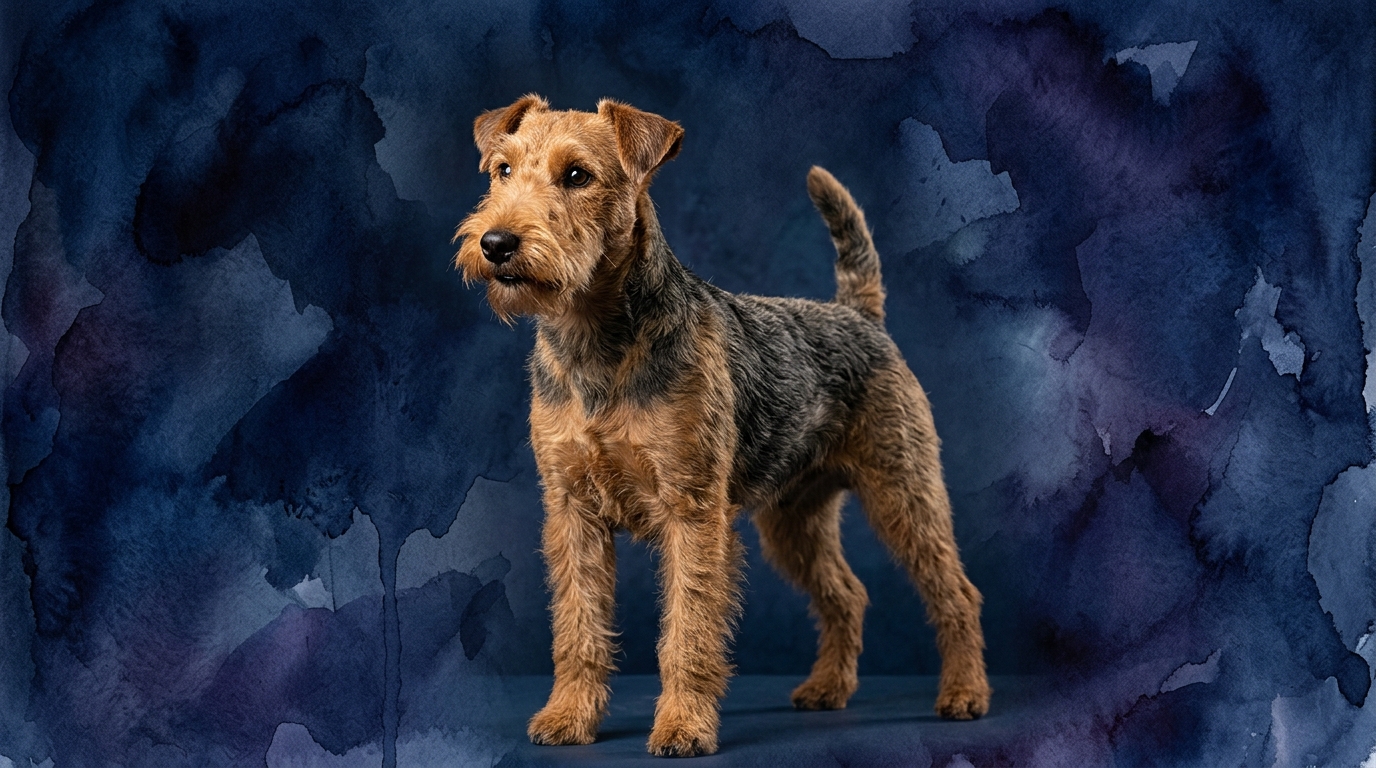
The Welsh Terrier, while not appearing on Coren's ranking, possesses a distinct set of cognitive strengths tailored to its terrier lineage. Its Problem Solving is rated 3/5, suggesting a practical, immediate approach to challenges, particularly those involving physical obstacles or navigating confined spaces, rather than abstract multi-step puzzles. Training Speed is 3/5; they are capable learners but often require more consistent motivation and repetition due to their independent streak. Social Intelligence also rates 3/5; they form deep bonds with their families but can be discerning with strangers, engaging on their own terms. Their Instinctive Drive is 3/5, characterized by a potent prey drive and a persistent, often singular focus on a target, reflecting their historical role as vermin hunters. Memory is 3/5, meaning they retain learned behaviors and routines effectively for their needs, though perhaps not with the extensive, complex recall seen in a Tervuren, allowing them to adapt readily to immediate situations without being overly burdened by past, intricate commands.
Where the Belgian Tervuren Excels Cognitively
The Belgian Tervuren's cognitive superiority is most evident in its exceptional problem-solving and memory capabilities. With a 5/5 in Problem Solving, these dogs don't just react; they strategize. This translates into an ability to understand and execute multi-step commands, navigate complex agility courses with minimal handler input, or anticipate the movements of a flock in a herding trial. Their cognitive prowess allows them to excel in roles requiring abstract thought and predictive analysis, such as identifying patterns or adapting a learned sequence to a novel situation. Furthermore, their perfect 5/5 Memory means they can store and retrieve a vast repertoire of commands, handler signals, and past experiences with astonishing accuracy. This deep memory is critical for consistency in high-stakes environments, enabling them to perform intricate routines flawlessly time and again, remembering every nuance of a previous lesson or a specific scent trail without faltering.
Where the Welsh Terrier Shines Cognitively
While the Welsh Terrier doesn't boast the same high scores as the Tervuren, its cognitive strengths are uniquely suited to its purpose and temperament. Its 3/5 Problem Solving is characterized by a tenacious, practical intelligence focused on immediate, physical challenges. A Welsh Terrier excels at independently figuring out how to navigate tight spaces, extract a toy from a difficult spot, or overcome an obstacle in its path, driven by its intrinsic motivation rather than awaiting human direction. This isn't about abstract logic, but about persistent, hands-on solutions. Its 3/5 Instinctive Drive fuels an unwavering, singular focus when pursuing a scent or engaging with a perceived 'quarry,' demanding a specific kind of cognitive persistence and single-mindedness that allows them to ignore distractions and achieve their goal. Their moderate memory (3/5) can be an advantage in certain scenarios, allowing them to adapt quickly to new, immediate situations without being overly burdened by complex past sequences, fostering a nimble and present-focused approach to their environment.
Trainability: Tervuren's Eagerness vs. Welsh Terrier's Independence
When it comes to trainability, the contrast between these two breeds is stark, rooted in their fundamental cognitive wiring and historical roles. The Belgian Tervuren, with its 5/5 Training Speed and 5/5 Memory, is generally considered far easier to train for complex tasks. Their herding heritage has instilled a deep desire to work collaboratively with a human handler, making them highly responsive to commands and quick to grasp new concepts. They thrive on structured learning, absorbing complex sequences and cues with impressive speed and retaining them over long periods. Behavioral differences like their intense focus and inherent desire to please their handler contribute significantly to their trainability. In contrast, the Welsh Terrier, with its 3/5 Training Speed and strong independent streak (part of its 3/5 Instinctive Drive), presents a different training challenge. While capable of learning, they often require more patience, creativity, and consistency. Their terrier tenacity means they are more likely to question a command if it conflicts with their innate drives, or simply choose to pursue something more interesting. They are partners, not subordinates, and effective training with a Welsh Terrier often involves convincing them that cooperation is their idea, rather than simply issuing a command.
Matching Breeds to Lifestyles: Active Engagement vs. Spirited Companionship
Selecting between these breeds hinges significantly on an owner's lifestyle and their willingness to engage with their dog's specific cognitive and physical needs. The Belgian Tervuren demands an owner dedicated to providing consistent, high-level mental and physical stimulation. Their 5/5 problem-solving and memory, combined with a strong working drive, mean they require a 'job'—be it advanced obedience, agility, protection work, or competitive herding. An owner seeking a highly engaged, structured working partner who thrives on complex training and mental challenges will find the Tervuren an unparalleled companion. A relaxed or inexperienced owner might inadvertently foster anxiety or destructive behaviors in a Tervuren whose profound cognitive needs are left unfulfilled. The Welsh Terrier, while also active, suits an owner who appreciates a spirited, independent companion and is prepared to channel their innate terrier instincts. They need consistent physical activity, outlets for digging and exploring, and a secure environment. Owners who enjoy patient, consistent training to manage their tenacity and provide appropriate outlets for their investigative and hunting drives will thrive with a Welsh Terrier. They may not demand the same type of intense, structured cognitive work as the Tervuren, preferring to engage with their environment on their own terms, making them suitable for owners who value a dog's self-reliance alongside loyalty.
The Verdict
Choose a Belgian Tervuren if you are an experienced owner seeking a highly trainable, cognitively brilliant partner for advanced dog sports, demanding work, or complex obedience, and you thrive on providing extensive mental engagement and structured interaction.
Opt for a Welsh Terrier if you value an independent, spirited companion with a zest for life, are prepared for consistent, patient training to channel their instincts, and desire a dog that engages with the world with tenacious self-reliance.
🧠 Find Your Pet's IQ Score
Our Pet IQ Lab assessment covers 25+ tests across 5 cognitive dimensions — personalized to your breed.
Take the Full IQ Test →Frequently Asked Questions
Are Belgian Tervurens suitable for first-time dog owners?
Generally, no. Their exceptional cognitive abilities and high drive require an experienced owner committed to consistent, structured training and extensive mental and physical stimulation to prevent behavioral issues.
Do Welsh Terriers typically get along well with other household pets?
Welsh Terriers possess a strong prey drive (Instinctive Drive 3/5), which can make cohabitation with smaller pets challenging. Early and consistent socialization is crucial, but supervision is often necessary, especially with cats or rodents.
What are the best types of mental enrichment for a Belgian Tervuren?
Given their 5/5 Problem Solving and Memory, Tervurens thrive on complex activities like advanced obedience, agility, scent work, competitive herding, interactive puzzle toys, and learning new, intricate tricks or routines.