
Side-by-Side IQ Profile
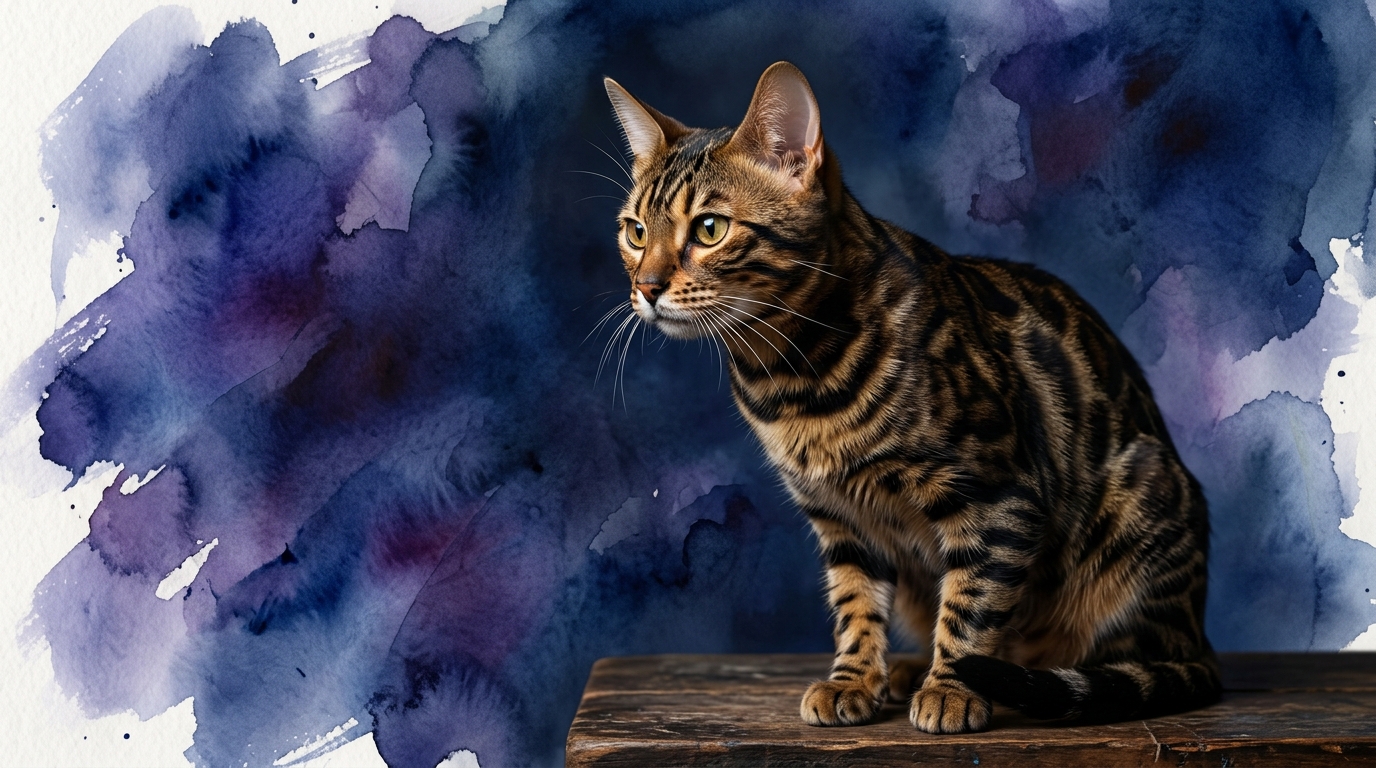
Bengal: This breed consistently scores at the top of the cognitive spectrum. Their Problem Solving (5/5) is outstanding, manifesting as a persistent drive to understand and manipulate their environment, often opening cabinets, figuring out puzzle toys, or even learning to operate simple mechanisms. Training Speed (4/5) reflects their rapid acquisition of new commands and tricks, often needing fewer repetitions than other breeds to master complex sequences, making them highly receptive to clicker training and leash walking. Social Intelligence (4/5) enables them to form deep, intricate bonds with their human companions, often reading emotional cues and engaging in nuanced interactions. Their Instinctive Drive (5/5) is exceptionally strong, rooted in their wild ancestry, which translates to a powerful urge to hunt, explore, and climb, requiring ample mental and physical outlets. Finally, Memory (5/5) is a significant asset, allowing them to recall complex routines, recognize specific individuals even after long absences, and remember the solutions to previously encountered puzzles.
Birman: In contrast, the Birman demonstrates a more balanced and moderate cognitive profile. Their Problem Solving (3/5) indicates a capacity to navigate their world effectively, though they typically prefer established routines over actively seeking out novel challenges or complex environmental manipulations. Training Speed (3/5) suggests they are trainable, capable of learning basic commands and house rules, but they may require more consistent, patient repetition and positive reinforcement to solidify new behaviors compared to their more rapidly learning counterparts. Social Intelligence (3/5) manifests as a gentle, affectionate nature; they are highly attuned to their family members and enjoy companionship, often seeking out proximity and gentle interaction rather than initiating complex social games. Their Instinctive Drive (3/5) is present but not overwhelming, satisfying their natural feline urges with moderate play and exploration, without the intense, demanding energy seen in breeds with higher scores. Memory (3/5) allows them to remember familiar faces, routines, and safe spaces, contributing to their sense of security and their ability to thrive in a stable home environment, though they might not retain intricate sequences or solutions to complex puzzles with the same tenacity as a Bengal.
Where Bengal Wins Cognitively
The Bengal's cognitive strengths lie in their exceptional capacity for environmental mastery and complex learning. Their superior Problem Solving (5/5) means they possess an innate drive to investigate, disassemble, and understand how things work, often outsmarting childproof locks or figuring out how to access forbidden areas. This curiosity, combined with a powerful Instinctive Drive (5/5), makes them relentless explorers who use their intellect to navigate challenging physical spaces, scale heights, and engage in sophisticated hunting-like play. Owners often observe Bengals meticulously planning their approach to a new puzzle toy or strategizing how to “catch” a laser pointer, showcasing a level of cognitive engagement that goes beyond simple reaction. Furthermore, their Memory (5/5) allows them to retain these learned solutions and complex routes, enabling them to consistently apply past knowledge to new situations, making them adept at remembering elaborate game rules or the optimal path to a hidden treat.
Where Birman Wins Cognitively
While the Birman's cognitive scores are generally more moderate, their profile presents distinct advantages for certain lifestyles and owner preferences. Their Problem Solving (3/5), while not as high as a Bengal's, means they are less likely to become bored and destructive by actively seeking to dismantle household items or engineer elaborate escape routes from secure enclosures, offering a more predictable and less challenging home environment. Their balanced Instinctive Drive (3/5) results in a less demanding need for intense, prey-driven play, making them content with gentler interactions and a more relaxed pace of life, which is a clear benefit for owners not seeking a cat that constantly requires high-energy engagement. The Birman's moderate Social Intelligence (3/5) allows for a stable, affectionate, and comforting presence without the potentially overwhelming or intricate social demands that a more intensely social breed might exhibit, making them ideal companions for those valuing calm, consistent bonding. Their Memory (3/5), sufficient for routines and familiar faces, ensures they are comfortable in their established environment and recognize their beloved family members, contributing to a sense of security and belonging without the hyper-awareness of every minor change that higher-memory cats might display.
Which is Easier to Train and Why
The Bengal, with a Training Speed of 4/5, is generally considered easier to train for complex tasks and a wider range of behaviors. Their high problem-solving and memory scores mean they grasp new concepts quickly and retain them effectively. For instance, a Bengal can often be clicker-trained to perform multiple tricks in a single session, walk on a leash with confidence, and even learn to fetch specific toys on command. Their intense curiosity and high instinctive drive can be channeled into training, as they are often motivated by the challenge itself and the reward of engagement. In contrast, the Birman, with a Training Speed of 3/5, is certainly trainable, but the process typically requires more patience and consistency. While they can learn basic commands like coming when called or using a scratching post, they may not exhibit the same rapid acquisition of complex sequences. Their moderate instinctive drive means that “prey” type games might not be as universally motivating, requiring owners to find other forms of positive reinforcement, such as gentle praise or favored treats, to encourage desired behaviors.
Which Suits Active Owners vs Relaxed Owners
For the active owner seeking a feline companion who demands and thrives on constant engagement, the Bengal is an ideal match. Their exceptional Problem Solving (5/5), coupled with a powerful Instinctive Drive (5/5), means they require a stimulating environment filled with puzzle toys, climbing opportunities, and interactive play sessions to prevent boredom and potential destructive behaviors. These cats often initiate play, demand attention, and enjoy learning new things, making them perfect for owners who appreciate a mentally and physically demanding pet. Conversely, the Birman is exceptionally well-suited for relaxed owners who desire a calmer, more predictable companion. Their moderate scores across all cognitive dimensions mean they are content with a more tranquil home environment and regular, but not incessant, interaction. While they enjoy play and affection, their Instinctive Drive (3/5) is less intense, and their Problem Solving (3/5) less insistent, meaning they are less likely to create their own “entertainment” by exploring forbidden areas or disassembling household items. They thrive on routine and gentle companionship, making them a comforting presence for those seeking a more serene feline friend.
The Verdict
Select a Bengal if you are an active, engaged owner prepared to provide extensive mental stimulation, interactive play, and consistent training for a sharp, curious, and physically agile companion.
Opt for a Birman if you seek a gentle, affectionate, and predictable feline friend who thrives on routine, calm companionship, and does not demand intense, constant mental or physical challenges.
🧠 Find Your Pet's IQ Score
Our Pet IQ Lab assessment covers 25+ tests across 5 cognitive dimensions — personalized to your breed.
Take the Full IQ Test →Frequently Asked Questions
Are Bengals good with other pets?
Bengals, with their 4/5 social intelligence and high instinctive drive, can coexist with other pets, especially if introduced thoughtfully and socialized early, though their prey drive may require careful supervision with very small animals.
Do Birmans like to play?
Yes, Birmans enjoy playing, though their 3/5 instinctive drive means their play tends to be less intense and more focused on gentle interaction, often preferring feather wands or soft toys over highly stimulating chase games.
How much attention does a Bengal need daily?
Bengals, with their high social intelligence and cognitive drive, require significant daily attention, including interactive play, puzzle solving, and training sessions, often for several hours spread throughout the day to keep them mentally satisfied.