Side-by-Side Cognitive Profiles: Decoding Feline Minds
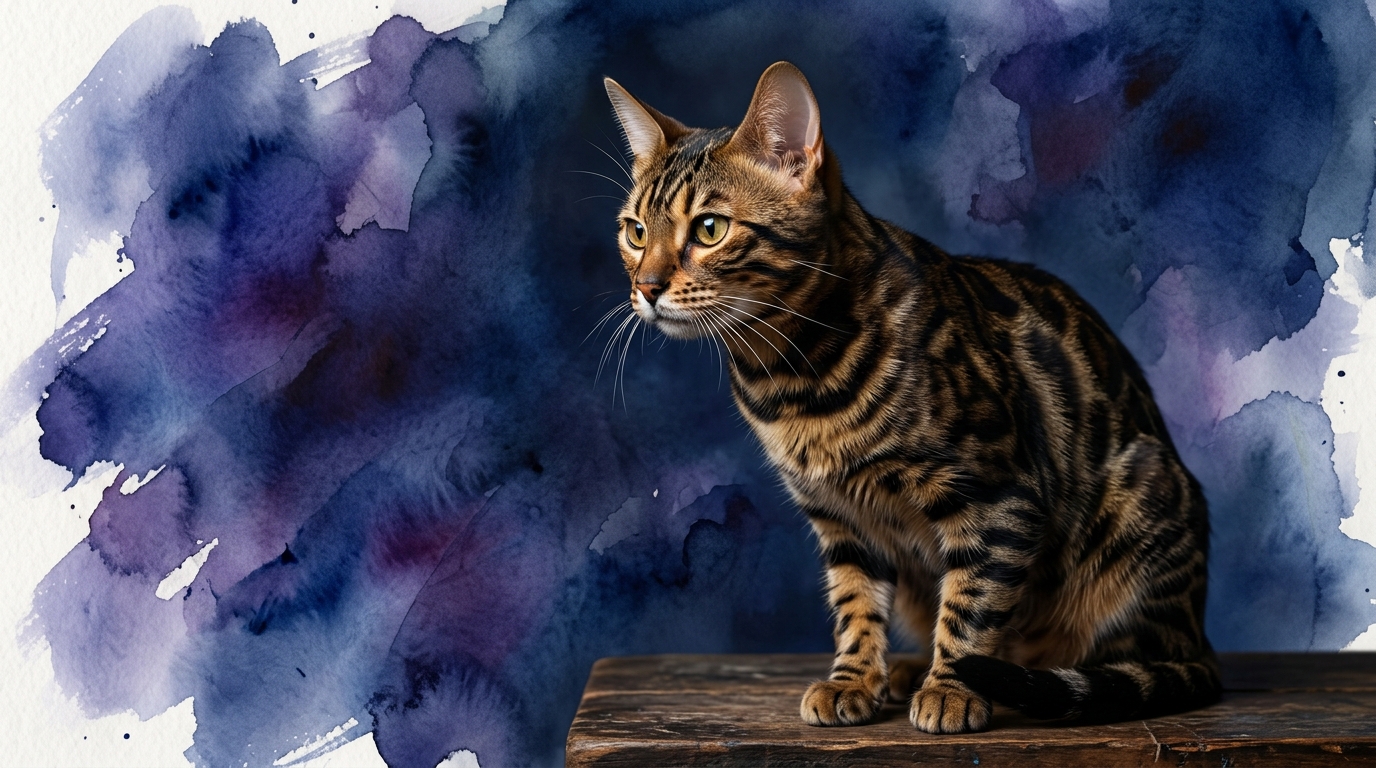
At The Cosmic Pet Pet IQ Lab, we analyze feline intelligence across five crucial dimensions, offering a nuanced view beyond mere 'smartness.' For the Bengal cat, a breed with wild Asian Leopard Cat ancestry, these scores paint a picture of sharp, adaptable cognition. Their Problem Solving is rated 5/5, indicating an exceptional capacity to navigate complex environments, figure out puzzles, and devise creative solutions to achieve goals, whether it's opening cupboards or retrieving hidden toys. Training Speed stands at 4/5, suggesting they absorb new commands and routines quickly, often with a keen eagerness to engage. Social Intelligence, also 4/5, reflects their ability to interpret human cues, form strong bonds, and adapt their behavior within a social structure, though their independence remains a strong trait. An Instinctive Drive of 5/5 highlights their strong prey drive, exploratory nature, and deep-seated natural behaviors that keep them active and engaged. Finally, their Memory, rated 5/5, means they recall past experiences, learned behaviors, and even specific locations with remarkable accuracy over extended periods.
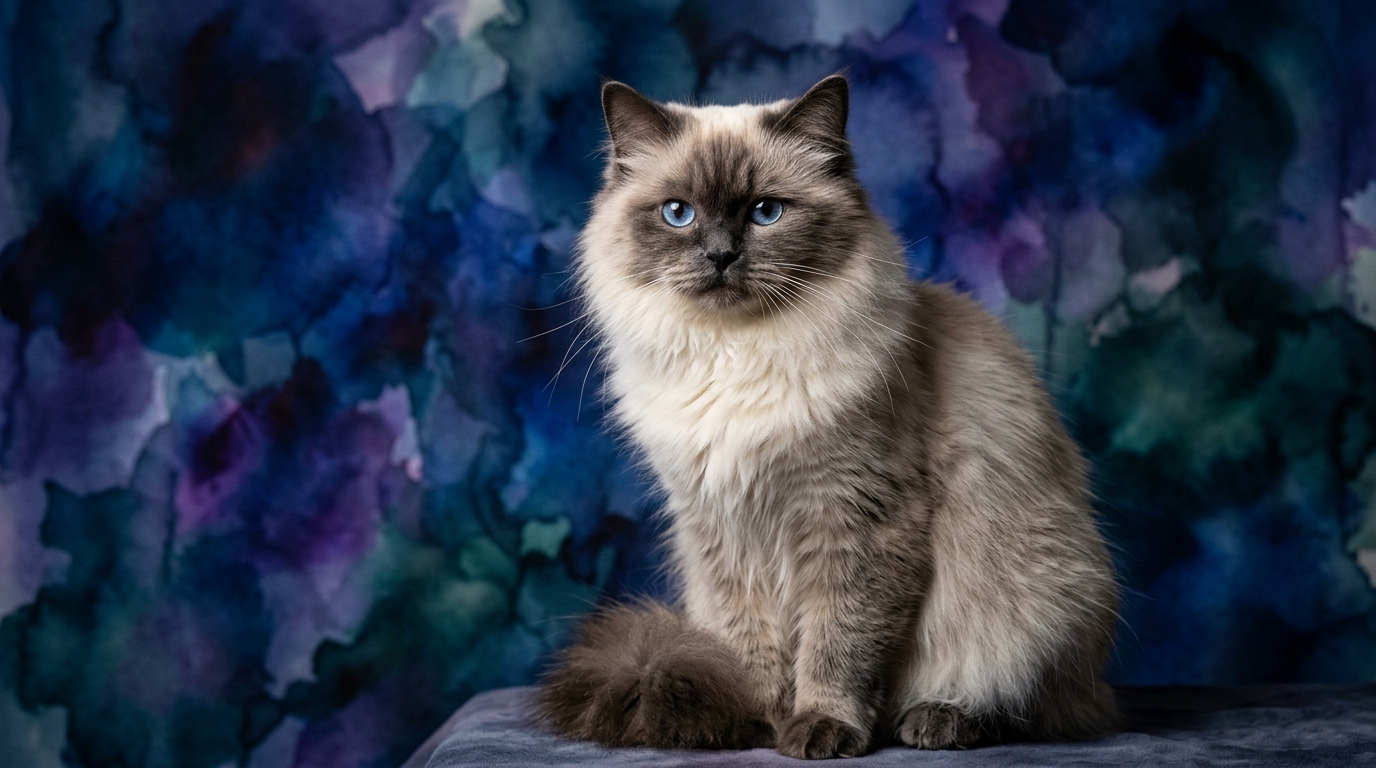
In contrast, the Himalayan cat, a breed cherished for its tranquil disposition and luxurious coat, presents a different cognitive profile, perfectly suited to its calm demeanor. Their Problem Solving registers at 3/5, indicating a moderate ability to tackle new cognitive challenges; they can learn routines and solve straightforward problems but may not actively seek out complex mental stimulation. Training Speed is also 3/5, meaning they are capable of learning commands and house rules, though they might require more patience and repetition compared to more driven breeds. A Social Intelligence score of 3/5 suggests they are affectionate and enjoy companionship but might be less inclined to engage in intricate social games or interpret subtle human emotions with the same depth as a Bengal. Their Instinctive Drive, rated 3/5, points to a more relaxed approach to life; while they retain natural cat instincts, these are typically less intense and directed more towards comfort and gentle play rather than intense hunting or exploration. Lastly, their Memory, at 3/5, allows them to remember their human companions, routines, and safe spaces effectively, forming lasting attachments, though perhaps not recalling intricate sequences of events with the same detail as a Bengal.
Where the Bengal Cat's Cognition Shines Brightest
The Bengal's cognitive strengths are undeniably impressive, reflecting their unique genetic heritage. Their perfect 5/5 score in Problem Solving means these cats are natural strategists; they don't just react to their environment, they actively engage with it, often finding ingenious ways to overcome obstacles. This translates into behaviors like figuring out how to open doors, manipulate puzzle toys, or even turn on faucets, demonstrating a profound capacity for analytical thought. Coupled with a 5/5 in Instinctive Drive, Bengals possess an insatiable curiosity and a powerful urge to explore, climb, and 'hunt' even in a domestic setting, which fuels their problem-solving endeavors. They are driven to investigate, which naturally leads them to encounter and resolve cognitive challenges. Their 5/5 Memory further amplifies these traits, allowing them to learn from every success and failure, building a repertoire of effective strategies and remembering intricate details of their surroundings and interactions, making them incredibly adaptable learners.
The Himalayan Cat's Unique Cognitive Contributions
While the Himalayan's cognitive profile might appear less 'driven' than the Bengal's, their 3/5 scores across the board contribute to a distinct and equally valuable feline experience. Their moderate Problem Solving capacity means they are content with a predictable, comfortable routine, finding satisfaction in familiar patterns rather than constantly seeking new challenges. This translates to a calmer household presence, less prone to destructive exploration fueled by intense curiosity. A 3/5 in Social Intelligence means they are affectionate and enjoy quiet companionship, often preferring to observe or cuddle rather than demanding constant interactive play, making them ideal for owners who appreciate a gentle, present companion. Their 3/5 Instinctive Drive allows them to maintain natural cat behaviors like napping in sunbeams or gentle play with toys, but without the intense, often demanding, energy of a higher-drive breed. This balance ensures they are engaged with their environment and their people, but in a way that prioritizes tranquility and comfort.
Training: A Tale of Two Temperaments
When it comes to training, the differences between Bengals and Himalayans become particularly clear, largely due to their disparate scores in Training Speed and Instinctive Drive. The Bengal, with a 4/5 Training Speed and 5/5 Instinctive Drive, typically takes to training with remarkable alacrity. Their innate curiosity and strong drive to interact, coupled with excellent memory, mean they often view training as another engaging problem to solve or a stimulating game. They thrive on mental engagement and can quickly master complex tricks, leash walking, or even clicker training, often enjoying the process itself. Their high instinctive drive means they are often motivated by play and 'hunting' simulations, making positive reinforcement with toys or interactive games highly effective.
The Himalayan, with a 3/5 Training Speed and 3/5 Instinctive Drive, approaches training from a different perspective. While they are certainly capable of learning, their motivation is typically less about the thrill of the challenge and more about routine and comfort. They may require more patience, shorter training sessions, and consistent positive reinforcement, often responding well to food rewards and gentle praise. Their lower instinctive drive means they might not be as eager to engage in high-energy training games, but they can reliably learn house rules, litter box etiquette, and basic commands if approached with understanding and consistency. Their training success often hinges on establishing a calm, trusting relationship rather than leveraging intense play drives.
Matching Feline Minds to Lifestyles: Active vs. Relaxed Owners
The distinct cognitive profiles of Bengals and Himalayans naturally align with different owner lifestyles. For active owners who thrive on interaction, engagement, and a dynamic home environment, the Bengal is an exceptional match. Their 5/5 Problem Solving and Instinctive Drive demand regular mental and physical stimulation, making them ideal companions for those who enjoy teaching tricks, providing puzzle toys, or even taking their cat on adventures. Their 4/5 Social Intelligence means they'll form deep, interactive bonds, often participating actively in household life. These are cats who need their minds challenged and their bodies exercised, and they will reward their owners with playful antics and an engaging presence.
Conversely, for relaxed owners seeking a serene, affectionate, and less demanding companion, the Himalayan is often the perfect fit. Their consistent 3/5 scores across the board mean they are content with a more predictable and tranquil existence. They enjoy quiet companionship, gentle petting, and a comfortable lap, without the intense need for constant mental puzzles or high-energy play. Their moderate Social Intelligence means they will be loving and present, but typically in a more understated way, appreciating calm routines and a peaceful home. These cats offer a comforting presence and are well-suited to individuals or families who appreciate a beautiful, calm feline friend to share their quiet moments.
The Verdict
Choose a Bengal if you are an active, engaged owner ready to provide consistent mental stimulation and physical activity for a clever, curious, and interactive feline companion.
Opt for a Himalayan if you seek a calm, affectionate cat who thrives on a predictable routine and offers gentle companionship, preferring quiet moments over constant mental challenges.
🧠 Find Your Pet's IQ Score
Our Pet IQ Lab assessment covers 25+ tests across 5 cognitive dimensions — personalized to your breed.
Take the Full IQ Test →Frequently Asked Questions
Are Bengal cats destructive due to their high instinctive drive?
Bengal cats' 5/5 instinctive drive can lead to energetic exploration and play. Providing ample enrichment like climbing structures, puzzle toys, and interactive play sessions can channel this energy constructively, preventing destructive behaviors.
Can a Himalayan cat learn tricks despite lower training speed?
Yes, a Himalayan cat can certainly learn tricks, though their 3/5 training speed means it might require more patience and consistency. Focus on positive reinforcement, shorter sessions, and make training a calm, rewarding experience to see success.
How do their social intelligence scores impact household dynamics?
A Bengal's 4/5 social intelligence means they are often highly interactive and adaptable within a family, while a Himalayan's 3/5 score suggests they are affectionate but might prefer quieter interactions. Both can thrive in various households, but Bengals might demand more direct engagement.