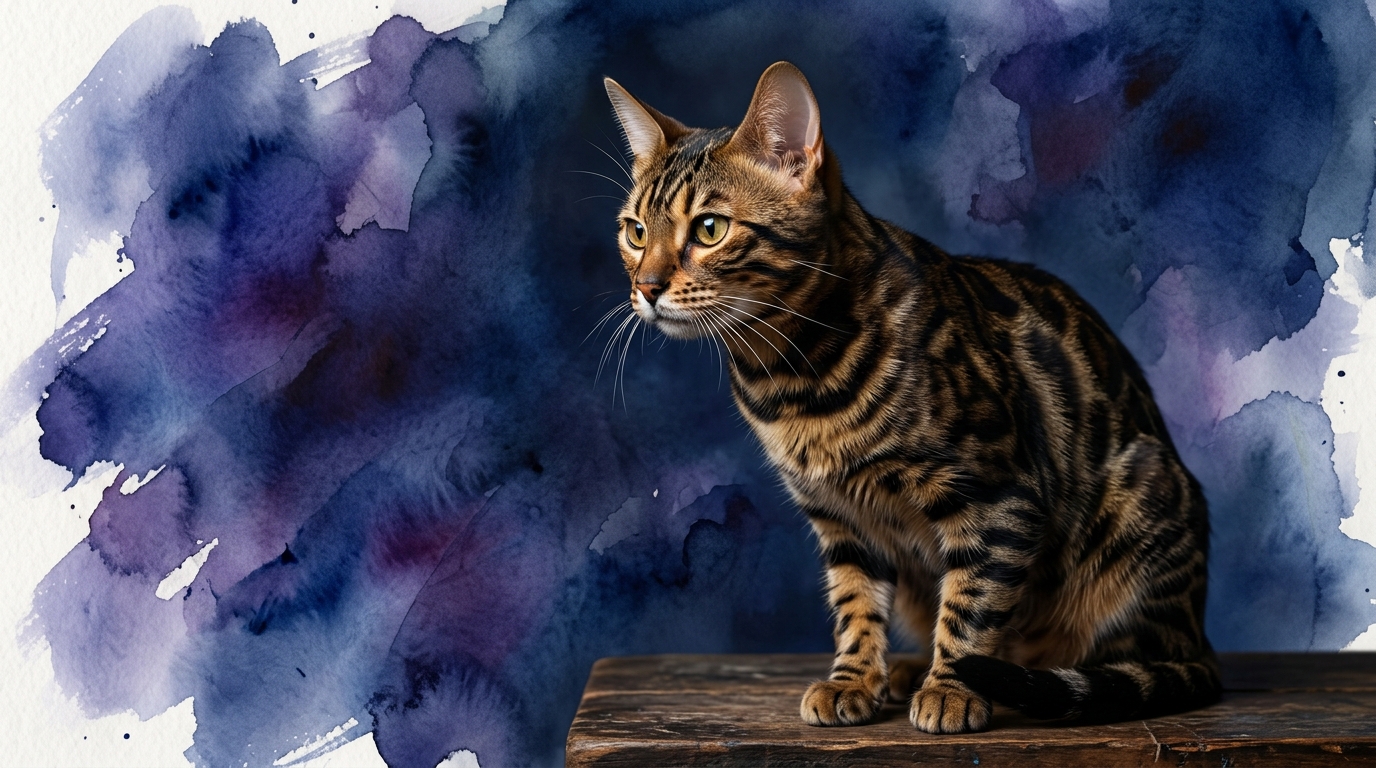
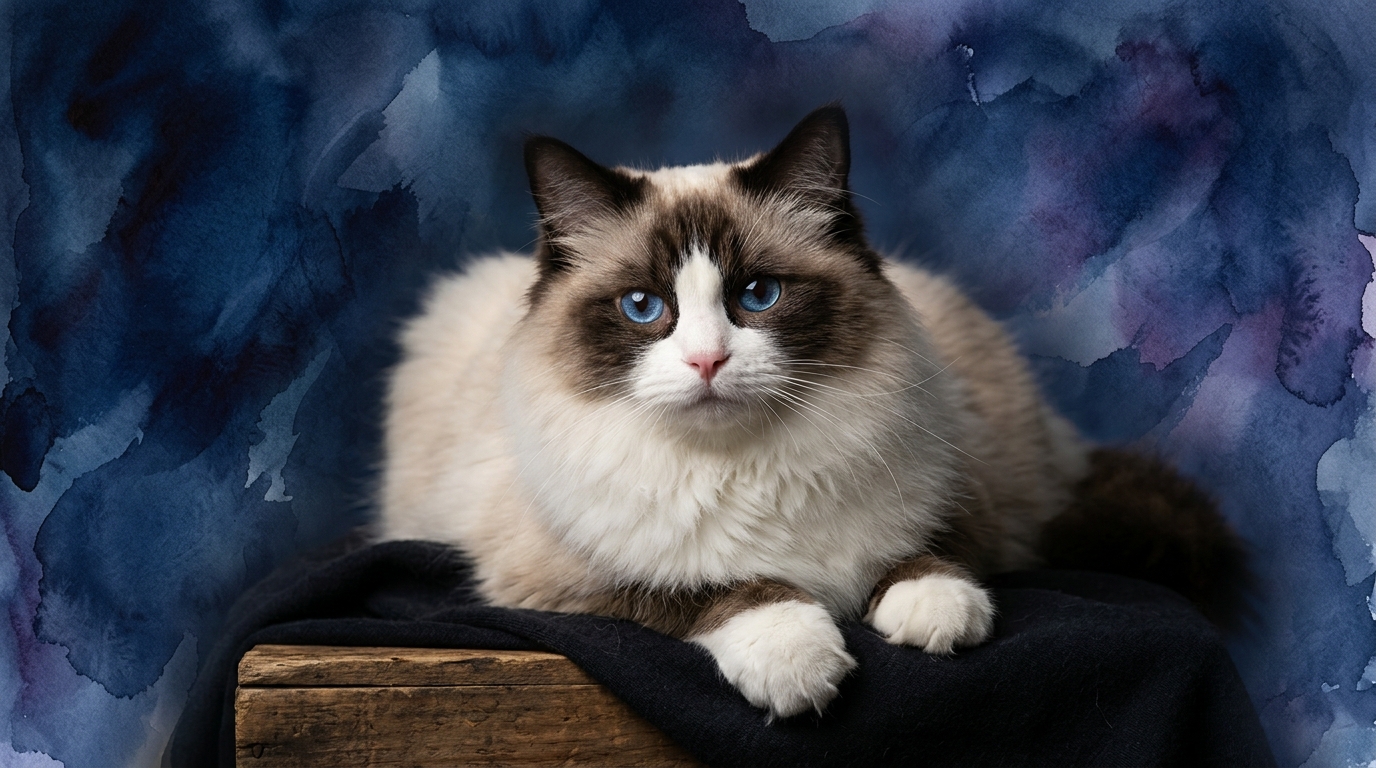
Side-by-Side IQ Profile: Bengal vs. Ragdoll
The Cosmic Pet Pet IQ Lab provides a detailed framework for understanding feline cognitive abilities across five critical dimensions. Examining the Bengal and Ragdoll through this lens reveals their contrasting mental landscapes, each optimized for different forms of interaction and environmental mastery.
For the Bengal, a breed with a heritage tied to the Asian Leopard Cat, their cognitive scores paint a picture of a sharp, engaged mind. They achieve a remarkable 5/5 in Problem Solving, indicating a profound capacity for analytical thought and strategic planning. Their Training Speed is rated 4/5, suggesting they are quick to grasp new commands and routines when properly motivated. Social Intelligence stands at 4/5, meaning they form strong bonds and understand human cues, though perhaps on their own terms. Instinctive Drive is a powerful 5/5, reflecting their robust predatory and exploratory urges. Finally, their Memory is an impressive 5/5, allowing them to recall complex sequences and experiences with clarity.
In contrast, the Ragdoll, a breed renowned for its gentle and relaxed demeanor, presents a different cognitive blueprint. Their Problem Solving score is 3/5, indicating a moderate ability to navigate puzzles or complex situations, often preferring human assistance. Training Speed is also 3/5, meaning they can learn but might require more patience and repetition. Where the Ragdoll truly shines is in Social Intelligence, scoring a perfect 5/5, highlighting their exceptional ability to connect with and understand their human companions. Their Instinctive Drive is a modest 2/5, making them less inclined towards intense hunting or exploratory behaviors. Memory is rated 3/5, suggesting they retain important information but may not recall intricate details as readily as some other breeds.
Where the Bengal Excels Cognitively
The Bengal's cognitive strengths are particularly evident in their approach to environmental challenges and learning. Their 5/5 Problem Solving ability means they are adept at figuring out how to open doors, manipulate puzzle feeders, or even retrieve hidden toys, demonstrating a nuanced understanding of object permanence and cause-and-effect. This isn't just trial and error; it's often a calculated attempt to achieve a goal, showcasing a strategic depth not commonly observed across all feline breeds. Owners frequently report Bengals learning to turn on faucets or navigate complex routes to access forbidden areas.
Coupled with their 5/5 Memory, Bengals can recall intricate sequences of events or learned behaviors over extended periods, making them efficient learners once a concept is grasped. A Bengal might remember a specific hiding spot for a treat for weeks or recall a complex trick after a long break. This robust memory also contributes to their ability to adapt to new environments quickly, as they can rapidly map out their surroundings and remember safe zones or escape routes. Their 5/5 Instinctive Drive further fuels this cognitive prowess, providing strong motivation for exploration and interaction, turning every new object or situation into a mental exercise.
Where the Ragdoll Shines Cognitively
While the Bengal's strengths lie in independent problem-solving and environmental mastery, the Ragdoll's cognitive brilliance is rooted in their profound social understanding and emotional connection. Their 5/5 Social Intelligence is paramount, allowing them to interpret human moods, vocal tones, and body language with remarkable accuracy. This exceptional capacity for social cognition means Ragdolls are highly responsive to their owners' presence and desires, often seeking out interaction and adapting their behavior to maintain harmony within the household. They frequently display behaviors that indicate a deep attachment, such as following their owners from room to room or greeting them enthusiastically at the door, demonstrating a sophisticated awareness of their human's role in their lives.
The Ragdoll's moderate Instinctive Drive (2/5) also plays a subtle but significant role in their cognitive makeup. While it means they might not be driven to solve complex puzzles or engage in intense hunting simulations, it contributes to their calm and adaptable nature. This lower drive means they are less prone to destructive behaviors stemming from boredom or unfulfilled predatory urges, making them easier to integrate into a relaxed home environment. Their cognitive energy is channeled more into social bonding and maintaining a peaceful coexistence, rather than constant exploration or challenge-seeking. This makes them highly receptive to training methods that leverage positive social reinforcement, even with a 3/5 Training Speed, as their primary motivation is often to please their beloved companions.
Which is Easier to Train and Why?
Determining which breed is 'easier' to train depends heavily on the type of training desired and the owner's approach. For owners aiming to teach complex tricks, agility courses, or problem-solving tasks, the Bengal often demonstrates a quicker uptake and higher aptitude. Their 4/5 Training Speed, combined with a 5/5 Problem Solving ability and a strong 5/5 Instinctive Drive, means they are highly motivated by interactive play, clicker training, and food rewards, especially those mimicking prey. Bengals thrive on mental stimulation and can quickly learn commands like 'sit,' 'stay,' 'fetch,' or even walking on a leash, often surprising owners with their capacity for understanding and execution. Their memory ensures that once a trick is learned, it's rarely forgotten, making reinforcement sessions highly effective.
Conversely, the Ragdoll, with a 3/5 Training Speed, might take longer to master intricate tricks, but they excel in learning good house manners and responding to social cues due to their exceptional 5/5 Social Intelligence. They are often easier to train for behaviors that involve companionship and routine, such as using a litter box consistently, tolerating grooming, or coming when called (especially if it means cuddles or attention). Their lower 2/5 Instinctive Drive means they are generally less inclined to exhibit problematic behaviors like excessive scratching or climbing, making them easier to 'train' in terms of overall manageability and integration into a calm household. Their motivation often stems from a desire to please and connect with their human, making positive reinforcement, praise, and gentle interaction highly effective training tools.
Matching Feline Cognition to Owner Lifestyles
The distinct cognitive profiles of Bengals and Ragdolls mean they are suited to vastly different owner lifestyles. Owners seeking a dynamic, engaging, and mentally stimulating companion will find the Bengal an ideal match. Their high scores in Problem Solving, Instinctive Drive, and Memory mean they require significant mental and physical enrichment to thrive. Active owners who enjoy interactive play, providing puzzle toys, teaching tricks, and perhaps even leash training will appreciate the Bengal's zest for life and their capacity to participate in complex activities. They are often described as having a 'dog-like' personality due to their interactive nature and willingness to engage in structured play, making them perfect for those who want a feline companion that is always ready for an adventure.
In contrast, the Ragdoll is the quintessential companion for owners who prefer a more relaxed, affectionate, and low-key presence. Their exceptional Social Intelligence and lower Instinctive Drive make them perfect for individuals or families seeking a gentle, adaptable, and emotionally responsive cat. Relaxed owners who enjoy quiet evenings, cuddling, and a cat that thrives on companionship rather than constant activity will find the Ragdoll's demeanor perfectly aligned with their lifestyle. They adapt well to apartment living and are generally content with less intense forms of play, preferring to be near their humans and soak up attention. Their cognitive strengths lie in their ability to integrate seamlessly into a family unit, offering comfort and unwavering affection without demanding constant stimulation.
The Verdict
Choose a Bengal if you are an active, engaged owner seeking a highly interactive and mentally stimulating companion that thrives on challenges and complex play.
Opt for a Ragdoll if you desire a calm, affectionate, and deeply socially intelligent companion that integrates seamlessly into a relaxed household, offering comfort and gentle presence.
🧠 Find Your Pet's IQ Score
Our Pet IQ Lab assessment covers 25+ tests across 5 cognitive dimensions — personalized to your breed.
Take the Full IQ Test →Frequently Asked Questions
Do Bengals get bored easily?
Yes, Bengals, with their 5/5 Instinctive Drive and 5/5 Problem Solving, require substantial mental and physical stimulation to prevent boredom. They need interactive toys, puzzle feeders, and engaging play sessions to keep their minds active and prevent them from finding their own, potentially mischievous, entertainment.
Are Ragdolls good at learning tricks?
Ragdolls can learn tricks, especially those involving positive social interaction, but their 3/5 Training Speed means it might take more patience and repetition than with other breeds. They are particularly adept at learning behaviors that strengthen their bond with their human, motivated by praise and affection rather than complex challenges.
How do their memory differences manifest in daily life?
A Bengal's 5/5 Memory means they'll recall complex routines, hidden objects, or specific training commands over long periods, making them consistent in their learned behaviors. A Ragdoll's 3/5 Memory means they'll remember important daily routines and their human's presence, but might be less likely to retain intricate details or complex sequences without regular reinforcement, preferring simplicity in their recall.