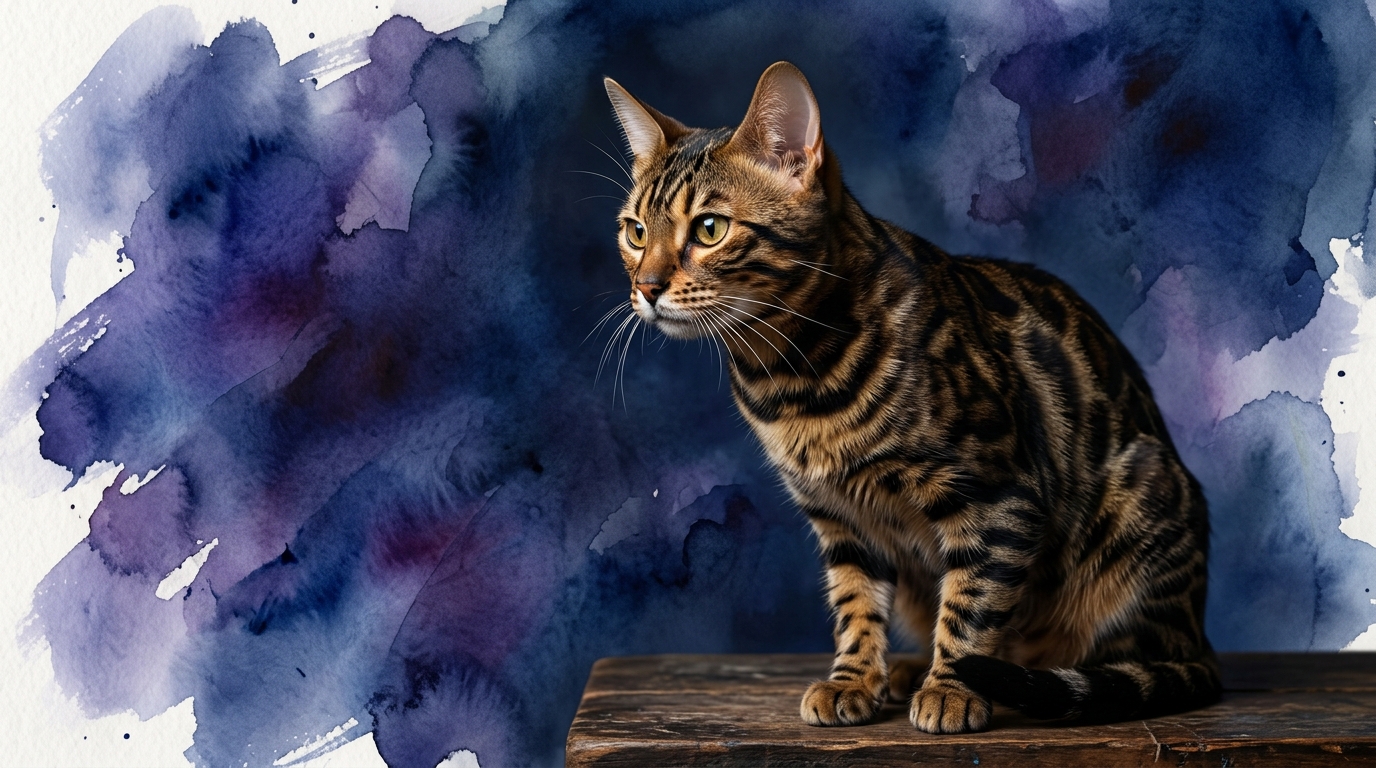
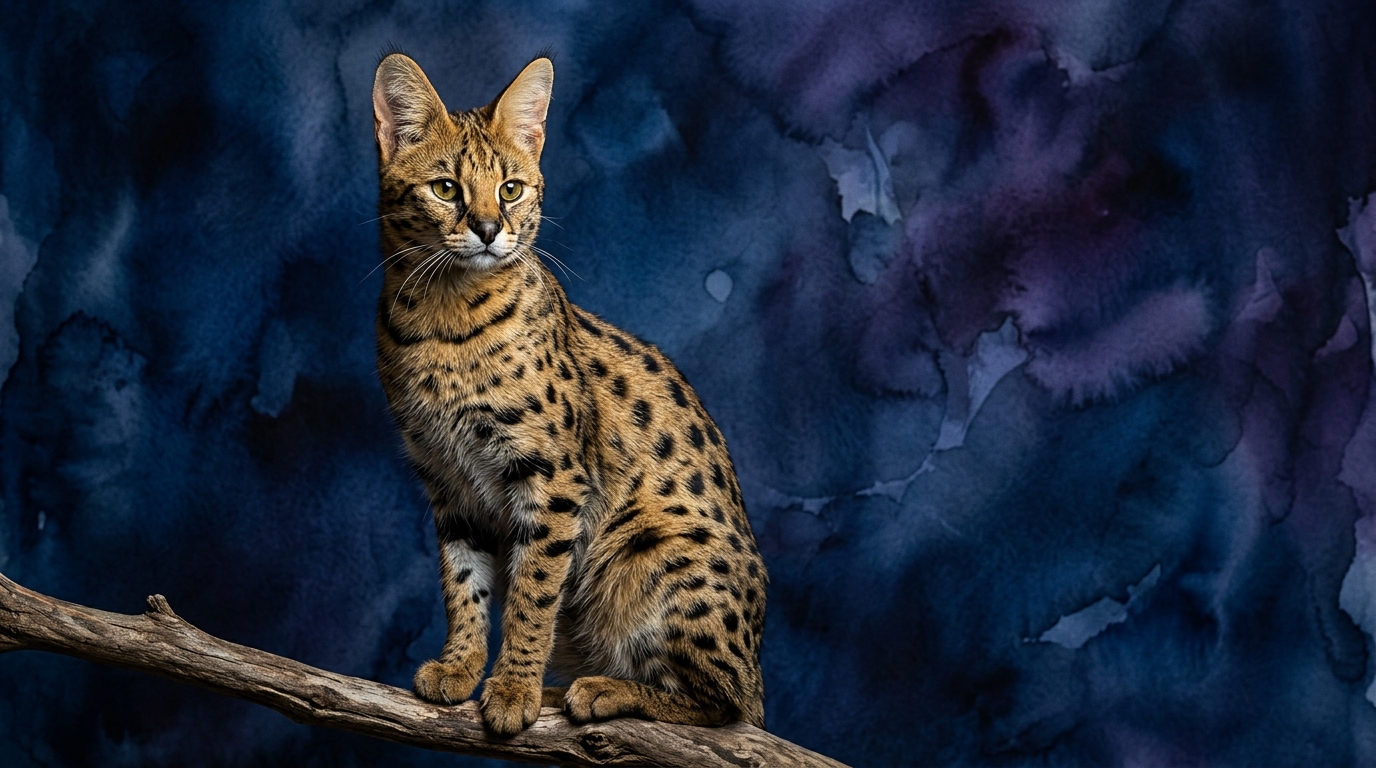
Side-by-side IQ profile
The Cosmic Pet Pet IQ Lab offers a unique lens for comparing the mental prowess of Bengals and Savannahs. Both breeds achieve remarkable consistency across five key cognitive dimensions. Problem Solving is rated 5/5 for both, indicating exceptional capacity to navigate complex challenges, from opening cabinets to devising play strategies. Their Training Speed stands at 4/5, suggesting they are quick learners, capable of grasping commands and routines efficiently with proper motivation. Social Intelligence also scores 4/5 for both, reflecting their ability to form deep bonds, understand human cues, and engage meaningfully within their chosen social circles. Instinctive Drive is a perfect 5/5 for both, a clear nod to their recent wild heritage, manifesting as robust hunting instincts, boundless energy, and profound environmental curiosity. Finally, Memory is 5/5 for both, highlighting their impressive ability to retain information, recall past experiences, and learn from interactions. While these scores are identical, the *manifestation* of these cognitive strengths often varies, subtly influencing their daily behaviors and interactions.
Where Bengal wins cognitively
The Bengal cat, while sharing top-tier cognitive scores, often displays a particularly intricate brand of problem-solving rooted in persistent, hands-on exploration. Their 5/5 Problem Solving frequently involves a tactile, trial-and-error approach, meticulously manipulating objects until a solution is found. This manifests as an unparalleled ability to open various latches or discover hidden pathways, driven by insatiable curiosity and a strong desire to physically interact with surroundings. Their 5/5 Instinctive Drive often channels into elaborate, strategic play scenarios, such as ambushing a laser pointer or engaging in complex fetch games, demonstrating a nuanced understanding of spatial relationships. The Bengal's 5/5 Memory seems especially attuned to routines and locations of beloved toys or treats, allowing them to consistently revisit successful strategies or avoid past pitfalls. This combination of persistent exploration, strategic play, and keen routine memory gives them a distinct edge in environments where physical engagement and detailed recall are paramount.
Where Savannah wins cognitively
Despite identical cognitive scores, the Savannah cat demonstrates a distinct cognitive style, particularly in their 5/5 Problem Solving. Their Serval ancestry often leads to a more observational and strategic approach, assessing a situation before action. They excel at figuring out complex mechanisms or reaching high, seemingly inaccessible places with calculated efficiency, relying on exceptional agility and spatial awareness rather than repeated attempts. Their 5/5 Instinctive Drive is frequently expressed through incredible vertical leaps and intense, focused stalking behavior, indicating a sophisticated understanding of hunting mechanics and trajectory. In terms of 4/5 Social Intelligence, Savannahs often form incredibly strong, dog-like bonds with primary caregivers, demonstrating deep attunement to human emotions and intentions. Their 5/5 Memory is particularly strong for long-term relational dynamics and intricate environmental layouts, allowing them to recall complex sequences of actions or the precise location of a high perch for extended periods. This emphasis on observational learning, strategic planning, and deep relational memory gives the Savannah a unique cognitive advantage in environments demanding foresight and a strong bond with their human companions.
Which is easier to train and why
Both Bengals and Savannahs share a Training Speed rating of 4/5, indicating strong learning capacity, but their training approaches differ due to underlying behavioral tendencies. Bengals, with their persistent, hands-on problem-solving and high prey drive, respond exceptionally well to training incorporating active play and puzzle-solving. They thrive on interactive games mimicking hunting and positive reinforcement. Their memory for routines means consistent daily sessions quickly establish behaviors. However, their independent streak and high energy demand creative, engaging trainers; repetitive drills can lead to disinterest. Savannahs, while equally capable, often exhibit a more independent and sometimes headstrong nature. Their observational problem-solving means they learn quickly by watching, but their training benefits from patient, reward-based methods emphasizing a strong, trusting bond. They may not be as eager to "please" but, once motivated, their capacity for complex learning, including leash training and intricate tricks, is substantial. Positive reinforcement, clicker training, and sessions challenging agility and intellect are most effective, leveraging their powerful instinctive drive. Ultimately, neither is inherently "easier"; rather, they require tailored training philosophies.
Which suits active owners vs relaxed owners
Both Bengals and Savannahs are suited for active owners, though their specific needs differ. An active owner enjoying interactive play, complex trick teaching, and outdoor leash adventuring will find a fantastic Bengal companion. Bengals thrive on structured playtime mimicking hunting, puzzle toys, and consistent mental stimulation engaging their exploratory problem-solving. They actively seek engagement, ideal for owners wanting a playful, hands-on partner. A more relaxed owner might find a Bengal's relentless curiosity overwhelming, potentially leading to destructive behaviors. Savannahs, conversely, require an owner accommodating their incredible athleticism and strategic intelligence. Owners providing ample vertical space, secure outdoor enclosures, and strategic, observational play will find a Savannah deeply rewarding. Their need for expansive, stimulating environments and intense activity means they are less suited for owners seeking a quiet lap cat. Both breeds demand significant time, but Bengals lean towards intricate, interactive engagement, while Savannahs require expansive, strategically stimulating environments.
The Verdict
For those seeking a highly interactive, physically engaging feline partner who thrives on intricate puzzle-solving and consistent, hands-on play, the Bengal is an exceptional choice.
If your lifestyle offers ample vertical space, opportunities for strategic exploration, and a desire for a deeply bonded companion who learns through observation and challenges, the Savannah could be your ideal match.
🧠 Find Your Pet's IQ Score
Our Pet IQ Lab assessment covers 25+ tests across 5 cognitive dimensions — personalized to your breed.
Take the Full IQ Test →Frequently Asked Questions
Do Bengals and Savannahs get along with other pets?
Both breeds possess strong instinctive drives. Bengals often adapt well to other playful cats or dog-friendly dogs if introduced properly, thriving on social interaction. Savannahs, with their more dominant nature and intense prey drive, require careful, slow introductions, especially with smaller pets, but can form strong bonds with specific, larger companions.
How much exercise do these breeds need daily?
Both Bengals and Savannahs require substantial daily exercise and mental stimulation. Bengals typically need several dedicated play sessions totaling 60-90 minutes, alongside access to climbing structures and puzzle toys. Savannahs, with their incredible agility and energy, demand even more, often needing access to secure outdoor enclosures or extensive indoor vertical space for climbing and exploring, with multiple intense play sessions.
Are Bengals and Savannahs suitable for first-time cat owners?
Due to their unique cognitive profiles and high-maintenance needs, neither Bengal nor Savannah cats are typically recommended for first-time cat owners. Their problem-solving abilities, intense instinctive drives, and specific social intelligence demand an owner who understands feline behavior, is committed to consistent training, and can provide a highly stimulating environment.