Side-by-Side IQ Profile
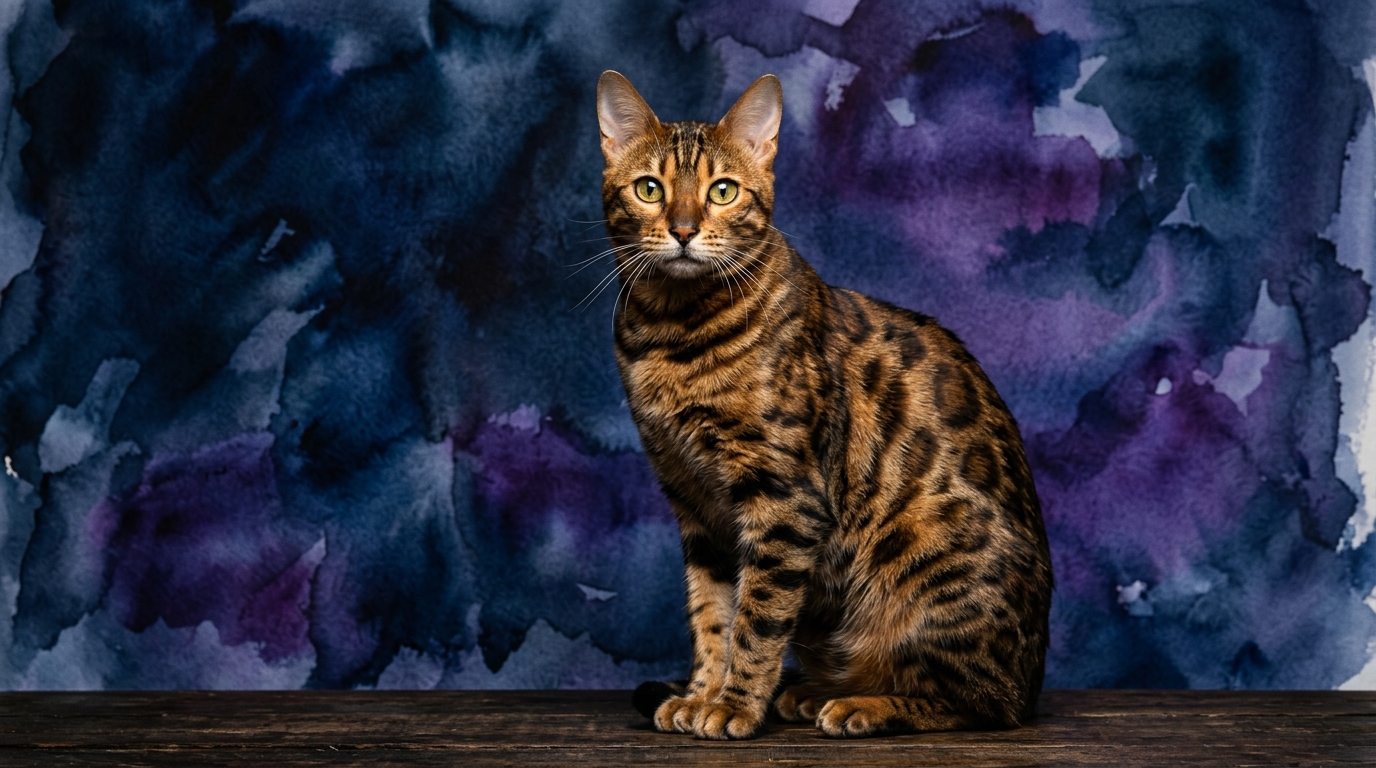
The Cosmic Pet Pet IQ Lab provides a comprehensive framework to understand feline cognitive abilities across five key dimensions. For the Bengal, their Problem Solving (5/5) indicates an ability to navigate complex environments, open doors, or manipulate objects to achieve specific goals. Their Training Speed (4/5) shows a rapid grasp of new commands and routines, often thriving on structured learning. Social Intelligence (4/5) means they are highly attuned to human emotions and social cues, forming deep, interactive bonds. Instinctive Drive (5/5) signifies a robust prey drive and a profound engagement with their environment through hunting and exploration. Lastly, Memory (5/5) allows them to retain intricate information, from the location of hidden toys to the sequence of a learned trick, over long periods.
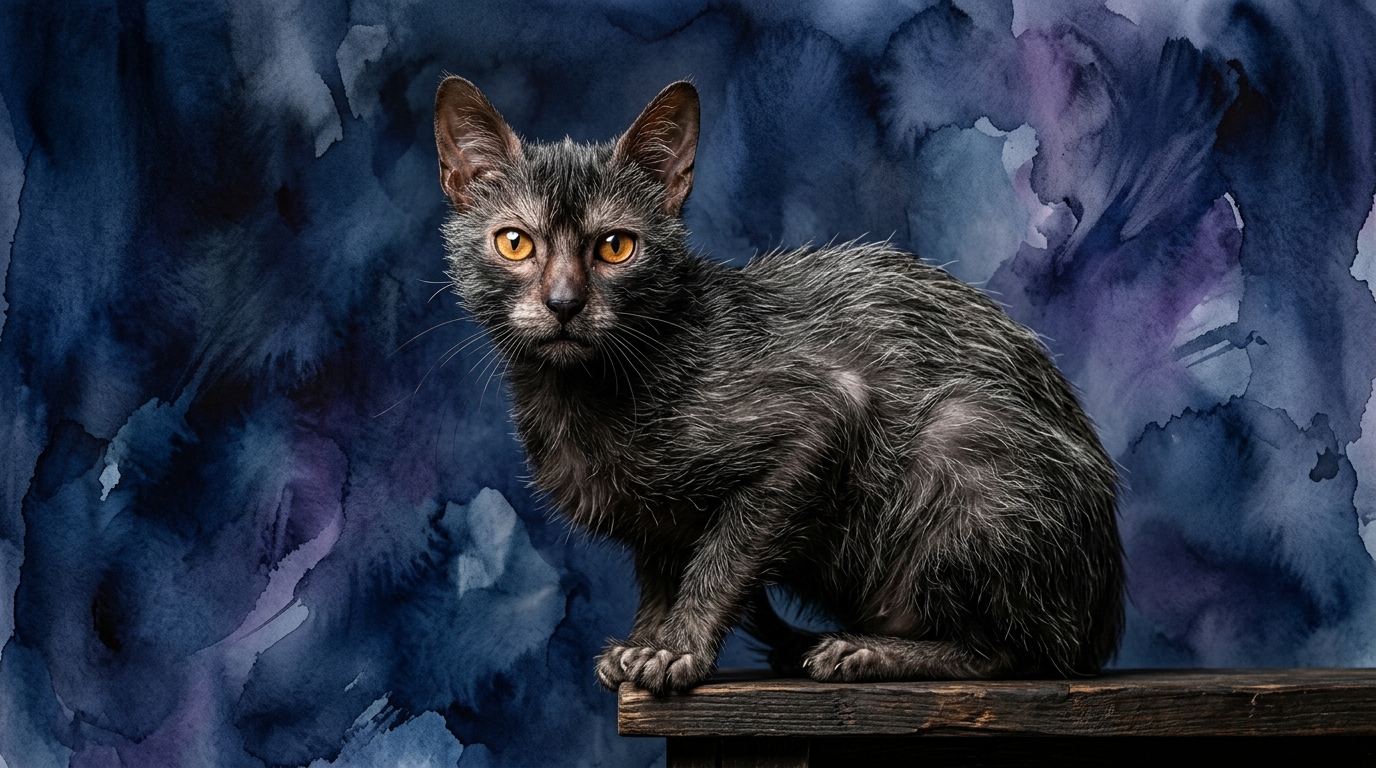
In contrast, the Lykoi exhibits a more moderate cognitive profile across all five dimensions. Their Problem Solving (3/5) implies capability for basic environmental navigation but less consistent pursuit of complex challenges or elaborate strategies to overcome obstacles. Training Speed (3/5) means they can learn, but typically require more repetition and patience compared to their Bengal counterparts. Social Intelligence (3/5) suggests they are affectionate and engaged with their chosen humans, though perhaps without the same level of nuanced responsiveness to subtle social cues. Instinctive Drive (3/5) indicates a present but less intense prey drive, often content with simpler play patterns. Memory (3/5) allows them to recall routines and familiar faces, but perhaps not with the detailed retention of complex sequences seen in Bengals.
Where Bengal Wins Cognitively
The Bengal's cognitive strengths are particularly pronounced in areas demanding intricate thought and sustained focus. Their exceptional Problem Solving (5/5) means they actively engage with challenges, such as figuring out how to access a secured treat or learning to operate simple mechanisms. This capacity extends to environmental mastery, where they might quickly learn to open cabinets, turn on faucets, or navigate complex puzzle feeders with impressive efficiency. Coupled with a perfect Memory (5/5), Bengals excel at retaining these learned solutions and applying them consistently, making them formidable learners who remember intricate sequences of events or specific object locations. Furthermore, their powerful Instinctive Drive (5/5) fuels this cognitive exploration, translating into a relentless pursuit of interactive play and problem-solving activities mimicking hunting scenarios, ensuring they are constantly seeking mental engagement. This combination positions the Bengal as a cat that actively seeks to understand and manipulate its surroundings.
Where Lykoi Wins Cognitively
While the Lykoi's cognitive scores are consistently moderate, this profile translates into distinct advantages for specific living situations and owner preferences. Their moderate Problem Solving (3/5) means they are generally less inclined to dismantle household items or devise complex escape plans from secure areas, offering a practical "win" for household tranquility. Owners might find their Lykoi less prone to outsmarting childproof locks or figuring out intricate ways to access forbidden spaces, reducing potential mischief. Similarly, a moderate Instinctive Drive (3/5) often results in a less intense prey focus compared to the Bengal. This means Lykoi are typically content with simpler interactive play and are less likely to obsessively hunt imaginary prey or small, fast-moving objects within the home, making them potentially easier companions for households with other small pets or delicate decor. Their balanced cognitive approach means they are present and engaged without demanding the constant, high-level mental gymnastics a Bengal might require, fostering comfortable and predictable companionship.
Which is Easier to Train and Why
When it comes to training, the Bengal generally presents a more eager and rapid learning curve. Their Training Speed (4/5) is bolstered by their superior Problem Solving (5/5) and Memory (5/5), allowing them to quickly grasp new concepts and retain them over time. Bengals often enjoy the mental stimulation of training sessions, readily learning commands like "sit," "stay," "fetch," and even walking on a leash. Their high Social Intelligence (4/5) also plays a role, as they are often keen to please and respond well to positive reinforcement and the close interaction training provides. Owners frequently report Bengals mastering complex trick sequences or navigating agility courses with enthusiasm.
The Lykoi, with a Training Speed of (3/5) and more moderate scores in problem-solving and memory, will require more patience and consistency. While perfectly capable of learning basic commands and house rules, Lykoi might need more repetitions and a slower pace. Their slightly lower instinctive drive (3/5) can be an advantage, as they may be less distracted by environmental stimuli during training. With consistent, positive reinforcement, Lykoi can certainly be trained, but the process may be less rapid and require a more dedicated approach from the owner compared to the Bengal's often spontaneous and enthusiastic learning.
Which Suits Active Owners vs Relaxed Owners
The cognitive profiles of the Bengal and Lykoi clearly delineate which type of owner might find their ideal companion. Bengals, with their peak scores in Problem Solving, Instinctive Drive, and Memory, are a match for active owners who relish providing consistent mental and physical challenges. These cats thrive on interactive play, puzzle toys, and even structured training that taps into their profound capacity for learning and exploration. An owner who enjoys teaching tricks, engaging in daily rigorous play sessions, or perhaps even leash-walking adventures will find the Bengal to be an endlessly engaging and rewarding partner. Without sufficient stimulation, a Bengal's high cognitive drive can manifest as boredom-induced mischief, as they will create their own entertainment.
In contrast, Lykoi cats, characterized by their balanced and moderate cognitive scores across the board, are generally better suited for more relaxed owners. While still playful and affectionate, their mental stimulation needs are less intense. A Lykoi will appreciate regular play and companionship but may not demand the constant intellectual engagement of a Bengal. They are content with a comfortable routine and less prone to destructive behaviors born from under-stimulation, making them an excellent choice for individuals or families who appreciate a charming, interactive feline companion without the need for constant, high-level cognitive challenges.
The Verdict
Choose a Bengal if you are an active owner seeking a highly interactive, intellectually challenging companion who thrives on complex engagement, enjoys learning intricate behaviors, and can be consistently stimulated.
Opt for a Lykoi if you desire a charming, affectionate feline with moderate mental needs, appreciative of a calm yet playful environment, and content with a more predictable daily routine.
🧠 Find Your Pet's IQ Score
Our Pet IQ Lab assessment covers 25+ tests across 5 cognitive dimensions — personalized to your breed.
Take the Full IQ Test →Frequently Asked Questions
Are Bengals prone to destructive behavior if not adequately stimulated?
Yes, Bengals, with their exceptional problem-solving and intense instinctive drive, can become destructive if their significant mental and physical energy isn't channeled appropriately. They might resort to opening cabinets or exploring forbidden areas to alleviate boredom.
Can Lykoi cats learn tricks, or are they less receptive to training?
Lykoi cats are certainly capable of learning tricks, though they may require more patience and repetition than a Bengal due to their moderate training speed. Consistent positive reinforcement will help them master basic commands and routines effectively.
How do their social interaction needs differ based on their social intelligence scores?
Bengals, with their higher social intelligence, often seek out more nuanced and interactive social engagement, being highly attuned to human emotions. Lykoi are affectionate and bond deeply, but their social needs are generally less demanding, preferring a comfortable closeness without constant intense interaction.