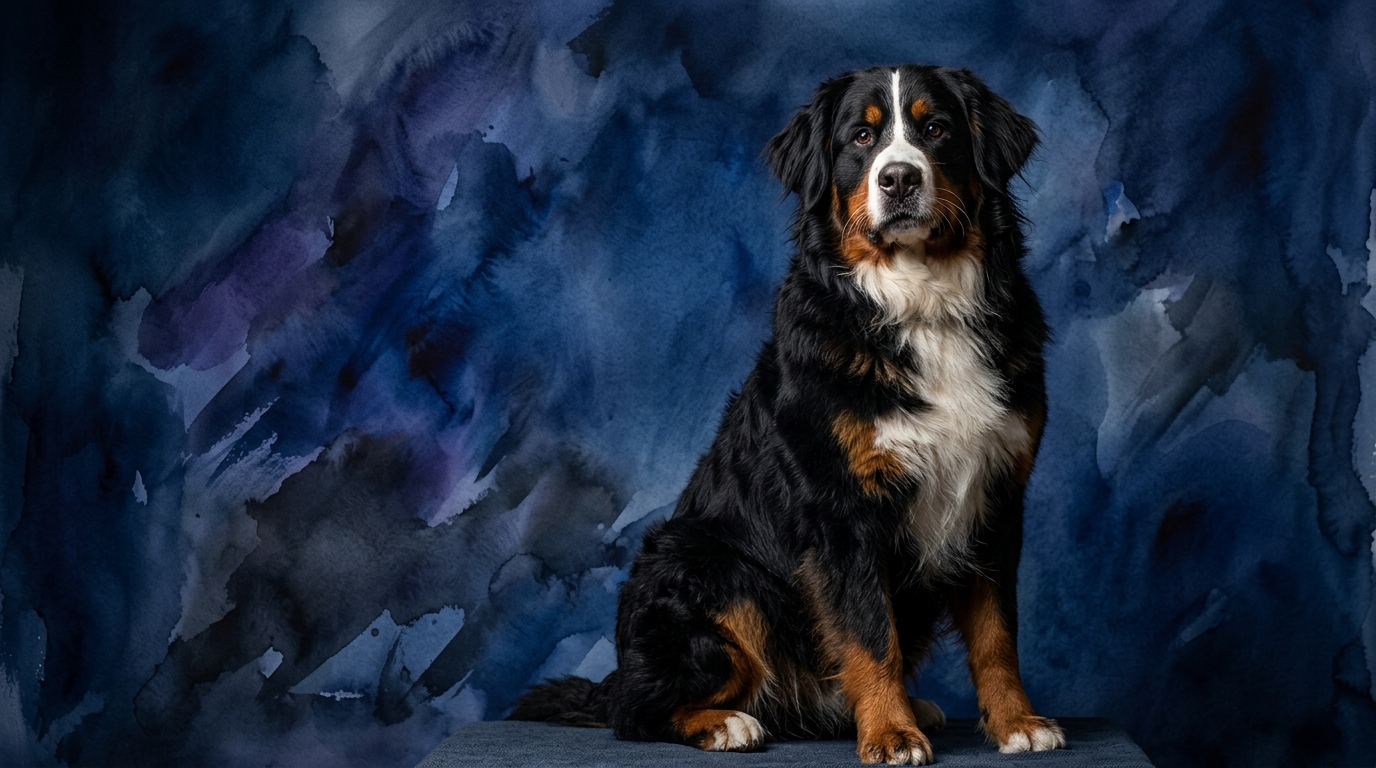
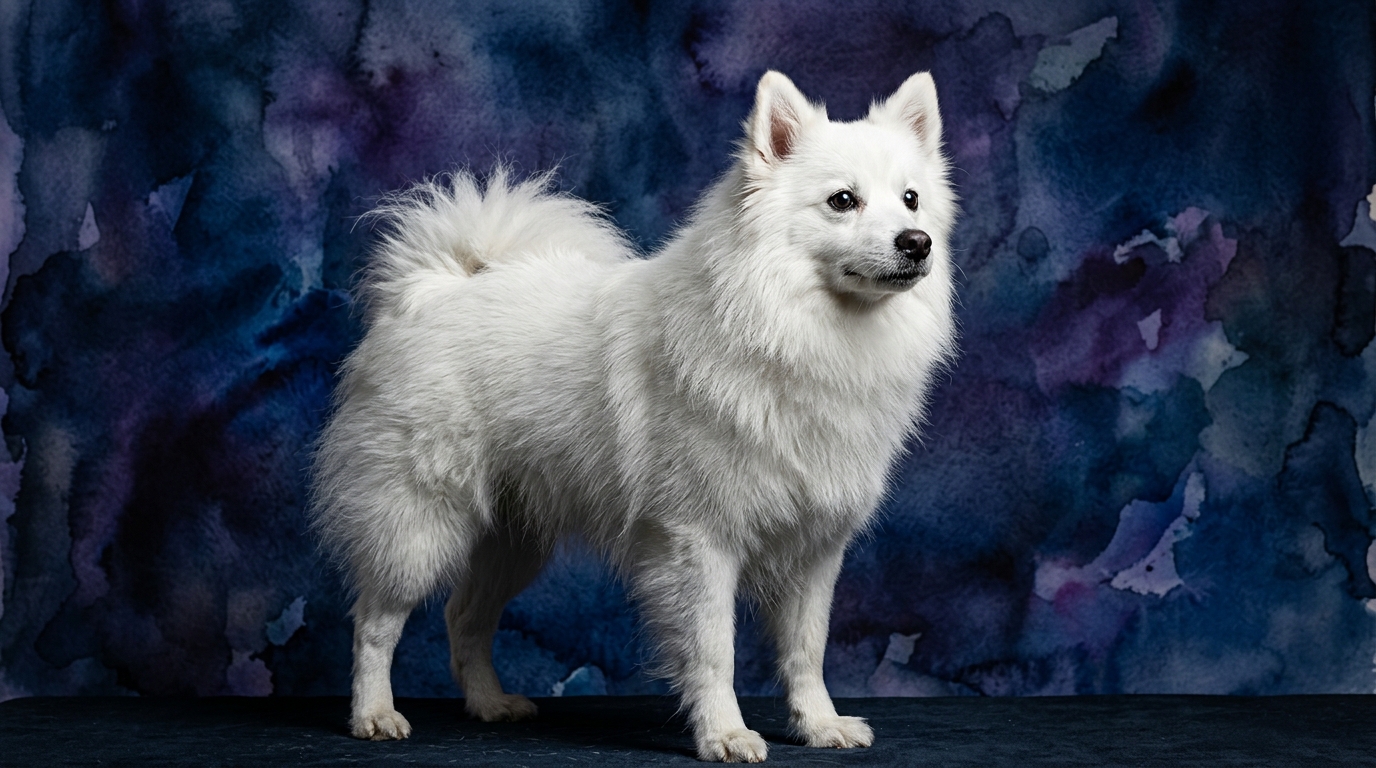
Side-by-Side IQ Profile: Bernese Mountain Dog vs. American Eskimo Dog
The Cosmic Pet Pet IQ Lab employs a multi-faceted approach to assess canine cognition, breaking down intelligence into five core dimensions. For the Bernese Mountain Dog, we observe: Problem Solving (3/5), indicating a dog capable of navigating familiar challenges and learning solutions, though perhaps less inclined towards spontaneous innovation in novel situations. Training Speed (4/5) highlights their readiness to absorb new commands and routines quickly, often driven by an eagerness to please. Social Intelligence (5/5) is a standout, reflecting an exceptional ability to read human cues, empathize, and form profound bonds. Instinctive Drive (4/5) points to their strong inherent desire for purposeful activity, stemming from their heritage as working farm dogs. Memory (3/5) suggests they retain learned behaviors and associations adequately, but consistent reinforcement helps solidify long-term recall.
The American Eskimo Dog's profile presents a different cognitive landscape: Problem Solving (3/5) shows a capacity for cleverness in tackling obstacles, often with a hint of independent thought. Training Speed (3/5) indicates a moderate pace of learning, where consistency and engaging methods are key to maintaining focus. Social Intelligence (3/5) suggests they form strong bonds with their immediate family but might approach strangers with more reserve, requiring careful socialization. Instinctive Drive (3/5) points to a moderate inherent urge for activity and mental engagement, often expressed through playful interaction or a desire to 'perform.' Memory (3/5) means they hold onto training and experiences reasonably well, benefiting from regular practice to keep skills sharp.
Where the Bernese Mountain Dog Wins Cognitively
The Bernese Mountain Dog truly excels in social intelligence, scoring a remarkable 5/5. This means they possess an exceptional capacity to interpret human emotions, body language, and vocal inflections. A Bernese can often anticipate their owner's needs or mood, offering comfort or companionship precisely when it's most needed. This isn't just about being friendly; it's a deep cognitive understanding of social dynamics and a strong desire for harmonious interaction. Their high training speed (4/5) is intrinsically linked to this social acumen; they are highly motivated by pleasing their human companions and forming strong bonds, which translates into a willingness and eagerness to learn new commands quickly.
Their instinctive drive (4/5) to work, historically pulling carts or guarding livestock, also gives them a focused purpose. This drive, when channeled appropriately, makes them highly responsive to tasks that involve cooperation and partnership, such as obedience, drafting, or therapy work. They thrive on having a “job” that involves interaction with their people, demonstrating a cognitive preference for collaborative engagement over solitary pursuits.
Where the American Eskimo Dog Wins Cognitively
While the Bernese excels in social bonding and work ethic, the American Eskimo Dog, with its balanced scores across the board (all 3/5), demonstrates a different kind of cognitive strength: adaptability and a clever, sometimes independent, problem-solving approach. Their problem-solving score of 3/5, combined with a moderate instinctive drive, often manifests as resourcefulness in navigating their environment or achieving their own desires. They might not be as overtly eager to please as a Bernese, but they can be remarkably ingenious in figuring out how to open a cabinet or outsmart a puzzle toy.
Their historical role as circus performers in some lineages also hints at a capacity for intricate trick learning and a flair for engaging an audience, suggesting a certain mental agility and a desire for mental stimulation. This translates into a dog that enjoys challenges requiring a bit of independent thought, rather than solely relying on direct instruction. Their memory (3/5) is solid, allowing them to retain complex sequences of tricks or routines once mastered, albeit potentially requiring more repetition initially than a Bernese.
Which is Easier to Train and Why
The Bernese Mountain Dog generally presents as the easier breed to train, primarily due to their superior social intelligence (5/5) and faster training speed (4/5). A Bernese is exceptionally attuned to their owner's wishes and derives immense satisfaction from cooperative activities. They are keen observers of human behavior and actively seek to understand what is expected of them, making the learning process a shared, positive experience. Their strong desire to please, coupled with their inherent biddability, means they often pick up new commands with fewer repetitions and respond reliably to cues. They are less likely to "test" boundaries once a behavior is established, demonstrating a consistent application of learned rules.
In contrast, the American Eskimo Dog, with a training speed of 3/5 and a more moderate social intelligence (3/5), can be more of an independent thinker. While capable of learning, they might require more patience, consistency, and creative motivation. An Eskie might choose to perform a command only if they perceive a worthwhile reward or if they are in the mood, sometimes exhibiting a charming stubbornness or a preference for self-directed activity. Their training benefits greatly from making it a fun, engaging game, rather than a strict drill, leveraging their problem-solving skills and desire for mental stimulation to keep them engaged.
Which Suits Active Owners vs. Relaxed Owners
For owners seeking a highly interactive and moderately active companion, the Bernese Mountain Dog is an excellent fit. Their instinctive drive (4/5) means they thrive on having a purpose, whether it's leisurely walks, hiking, or participating in dog sports like carting or obedience. They enjoy being involved in family activities and appreciate consistent engagement, making them suitable for active families who can provide daily exercise and mental challenges. While they are not hyperactive, they require regular physical and mental stimulation to prevent boredom and harness their working instincts. A relaxed owner who prefers minimal interaction might find a Bernese becomes restless or develops undesirable behaviors if their social and working needs are unmet, reflecting their need for cognitive and physical engagement.
The American Eskimo Dog, with its more moderate instinctive drive (3/5), can adapt to a wider range of activity levels, making them a good choice for both moderately active and more relaxed owners, provided their mental needs are met. They enjoy playtime and walks, but don't typically demand the same intensity or duration of physical exertion as a Bernese. However, their problem-solving ability (3/5) and a tendency towards independent thought mean they still require significant mental stimulation. Owners who enjoy teaching tricks, engaging in puzzle toys, or participating in agility or rally obedience will find the Eskie to be a responsive and eager participant. For a relaxed owner, this means channeling their cleverness into brain games rather than solely relying on strenuous physical activity, making them a versatile companion for those who appreciate mental engagement over constant physical output.
The Verdict: When to Choose Each Breed
Understanding the nuanced cognitive differences between the Bernese Mountain Dog and the American Eskimo Dog is key to finding the right match for your lifestyle. While both breeds offer deep companionship, their distinct intellectual profiles cater to different ownership experiences. The Bernese, with its profound social acumen and strong work ethic, thrives in environments where it can be an integral, cooperative family member with a clear role.
The American Eskimo Dog, with its clever independence and adaptability, flourishes with owners who appreciate a dog that thinks for itself and enjoys a variety of mental challenges. The choice ultimately hinges on what type of cognitive engagement and partnership you envision with your canine companion, ensuring a harmonious relationship built on understanding their unique mental strengths.
The Verdict
Choose the Bernese Mountain Dog if you value a highly socially intelligent, eager-to-please companion who thrives on cooperative tasks and deep family integration, offering warmth and a strong desire to work alongside you.
Opt for the American Eskimo Dog if you appreciate a clever, adaptable companion who enjoys mental challenges and independent problem-solving, fitting well into homes that can provide consistent mental stimulation and varied activities.
🧠 Find Your Pet's IQ Score
Our Pet IQ Lab assessment covers 25+ tests across 5 cognitive dimensions — personalized to your breed.
Take the Full IQ Test →Frequently Asked Questions
Are Bernese Mountain Dogs prone to separation anxiety due to their social intelligence?
Their exceptional social intelligence and strong bond with their family mean Bernese Mountain Dogs can be sensitive to prolonged periods of isolation. They thrive on companionship, so consistent interaction and gradual training for alone time are crucial to prevent anxiety and ensure their emotional well-being.
Do American Eskimo Dogs bark a lot because of their instinctive drive?
American Eskimo Dogs do have a moderate instinctive drive, which historically included alerting. This, combined with their cleverness, can lead to vocalization if not managed. Consistent training and providing ample mental stimulation can help channel this drive and reduce excessive barking.
How does the Coren ranking for Bernese Mountain Dogs translate to daily life?
The Coren rank of #27 for Bernese Mountain Dogs signifies their above-average working and obedience intelligence. In daily life, this translates to a dog that is generally biddable, learns commands efficiently, and is responsive to training, making them cooperative and predictable companions when properly guided.