Side-by-Side IQ Profile
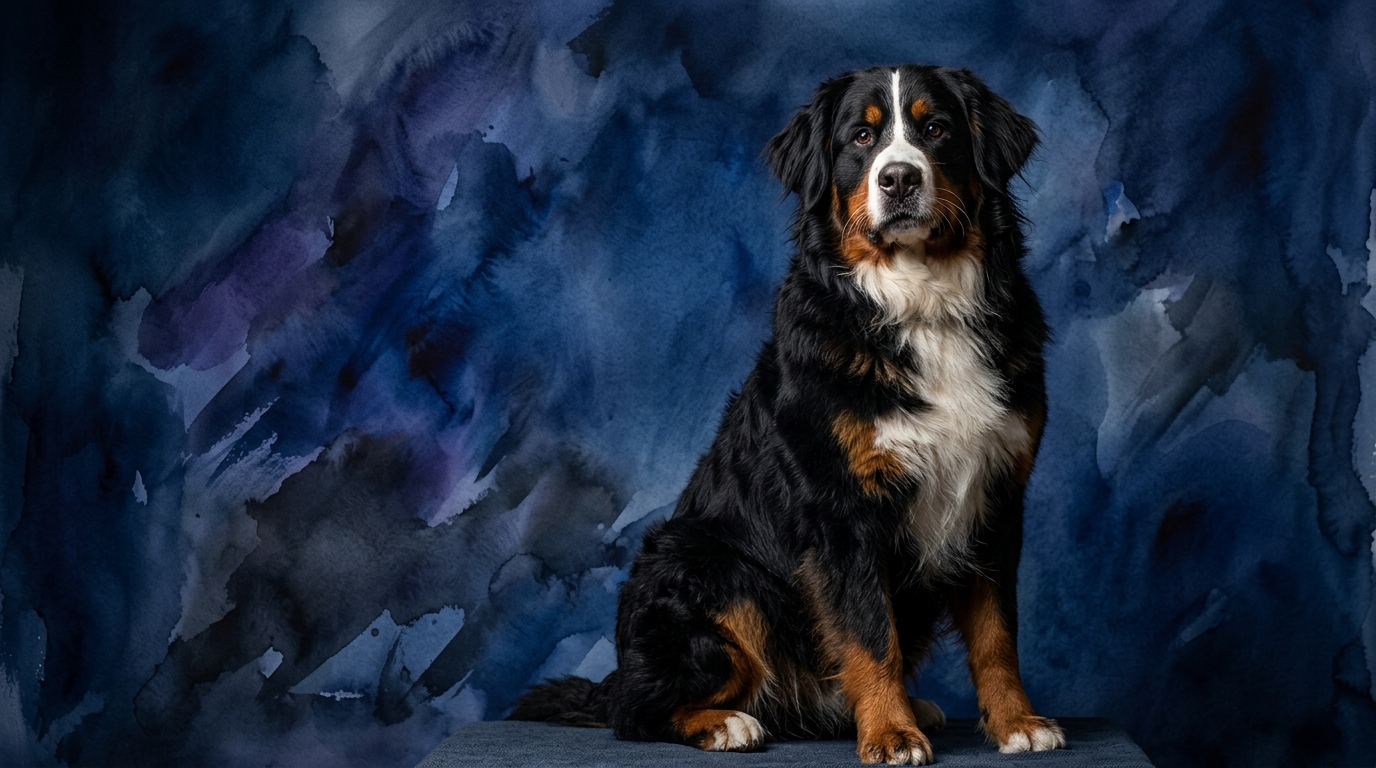
A Bernese Mountain Dog, a robust working breed, exhibits a balanced cognitive profile. Their problem-solving ability scores a solid 3 out of 5, indicating a capacity for navigating moderately complex challenges. Training speed is a notable strength at 4 out of 5, suggesting they grasp new commands and routines with relative quickness. Social intelligence is exceptional, earning a perfect 5 out of 5, highlighting their deep understanding of human cues and strong desire for connection. Their instinctive drive, rated 4 out of 5, reflects a natural inclination towards purpose-driven tasks, while memory stands at a respectable 3 out of 5.
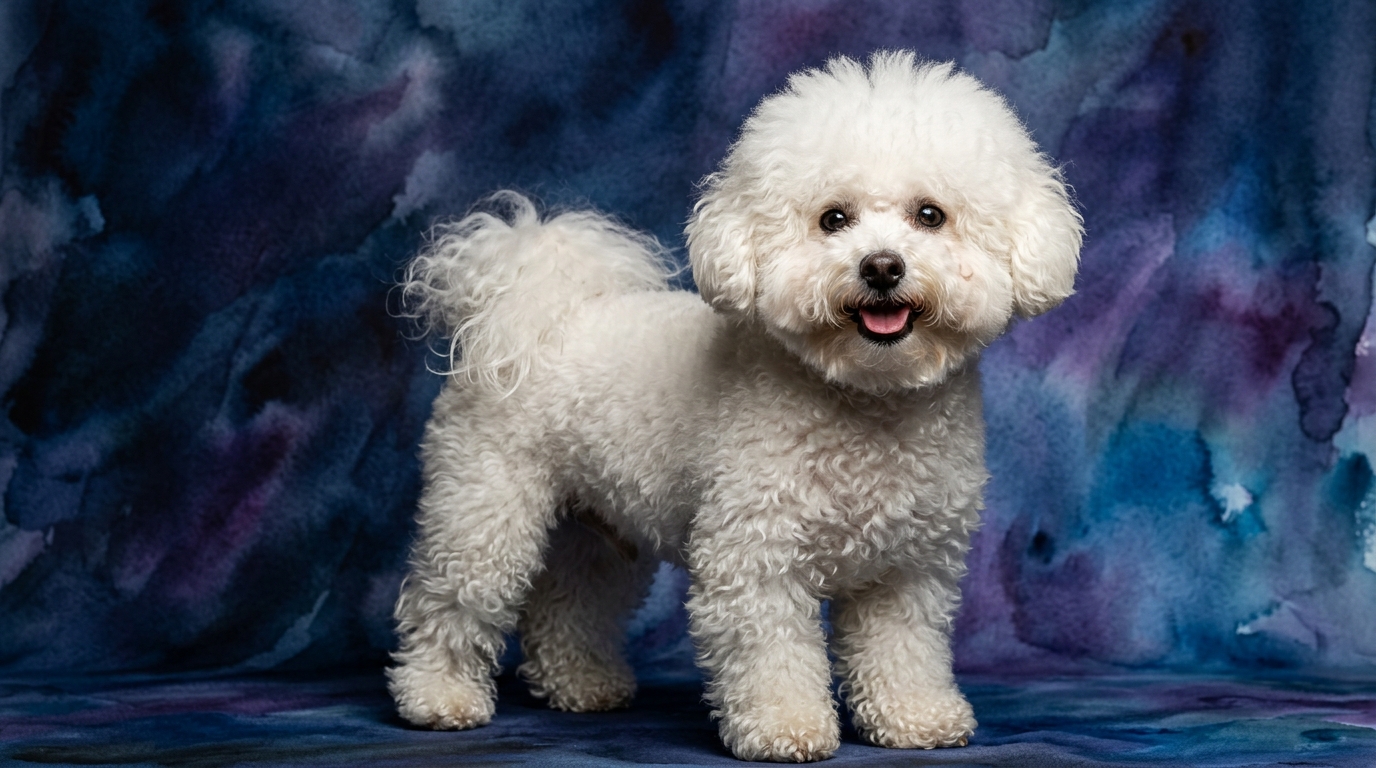
In contrast, the Bichon Frisé, a cheerful Non-Sporting companion, shares some cognitive traits with the Bernese while differing in others. Their problem-solving mirrors the Bernese at 3 out of 5, indicating similar capacities for moderate intellectual challenges. Social intelligence is also a standout at 5 out of 5, underscoring their profound attunement to human emotion and interaction. However, their training speed is slightly lower at 3 out of 5, meaning they might require a bit more repetition to solidify new behaviors. Their instinctive drive is considerably lower at 2 out of 5, reflecting a less pronounced urge for traditional 'work,' and their memory also registers at 3 out of 5.
Where Bernese Mountain Dog Wins Cognitively
The Bernese Mountain Dog distinctly outshines the Bichon Frisé in two key cognitive dimensions: training speed and instinctive drive. With a training speed score of 4 out of 5 compared to the Bichon’s 3 out of 5, Bernese often demonstrate a quicker uptake of new commands and behavioral patterns. This difference isn't merely about raw learning capacity; it reflects a breed predisposed to understanding and executing instructions with greater efficiency, often showing a keenness to comply that streamlines the training process. Their history as farm dogs, tasked with pulling carts and guarding livestock, instilled a cognitive framework geared towards purposeful cooperation.
Furthermore, the Bernese’s instinctive drive, rated 4 out of 5 against the Bichon’s 2 out of 5, provides a powerful cognitive advantage for owners seeking a dog with a strong work ethic. This higher drive translates into a natural inclination to engage with tasks, follow directions, and find fulfillment in having a 'job.' While this requires appropriate outlets to prevent boredom, it means a Bernese is inherently motivated by the opportunity to participate in structured activities, making them exceptionally responsive to advanced obedience, carting, or other performance-based training. Their mental makeup thrives on having a purpose, a trait less pronounced in breeds primarily developed for companionship.
Where Bichon Frisé Wins Cognitively
While the Bichon Frisé doesn't boast higher scores in any individual cognitive dimension compared to the Bernese, their particular blend of attributes translates into distinct advantages for certain lifestyles. Both breeds share an exceptional social intelligence score of 5 out of 5 and identical problem-solving and memory scores of 3 out of 5. However, the Bichon’s significantly lower instinctive drive (2/5) compared to the Bernese (4/5) is a crucial differentiator. This reduced inherent drive for 'work' means Bichons are typically more content with less structured, task-oriented mental stimulation, making them ideal for owners who prefer a less demanding cognitive partner.
This lower instinctive drive effectively minimizes the need for extensive, purpose-driven mental engagement often required by working breeds. A Bichon's cognitive energy is primarily directed towards social interaction and companionship, leveraging their perfect social intelligence score to thrive in a family setting without the constant need for a 'job.' Their mental satisfaction often comes from being involved in daily family life, receiving affection, and engaging in playful interaction, rather than solving complex puzzles or performing strenuous tasks. This makes their cognitive profile exceptionally well-suited for a relaxed companion role, where their mental needs are easily met through social connection and moderate play.
Which is Easier to Train and Why
When evaluating ease of training, the Bernese Mountain Dog generally presents a smoother path due to their higher training speed and pronounced instinctive drive. Their training speed of 4 out of 5 indicates a quicker absorption of new commands and routines, often requiring fewer repetitions to achieve proficiency. This efficiency is complemented by their strong social intelligence (5/5), which makes them highly attuned to human communication and eager to please. For a Bernese, training is often a cooperative venture, where their inherent desire to work alongside their human partner becomes a powerful motivator, leading to faster and more reliable responses.
The Bichon Frisé, with a training speed of 3 out of 5, is certainly trainable but may require a bit more patience and consistency. While their equally high social intelligence (5/5) means they are also very responsive to human interaction and desire connection, their lower instinctive drive (2/5) means they aren't inherently driven by the same 'purpose' as a Bernese. Bichons might be more motivated by play, treats, or attention, and owners may need to be more creative in maintaining engagement and focus during training sessions. While they learn effectively, the process might feel less direct and require more varied reinforcement strategies to keep their attention and solidify behaviors over time.
Which Suits Active Owners vs. Relaxed Owners
The Bernese Mountain Dog's cognitive profile makes them an excellent fit for active owners who relish providing structured engagement and a sense of purpose. Their higher instinctive drive (4/5) and quicker training speed (4/5) mean they thrive when given tasks, whether it's participating in dog sports like agility or obedience, going on challenging hikes, or even performing simple 'jobs' around the house. Owners who enjoy teaching complex sequences, exploring new environments, and integrating their dog into a dynamic lifestyle will find the Bernese's mental capacity and desire for engagement deeply rewarding. They need consistent mental stimulation to prevent boredom and channel their cognitive energy constructively.
Conversely, the Bichon Frisé's cognitive makeup is ideally suited for relaxed owners who prioritize companionship and less strenuous mental demands. Their lower instinctive drive (2/5) means they are generally content with regular social interaction, moderate play, and being an integral part of family life without the constant need for a 'job' or intense training regimen. While they still benefit from basic training and mental enrichment, a Bichon's cognitive needs are typically met through daily walks, interactive toys, and ample cuddle time. Owners seeking a cheerful, adaptable companion who finds satisfaction in shared moments rather than complex tasks will find the Bichon to be a perfectly matched intellectual partner.
The Verdict
Choose a Bernese Mountain Dog if you are an active owner seeking a cooperative partner for structured activities, enjoying the process of consistent training and providing purposeful mental stimulation.
Opt for a Bichon Frisé if you are a relaxed owner desiring a cheerful, adaptable companion whose cognitive needs are primarily met through social interaction, play, and a less demanding daily routine.
🧠 Find Your Pet's IQ Score
Our Pet IQ Lab assessment covers 25+ tests across 5 cognitive dimensions — personalized to your breed.
Take the Full IQ Test →Frequently Asked Questions
Are Bernese Mountain Dogs good problem solvers?
Bernese Mountain Dogs possess a moderate problem-solving ability, scoring 3 out of 5. This indicates they can navigate and figure out solutions to moderately complex challenges, but they may not be inclined to independently tackle highly intricate puzzles without guidance.
How does social intelligence differ between these breeds?
Interestingly, both Bernese Mountain Dogs and Bichon Frisés share an exceptional social intelligence score of 5 out of 5. This means both breeds are highly attuned to human emotions, cues, and social dynamics, making them deeply connected and responsive companions.
Is a Bichon Frisé difficult to train?
A Bichon Frisé is not difficult to train, but their training speed is 3 out of 5, suggesting they may require more repetition than some other breeds. Their high social intelligence makes them eager to please, but their lower instinctive drive means motivation during training might need to be sustained with varied rewards and engaging methods.