Side-by-Side Cognitive Profiles
The Cosmic Pet Pet IQ Lab assesses canine intelligence across five key dimensions, providing a granular view beyond general perceptions. For the Bernese Mountain Dog and Glen of Imaal Terrier, these profiles illuminate their distinct mental landscapes.
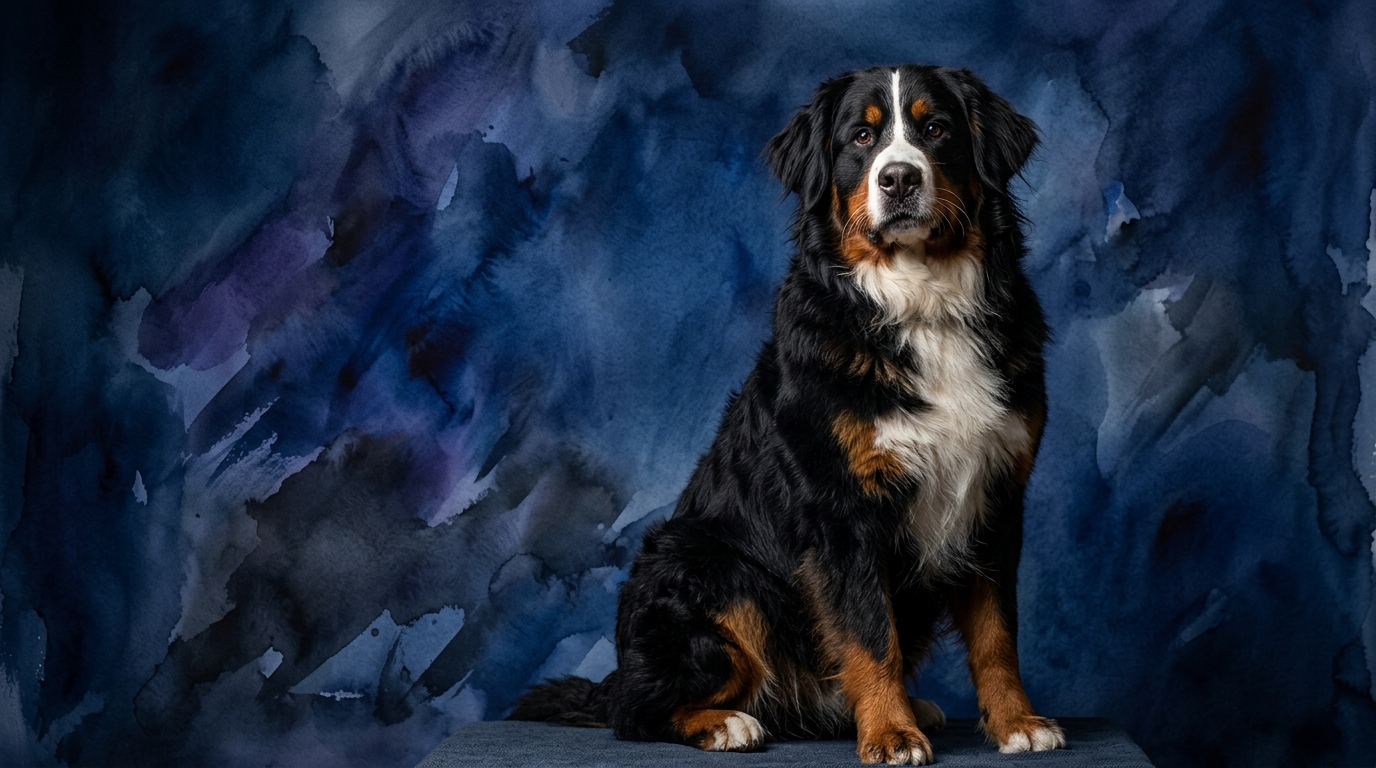
The **Bernese Mountain Dog (BMD)**, ranked #27 by Coren, demonstrates a solid capacity for understanding and executing commands, placing it in the 'above average working dogs' category. Its Problem Solving score of 3/5 reflects a practical ability to navigate familiar environments and achieve goals related to its historical roles of drafting and herding, though it may not excel at abstract puzzles. A standout 4/5 in Training Speed highlights its cooperative nature and eagerness to please, contributing to a relatively quick grasp of new commands. The Berner's exceptional Social Intelligence, scoring a perfect 5/5, means it is acutely attuned to human emotions and social cues, fostering deep bonds and making it an excellent companion. Its Instinctive Drive of 4/5 is rooted in working heritage, manifesting as a desire for purpose and engagement in structured activities like pulling or herding. Finally, a Memory score of 3/5 indicates reliable retention of learned commands, routines, and familiar people and places, ensuring consistent behavior over time.
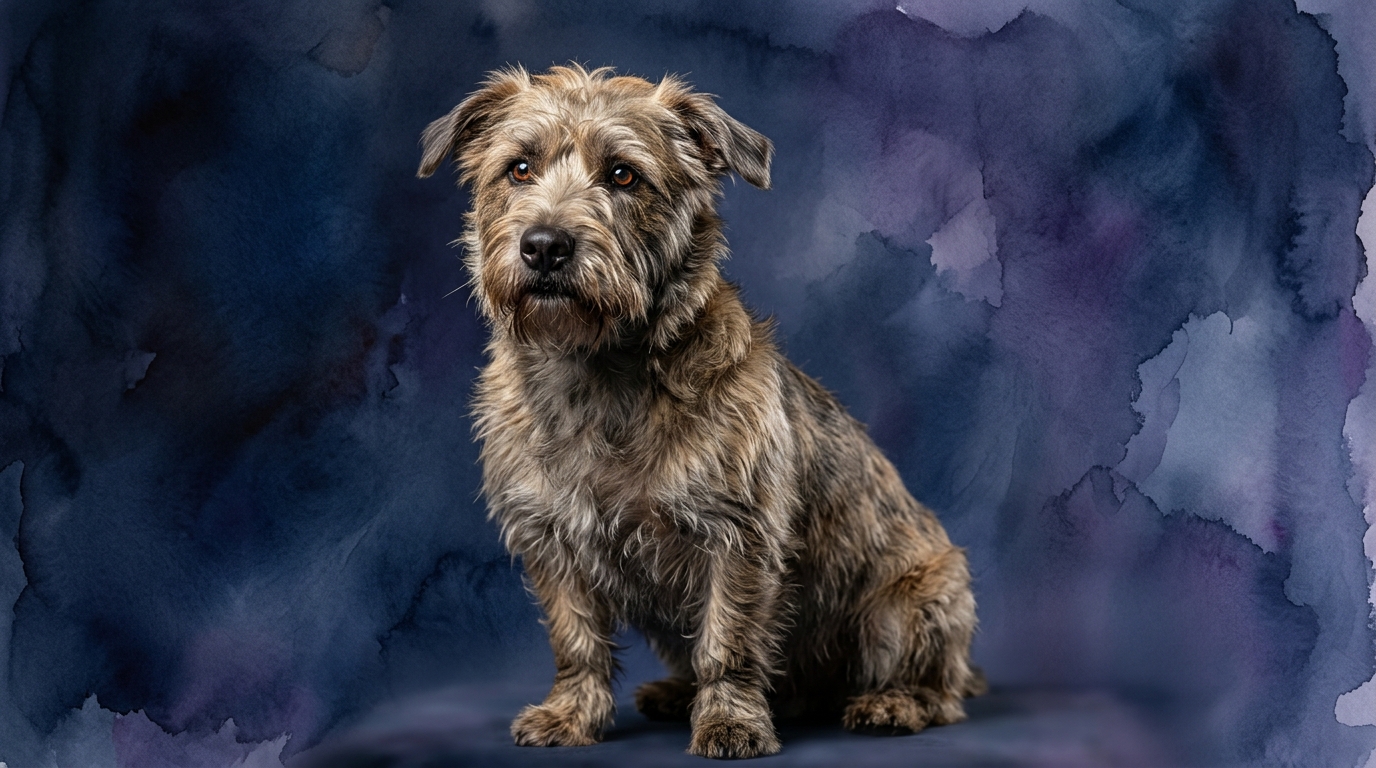
The **Glen of Imaal Terrier (GOIT)**, a less common breed and thus not Coren-ranked, possesses a unique cognitive makeup tailored to its badger and fox hunting origins. Its Problem Solving at 3/5 showcases an independent style, excelling at figuring out physical challenges like navigating tunnels or finding hidden objects, often through persistence rather than direct human instruction. The GOIT's Training Speed of 3/5 suggests it can learn, but its terrier independence means it may take longer to master commands, requiring patience and consistency. Social Intelligence, also 3/5, indicates strong bonds with its family but a more selective and reserved approach with strangers, being less overtly demonstrative than a Berner. An Instinctive Drive of 3/5 centers on hunting and digging, translating into a strong desire to explore, scent, and unearth, demanding outlets for these natural behaviors. Its Memory, also 3/5, is functional for important people, places, and learned routines, serving its independent nature in navigating its environment and recalling successful strategies for its terrier pursuits.
Where the Bernese Mountain Dog Wins Cognitively
The Bernese Mountain Dog clearly excels in dimensions that highlight cooperation and emotional attunement. Their perfect 5/5 score in social intelligence means they possess an exceptional ability to read human body language, vocal inflections, and emotional states. This makes them profoundly responsive partners in communication, often anticipating needs or reacting sensitively to a handler's mood. This cognitive strength is invaluable in roles requiring close partnership, such as therapy work or assistance tasks, where understanding subtle human cues is paramount. Furthermore, their 4/5 training speed rating reflects a strong eagerness to engage in structured learning. Unlike breeds that might require more repetition or motivation, Berners often display a natural inclination to absorb new commands and routines efficiently, deriving satisfaction from cooperative efforts. This rapid learning curve, combined with their strong instinctive drive (4/5) towards purposeful work like drafting, means they thrive when given tasks that leverage their physical capabilities and desire for contribution. They don't just learn a command; they learn its purpose within a shared activity, demonstrating a deeper cognitive integration of task and context.
Where the Glen of Imaal Terrier Wins Cognitively
While the Glen of Imaal Terrier's scores might appear lower across the board compared to the Berner, their cognitive strengths are uniquely tailored to their original purpose and manifest differently. Their 3/5 problem-solving ability, though numerically equal to the Berner's, comes with a distinct independent streak. Glens are adept at figuring out physical challenges on their own, using tenacity and a keen sense of their environment to achieve goals, particularly those involving scent or digging. They don't wait for human direction but rather apply persistent, iterative strategies to overcome obstacles, a testament to their badger-hunting lineage. This independent problem-solving, coupled with their instinctive drive (3/5) for exploration and pursuit, means they are self-starters when it comes to engaging with their environment. Their memory (3/5) is particularly strong for spatial arrangements and successful hunting strategies, enabling them to recall complex routes or the locations of interesting scents. This isn't about pleasing a handler, but about fulfilling an intrinsic drive, showcasing a resilient and self-reliant cognitive style that thrives on autonomy.
Which Is Easier to Train and Why
Between these two breeds, the Bernese Mountain Dog presents a significantly easier training experience for most owners. The Berner's 4/5 training speed, combined with its exceptional 5/5 social intelligence, creates a dog that is naturally inclined to cooperate and understand human directives. They are eager to please, respond positively to guidance, and quickly form associations between commands and actions. Their high social intelligence means they are highly motivated by praise and interaction with their handler, making them receptive to positive reinforcement techniques. Conversely, the Glen of Imaal Terrier, with a 3/5 training speed and 3/5 social intelligence, requires a more patient and nuanced approach. Glens are known for their terrier independence and a strong sense of their own agenda. While capable of learning, they are less inclined to simply 'obey' for the sake of it. Training a Glen demands creativity, consistency, and an understanding of their inherent drives. Their problem-solving might lead them to find alternative, less desired solutions if not clearly guided, and their social interactions are often on their own terms, making intrinsic motivation key to successful training outcomes. A Berner often seeks to understand and comply; a Glen seeks to understand and decide.
Which Suits Active Owners vs. Relaxed Owners
The choice between a Bernese Mountain Dog and a Glen of Imaal Terrier depends heavily on the type of activity an owner prefers. A Bernese Mountain Dog, despite its impressive size and 4/5 instinctive drive, often suits owners who appreciate structured, purposeful activities rather than constant high-intensity exertion. Their drive is rooted in working roles like drafting or herding, meaning they thrive on consistent, moderate exercise, mental engagement through training, and a 'job' to do, even if it's just carrying groceries. They are often described as calm indoors once their exercise needs are met, making them suitable for relaxed evenings but requiring dedicated time for engagement during the day. For owners who enjoy long, steady walks, obedience training, or canine sports like carting, the Berner is an excellent match. The Glen of Imaal Terrier, with its 3/5 instinctive drive, might sound less demanding, but its terrier nature means this drive is channeled into specific, often intense, bursts of activity. They require owners who are prepared for enthusiastic digging, scent work, and short, vigorous play sessions. While not needing miles of running, they need mental stimulation to prevent boredom and destructive behaviors. They suit owners who are active in a 'hands-on' problem-solving way, enjoying interactive games, earthdog trials, or exploring varied environments where their senses can be engaged. For truly relaxed owners who prefer minimal interaction or structured activity, neither breed is ideal, but the Berner's cooperative nature might be less disruptive than the independent, driven terrier.
The Verdict
Choose a Bernese Mountain Dog if you seek a highly cooperative, emotionally intelligent companion eager to learn and participate in structured activities, thriving on close partnership and a sense of purpose.
Opt for a Glen of Imaal Terrier if you appreciate an independent, tenacious problem-solver with a strong, self-directed drive for exploration and scent work, and are prepared for a rewarding but more challenging training journey.
🧠 Find Your Pet's IQ Score
Our Pet IQ Lab assessment covers 25+ tests across 5 cognitive dimensions — personalized to your breed.
Take the Full IQ Test →Frequently Asked Questions
Does the Bernese Mountain Dog's size make it harder to train despite its high training speed?
While a Berner's size requires early leash training and impulse control to manage their strength, their high training speed and social intelligence mean they are generally receptive to learning these boundaries quickly. Their desire to please often outweighs challenges posed by their physical presence.
Are Glen of Imaal Terriers good apartment dogs, given their moderate instinctive drive score?
Glen of Imaal Terriers can adapt to apartment living if their unique exercise and mental stimulation needs are consistently met. Their moderate instinctive drive focuses on bursts of activity like digging and scent games rather than extensive running, but they still require daily engaging outlets to prevent boredom and destructive behaviors in smaller spaces.
How does the Bernese Mountain Dog's social intelligence manifest with children or other pets?
The Bernese Mountain Dog's exceptional social intelligence often translates into patience, gentleness, and a protective yet calm demeanor with children, making them excellent family dogs. With other pets, their social acumen helps them integrate well, often preferring harmonious coexistence due to their cooperative nature.