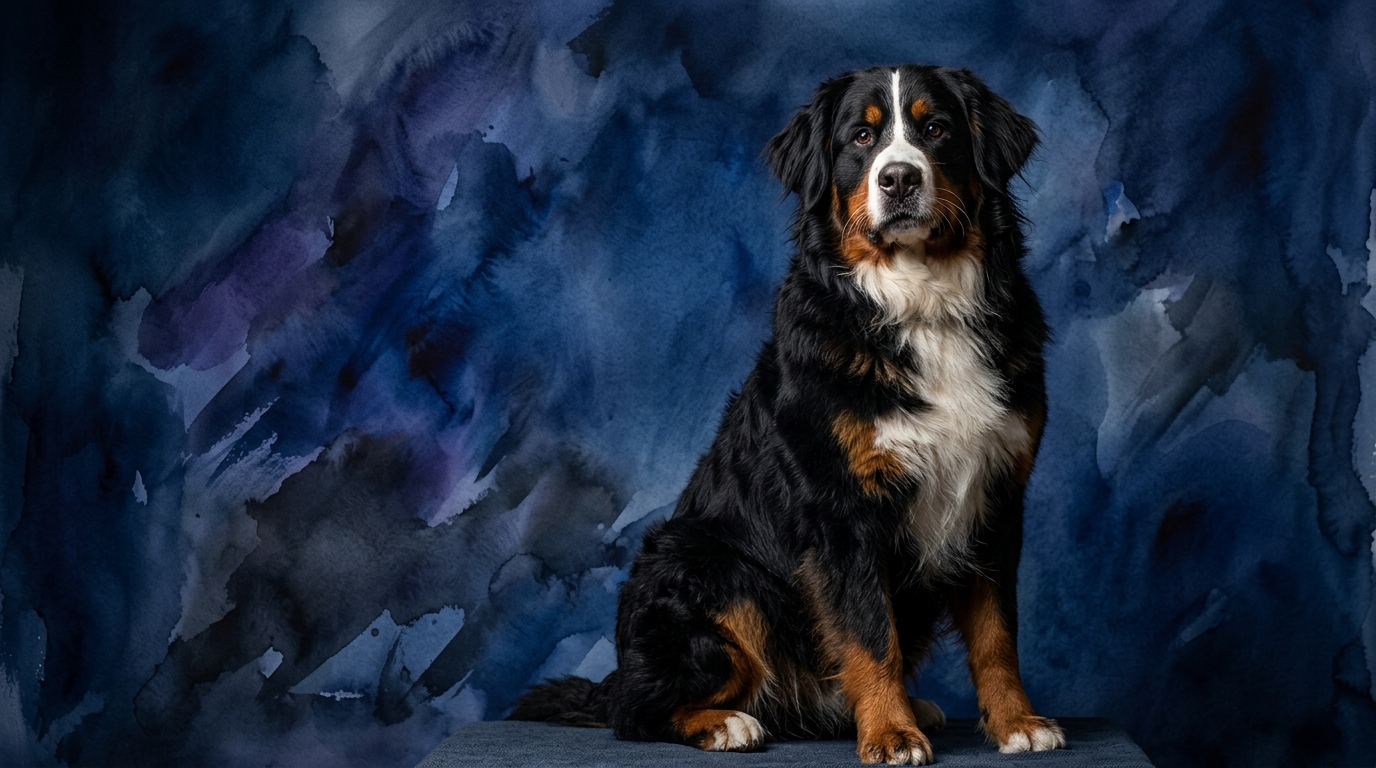
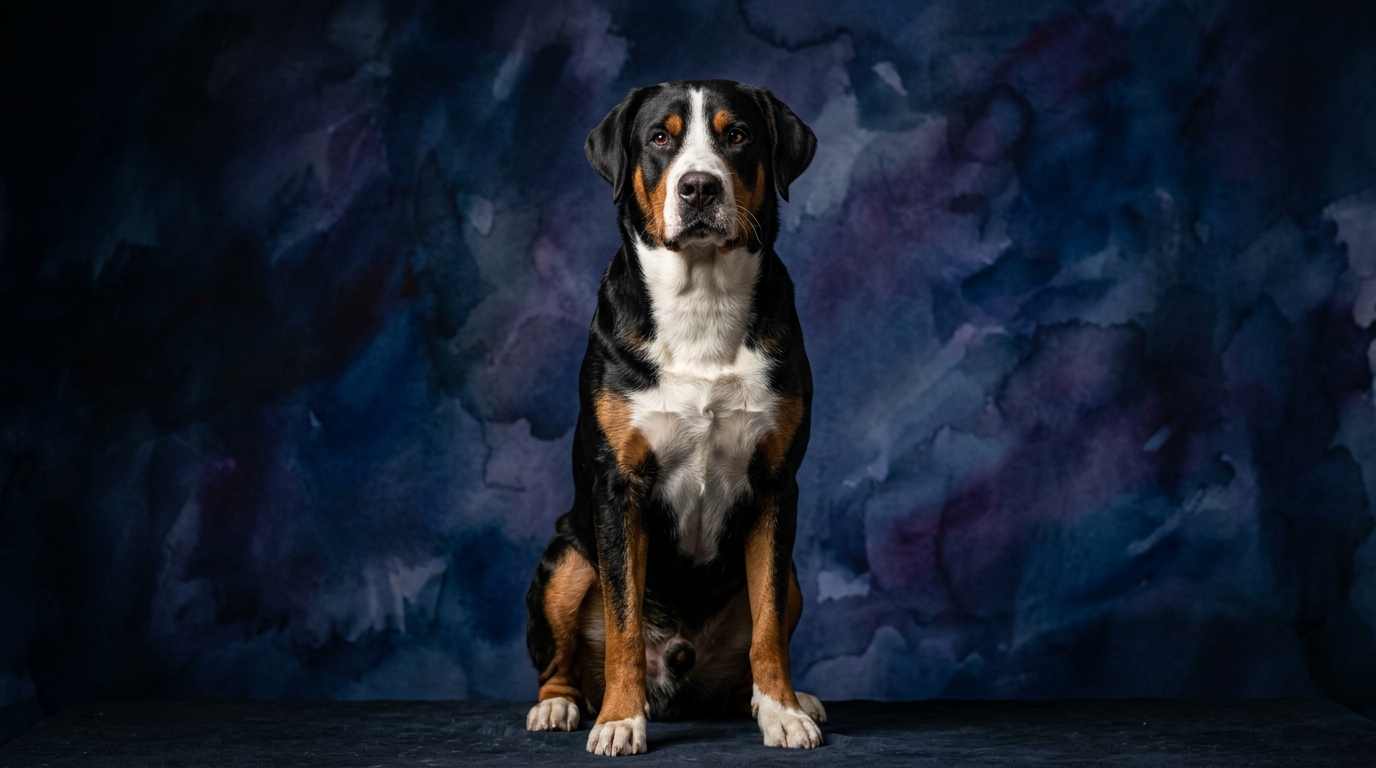
Side-by-Side Cognitive Profiles: Bernese vs. Greater Swiss
To truly understand the mental landscapes of these magnificent dogs, The Cosmic Pet Pet IQ Lab employs a five-dimensional framework: Problem Solving, Training Speed, Social Intelligence, Instinctive Drive, and Memory. This allows for a granular comparison beyond simple rankings, illuminating the nuances of their cognitive strengths.
The Bernese Mountain Dog (BMD), notably ranked #27 by Stanley Coren for working and obedience intelligence, presents a compelling cognitive profile. Its Problem Solving is rated 3/5, indicating a moderate capacity for navigating straightforward challenges, often relying on familiar routines. The BMD’s Training Speed shines at 4/5, reflecting its responsiveness to consistent instruction and a genuine eagerness to engage in cooperative learning. Social Intelligence is a remarkable 5/5, highlighting an exceptional ability to read and respond to human emotions, fostering profound bonds. Its Instinctive Drive stands at 4/5, manifesting as a strong desire for purpose, whether in traditional roles or as a devoted family member. Finally, Memory is a solid 3/5, ensuring effective retention of learned commands and daily routines.
The Greater Swiss Mountain Dog (GSMD), while not holding a Coren rank, possesses a distinct and equally valuable cognitive makeup. Its Problem Solving aligns with the Bernese at 3/5, demonstrating a practical approach to immediate, tangible issues, often utilizing its physical capabilities. Training Speed for the GSMD is rated 3/5, signifying a steady learning pace that benefits from patience and clear, consistent leadership, as they can exhibit a more independent streak. Social Intelligence is 3/5, indicating a reserved and observant nature; they form deep loyalties within their family but are more measured with strangers. Instinctive Drive is also 3/5, rooted in their history as versatile farm dogs, translating into a strong territorial instinct and desire for purposeful work. Its Memory is 3/5, reliably retaining familiar people, places, and frequently reinforced commands.
Where the Bernese Mountain Dog Excels Cognitively
The Bernese Mountain Dog truly excels in the realm of social intelligence, earning a perfect 5/5 score. This translates into an unparalleled ability to read human emotions, understand subtle social cues, and adapt their behavior to the mood of their household. They are incredibly empathetic companions, often offering comfort without prompting or adjusting their playfulness based on who they're interacting with. This deep emotional attunement fosters an exceptionally strong human-animal bond, making them highly responsive to their family's needs and promoting a harmonious living environment.
Another area where the Bernese demonstrates a cognitive edge is in training speed, rated at 4/5. Their inherent desire to please, combined with their social sensitivity, makes them generally more eager and quicker to absorb new commands and routines. They often find the process of learning and working alongside their human partners to be a rewarding experience in itself. This responsiveness means that a well-structured training program can yield results more rapidly, building a solid foundation of obedience and good manners efficiently.
The Bernese also benefits from its Coren rank of #27, indicating a consistent and reliable capacity for understanding and executing commands. While not a measure of raw problem-solving, this ranking reflects a breed that generally requires fewer repetitions to learn new tasks and shows a higher percentage of first-time compliance. This consistency in processing and responding to human instruction provides a distinct advantage for owners seeking a companion that readily integrates into a structured daily life with clear expectations.
Where the Greater Swiss Mountain Dog Shows Unique Cognitive Strengths
While the Greater Swiss Mountain Dog might not boast the same emotional effusiveness as the Bernese, its cognitive strengths lie in a more grounded, independent approach to its environment. Its problem-solving, rated at 3/5, is often characterized by a practical, self-reliant nature. When faced with a task, a Swissy might leverage its physical prowess and innate drive to find a solution that benefits its immediate situation, such as navigating complex terrain or managing resources, without necessarily seeking human intervention immediately. This self-sufficiency can be a distinct advantage in certain working contexts.
The Greater Swiss Mountain Dog's instinctive drive, also rated 3/5, manifests as a robust and purposeful demeanor. While perhaps not as overtly eager to engage in human-directed tasks as the Bernese, their drive is deeply ingrained in their historical roles as farm dogs—herding, guarding, and pulling. This means their cognitive efforts are often directed towards assessing their surroundings, identifying potential threats, and maintaining order within their perceived territory. This makes them particularly attentive watchdogs, using their cognitive faculties to process environmental stimuli for protective purposes.
Furthermore, the Greater Swiss Mountain Dog's social intelligence, while rated 3/5, reflects a selective and discerning nature rather than a deficiency. They observe and analyze social situations with a calm, almost stoic demeanor. This cognitive style means they are less likely to be swayed by fleeting emotions or external pressures, forming deep, loyal bonds with their trusted inner circle while maintaining a reserved posture towards strangers. Their social interactions are often thoughtful and deliberate, built on trust and respect rather than immediate enthusiasm, which can be a strength for owners valuing a composed and independent companion.
Training Dynamics: Bernese Mountain Dog vs. Greater Swiss Mountain Dog
When it comes to ease of training, the Bernese Mountain Dog generally presents a smoother experience for most owners. Their 'Training Speed' score of 4/5, combined with their 'Social Intelligence' of 5/5, creates a highly responsive and motivated learner. Berners thrive on positive interaction and praise, and their keen ability to read human cues means they often anticipate what's expected of them. They are less prone to independent decision-making during training sessions, preferring to work cooperatively and eager to earn approval.
This translates into quicker command acquisition and a more consistent adherence to learned behaviors, especially with positive reinforcement. For example, a Bernese is likely to respond rapidly to a 'sit' command, understanding the social reward of pleasing their owner. Their inherent desire for harmony within the family unit makes them naturally inclined to follow direction, simplifying the process of establishing good manners and basic obedience.
In contrast, the Greater Swiss Mountain Dog, with a 'Training Speed' of 3/5, can be more challenging. While certainly trainable, they possess a more independent and sometimes stubborn streak, reflective of their historical role as self-sufficient farm workers. They might question the necessity of a command or require more repetitions to fully internalize it. Training a Swissy demands patience, unwavering consistency, and a confident, fair leader who can clearly communicate expectations. For instance, a Swissy might take longer to grasp a complex sequence of actions, needing more time to process and decide if the task aligns with their own perceived value or comfort. Their strong instinctive drive, while useful, needs careful channeling to prevent it from becoming a distraction during training.
Matching Breeds to Lifestyles: Active vs. Relaxed Owners
For owners leading a more relaxed lifestyle, the Bernese Mountain Dog often makes an excellent fit. While they certainly enjoy activity and benefit from regular walks and playtime, their 'Social Intelligence' (5/5) means their primary need is often companionship and integration into family life. They are generally content to spend time with their humans, whether it's a leisurely stroll, a quiet evening indoors, or a gentle romp in the yard. Their moderate 'Instinctive Drive' (4/5) means they are less likely to become destructive or anxious if their daily schedule isn't packed with high-intensity exercise, as long as they receive consistent social interaction and mental enrichment. They thrive on being a part of the family unit, adapting well to a predictable, comfortable routine.
The Greater Swiss Mountain Dog, on the other hand, is better suited for more active owners or those who can provide a consistent outlet for their robust physique and purposeful mindset. Despite their 'Instinctive Drive' being rated 3/5, this breed was historically bred for demanding work like droving cattle and pulling carts, which translates into a need for consistent physical and mental engagement. While they don't necessarily require marathon runs, they benefit greatly from structured activities such as hiking, carting, weight pulling, or even extensive, challenging obedience work.
Their 'Problem Solving' (3/5) and 'Instinctive Drive' (3/5) suggest they appreciate tasks that challenge their bodies and minds. A Swissy with insufficient outlets for its energy and drive can become bored or restless, potentially leading to undesirable behaviors. They thrive with owners who understand and can cater to their need for a 'job' or a clear purpose, ensuring their physical and cognitive demands are met through structured activities.
The Verdict
Choose the Bernese Mountain Dog if you prioritize an exceptionally empathetic, family-oriented companion who is eager to please and relatively quick to train, thriving on social connection and a harmonious home environment. Their high social intelligence and training speed make them ideal for first-time dog owners or families seeking a responsive, emotionally attuned pet.
Opt for the Greater Swiss Mountain Dog if you appreciate a more independent, self-reliant companion with a strong sense of purpose and a calm, watchful demeanor. They are best suited for experienced owners who can provide consistent, firm training and ample opportunities for structured physical activity and mental engagement, valuing a loyal guardian with a pragmatic approach.
🧠 Find Your Pet's IQ Score
Our Pet IQ Lab assessment covers 25+ tests across 5 cognitive dimensions — personalized to your breed.
Take the Full IQ Test →Frequently Asked Questions
Does the Coren rank indicate overall intelligence?
Coren's ranking primarily assesses a dog's 'working and obedience intelligence,' focusing on how quickly a dog learns new commands and its consistency in obeying them. It doesn't fully encompass other aspects like problem-solving, social intelligence, or instinctive drives, which are crucial for a complete cognitive profile.
Are Bernese Mountain Dogs more affectionate than Greater Swiss Mountain Dogs?
Bernese Mountain Dogs typically display affection more overtly, leveraging their high social intelligence to be very attuned to human emotions and eager for physical closeness. Greater Swiss Mountain Dogs are deeply loyal and affectionate with their families but tend to express it in a more reserved, watchful, and less effusive manner.
Which breed is better for a multi-pet household?
The Bernese Mountain Dog, with its exceptional social intelligence and generally agreeable nature, often adapts more seamlessly to multi-pet households, showing greater tolerance and empathy towards other animals. The Greater Swiss Mountain Dog can integrate well, but its more reserved social intelligence and stronger protective instincts might require more careful introductions and management.