
Side-by-Side Cognitive Profiles: Bernese Mountain Dog vs. Keeshond
The Bernese Mountain Dog, with a Coren rank of #27, presents a cognitive profile emphasizing social connection and purposeful work. Their Problem Solving score of 3/5 indicates a solid, but not exceptional, capacity for independent thought in novel situations; they often prefer to look to their human for guidance or rely on established routines. Training Speed at 4/5 reflects a commendable ability to grasp new commands quickly, driven by their desire to please and engage with their family.
Where the Bernese truly shines is in Social Intelligence, earning a perfect 5/5. This dimension highlights their profound capacity to understand human emotions, intentions, and social cues, fostering deep, empathetic bonds. Their Instinctive Drive, rated 4/5, points to a strong internal motivation for tasks aligned with their heritage, such as guarding, companionship, or draft work, giving them a natural sense of purpose. Memory at 3/5 suggests a reliable, but not photographic, retention of experiences and learned behaviors.
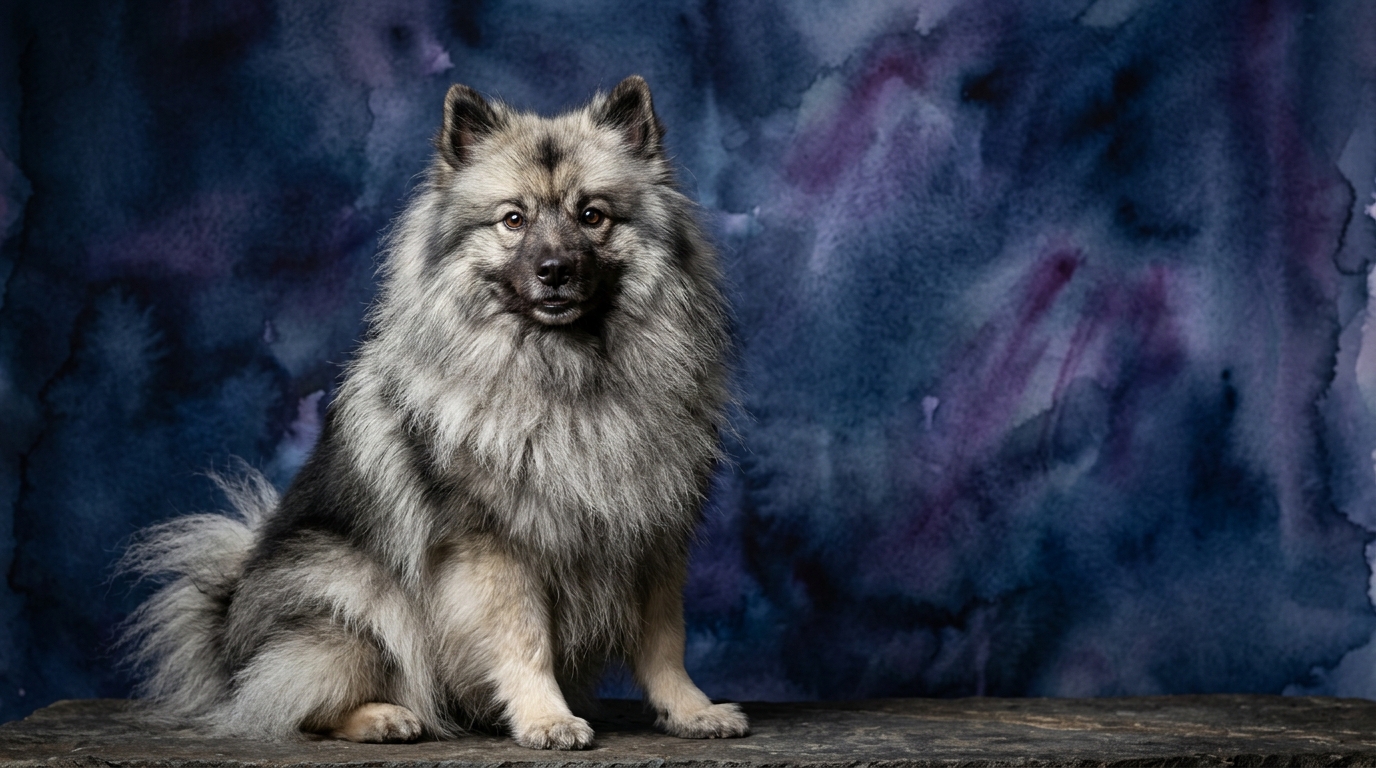
In contrast, the Keeshond, ranked #16 by Coren, showcases a different set of mental strengths. Their Problem Solving score of 4/5 indicates an above-average ability to independently assess and navigate new challenges, often finding creative solutions without direct instruction. Training Speed, also at 4/5, shows they learn rapidly, though their independent nature might mean they require more varied or game-like approaches to maintain engagement.
The Keeshond's Social Intelligence is 3/5, meaning they form strong bonds with their immediate family but might be less broadly adaptable or overtly empathetic in diverse social settings compared to the Bernese. Their Instinctive Drive is 3/5, reflecting a moderate, primarily watchdog-oriented drive rather than complex working tasks, focusing on vigilance and companionship. However, their standout trait is Memory, scoring an impressive 5/5, signifying exceptional recall for events, routines, and experiences, making them highly aware of their environment and history.
Where the Bernese Mountain Dog's Mind Excels
The Bernese Mountain Dog's cognitive strengths are deeply rooted in their capacity for empathetic connection and cooperative engagement. Their perfect 5/5 in Social Intelligence means they possess an unparalleled ability to read and respond to human emotions and body language. This makes them profoundly attuned companions, often anticipating needs or offering comfort without explicit prompting. They thrive in environments where they are integrated into family life, acting as sensitive barometers of household moods and fostering an almost intuitive understanding with their owners.
Coupled with their 4/5 Instinctive Drive, Bernese Mountain Dogs possess an innate desire to be useful and contribute to their family unit. This isn't about aggressive guarding, but rather a gentle vigilance and a natural inclination towards tasks like accompanying family members, providing a comforting presence, or even light carting. Their historical role as farm dogs meant working closely with people, and this cooperative spirit is deeply embedded in their cognitive makeup, making them exceptionally reliable and devoted partners in shared activities.
Where the Keeshond's Mind Shines
The Keeshond's cognitive prowess is most evident in their sharp, independent thinking and remarkable recall. Their 4/5 Problem Solving ability means these dogs are adept at figuring things out on their own. They aren't content to simply wait for instructions; a Keeshond might strategically plan how to reach a dropped toy under the sofa, or creatively open a cupboard door to investigate an interesting scent. This resourcefulness makes them engaging and often amusing companions, but also means they require consistent mental engagement to prevent them from applying their cleverness to less desirable pursuits.
What truly sets the Keeshond apart is their exceptional 5/5 Memory. This isn't just about remembering commands; it encompasses a vivid retention of past events, routines, and the precise locations of objects or people. A Keeshond will remember that a specific visitor once offered them a treat, or recall the exact spot where a favorite toy was last seen days ago. This acute memory contributes to their watchfulness, as they are quick to notice anything out of place or any deviation from their established patterns, making them excellent, though sometimes vocal, home guardians.
Training Dynamics: Bernese Mountain Dog vs. Keeshond
While both breeds share a 4/5 Training Speed, the experience of training them can differ significantly due to their other cognitive traits. The Bernese Mountain Dog’s superior Social Intelligence (5/5) makes them generally easier to train in a conventional sense. They possess a strong desire to please their human companions and are highly motivated by positive reinforcement and the opportunity to work cooperatively. Their empathetic nature means they respond well to gentle guidance and thrive on the bond formed during training sessions, viewing it as a shared activity.
The Keeshond, despite learning quickly, can present a different challenge due to their higher Problem Solving (4/5) and lower Social Intelligence (3/5). They are independent thinkers who might question the necessity of a command or try to find a more efficient way to perform a task. Training a Keeshond often requires creativity, consistency, and making lessons feel like a game or a puzzle they want to solve, rather than a rote exercise. Their exceptional Memory (5/5) also means they remember inconsistencies in training or past negative experiences, necessitating a patient and positive approach to build trust and ensure compliance.
Lifestyle Suitability: Active Engagement vs. Relaxed Companionship
Choosing between these breeds often comes down to an owner's lifestyle and how they prefer to engage with their dog. The Bernese Mountain Dog, with its high Social Intelligence and moderate Instinctive Drive, is an ideal fit for owners who thrive on deep companionship and integrating their dog into every aspect of family life. While they require regular, moderate exercise, their primary need is for interaction and a sense of belonging. They are suited for owners who enjoy purposeful walks, gentle outdoor adventures, and a dog who is a constant, comforting presence, rather than an intense athletic partner.
The Keeshond, characterized by strong Problem Solving and exceptional Memory, appeals to owners who are prepared for consistent mental engagement and enjoy a clever, sometimes mischievous, companion. They need more than just physical exercise; their minds need to be challenged with puzzle toys, advanced obedience, or dog sports like agility. These dogs thrive with owners who are "active" in terms of intellectual stimulation and consistent training, capable of channeling their resourcefulness. While they enjoy moderate physical activity, it's their mental needs that define their suitability, making them a better match for those who can dedicate time to structured play and problem-solving games.
The Verdict
Choose the Bernese Mountain Dog if you seek an inherently cooperative, empathetic companion that thrives on deep social connection and gentle, purposeful integration into family life. They excel when given a role that leverages their desire to please and their understanding of human emotion.
Opt for the Keeshond if you are drawn to a dog with remarkable independent problem-solving skills and an exceptional memory, and are prepared to provide consistent mental challenges and engaging training to satisfy their clever, watchful nature. They flourish with owners who appreciate their resourcefulness and can channel their intellect.
🧠 Find Your Pet's IQ Score
Our Pet IQ Lab assessment covers 25+ tests across 5 cognitive dimensions — personalized to your breed.
Take the Full IQ Test →Frequently Asked Questions
Are Bernese Mountain Dogs good for first-time owners?
Yes, their high social intelligence and eagerness to please make them generally amenable to training and understanding human cues, which can be beneficial for novice dog owners learning the ropes. However, their size and exercise needs still require commitment.
Do Keeshonds bark a lot?
Keeshonds were historically watchdogs, and their strong memory and vigilant nature mean they can be prone to barking at perceived threats or novelties. Consistent training and early socialization are crucial to manage their vocal tendencies.
Which breed is better for apartment living?
While both are adaptable, the Keeshond's moderate size and primary need for mental stimulation over vast physical space can make them a slightly better fit for apartment living, provided their barking is managed and daily walks and brain games are provided. Bernese Mountain Dogs, due to their larger size and strong desire for companionship, might find apartments less ideal without ample outdoor access and constant family presence.