
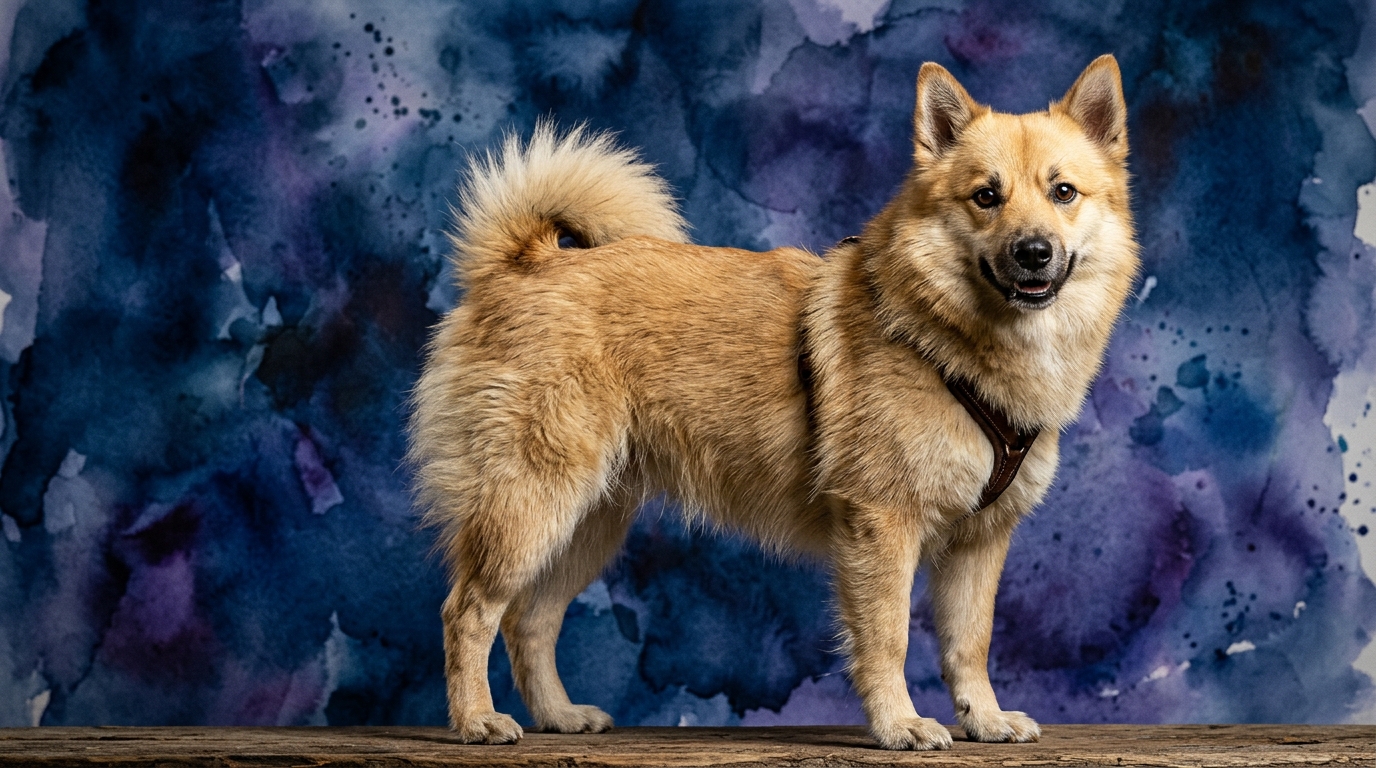
Side-by-Side IQ Profile: Bernese Mountain Dog vs. Norwegian Buhund
**Bernese Mountain Dog (Working Group)**: These dogs, Coren-ranked #27, showcase a balanced yet distinct cognitive profile. Their Problem Solving is rated 3/5, indicating a moderate ingenuity in novel situations, often relying on familiar patterns rather than complex, spontaneous solutions. They possess a Training Speed of 4/5, reflecting a strong desire to please and quick grasp of new commands, thriving on consistent, positive reinforcement. Social Intelligence is where they truly shine at 5/5, demonstrating an exceptional ability to read human cues and emotional states, forming deep, empathetic bonds. Their Instinctive Drive is 4/5, manifesting as a robust desire for purpose-driven activities, historically pulling carts or guarding. Finally, their Memory stands at 3/5, offering a solid capacity for recalling learned commands and routines over time.
**Norwegian Buhund (Herding Group)**: Unranked by Coren, the Buhund presents a consistent cognitive score across all dimensions. Their Problem Solving is 3/5, showing a practical ability to navigate new situations, often applying their innate herding instincts to challenges with a task-oriented mindset. Training Speed is 3/5; while capable, their independent spirit means they require patient, consistent training to solidify new behaviors. Social Intelligence is also 3/5, indicating good recognition of familiar individuals and a desire for interaction, though perhaps not the same empathetic depth as some companion breeds. Their Instinctive Drive is 3/5, rooted in their herding heritage, presenting as a persistent, watchful urge to gather and manage. Memory is 3/5, allowing them to effectively retain commands, routes, and established routines pertinent to their working roles.
Where the Bernese Mountain Dog Wins Cognitively
The Bernese Mountain Dog truly excels in the realm of social intelligence, scoring a remarkable 5 out of 5. This translates into an exceptional capacity to interpret human emotions, body language, and vocal inflections, making them incredibly intuitive and responsive companions. They often seem to anticipate their owner's needs or moods, offering comfort or companionship precisely when it's most desired. Furthermore, their training speed, rated at 4 out of 5, gives them a distinct advantage in learning. This isn't just about rote memorization; it reflects their keen desire to collaborate and their ability to quickly associate commands with actions, making them highly receptive to instruction and eager to participate in cooperative tasks.
Where the Norwegian Buhund Wins Cognitively
While not scoring higher in any single dimension, the Norwegian Buhund's cognitive strengths lie in its balanced and practical application of intelligence, particularly its focused instinctive drive and independent problem-solving for specific tasks. Its 3/5 instinctive drive, rooted in its herding lineage, means it possesses a purposeful, persistent mindset crucial for monitoring and managing, which is a specific cognitive advantage in scenarios requiring vigilance and directed action without constant human oversight. Paired with its 3/5 problem-solving, the Buhund is adept at figuring out practical solutions within its environment, often relying on its own judgment, a trait valuable for a dog historically tasked with independent decision-making in the field.
Which is Easier to Train and Why
Based on their respective training speed scores, the Bernese Mountain Dog (4/5) generally proves easier to train compared to the Norwegian Buhund (3/5). The Bernese's higher social intelligence fuels a strong desire to please its human companions, making it highly motivated by praise and affection. This eagerness to cooperate, combined with its good memory, means it often picks up new commands and routines with fewer repetitions and maintains a more consistent performance. In contrast, the Norwegian Buhund, with its herding background, possesses a more independent streak. While certainly trainable, its cognitive profile suggests it may require more patience and consistency from its owner, sometimes needing to be convinced of the value of a command rather than simply complying out of a strong desire to please. This isn't a lack of ability, but a difference in motivational drivers and cognitive approach, where the Buhund's problem-solving may be more inwardly directed.
Which Suits Active Owners vs. Relaxed Owners
For owners who appreciate a more relaxed pace and a deeply empathetic companion, the Bernese Mountain Dog is often a better fit. Its high social intelligence (5/5) means it thrives on close human interaction and emotional connection, often content to be a present, comforting presence. While it possesses an instinctive drive (4/5), this is often satisfied with regular walks and engaging family activities, rather than requiring intense, continuous physical or mental exertion. Conversely, the Norwegian Buhund's balanced cognitive profile, particularly its instinctive drive (3/5) for purposeful activity and its moderate problem-solving, makes it an excellent match for active owners. These dogs excel when given a job or engaged in activities that tap into their herding instincts, such as agility, obedience, or long hikes. Their independent nature means they can be fulfilling partners for adventures, but they need an owner who can consistently channel their cognitive energy into constructive outlets.
The Verdict
Choose the Bernese Mountain Dog if you prioritize a deeply empathetic, highly trainable companion eager to connect emotionally and participate in family life, thriving on social interaction and a moderate activity level.
Opt for the Norwegian Buhund if you seek an active, independent partner that excels with a purpose, thrives on engaging challenges that tap into its herding instincts, and appreciates consistent, patient guidance.
🧠 Find Your Pet's IQ Score
Our Pet IQ Lab assessment covers 25+ tests across 5 cognitive dimensions — personalized to your breed.
Take the Full IQ Test →Frequently Asked Questions
Does the Bernese Mountain Dog's social intelligence make it prone to separation anxiety?
While their high social intelligence fosters deep bonds, it can indeed make them more sensitive to prolonged periods of isolation. Consistent training for independence from a young age is crucial to prevent separation anxiety, ensuring they learn to cope when alone.
Is the Norwegian Buhund's herding drive difficult to manage in a home environment?
The Buhund's herding drive (3/5) is manageable but requires appropriate outlets. Engaging them in activities like fetch, agility, or even organized herding trials can effectively channel this instinct, preventing them from attempting to 'herd' children or other pets inappropriately.
How do their memory scores impact long-term training success?
Both breeds score 3/5 in memory, indicating a solid ability to retain learned behaviors over time. This means consistent training, especially during their formative years, will likely result in well-ingrained commands and habits for both the Bernese Mountain Dog and the Norwegian Buhund.