Side-by-Side Cognitive Profiles
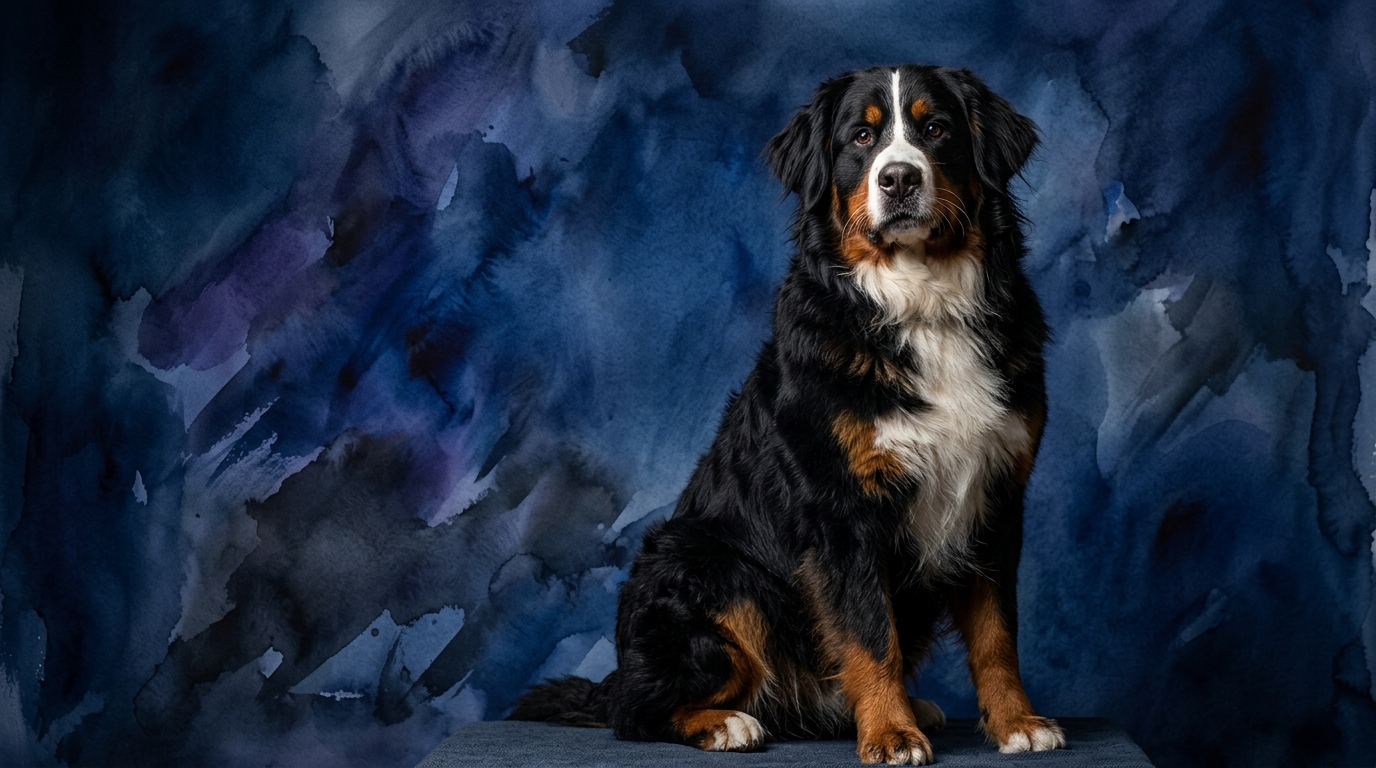
The Bernese Mountain Dog, a robust working breed, exhibits a cognitive profile tailored for companionship and collaboration. Their Problem Solving is rated at 3/5, indicating a moderate capacity for navigating novel situations or overcoming obstacles using their own initiative. Training Speed is a commendable 4/5, suggesting they grasp new commands and routines relatively quickly, often eager to please their human counterparts.
Where the Bernese truly shines is in Social Intelligence, scoring a perfect 5/5. This reflects an exceptional ability to read human emotions, understand subtle cues, and form profound, empathetic bonds. Their Instinctive Drive, at 4/5, points to a strong inherent motivation for tasks like drafting or herding, while their Memory, at 3/5, is solid but not extraordinary, allowing them to retain learned behaviors and experiences effectively.
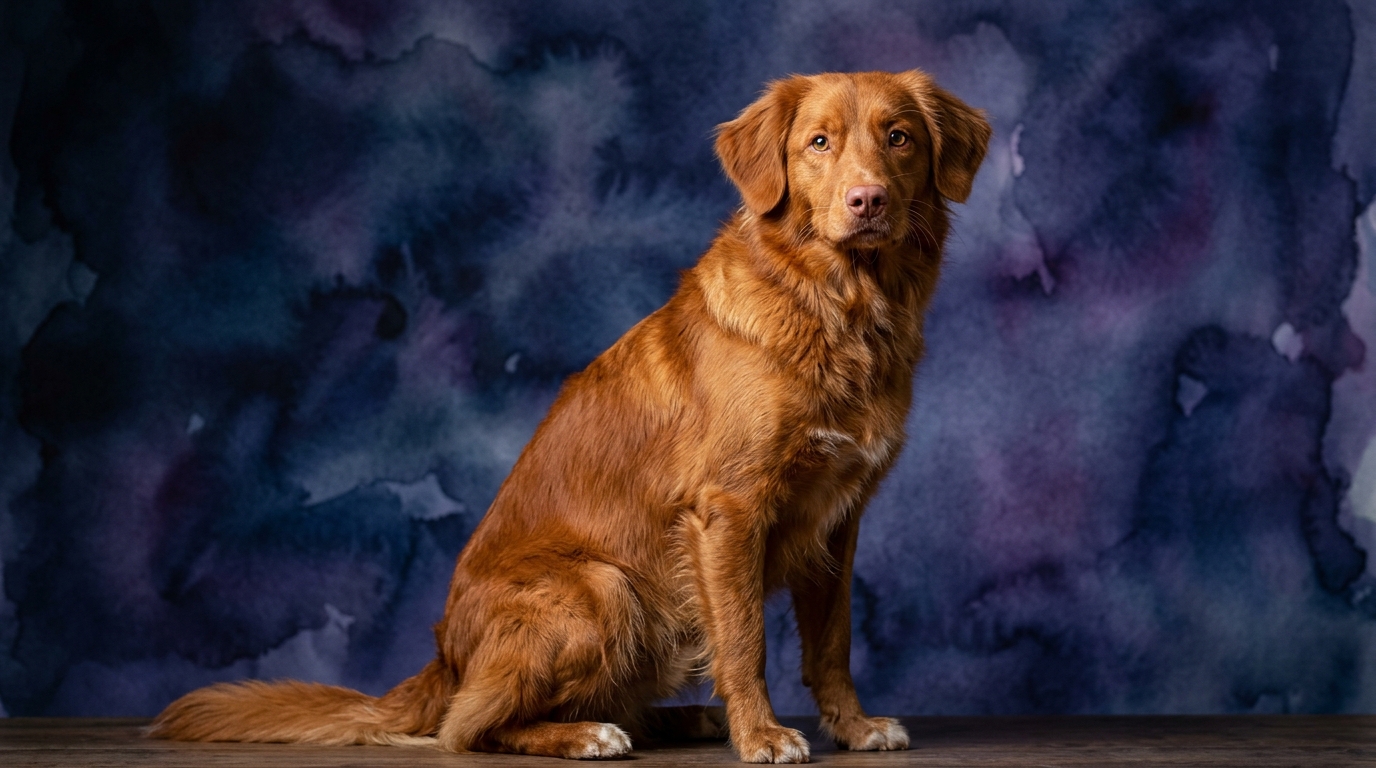
The Nova Scotia Duck Tolling Retriever, a vibrant sporting breed, presents a different cognitive blueprint, optimized for active, focused tasks. Their Problem Solving also stands at 3/5, demonstrating practical intelligence for navigating environmental challenges, particularly in retrieving scenarios. Their Training Speed is 3/5, meaning they are capable learners but may require more consistent repetition than some breeds to solidify new commands.
The Toller's Social Intelligence is rated 3/5, indicating a friendly and engaged disposition, though perhaps less overtly empathetic or human-attuned than a Bernese. Their Instinctive Drive, also 3/5, is strongly geared towards the specific act of 'tolling' (luring ducks) and retrieving, showcasing focused persistence. Like the Bernese, their Memory is 3/5, sufficient for recalling training and past experiences.
While both breeds share identical scores in Problem Solving and Memory, the significant divergence in Training Speed, Social Intelligence, and Instinctive Drive highlights their specialized aptitudes. The Bernese leans towards social connection and intuitive understanding, while the Toller excels in focused, task-oriented engagement.
Where the Bernese Mountain Dog Excels Cognitively
The Bernese Mountain Dog's primary cognitive advantage lies in its unparalleled Social Intelligence, scoring a perfect 5/5. This isn't merely about being friendly; it signifies a deep, intuitive understanding of human emotional states and social dynamics. A Bernese can often anticipate an owner's mood, respond with comforting presence, or subtly adjust their behavior based on unspoken cues, making them exceptionally empathetic companions.
Their high Training Speed (4/5) is intrinsically linked to this social intelligence. A Bernese is often highly motivated by pleasing their human, making them very responsive to positive reinforcement and eager to cooperate during training sessions. They quickly connect actions with desired outcomes, not just for a reward, but for the inherent satisfaction of shared activity and approval.
Furthermore, the Bernese's Instinctive Drive (4/5), rooted in their history as farm dogs, gives them a natural inclination towards purpose-driven tasks. While not always physically demanding, this drive manifests as a desire for routine and responsibility, enabling them to excel in roles like therapy work or as reliable family guardians who take their 'job' of being present seriously. Their cognitive strength lies in their holistic integration into the human family unit, offering both practical and emotional support.
Where the Nova Scotia Duck Tolling Retriever Excels Cognitively
The Nova Scotia Duck Tolling Retriever, despite generally lower scores, showcases distinct cognitive strengths rooted in its specialized sporting role. Their Problem Solving (3/5), while moderate, is often applied with intense focus and persistence in a practical, environmental context. Tollers are adept at figuring out how to navigate complex terrain, whether dense brush or water, to successfully retrieve a thrown object, demonstrating a keen spatial awareness and goal-oriented planning.
Their Instinctive Drive (3/5) is a specific and powerful cognitive asset. This isn't a general working drive, but a highly refined impulse for 'tolling'—luring waterfowl with playful antics—and retrieving. This unique drive translates into an exceptional capacity for sustained focus on a task, high energy levels for repetitive actions like fetch, and an unwavering determination to complete a job once engaged. Owners often observe their Tollers 'strategizing' how to best retrieve an object, displaying a practical, applied intelligence.
While their Social Intelligence is 3/5, this can be interpreted as a healthy independence rather than a deficit. Tollers are affectionate but not overly demanding of constant human validation, allowing them to concentrate on tasks without excessive distraction. This cognitive independence means they are often self-sufficient in occupying themselves, provided they have appropriate outlets for their energy, making them excellent companions for active individuals who appreciate a dog with distinct purpose and drive.
Which is Easier to Train and Why?
When it comes to ease of training, the Bernese Mountain Dog generally holds an advantage, primarily due to their superior Social Intelligence (5/5) and higher Training Speed (4/5). A Bernese thrives on human connection and approval, making them highly motivated to learn and cooperate. They tend to pick up commands quickly, requiring fewer repetitions, and their desire to please often translates into a willing and eager student.
Their empathetic nature means they are highly attuned to their trainer's cues, both verbal and non-verbal, which facilitates a smoother communication flow during training. They respond exceptionally well to positive reinforcement, viewing training as a shared activity that strengthens their bond with their owner, rather than just a series of commands to follow. This emotional investment makes them highly biddable.
The Nova Scotia Duck Tolling Retriever, with its Training Speed of 3/5 and Social Intelligence of 3/5, can be moderately challenging to train for novice owners. While intelligent and capable, they may require more patience, consistency, and creative methods to keep them engaged. Their motivation often stems more from the inherent fun of the task or the reward itself, rather than solely from human approval.
Tollers possess a strong instinctive drive for retrieving and can be easily distracted by environmental stimuli if not properly channeled. Training needs to be stimulating, varied, and tap into their natural prey drive and love for movement. They benefit from short, engaging sessions that feel like a game, rather than rote drills. While they can achieve high levels of obedience, it often demands a more active and persistent trainer who understands their specific working dog mentality.
Suitability for Active vs. Relaxed Owners
For owners with a relaxed lifestyle, the Bernese Mountain Dog is often a more suitable choice. While they possess an Instinctive Drive of 4/5 and benefit from regular exercise and mental stimulation, their deep social intelligence means they are equally content with quality time spent in quiet companionship. They are not typically high-strung or incessantly demanding of physical activity, often enjoying a good nap at their owner's feet after a moderate walk.
Their desire for connection makes them excellent house dogs who thrive on being part of family activities, even if those activities are low-key. They require consistent, but not necessarily intense, exercise to maintain their health and prevent boredom. A relaxed owner who can provide consistent, moderate walks, puzzle toys, and plenty of affectionate interaction will find a Bernese to be a wonderfully balanced companion.
Conversely, the Nova Scotia Duck Tolling Retriever is unequivocally best suited for highly active owners. Their Instinctive Drive of 3/5, combined with their sporting dog heritage, means they possess boundless energy and a profound need for physical and mental engagement. They are not content with short walks around the block; they require vigorous exercise daily, such as long runs, swimming, or extensive games of fetch, to prevent boredom and destructive behaviors.
Tollers excel in dog sports like agility, flyball, dock diving, and obedience, where their intelligence and drive can be channeled constructively. An active owner who enjoys outdoor adventures, hiking, or participating in dog sports will find a Toller to be an enthusiastic and tireless partner. Without sufficient outlets for their energy and mental stimulation, Tollers can become restless and prone to mischief, making them a poor fit for sedentary lifestyles.
The Verdict
Choose the Bernese Mountain Dog if you value deep emotional connection, a highly biddable companion eager to please, and a dog whose intelligence is expressed through empathy and gentle participation in family life, requiring moderate activity.
Opt for the Nova Scotia Duck Tolling Retriever if you lead a highly active lifestyle, desire a focused and persistent partner for outdoor adventures or dog sports, and appreciate a dog whose intelligence is geared towards independent, task-oriented engagement.
🧠 Find Your Pet's IQ Score
Our Pet IQ Lab assessment covers 25+ tests across 5 cognitive dimensions — personalized to your breed.
Take the Full IQ Test →Frequently Asked Questions
Are Bernese Mountain Dogs good with children?
Yes, Bernese Mountain Dogs are generally excellent with children due to their high social intelligence and gentle nature. They are often patient and protective, making them wonderful family dogs, though supervision is always recommended with any breed.
Do Nova Scotia Duck Tolling Retrievers bark a lot?
Nova Scotia Duck Tolling Retrievers can be vocal, often using a distinctive 'Toller scream' or 'singing' when excited or to alert. Early training and sufficient mental and physical exercise can help manage excessive barking, but they are not typically silent dogs.
What kind of grooming do these breeds require?
Bernese Mountain Dogs have a thick double coat that requires regular brushing several times a week to prevent mats and manage shedding, especially seasonally. Nova Scotia Duck Tolling Retrievers have a medium-length double coat that also needs regular brushing, typically 2-3 times a week, to keep it healthy and minimize shedding.