Decoding Canine Minds: Bernese Mountain Dog vs. Otterhound IQ Profiles
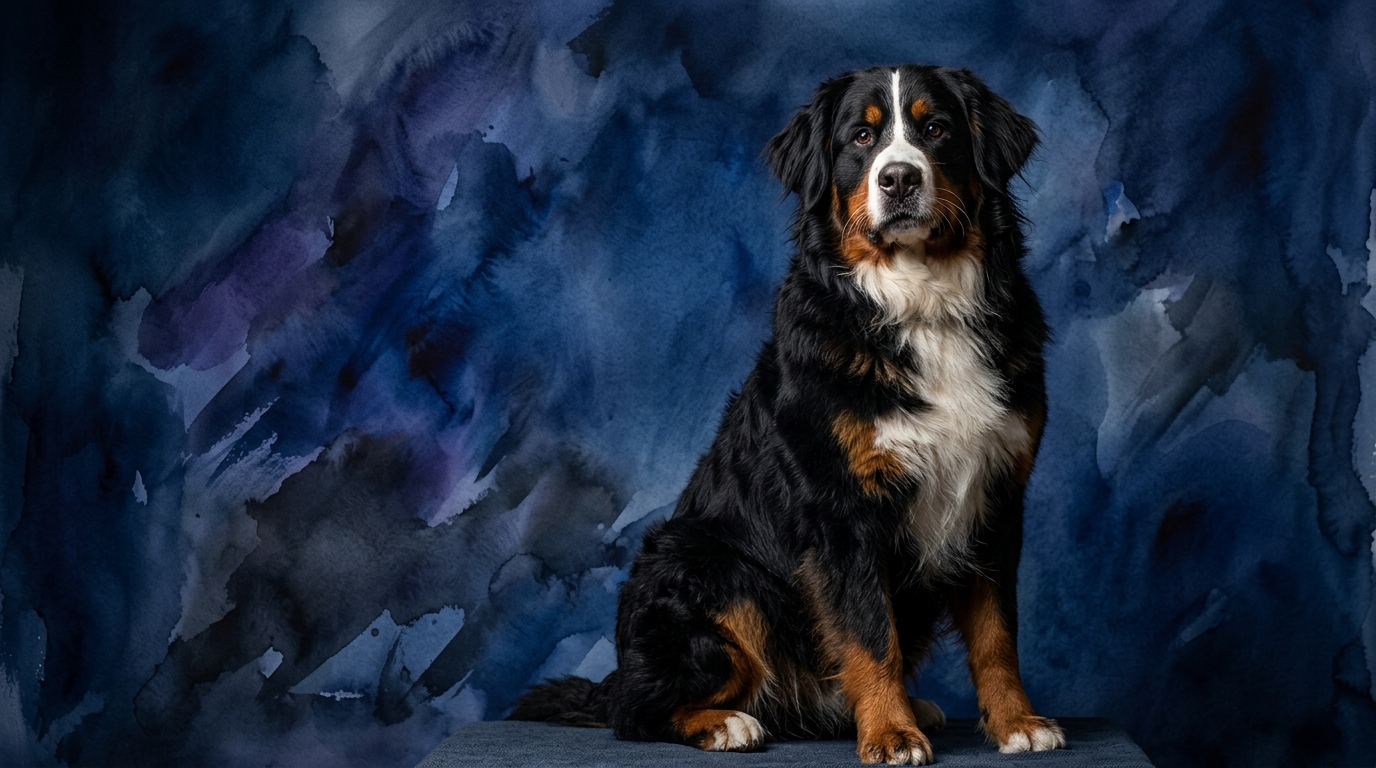
The Cosmic Pet Pet IQ Lab's five-dimensional framework offers a nuanced view of canine intelligence. The Bernese Mountain Dog, Coren-ranked at #27, shows a Problem Solving score of 3/5, indicating moderate ability to navigate novel challenges. Their Training Speed is 4/5, reflecting a quick grasp of new commands and an eagerness to please. Social Intelligence is a Bernese strength at 5/5, showcasing exceptional empathy and understanding of human cues, allowing seamless integration into family dynamics. An Instinctive Drive of 4/5 points to their working dog tendencies, while Memory is 3/5, suggesting solid but not extraordinary recall.
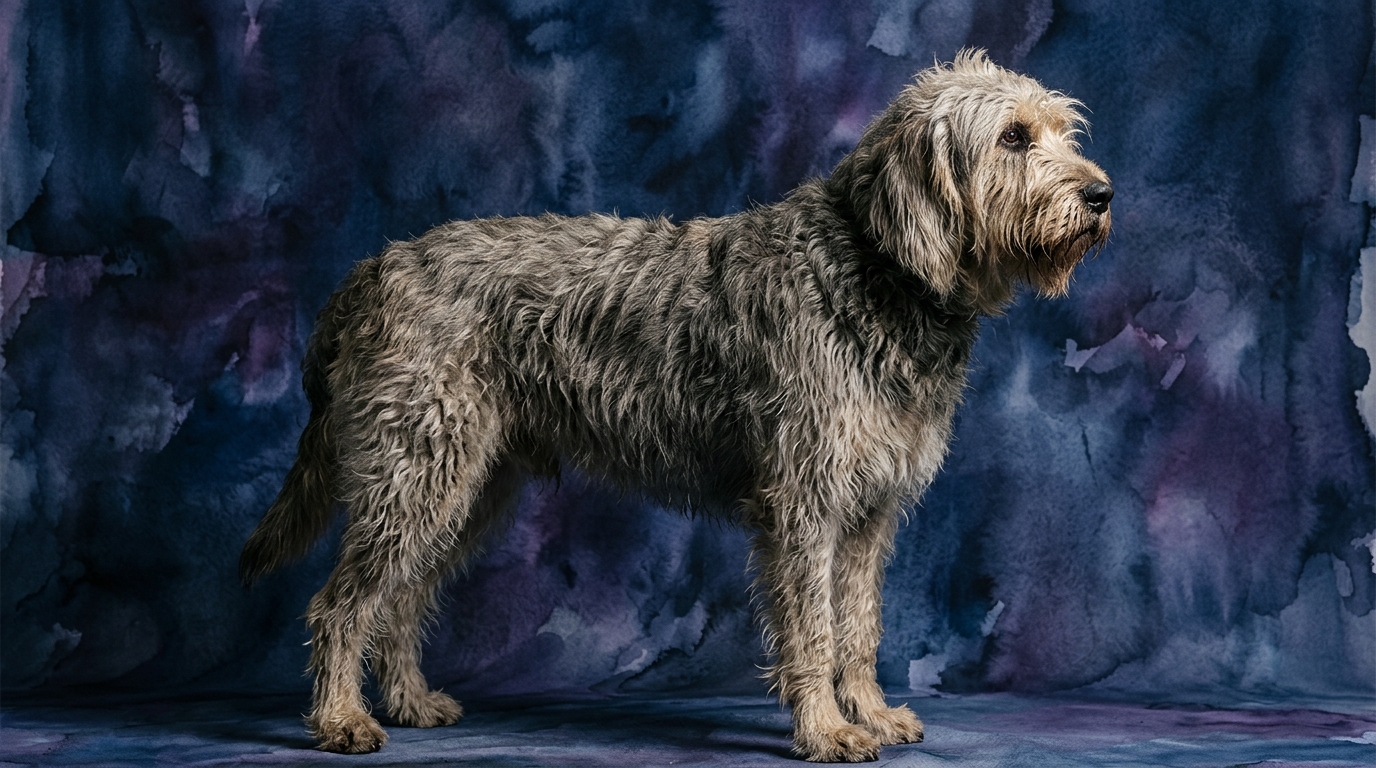
Conversely, the Otterhound, not Coren-ranked, presents a more uniform cognitive profile. Their Problem Solving is 3/5, similar to the Bernese, though their approach is often scent-driven. Training Speed is 3/5, indicating a steady learning pace requiring more patience. Social Intelligence at 3/5 signifies a friendly, yet less intensely people-focused demeanor, with affection often shown on their own terms. An Instinctive Drive of 3/5 highlights their strong scent-hunting heritage, which can override other impulses. Memory also sits at 3/5. This comparison reveals how distinct breed histories shape their cognitive strengths and learning styles.
Bernese Mountain Dog's Cognitive Edge: Social Grace and Learning Pace
The Bernese Mountain Dog clearly distinguishes itself in Social Intelligence and Training Speed. Their perfect 5/5 Social Intelligence score reflects a profound capacity to read human emotions, understand subtle body language, and respond empathetically. This sophisticated social awareness allows them to integrate seamlessly into complex household dynamics, often anticipating needs or offering comfort without explicit commands. They form deep, intuitive bonds, making them exceptional family companions who genuinely connect emotionally.
Furthermore, the Bernese's Training Speed of 4/5 indicates a significant advantage in acquiring new behaviors and commands efficiently. This quicker learning curve stems from their eagerness to engage with handlers and their historical role requiring them to follow complex instructions. They tend to pick up on cues rapidly, generalize learned behaviors, and are generally more receptive to structured training. This responsiveness makes them a rewarding partner for owners pursuing obedience, as they often make swift progress.
Otterhound's Unique Cognitive Strengths: Scent-Driven Persistence
While the Otterhound's IQ scores might appear moderate, their distinct cognitive strengths are deeply rooted in their specialized ancestral purpose. Their Instinctive Drive, rated 3/5, is singularly focused on scent work, making them unparalleled in tasks requiring persistent olfactory tracking. This involves a complex cognitive process of discriminating between scents, following intricate trails, and maintaining focus over long periods despite distractions. Their ability to "solve" the puzzle of a hidden scent is a testament to a specific type of problem-solving.
The Otterhound's unique advantage lies in their unwavering determination once they latch onto a scent. This persistence, driven by their instinctive drive, translates into remarkable sustained effort in tasks engaging their natural inclinations. While general problem-solving is 3/5, when a problem involves a scent trail, their dedication can appear limitless. This intense focus on a specific sensory input means they excel in activities like scent detection games or tracking, where their human counterparts might falter.
Training Dynamics: Bernese Mountain Dog's Receptiveness vs. Otterhound's Focus
When it comes to ease of training, the Bernese Mountain Dog generally presents a more straightforward path, primarily due to their higher Social Intelligence (5/5) and faster Training Speed (4/5). Bernese Mountain Dogs possess an innate desire to connect with humans and understand expectations, making them highly receptive to cues and eager to please. This social attunement means they often pick up on subtle signals and are motivated by praise, leading to quicker learning and consistent obedience. Their cooperative nature and lower prey drive compared to a hound also mean fewer distractions, allowing them to maintain focus on the handler and internalize commands with ease.
The Otterhound, with a Training Speed of 3/5 and Social Intelligence of 3/5, requires a different approach. Their training journey often demands greater patience and creativity. The Otterhound’s strong instinctive drive (3/5), particularly their formidable scenting ability, means they are easily sidetracked by interesting smells. This isn't defiance, but their intrinsic nature overriding learned behaviors. Training an Otterhound involves harnessing this drive, perhaps by incorporating scent work or making training highly engaging to compete with environmental stimuli. Their independent, scent-driven mindset means they might take longer to generalize commands and require more repetition to stay focused on human-directed tasks.
Lifestyle Compatibility: Matching Energy Levels and Engagement Styles
For owners leading a more relaxed or moderately active lifestyle, the Bernese Mountain Dog often proves more suitable. While they benefit from regular exercise, their overall energy levels are generally lower once past puppyhood. Their high Social Intelligence (5/5) means they thrive on human companionship, content to be involved in family activities, from leisurely walks to lounging. They appreciate predictable routines and a calm home environment, making them excellent partners for owners valuing quiet evenings and gentle companionship. Their cooperative nature also means they are generally manageable on a leash, fitting well into a more structured, relaxed daily rhythm.
Conversely, the Otterhound is a better match for active owners who relish outdoor adventures and are prepared to engage with a dog whose primary motivation is scent-driven exploration. Their hound heritage demands consistent physical activity, preferably where their powerful nose can be utilized, such as long hikes in varied terrain. An Otterhound without sufficient mental and physical stimulation can become bored. Owners enjoying tracking sports or extended walks would find a willing partner. Their independent streak and strong instinctive drive (3/5) mean they require an owner who understands and can fulfill their need for purposeful activity and sensory engagement.
The Verdict
Opt for a Bernese Mountain Dog if you seek a highly socially attuned companion who learns quickly, thrives on close family interaction, and offers empathetic presence in a moderately active home. Their cooperative nature and eagerness to please make them a rewarding partner for structured training and family life.
Select an Otterhound if you are an active individual or family who appreciates an independent spirit, is prepared for consistent outdoor adventures, and can provide outlets for their powerful scenting instincts. Their unique cognitive drive shines brightest when engaged in tracking or exploratory activities.
🧠 Find Your Pet's IQ Score
Our Pet IQ Lab assessment covers 25+ tests across 5 cognitive dimensions — personalized to your breed.
Take the Full IQ Test →Frequently Asked Questions
Is the Bernese Mountain Dog easy to live with?
Yes, their high social intelligence and eagerness to please make them generally adaptable and cooperative family members. They thrive on companionship and integrate well into household routines, provided they receive adequate social interaction and moderate exercise.
Do Otterhounds run away often due to their scent drive?
Otterhounds possess a strong instinctive drive for scent tracking, which can lead them to follow interesting smells if not properly contained or trained. Consistent recall training and secure fencing are crucial to manage this natural tendency and ensure their safety.
How much exercise does each breed need?
Bernese Mountain Dogs require moderate daily exercise, typically a good walk or playtime, to stay healthy and happy. Otterhounds, conversely, need more vigorous and consistent activity, ideally incorporating opportunities for scent work or long outdoor explorations to satisfy their hound instincts.