Side-by-Side IQ Profile
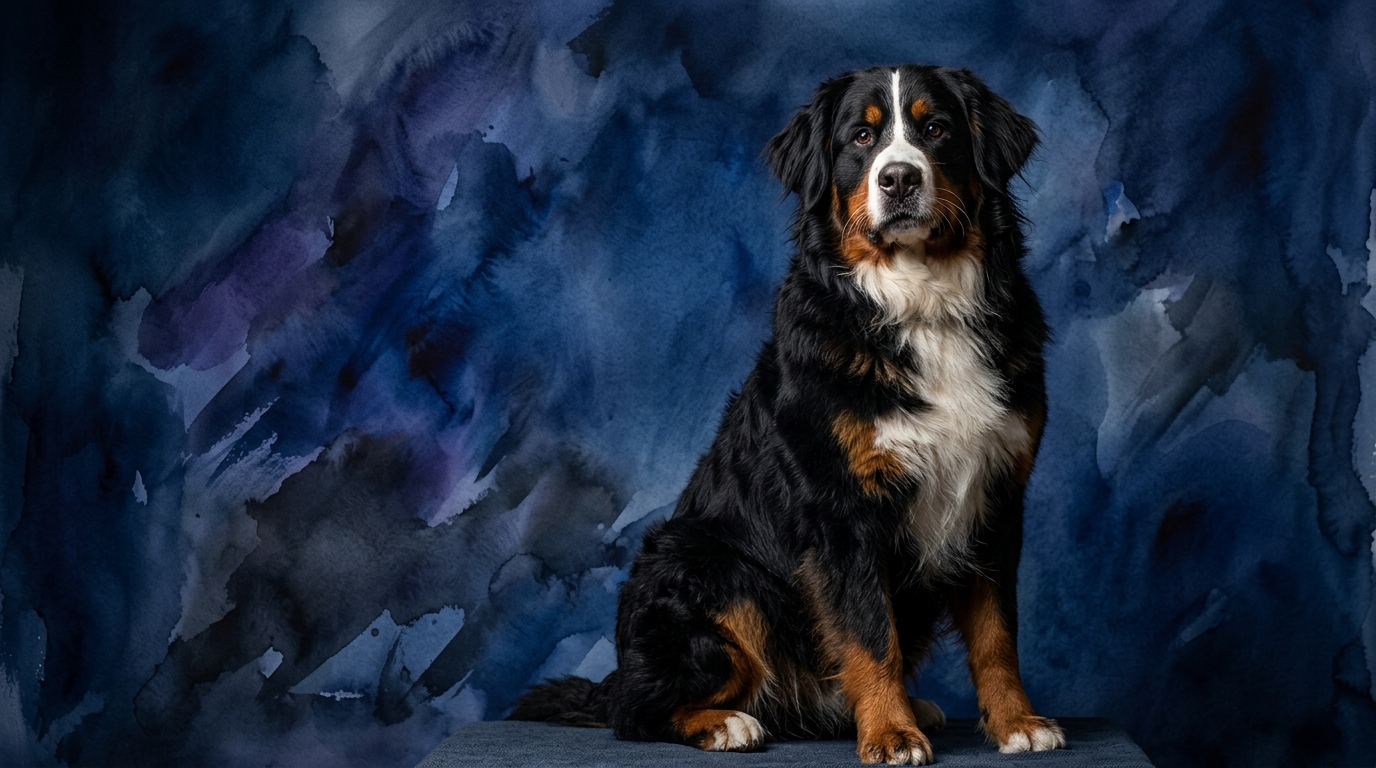
The Bernese Mountain Dog, a Working group member ranking #27 in Coren's hierarchy, demonstrates a robust cognitive profile. Their problem-solving capacity sits at a solid 3/5, indicating an ability to navigate moderate challenges. A notable 4/5 in training speed suggests they absorb new commands and routines with relative ease. Their social intelligence is exceptional at 5/5, reflecting a deep attunement to human cues and social dynamics. An instinctive drive of 4/5 points to a strong innate motivation for their historical tasks, while their memory registers at 3/5, allowing for consistent recall of learned experiences.
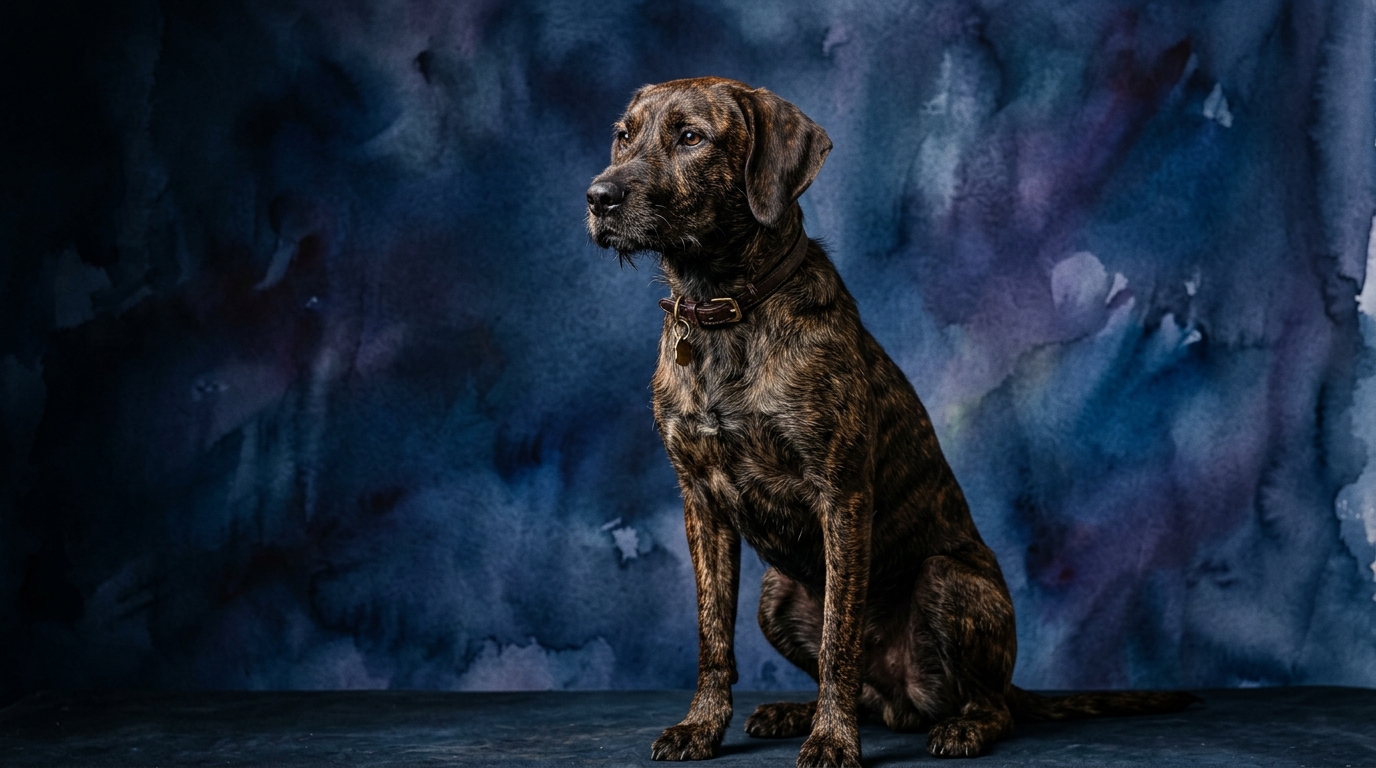
The Plott Hound, a member of the Hound group and not appearing on Coren's ranking, presents a more uniformly balanced cognitive landscape. Their problem-solving ability matches the Bernese at 3/5, showing competence in navigating environmental puzzles. Training speed is rated 3/5, suggesting a steady but perhaps more deliberate learning pace. Social intelligence also stands at 3/5, indicating a capacity for connection but perhaps with a more independent streak compared to highly social breeds. An instinctive drive of 3/5 highlights their inherent desire for hunting tasks, and their memory, like the Bernese, is rated 3/5 for retaining information.
Where Bernese Mountain Dog Wins Cognitively
The Bernese Mountain Dog distinctly outshines the Plott Hound in several key cognitive dimensions, primarily in their adaptability to human-centric environments and rapid learning. Their superior training speed, rated 4/5 compared to the Plott's 3/5, means they typically grasp new commands and behaviors with greater alacrity, making initial training stages smoother. This quick uptake is often coupled with their exceptional social intelligence, a perfect 5/5 score, which indicates a profound understanding of human communication, emotional states, and social structures. This allows them to forge remarkably strong and nuanced bonds with their families, often anticipating needs and responding with empathy. Furthermore, their instinctive drive, at 4/5, points to a readiness to engage in structured work and tasks alongside humans, a trait deeply rooted in their history as versatile farm dogs. This combination makes them highly responsive companions eager to please and participate in family life, demonstrating a cognitive flexibility that translates into a more malleable and cooperative learning partner.
Where Plott Hound Wins Cognitively
While the Plott Hound's scores might not numerically exceed the Bernese in our lab's metrics, their cognitive strengths are profoundly specialized and represent a “win” within their specific domain: the hunt. Their 3/5 rating for problem-solving, while matching the Bernese, manifests differently; it's a field-tested intelligence focused on tracking, scent discrimination, and navigating complex terrain independently. This isn't about solving abstract puzzles but rather about persistent, goal-oriented intellectual application in a dynamic natural environment. Their instinctive drive, also 3/5, isn't necessarily about human-directed work but an unwavering, deep-seated urge to pursue a scent trail, often for hours, requiring immense focus and determination. This single-mindedness, while potentially challenging in a home setting, is a cognitive triumph in their intended role. Their social intelligence at 3/5, while lower, suggests a robust self-reliance crucial for a solo hunter who must make independent decisions without constant human guidance. The Plott Hound's cognitive architecture is a testament to specialized efficiency, excelling in the complex, autonomous mental tasks of a scent hound.
Which is Easier to Train and Why
Based on The Cosmic Pet Pet IQ Lab's metrics, the Bernese Mountain Dog is definitively easier to train than the Plott Hound. This advantage stems directly from their higher training speed (4/5 for Bernese vs. 3/5 for Plott) and significantly superior social intelligence (5/5 for Bernese vs. 3/5 for Plott). The Bernese's elevated social intelligence means they are inherently more attuned to human cues, body language, and vocal inflections, making them highly receptive to instruction. They actively seek to understand and comply, driven by a strong desire for social connection and approval. This deep social bond translates into a cooperative learning attitude. In contrast, the Plott Hound's more moderate social intelligence and lower training speed mean they may require more repetition, patience, and creative motivation. Their independent nature, a hallmark of scent hounds, often means they prioritize intriguing scents over human commands, especially in distracting environments. While capable of learning, their attention is more easily diverted by their powerful olfactory instincts, making consistent, focused training a longer endeavor.
Which Suits Active Owners vs. Relaxed Owners
Both the Bernese Mountain Dog and the Plott Hound require active engagement, but the nature of that activity and the owner's lifestyle differ. The Bernese Mountain Dog, despite its calm demeanor indoors, thrives with owners who can provide consistent, moderate physical exercise combined with significant social interaction and mental stimulation. Their high social intelligence means they need to be integral family members, participating in daily activities, walks, and training sessions that engage their desire to please and work alongside their people. They suit owners who enjoy structured outdoor time, walks, and opportunities for social bonding, rather than intense, solitary athletic pursuits. A “relaxed” owner in this context means one who appreciates a calm companion but is still committed to daily engagement and mental enrichment.
The Plott Hound, conversely, demands a more robust and specific type of activity. Their strong instinctive drive and heritage as a hunting dog mean they need owners who can provide outlets for their boundless energy and powerful scenting abilities. This often translates to long, vigorous runs, hiking, or participation in scent work, tracking, or hunting activities. They are less suited for owners seeking a purely “relaxed” companion who only requires short walks; their mental and physical well-being depends on fulfilling their innate drive to explore and follow a trail. Owners who are highly active, enjoy wilderness exploration, or are willing to dedicate time to specific scent-based training will find the Plott Hound a rewarding, albeit demanding, partner.
The Verdict
Choose a Bernese Mountain Dog if you seek a highly social, cooperative companion eager to learn and integrate deeply into family life, thriving on consistent interaction and structured activities. They are ideal for owners who appreciate a gentle, responsive presence and are committed to regular, engaging training.
Opt for a Plott Hound if you're an experienced, active owner ready to channel intense instinctive drives into purposeful activities like scent work, long hikes, or hunting, valuing an independent spirit. They suit individuals who can provide extensive physical outlets and appreciate a dog with a singular focus on its natural talents.
🧠 Find Your Pet's IQ Score
Our Pet IQ Lab assessment covers 25+ tests across 5 cognitive dimensions — personalized to your breed.
Take the Full IQ Test →Frequently Asked Questions
Do Bernese Mountain Dogs need a lot of mental stimulation?
Yes, Bernese Mountain Dogs benefit significantly from mental stimulation due to their high social intelligence and training speed. Engaging them with puzzle toys, learning new tricks, and consistent training sessions helps prevent boredom and strengthens their bond with family members.
Are Plott Hounds good for first-time dog owners?
Plott Hounds can be challenging for first-time dog owners due to their strong prey drive, independent nature, and high energy levels. They require consistent, patient training and owners who understand their need for extensive physical and mental outlets, particularly scent work.
How do the memory capabilities of these two breeds compare?
Both the Bernese Mountain Dog and the Plott Hound score 3/5 in memory according to our lab's metrics. This suggests they have similar capacities for retaining learned commands, routines, and experiences over time, neither significantly outperforming the other in this specific cognitive dimension.