A Side-by-Side Look at Cognitive Dimensions
The Cosmic Pet Pet IQ Lab employs five key dimensions to map a breed's cognitive strengths, offering a nuanced view beyond simple labels. Let's explore how the Bernese Mountain Dog and the Polish Lowland Sheepdog measure up across these specific metrics.
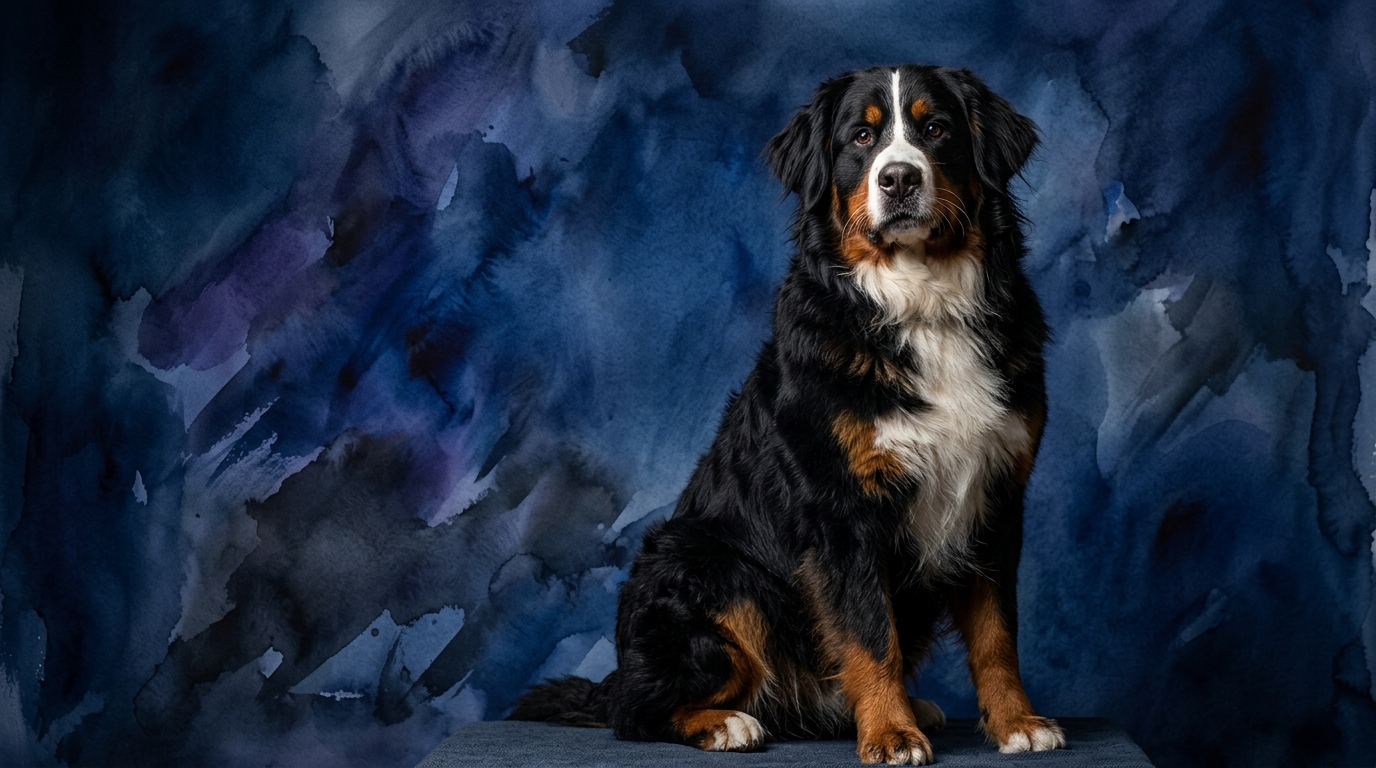
The Bernese Mountain Dog, a robust working breed, presents a Problem Solving score of 3/5. This indicates a capacity for understanding and resolving moderately complex tasks, such as navigating obstacle courses or learning multi-step routines, though they may not consistently devise novel solutions independently. Their Training Speed is rated at 4/5, reflecting a strong eagerness to comply and a relatively quick uptake of new commands when instruction is clear and consistent. Where the Bernese Mountain Dog truly excels is in Social Intelligence, earning a remarkable 5/5. This breed exhibits an exceptional ability to interpret human emotions, body language, and social cues, fostering deep, empathetic bonds with their families. Their Instinctive Drive, at 4/5, speaks to a history rooted in carting and farm work, manifesting as a purposeful desire to engage in tasks and maintain a routine. Finally, their Memory sits at 3/5, suggesting they retain learned behaviors and established routines reliably, but might not possess perfect recall of every minute detail or event over extended periods.
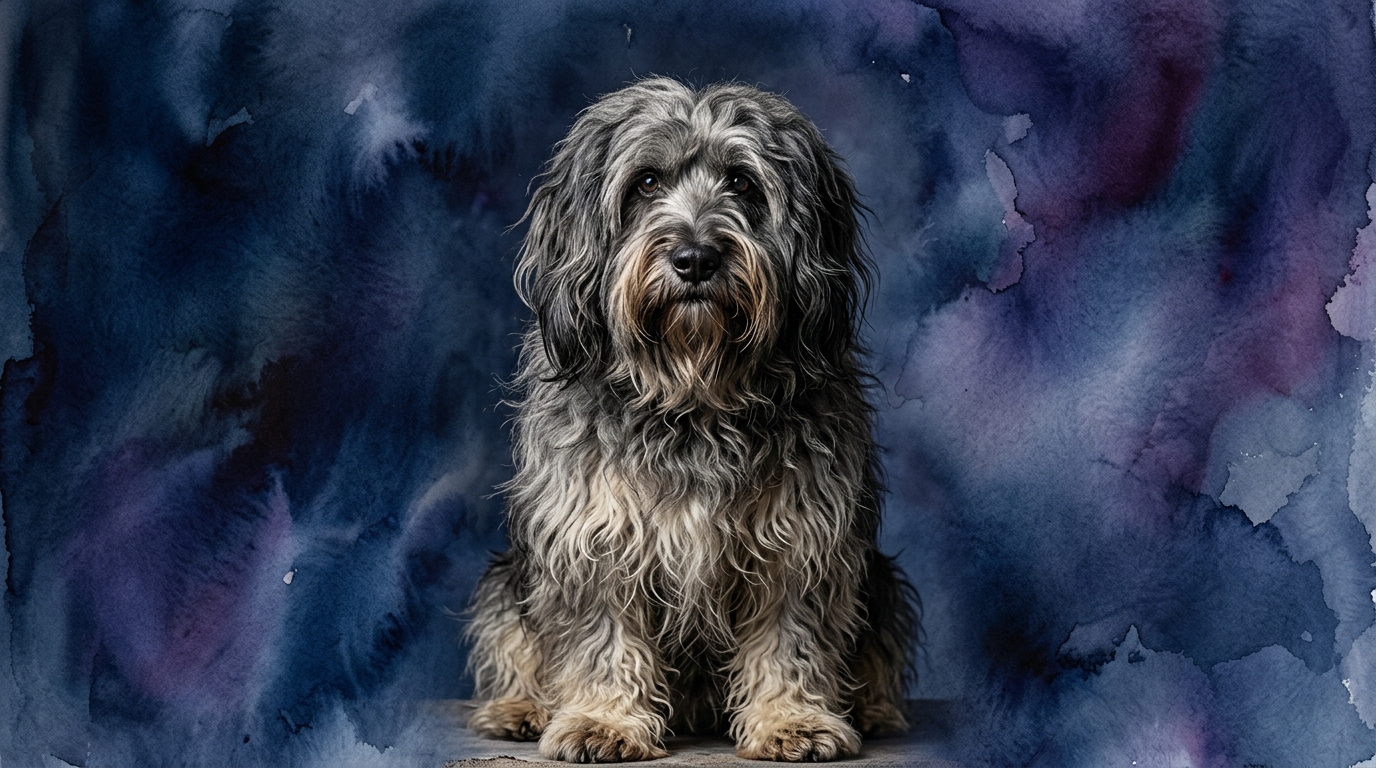
In contrast, the Polish Lowland Sheepdog, a herding breed with a different historical mandate, offers a distinct cognitive blueprint. Their Problem Solving ability also scores 3/5, meaning they can effectively tackle environmental challenges, particularly those related to their herding instincts or navigating familiar territories, yet they share a similar aptitude for practical rather than abstract problem-solving. Their Training Speed is 3/5, indicating a steady learning pace that requires patience and consistent reinforcement, reflecting an independent streak characteristic of many herding dogs. For Social Intelligence, the Polish Lowland Sheepdog scores 3/5. While they form strong attachments to their immediate family, they tend to be more reserved with strangers and less overtly expressive in interpreting complex human emotional states compared to the Bernese. Their Instinctive Drive is also 3/5, manifesting as a moderate but persistent desire to watch over their 'flock' (family) and territory, often expressed through alert guardianship rather than overt task completion. Their Memory, like the Bernese, is rated 3/5, demonstrating a capacity to remember training and routines, though they may require more repetition to solidify new concepts.
Cognitive Strengths: Where the Bernese Mountain Dog Shines
The Bernese Mountain Dog's cognitive profile reveals specific areas where they hold a distinct advantage. Foremost among these is their exceptional Social Intelligence, scoring a perfect 5/5. This isn't merely about friendliness; it's a profound ability to understand and respond to human emotional states and social dynamics. A Bernese will often pick up on a family member's mood, offering comfort or adjusting their behavior without explicit commands. This makes them profoundly intuitive companions, adept at forming complex, empathetic relationships. Their higher Training Speed (4/5) is directly linked to this social acumen; their eagerness to please and strong desire for connection make them highly receptive to instruction. They quickly grasp what is expected of them, not just because they can process information, but because they value the positive interaction and approval from their human partners. This combination of social awareness and training responsiveness means they often excel in obedience training, therapy work, and roles requiring a deep understanding of human cues and a willingness to cooperate on demand. Their Instinctive Drive (4/5) further supports their capacity for structured work, channeling their energy into purposeful activities alongside their human companions.
Cognitive Strengths: Where the Polish Lowland Sheepdog Excels
The Polish Lowland Sheepdog, while possessing a different set of strengths, demonstrates a unique cognitive resilience. Their Problem Solving score of 3/5, combined with a moderate Instinctive Drive (3/5), indicates a practical intelligence geared towards independent decision-making within their environment. Unlike the Bernese, who often looks to their human for guidance, the PLSD, stemming from a herding background where independent thought was crucial, can be adept at assessing situations and acting autonomously. This might manifest as figuring out how to bypass a minor barrier in the yard or managing a group of children (their 'flock') with a watchful, subtle presence. Their lower Social Intelligence (3/5) doesn't imply a lack of affection, but rather a more selective and perhaps less overtly empathetic approach to social interactions, particularly with those outside their immediate circle. This can translate into a self-assured demeanor and a capacity for self-entertainment or self-regulation, making them less reliant on constant human direction for emotional stability. They are capable of sustained focus on a task, even without continuous human prompting, a trait valuable in their historical role of managing livestock without constant supervision.
Ease of Training: Bernese Mountain Dog vs. Polish Lowland Sheepdog
When it comes to the ease of training, the Bernese Mountain Dog generally presents a more straightforward experience for most owners. Their Training Speed score of 4/5, coupled with a 5/5 in Social Intelligence, creates a highly trainable companion. Bernese thrive on positive reinforcement and the desire to please their human, making them quick to pick up commands and eager to participate in training sessions. Their strong social bond means they are often attuned to their owner's intentions and respond well to subtle cues, facilitating a smooth learning process. They are less likely to exhibit stubbornness or independent thought that conflicts with directives, instead preferring to work collaboratively.
The Polish Lowland Sheepdog, with a Training Speed of 3/5 and Social Intelligence of 3/5, requires a more patient and consistent approach. Their herding heritage instilled a degree of independence and self-reliance, meaning they are less inherently driven to comply purely for human approval. While capable of learning and retaining commands, they may take longer to generalize lessons or might test boundaries more frequently. Their training benefits from clear, consistent methods and a firm but gentle hand, focusing on motivation that taps into their innate drives rather than relying solely on their desire to please. Owners should be prepared for a dog that sometimes thinks for itself, which, while a cognitive strength in certain contexts, can present challenges in traditional obedience training.
Matching Canine Companions to Lifestyles
The distinct cognitive profiles of these two breeds offer clear guidance for matching them with suitable lifestyles. For active owners who enjoy structured activities, such as advanced obedience, dog sports, or therapy work, and seek a deeply connected, responsive partner, the Bernese Mountain Dog is often an ideal fit. Their high social intelligence and willingness to engage make them excellent companions for those who want a dog consistently by their side, participating in shared experiences. They thrive on interaction and purposeful tasks that involve their human family, reflecting their 4/5 Instinctive Drive channeled through cooperation. A Bernese will eagerly join you for hikes, family outings, and cuddle sessions, finding contentment in being an integral, active member of the household.
Conversely, for owners who appreciate a dog with a more independent streak, a watchful nature, and perhaps a slightly more relaxed approach to constant human interaction, the Polish Lowland Sheepdog can be a rewarding choice. Their moderate instinctive drive and practical problem-solving capabilities mean they are content to observe and guard their domain, requiring less constant direction for their mental engagement. While they certainly enjoy activity and companionship, they are often less demanding of constant human attention and can be more self-sufficient in their play and exploration. This makes them suitable for owners who might have a more relaxed daily routine, but still provide opportunities for mental stimulation and exercise that respects their herding background. They excel as family protectors and companions who offer a steady, observant presence.
The Verdict
Choose the Bernese Mountain Dog if you seek an exceptionally empathetic, highly trainable companion eager for deep connection and structured activities alongside you. Their profound social intelligence and cooperative nature make them a devoted, responsive family member.
Opt for the Polish Lowland Sheepdog if you prefer a self-reliant, watchful companion with an independent mind, capable of assessing situations and thriving with consistent, patient guidance. They offer a unique blend of guardianship and affectionate loyalty to their chosen family.
🧠 Find Your Pet's IQ Score
Our Pet IQ Lab assessment covers 25+ tests across 5 cognitive dimensions — personalized to your breed.
Take the Full IQ Test →Frequently Asked Questions
Do Bernese Mountain Dogs get along with other pets easily?
With their high social intelligence (5/5), Bernese Mountain Dogs generally adapt well to living with other pets, often forming harmonious relationships. Early socialization is always beneficial, but their inherent empathy helps them navigate multi-pet households effectively.
How much mental stimulation does a Polish Lowland Sheepdog need daily?
Polish Lowland Sheepdogs require moderate daily mental stimulation, such as puzzle toys, training sessions, or opportunities to 'herd' (e.g., fetch games). While independent, their 3/5 problem-solving and instinctive drive mean they benefit from engaging their minds to prevent boredom.
Are Bernese Mountain Dogs prone to separation anxiety due to their social intelligence?
Their exceptional social intelligence (5/5) and strong desire for connection can make Bernese Mountain Dogs more prone to separation anxiety if not properly conditioned. Consistent training for alone time and ensuring their social needs are met can help mitigate this tendency.