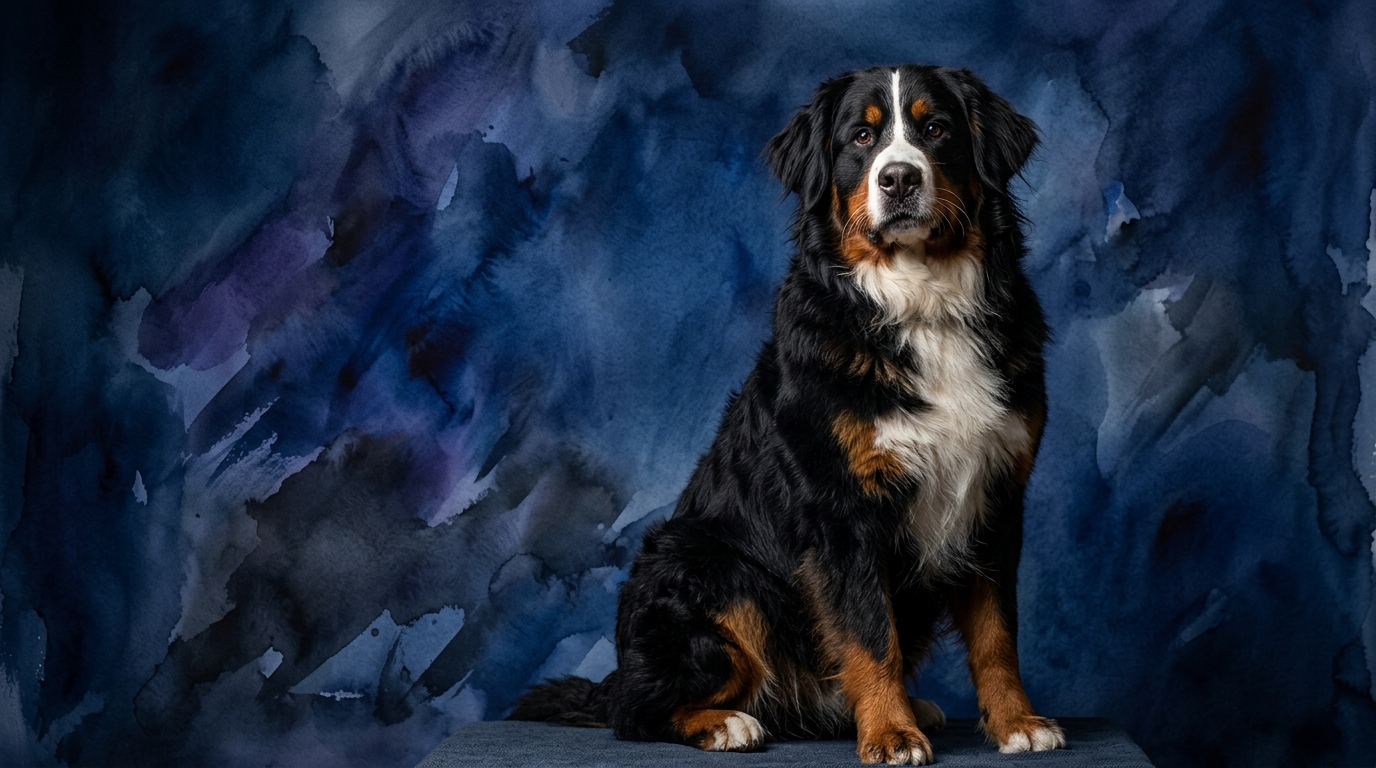
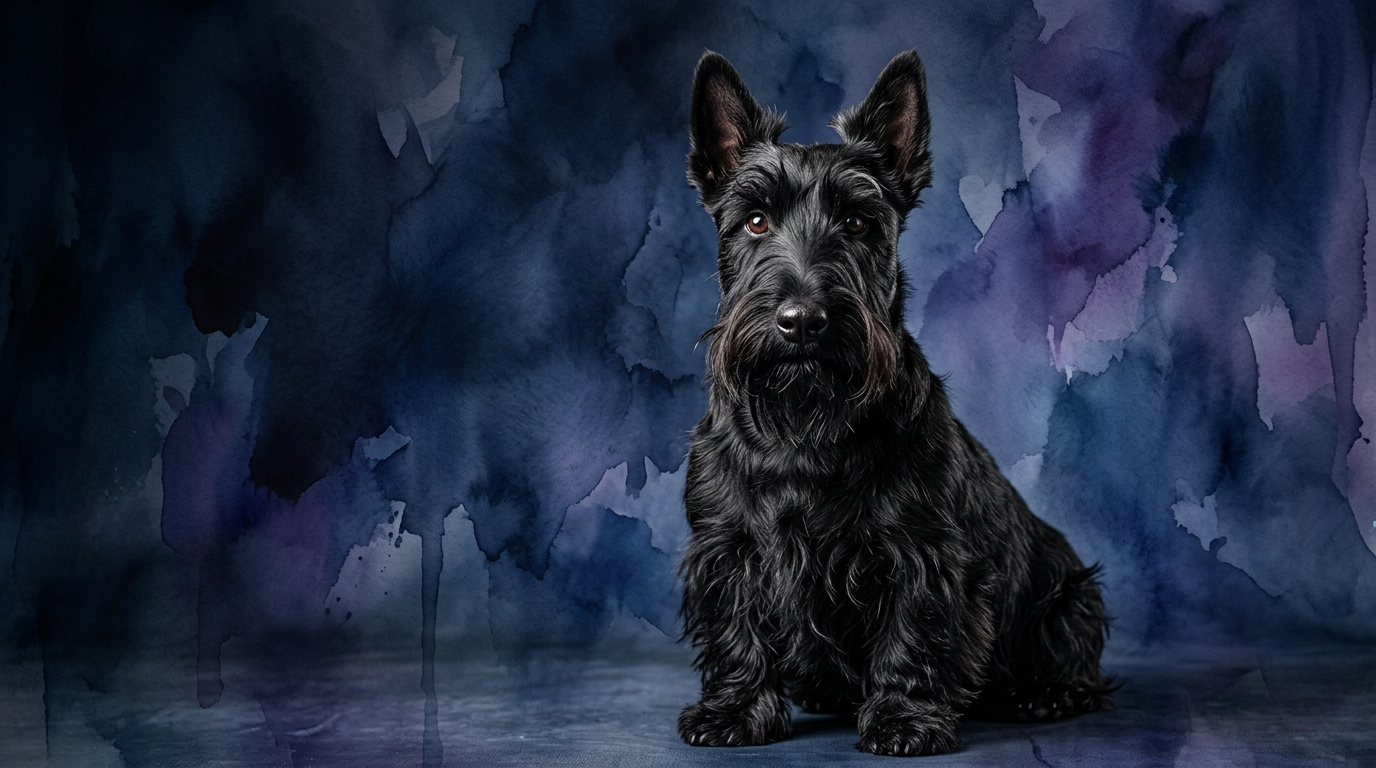
Side-by-Side IQ Profile: Bernese Mountain Dog vs. Scottish Terrier
The Bernese Mountain Dog, a robust working breed, brings a distinct set of cognitive strengths to the table. Their Problem Solving is rated at 3/5, indicating they are capable of navigating challenges but often look to their human companions for cues. With a Training Speed of 4/5, they demonstrate a keen ability to grasp new commands quickly, driven by an eagerness to please. Their Social Intelligence truly shines at 5/5, reflecting an exceptional attunement to human emotions and social dynamics. An Instinctive Drive of 4/5 highlights their historical role in drafting and farm work, manifesting as a desire for purpose and structured activity. Their Memory stands at 3/5, allowing them to adequately retain learned behaviors and past experiences.
In contrast, the Scottish Terrier, a spirited terrier breed, presents a different cognitive blueprint. Their Problem Solving is also rated at 3/5, but often expresses itself through independent and resourceful approaches, particularly when engaging their prey drive. A Training Speed of 3/5 suggests a moderate pace of learning, which can sometimes be influenced by their independent streak. Their Social Intelligence is 3/5, indicating they form strong bonds with their immediate family but tend to be more reserved with strangers. An Instinctive Drive of 3/5 reflects their heritage as vermin hunters, translating into a persistent curiosity, digging tendencies, and a drive to chase. Like the Bernese, their Memory is 3/5, allowing them to recall information sufficiently, influencing future interactions.
Where the Bernese Mountain Dog Wins Cognitively
The Bernese Mountain Dog's most pronounced cognitive advantage lies in its profound social intelligence (5/5). This breed possesses an innate ability to read human body language and vocal tones with remarkable accuracy, often anticipating needs or moods without explicit commands. This exceptional empathy fosters an incredibly tight bond and allows them to integrate seamlessly into family dynamics, understanding their role and generally seeking to cooperate rather than assert independence. They are perceptive companions, often offering comfort or seeking interaction based on subtle human cues.
Coupled with their high training speed (4/5), this social aptitude makes Bernese Mountain Dogs exceptionally receptive to learning and highly adaptable. They process new commands and routines quickly, not just because they are capable, but because they often derive genuine satisfaction from pleasing their human counterparts. This combination allows them to master complex obedience, participate enthusiastically in dog sports like carting, and adapt readily to various social settings, demonstrating a flexible and cooperative cognitive approach that prioritizes harmony within their social group.
Where the Scottish Terrier Wins Cognitively
While their scores might not always surpass the Bernese, the Scottish Terrier's cognitive strengths manifest uniquely in their self-reliant problem-solving and tenacious application of their instinctive drive. With a Problem Solving score of 3/5, they approach challenges with a determined independence, often devising their own solutions rather than waiting for human direction. This manifests in their ability to navigate complex environments or persist in tasks like scent tracking, driven by their terrier heritage. They possess a resourcefulness that allows them to creatively overcome obstacles, particularly when their instincts are engaged.
Their Instinctive Drive (3/5) is not merely about chasing; it fuels a persistent curiosity and a focused determination when faced with a 'mission,' whether it's investigating a new scent, attempting to access a perceived burrow, or figuring out how to get to a dropped treat. This tenacity, combined with their self-reliant problem-solving, means that while they might not always learn *as quickly* in traditional obedience, they excel in tasks requiring independent thought and unwavering commitment to a goal. This makes them formidable individuals who bring a unique brand of focused persistence to their interactions with the world.
Which Is Easier to Train and Why
Based on their cognitive profiles, the Bernese Mountain Dog (Training Speed 4/5, Social Intelligence 5/5) is distinctly easier to train than the Scottish Terrier (Training Speed 3/5, Social Intelligence 3/5). The Bernese’s higher training speed means they grasp new concepts and commands more rapidly, making initial obedience lessons and house-training a smoother experience. This is significantly amplified by their exceptional social intelligence; they are inherently motivated to cooperate and please their human companions, often viewing training as a shared activity that strengthens their bond. Their desire for connection and approval translates into a consistent willingness to engage and follow direction.
In contrast, the Scottish Terrier’s moderate training speed and lower social intelligence mean they often require more patience, creativity, and consistency in training. Their independent nature, a hallmark of the terrier group, means they are less inclined to blindly follow commands if they don't perceive an immediate benefit or if their own instincts are pulling them in another direction. Training a Scottie often involves finding ways to make the activity intrinsically rewarding for them, appealing to their inherent drives, rather than relying solely on their desire to please. This can be a more nuanced and challenging approach for an owner, demanding a deeper understanding of terrier psychology and a resilient sense of humor.
Which Suits Active Owners vs. Relaxed Owners
The ideal match between owner and dog depends heavily on lifestyle and preferred interaction style. For owners who value a cooperative, socially engaged companion and enjoy structured activities that involve their dog, the Bernese Mountain Dog is an excellent fit. While they possess a working drive that benefits from regular exercise and mental engagement, they are also content with relaxed indoor time, provided their social and moderate physical needs are met. Owners who enjoy consistent, positive reinforcement training and want a dog deeply integrated into daily family life, thriving on companionship and shared experiences, will find the Bernese's temperament aligning perfectly with a balanced, active-but-calm household.
Conversely, the Scottish Terrier appeals to owners who appreciate independence, a spirited personality, and are prepared to engage with a dog on its own terms. Their instinctive drive means they thrive with opportunities for scent work, digging, and exploring, making them suitable for active owners who enjoy more focused, independent canine pursuits rather than constant deference. A 'relaxed' owner for a Scottie might be someone who enjoys quiet companionship but is also prepared to manage their terrier's inherent drive with specific, engaging activities, understanding that their cognitive strengths lie in self-directed exploration and tenacious problem-solving rather than constant deference. They need an owner who respects their individuality and can channel their strong will constructively.
The Verdict
For families seeking a highly cooperative, socially attuned companion who thrives on shared activities and gentle guidance, offering a harmonious blend of calm companionship and eager participation, the Bernese Mountain Dog is an ideal choice.
For individuals who appreciate an independent, persistent companion with a strong individual personality and are prepared for a more self-directed training approach, valuing their unique tenacity and self-reliance, the Scottish Terrier will be a rewarding partner.
🧠 Find Your Pet's IQ Score
Our Pet IQ Lab assessment covers 25+ tests across 5 cognitive dimensions — personalized to your breed.
Take the Full IQ Test →Frequently Asked Questions
Are Bernese Mountain Dogs good with children?
Yes, their high social intelligence and gentle nature typically make them excellent family companions, often displaying patience and a protective, yet soft, demeanor around children, actively seeking to be part of the family unit.
Do Scottish Terriers require a lot of exercise?
While not requiring marathon runs, Scottish Terriers do need regular, moderate exercise to satisfy their instinctive drive, including daily walks and opportunities for mental engagement like scent games to prevent boredom and destructive behaviors.
Which breed is better for first-time dog owners?
Generally, the Bernese Mountain Dog's higher training speed and social intelligence make them a more forgiving choice for first-time owners due to their cooperative nature, while the Scottish Terrier's independence and occasional stubbornness can be more challenging for novices.