Side-by-Side Cognitive Profiles
At The Cosmic Pet Pet IQ Lab, we delve into the specific cognitive dimensions that define each breed, moving beyond general perceptions to understand their inherent mental architectures.
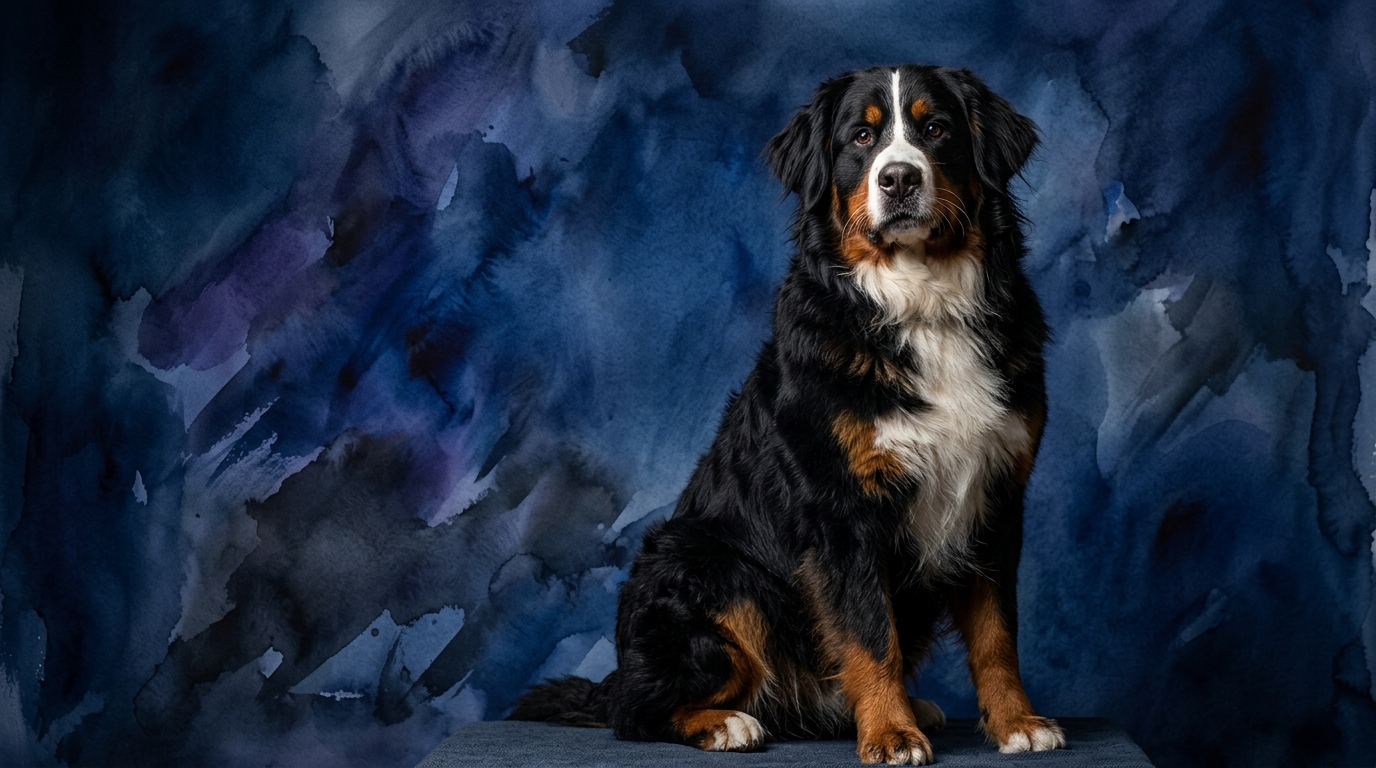
The Bernese Mountain Dog, ranked #27 by Coren, demonstrates a profile geared towards cooperation and social integration. Their Problem Solving score of 3/5 suggests they excel at understanding cause-and-effect in familiar situations, often preferring to seek human guidance for complex new puzzles rather than novel improvisation. Their Training Speed of 4/5 indicates a notable receptiveness to learning new commands quickly, often grasping concepts in fewer repetitions due to their eagerness to please. Where they truly shine is in Social Intelligence, scoring 5/5, possessing an exceptional capacity to read human emotions, intentions, and social cues, forming deep empathetic attachments. Their Instinctive Drive, at 4/5, translates into a natural inclination for purposeful work and protecting their family, while their Memory of 3/5 supports good recall for routines and familiar commands.
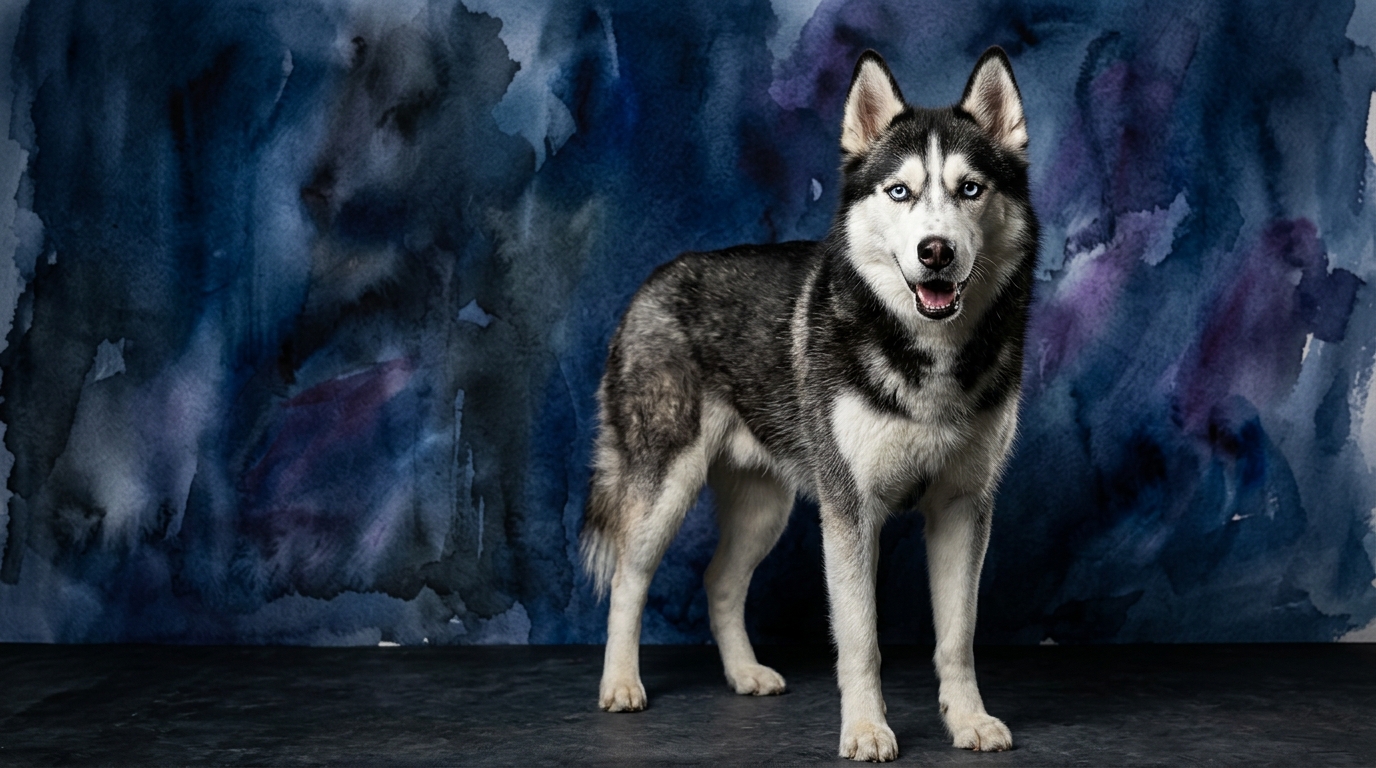
In contrast, the Siberian Husky, ranked #45 by Coren, showcases a cognitive design built for independence and endurance. Their Problem Solving is a strong 4/5, enabling them to navigate challenges with ingenuity, often devising creative, self-serving solutions like escaping enclosures or finding hidden food. However, their Training Speed is a lower 2/5; while capable of learning, their independent nature and strong will mean they typically require more repetitions and patience, often weighing compliance against their own desires. Social Intelligence scores 3/5, indicating a focus on pack dynamics and direct communication, valuing independence over constant human-centric interaction. Their Instinctive Drive is paramount at 5/5, manifesting as an almost boundless desire to run, pull, and explore. Finally, their Memory, at 4/5, is excellent, especially for routes, locations, and past experiences, crucial for their historical sledding role.
Where the Bernese Mountain Dog Excels Cognitively
The Bernese Mountain Dog's cognitive strengths distinctly lie in areas that foster harmonious human companionship and structured learning. Their paramount advantage is their exceptional social intelligence (5/5), allowing them to deeply connect with human emotions and intentions, making them remarkably empathetic and responsive family members. This acute sensitivity enables them to anticipate needs and offer comfort, creating a powerful emotional bond. Coupled with their high training speed (4/5), Bernese dogs are incredibly receptive to learning and eager to comply, making them a joy to guide through obedience or new tricks. They thrive on positive reinforcement and the opportunity to engage collaboratively with their owners, quickly internalizing expected behaviors within a household setting. Their cognitive profile leans towards cooperation and understanding social structures, which translates into a dog that naturally seeks to integrate seamlessly into human life.
Where the Siberian Husky Excels Cognitively
The Siberian Husky's cognitive prowess is deeply rooted in their heritage as endurance sled dogs, highlighting independence and self-reliance. Their superior problem-solving skills (4/5) empower them to navigate challenges with ingenuity, whether it's outsmarting a fence or finding a way to access something desirable. This isn't about pleasing an owner, but about achieving their own objectives. Furthermore, their instinctive drive (5/5) is an unparalleled engine for sustained physical activity and exploration, pushing them to run, pull, and investigate their environment with unwavering determination. This powerful innate motivation for physical activity and independent action is a defining characteristic of the breed. Huskies also boast an impressive memory (4/5), especially for spatial information and past experiences, allowing them to recall complex routes or the exact location of a buried toy with remarkable accuracy, a vital trait for a working sled dog.
Training Aptitude: Bernese Mountain Dog vs. Siberian Husky
When evaluating ease of training, the Bernese Mountain Dog presents a significantly less challenging experience for most owners. Their high training speed (4/5) means they grasp new commands quickly, often requiring fewer repetitions. This efficiency is amplified by their exceptional social intelligence (5/5) and a strong desire to please their human companions, making them highly motivated to cooperate. They are attuned to their owner's moods and intentions, which facilitates clearer communication during training sessions. Bernese dogs generally seek to understand and adhere to household rules, making them excellent candidates for advanced obedience.
In contrast, the Siberian Husky's training journey is often more demanding. Their lower training speed (2/5) indicates a need for greater patience and consistency, as their independent nature often leads them to question the necessity of a command if it doesn't align with their immediate desires. Their powerful instinctive drive (5/5) to run and explore can easily override commands, particularly in distracting environments, requiring immense dedication to recall training. While intelligent in problem-solving, their application of this intelligence often serves their own agenda rather than strict obedience, making consistent compliance a long-term project that requires a firm, consistent, and reward-based approach to channel their independent spirit.
Matching Cognition to Lifestyle: Active vs. Relaxed Owners
The choice between these breeds largely hinges on an owner's lifestyle and energy levels. The Bernese Mountain Dog, with its moderate instinctive drive (4/5) for purposeful work and high social intelligence (5/5), thrives with owners who enjoy consistent, but not necessarily extreme, activity. They appreciate structured walks, engaging play, and mental stimulation, but are equally content to relax indoors with their family. Their lower problem-solving score (3/5) in novel situations means they are less likely to create their own 'entertainment' through destructive behaviors if their needs are met, making them suitable for owners who prefer a more predictable and relaxed home environment, as long as daily engagement is provided.
The Siberian Husky, conversely, is unequivocally suited for highly active owners. Their paramount instinctive drive (5/5) for running and pulling demands an outlet that few breeds require, needing extensive daily exercise—often multiple hours of vigorous activity—to be truly content and well-behaved. Their strong problem-solving skills (4/5) combined with their memory (4/5) mean that an under-exercised Husky will often apply their cognitive abilities to escape, chew, or otherwise find ways to alleviate their boredom. Relaxed owners who cannot commit to significant daily physical engagement will likely find themselves overwhelmed by a Husky's energy and resourcefulness, leading to behavioral challenges stemming from unmet cognitive and physical needs.
The Verdict
Choose the Bernese Mountain Dog if you value deep emotional connection, a cooperative training partner, and a companion that seamlessly integrates into family life with moderate exercise requirements.
Opt for the Siberian Husky if you lead an extremely active lifestyle, appreciate an independent and resourceful canine partner, and are prepared to channel immense energy and problem-solving drive into constructive outlets.
🧠 Find Your Pet's IQ Score
Our Pet IQ Lab assessment covers 25+ tests across 5 cognitive dimensions — personalized to your breed.
Take the Full IQ Test →Frequently Asked Questions
Are Bernese Mountain Dogs good watchdogs?
Yes, their instinctive drive (4/5) includes a natural inclination to be vigilant and protective of their family and home. While not overly aggressive, their imposing size and watchful nature make them effective deterrents, and they will alert you to perceived threats.
Do Siberian Huskies need a lot of mental stimulation?
Absolutely. Beyond their extreme physical exercise needs, Huskies require significant mental engagement to prevent boredom and destructive behaviors. Their problem-solving skills (4/5) and impressive memory (4/5) mean they thrive on puzzle toys, scent work, and varied training challenges.
How do their Coren ranks reflect their intelligence?
The Coren rank primarily assesses 'working intelligence' or obedience training aptitude. The Bernese Mountain Dog's higher rank (#27) reflects their greater willingness and speed in learning commands, while the Siberian Husky's lower rank (#45) indicates their more independent nature and slower, less consistent response to obedience training, despite their strong problem-solving abilities.