Side-by-Side IQ Profile
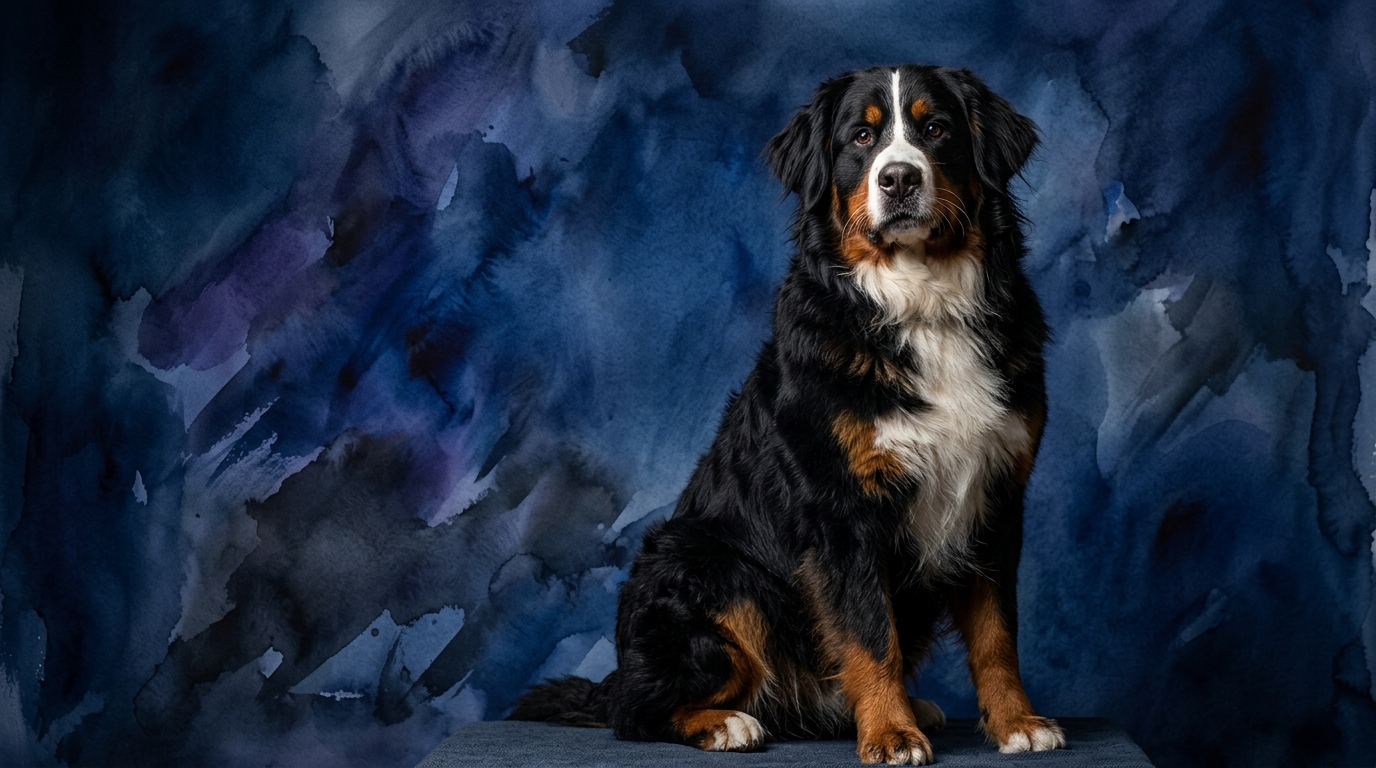
The Cosmic Pet Pet IQ Lab provides a granular view of canine cognition, breaking down intelligence into five key dimensions. For the Bernese Mountain Dog, a Working breed with a Coren rank of #27, its Problem Solving capacity is rated 3/5, indicating a moderate ability to independently navigate new challenges. Its Training Speed is robust at 4/5, suggesting a quick uptake of new commands. Where the Bernese truly stands out is its Social Intelligence, scoring a perfect 5/5, reflecting a profound attunement to human cues and emotions. Its Instinctive Drive is 4/5, pointing to a strong inherent motivation for purpose-driven tasks, while Memory is steady at 3/5, allowing for adequate retention of learned behaviors.
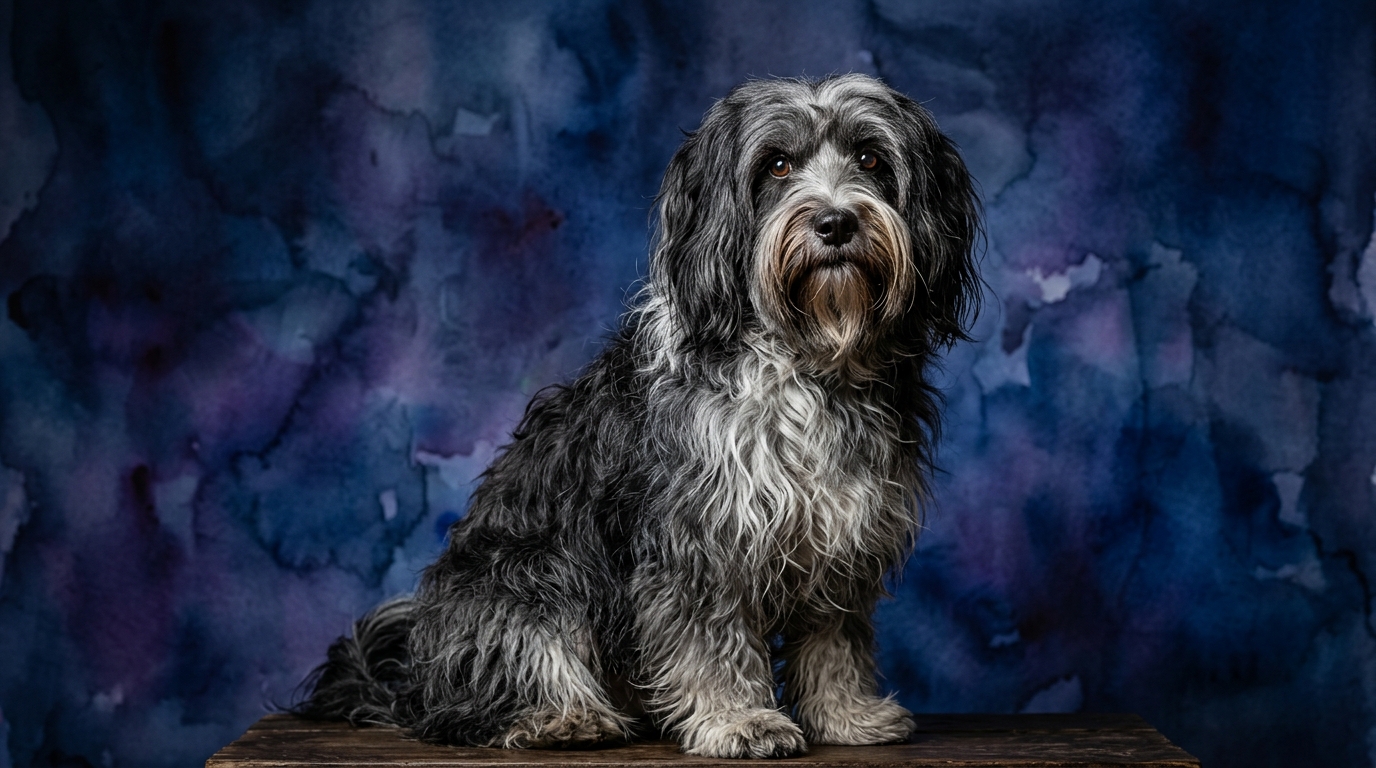
In contrast, the Tibetan Terrier, a Non-Sporting breed ranked #63 by Coren, presents a more consistent, balanced cognitive profile. Its Problem Solving ability also sits at 3/5, mirroring the Bernese’s capacity for independent thought in novel situations. Training Speed for the Tibetan Terrier is 3/5, indicating a respectable, though perhaps more deliberate, pace for acquiring new tasks. Social Intelligence is rated 3/5, suggesting an affectionate but potentially more independent nature compared to the highly sensitive Bernese. Instinctive Drive is likewise 3/5, reflecting a balanced, less intense inherent motivation, and its Memory is 3/5, capable of retaining information adequately for daily life.
Where Bernese Mountain Dog Wins Cognitively
The Bernese Mountain Dog's cognitive strengths are particularly pronounced in its exceptional Social Intelligence (5/5) and strong Training Speed (4/5). This breed possesses an innate ability to read and respond to human emotions and intentions, making them extraordinarily attuned companions. Their deep desire to be involved and their sensitivity to social cues translate into a profound willingness to engage and cooperate, which is a hallmark of their character. This superior social acumen means they often anticipate owner needs and thrive on collaborative activities, making them highly responsive to guidance and forming strong, empathetic bonds.
Furthermore, their rapid Training Speed means they pick up new commands and routines with greater alacrity than many breeds. This combination of social attunement and quick learning makes them particularly adept at complex obedience, therapy work, or any role requiring close partnership and understanding. Their 4/5 Instinctive Drive further supports this, providing a consistent underlying motivation to perform tasks and participate in structured activities, whether it's drafting a cart or navigating an agility course, making them eager participants in shared endeavors.
Where Tibetan Terrier Wins Cognitively
While the Tibetan Terrier doesn't boast higher scores in any single category compared to the Bernese, its consistent 3/5 across Problem Solving, Training Speed, Social Intelligence, Instinctive Drive, and Memory presents a unique cognitive advantage: balanced independence and adaptability. This breed isn't overly reliant on human direction for every action, nor is it prone to intense, singular drives. Its 3/5 Problem Solving score means it's capable of navigating new situations with reasonable ingenuity, often finding its own solutions without constant prompting.
This level of cognitive independence, combined with a moderate Instinctive Drive, means the Tibetan Terrier is less likely to be overwhelmed by a lack of constant "work" or a need for intense, specialized tasks. Their 3/5 Social Intelligence suggests they form strong bonds but maintain a distinct personality, offering companionship that is affectionate yet not clingy. This balanced mental framework makes them remarkably adaptable to various living situations, from active families to more relaxed households, without exhibiting the high-strung tendencies or constant need for engagement that can sometimes accompany breeds with more intense cognitive profiles. Their victory lies in their well-rounded, self-sufficient mental makeup, offering a companionship style that values mutual respect and individual spirit.
Which Is Easier to Train and Why
Based on The Cosmic Pet Pet IQ Lab data, the Bernese Mountain Dog is demonstrably easier to train than the Tibetan Terrier. The Bernese's Training Speed score of 4/5, compared to the Tibetan Terrier's 3/5, indicates a quicker uptake of new commands and routines. This difference is further amplified by the Bernese's perfect 5/5 Social Intelligence. This profound social attunement means they are highly motivated by human interaction and praise, eager to please, and sensitive to their handler's cues. A Bernese will typically engage readily in training sessions, viewing them as a collaborative activity that strengthens their bond.
Conversely, the Tibetan Terrier's 3/5 Social Intelligence and 3/5 Training Speed suggest a more independent approach to learning. While capable, they may require more patience, creativity, and consistency from their trainers. Their independent streak, rooted in their historical role as companion-watchdogs rather than active workers, means they might be less inherently driven to conform to every command without a clear understanding of its purpose or sufficient motivation. Training a Tibetan Terrier often benefits from positive reinforcement and making the process engaging to overcome their occasional "what's in it for me?" attitude, whereas a Bernese often approaches training with an intrinsic desire to cooperate and please.
Which Suits Active Owners vs. Relaxed Owners
The Bernese Mountain Dog, with its 4/5 Instinctive Drive and 5/5 Social Intelligence, generally suits active owners who can provide consistent engagement and structured activities. Their working breed heritage means they thrive on having a purpose, whether it's regular hikes, carting, or participating in dog sports. Their high social intelligence means they genuinely enjoy sharing these activities with their human companions and can become despondent if left isolated or under-stimulated. They require owners who are prepared for a committed partnership, offering mental and physical outlets for their robust drives and social needs, ensuring a fulfilled and harmonious companion.
In contrast, the Tibetan Terrier, with its balanced 3/5 scores across most cognitive dimensions, can be a more versatile fit for both moderately active and more relaxed owners, provided their need for companionship and mental stimulation is met. Their moderate Instinctive Drive means they appreciate regular walks and playtime but aren't typically driven by the same intense need for strenuous work as the Bernese. Their balanced Social Intelligence means they enjoy family life and interaction but are also content with periods of independent activity, making them adaptable to different household rhythms. They seek a harmonious partnership that respects their individual spirit, rather than a demanding working relationship, making them excellent companions for a variety of lifestyles.
The Verdict
Choose the Bernese Mountain Dog if you desire a highly attuned, eager-to-please companion who thrives on close partnership, structured activities, and collaborative training.
Opt for the Tibetan Terrier if you appreciate an independent yet affectionate companion with a balanced temperament, moderate exercise needs, and a unique, self-sufficient spirit.
🧠 Find Your Pet's IQ Score
Our Pet IQ Lab assessment covers 25+ tests across 5 cognitive dimensions — personalized to your breed.
Take the Full IQ Test →Frequently Asked Questions
Do both breeds require significant mental stimulation?
Yes, both Bernese Mountain Dogs and Tibetan Terriers benefit from mental enrichment, though their specific needs vary. The Bernese, with its higher social intelligence and instinctive drive, thrives on purposeful tasks and interactive training, whereas the Tibetan Terrier's balanced cognitive profile means it appreciates puzzle toys and varied experiences to satisfy its inquisitive nature.
How does their memory affect daily life and training?
Both breeds have a 3/5 Memory score, indicating they can adequately retain learned behaviors and experiences. This means both will remember commands and routines, though the Bernese's higher training speed and social intelligence might make initial learning seem faster, while the Tibetan Terrier might require more consistent reinforcement over time to solidify complex tasks.
Are there significant differences in their problem-solving abilities?
Both the Bernese Mountain Dog and the Tibetan Terrier score 3/5 in Problem Solving, suggesting a similar moderate capacity for independent thought and navigating novel situations. While neither is at the extreme end of self-sufficient problem-solving, both are capable of figuring things out and adapting to new challenges with reasonable ingenuity and observation.