A Side-by-Side Look at Their IQ Profiles
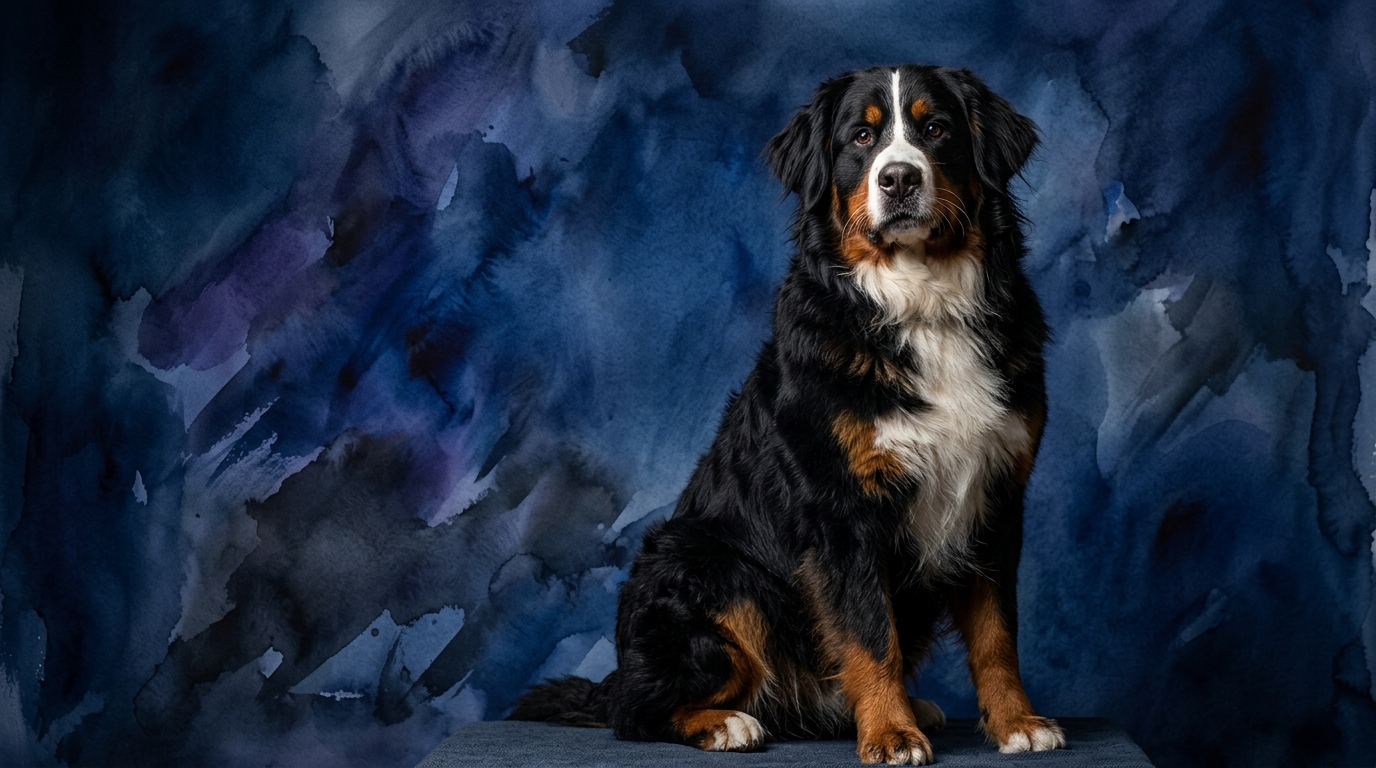
The Cosmic Pet Pet IQ Lab's framework allows us to dissect the cognitive attributes of the Bernese Mountain Dog and the Treeing Walker Coonhound across five crucial dimensions. For the Bernese Mountain Dog, a Working breed with a Coren rank of #27, we observe a Problem Solving score of 3/5, indicating an ability to navigate moderate challenges and learn from experience. Their Training Speed stands at an impressive 4/5, reflecting their cooperative nature and eagerness to absorb new commands. Social Intelligence is a standout at 5/5, showcasing their profound capacity for understanding human cues and forming deep bonds, while Instinctive Drive is 4/5, often manifesting in their desire to work alongside people, and Memory is 3/5, sufficient for retaining learned behaviors and routines. These scores paint a picture of a dog built for partnership and specific tasks within a human family or farm environment.
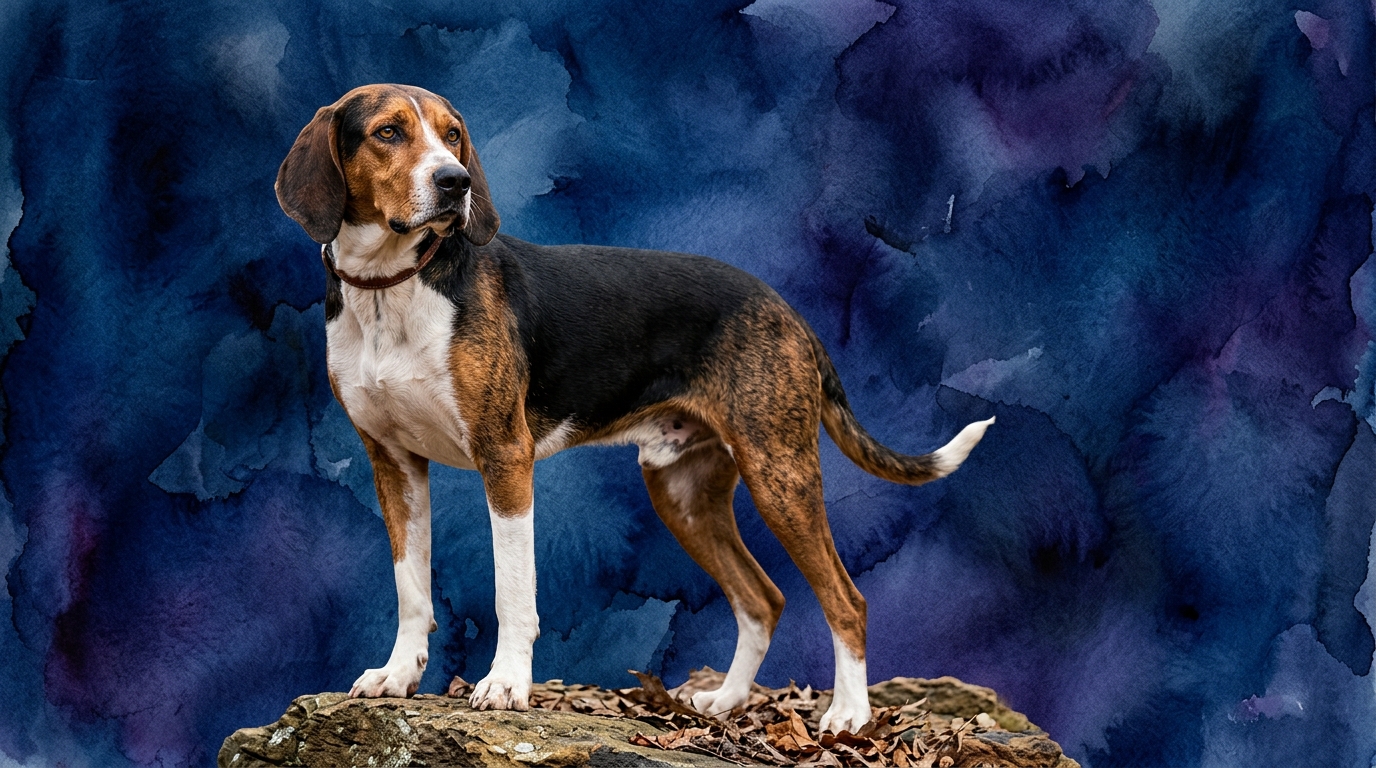
In contrast, the Treeing Walker Coonhound, a Hound breed not ranked by Coren, presents a different cognitive blueprint tailored for independent hunting. Their Problem Solving score is 3/5, similar to the Bernese, but applied more to navigating complex scent trails than human-directed puzzles. Training Speed is 3/5, suggesting they learn at a steady pace, though often requiring more motivation tailored to their natural instincts. Social Intelligence is 3/5, indicating they are capable companions but perhaps less acutely attuned to subtle human emotional shifts than their Bernese counterpart. Instinctive Drive, also 3/5, is powerfully channeled into their scenting and hunting prowess, making them incredibly persistent in their chosen task. Memory is 3/5, likely excelling in recalling scent patterns and geographical layouts encountered during a hunt. This profile reveals a dog whose intellect is finely tuned for autonomous work in the field.
Where the Bernese Mountain Dog Shines Cognitively
The Bernese Mountain Dog's cognitive strengths are deeply rooted in its heritage as a multi-purpose farm dog, requiring close collaboration with humans. Their exceptional Social Intelligence (5/5) is a primary differentiator. This doesn't just mean they are friendly; it signifies a superior ability to interpret human body language, vocal tone, and even subtle emotional states. This makes them highly empathetic companions, often anticipating their owner's needs or moods. Such a high degree of social awareness makes them incredibly responsive to handler input, forming a seamless communication loop critical for their historical roles in drafting, herding, and guarding.
Complementing their social acumen is their strong Training Speed (4/5). Bernese Mountain Dogs typically exhibit a genuine desire to please and a willingness to learn, which translates into quicker acquisition of commands and complex tasks. Their cooperative nature, stemming from centuries of working alongside people, means they are less prone to independent decision-making when a human directive is clear. This makes them exceptionally amenable to obedience training, therapy work, and even advanced dog sports where intricate coordination with a handler is paramount. Their instinctive drive (4/5) is often directed towards purposeful activity shared with their human partners, reinforcing their role as willing participants in structured tasks.
Where the Treeing Walker Coonhound Excels Cognitively
The Treeing Walker Coonhound's cognitive prowess is specialized, honed for the demanding, often solitary work of trailing and treeing game. While their general Problem Solving score is 3/5, this dimension manifests powerfully in their ability to independently navigate complex environmental challenges. This breed excels at intricate scent discrimination, distinguishing their quarry's trail amidst a myriad of other odors, and then meticulously following it over varied and often difficult terrain. This involves real-time decision-making, adapting their strategy based on scent strength, wind direction, and the movements of their prey – a highly sophisticated form of environmental problem-solving.
Their Instinctive Drive (3/5) is a force to be reckoned with, representing an unwavering focus and persistence when on a scent. Once a Coonhound locks onto a trail, distractions become secondary. This isn't just a physical drive; it's a cognitive one, requiring sustained attention, memory of previous scent patterns, and the ability to ignore extraneous stimuli. Their memory (3/5) is particularly potent for retaining scent information and understanding the layout of hunting grounds, allowing them to track efficiently and effectively. This specialized application of their cognitive abilities makes them unparalleled in their specific field of work, showcasing a mind engineered for single-minded pursuit and endurance.
Which is Easier to Train and Why
When considering ease of training, the Bernese Mountain Dog generally presents a more straightforward experience for the average owner. Their high Social Intelligence (5/5) and Training Speed (4/5) mean they are inherently predisposed to understanding and complying with human instruction. They thrive on positive reinforcement and the opportunity to engage collaboratively with their owners. Their eagerness to please and strong bond with their family make them highly motivated students, often picking up new commands quickly and performing them reliably. Behavioral differences like their cooperative nature and lower prey drive (compared to a Coonhound) mean they are less likely to become singularly focused on external stimuli, making it easier to maintain their attention during training sessions.
The Treeing Walker Coonhound, while capable of learning, requires a different approach due to their independent nature and powerful instinctive drive. Their Training Speed (3/5) and Social Intelligence (3/5) scores reflect a dog that learns at a steady pace but may prioritize their nose over human commands. When a compelling scent enters the environment, their innate drive can override learned behaviors, leading to what some might perceive as stubbornness or selective hearing. Effective training for a Coonhound often involves leveraging their natural instincts, such as incorporating scent work into their training, and requires immense patience, consistency, and a deep understanding of their motivations. Owners must be prepared for a dog whose attention can be easily diverted by an interesting trail, making off-leash reliability a significant training challenge.
Which Suits Active Owners vs. Relaxed Owners
The choice between these two breeds also hinges significantly on an owner's lifestyle and activity level. The Bernese Mountain Dog, despite its impressive size, can be surprisingly adaptable, but is best suited for owners who are active in a moderate, consistent way. While they aren't typically extreme endurance athletes, their Working group heritage means they require regular exercise – daily walks, play sessions, and mental enrichment to keep them content. Their high social intelligence means they thrive on interaction and being an integrated part of family life, making them suitable for owners who enjoy including their dog in daily activities and are home frequently. A truly 'relaxed' or sedentary owner might find a Bernese's need for engagement and moderate physical outlet challenging, as boredom can lead to undesirable behaviors.
Conversely, the Treeing Walker Coonhound is unequivocally a breed for active owners. Their powerful instinctive drive (3/5, specifically for scent work) and historical role demand significant physical exertion and mental stimulation. These dogs need ample opportunities to run, explore, and most importantly, engage their incredible noses. Owners who enjoy long hikes, trail running, or participating in scent-based dog sports will find a Coonhound an enthusiastic partner. A 'relaxed' owner who cannot provide several hours of vigorous exercise and mental challenges daily will likely struggle with a Coonhound's boundless energy and potential for destructive behaviors or incessant vocalization born of boredom and unfulfilled instincts. Their independent problem-solving skills, when not channeled appropriately, can lead to escape artistry or resourceful mischief.
The Verdict
Choose the Bernese Mountain Dog if you seek a highly cooperative, emotionally intelligent companion eager to learn and integrate deeply into family life, and you can provide moderate, consistent physical and mental engagement.
Opt for the Treeing Walker Coonhound if you are an exceptionally active individual or family, passionate about outdoor pursuits, willing to embrace and channel a powerful independent hunting drive, and prepared for a unique training journey focused on scent and endurance.
🧠 Find Your Pet's IQ Score
Our Pet IQ Lab assessment covers 25+ tests across 5 cognitive dimensions — personalized to your breed.
Take the Full IQ Test →Frequently Asked Questions
Do Bernese Mountain Dogs need a lot of exercise?
Bernese Mountain Dogs require moderate, consistent exercise, including daily walks and playtime. While not extreme athletes, they need regular activity to maintain physical health and mental well-being, thriving on engagement with their family.
Are Treeing Walker Coonhounds good family pets?
Treeing Walker Coonhounds can be affectionate family pets, but their strong hunting drive and high energy demand an active household that can provide significant exercise and mental stimulation. They are generally good with children if properly socialized and exercised.
Which breed is better for first-time dog owners?
The Bernese Mountain Dog is generally a better choice for first-time dog owners due to their higher social intelligence and eagerness to please, making them more amenable to training and easier to manage. Treeing Walker Coonhounds' independent nature and intense drive can be more challenging for inexperienced owners.