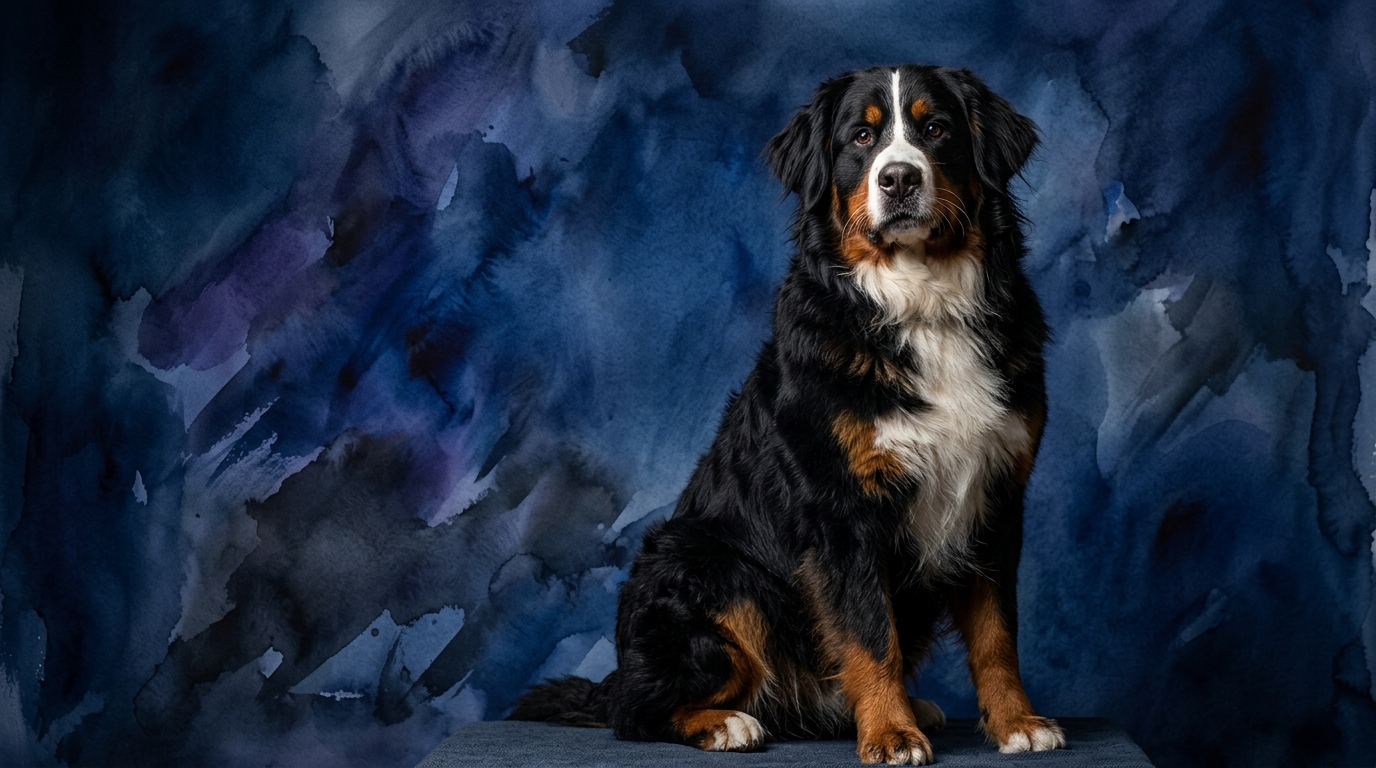
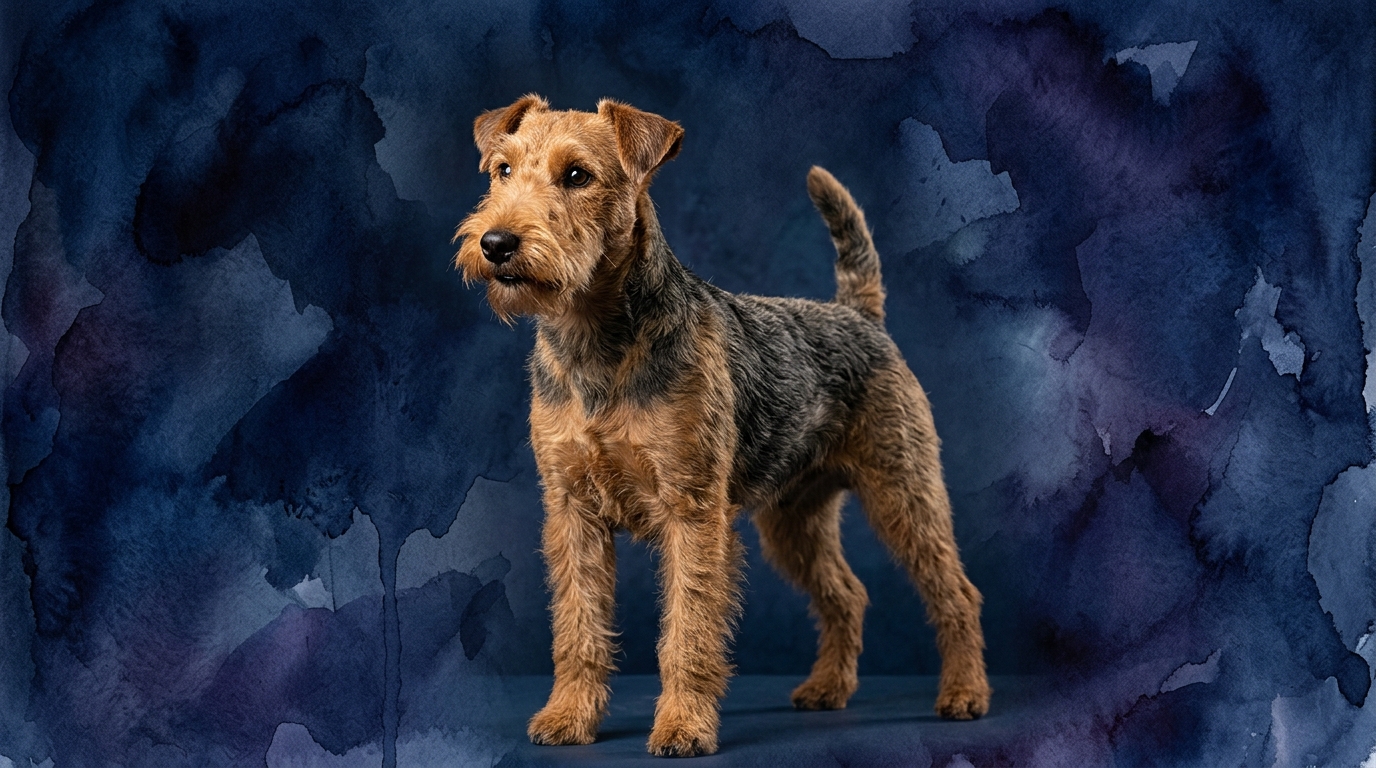
Side-by-Side IQ Profile: Bernese Mountain Dog vs. Welsh Terrier
At The Cosmic Pet Pet IQ Lab, we analyze five key dimensions of canine cognition to build a comprehensive understanding of each breed’s unique mental landscape. For the Bernese Mountain Dog, ranked #27 by Coren, and the unranked but equally fascinating Welsh Terrier, these scores illuminate their core strengths and operational styles.
The Bernese Mountain Dog’s profile showcases a breed built for cooperation and connection. Their **Problem Solving (3/5)** leans towards methodical, learned solutions; they can navigate familiar puzzles and simple challenges but might not independently invent complex strategies. Where they truly shine is **Social Intelligence (5/5)**, demonstrating an exceptional capacity to read human emotions, understand subtle cues, and adapt their behavior to foster deep bonds. This empathy underpins their impressive **Training Speed (4/5)**, as their desire to please and keen observational skills make them highly receptive learners. Their **Instinctive Drive (4/5)** is primarily geared towards companionship, protection, and cooperative tasks like pulling, rather than independent pursuits. Finally, their **Memory (3/5)** is reliable for routines and frequently practiced commands, though less so for isolated, complex sequences.
In contrast, the Welsh Terrier presents a different cognitive blueprint, reflecting its terrier lineage. Their **Problem Solving (3/5)** manifests as a tenacious, hands-on approach; they excel at figuring out practical challenges, often through persistent trial-and-error, driven by curiosity rather than abstract reasoning. Their **Training Speed (3/5)** is moderate; they are capable learners but their independent streak means they require more patience and engaging methods to maintain focus and consistency. **Social Intelligence (3/5)** for the Welsh Terrier is robust within their immediate family unit, allowing them to form strong bonds, but they might not possess the same broad empathetic understanding or subtle cue interpretation seen in breeds with higher scores. Their **Instinctive Drive (3/5)** includes a moderate but distinct prey drive and a propensity for exploration and digging, embodying their working heritage. Similar to the Bernese, their **Memory (3/5)** is functional for important learned behaviors and familiar environments, but benefits from consistent reinforcement.
Where the Bernese Mountain Dog Wins Cognitively
The Bernese Mountain Dog’s cognitive strengths are deeply rooted in their history as multi-purpose farm dogs, excelling in areas that foster human-animal partnership. Their unparalleled **social intelligence (5/5)** is a profound advantage. This isn't merely about being friendly; it signifies an exceptional ability to interpret human emotions, body language, and subtle vocal inflections. A Bernese often seems to intuit their owner's mood, offering comfort or space as needed, creating an extraordinary depth of connection. This deep understanding allows them to anticipate needs and respond with remarkable sensitivity, making them highly attuned companions.
This social acumen directly contributes to their superior **training speed (4/5)**. Their keen observational skills and strong desire to cooperate mean they not only grasp commands quickly but also often understand the *intent* behind them. They are eager participants in learning, making the training process feel more like a collaborative effort. Their **instinctive drive (4/5)**, geared towards companionship and working alongside humans, means their natural inclinations often align with human expectations for a family dog. They are inherently predisposed to cooperative tasks and seek to be an integrated part of the family unit, which requires less redirection compared to breeds with more independent or predatory drives.
Where the Welsh Terrier Wins Cognitively
While not scoring as high in social metrics, the Welsh Terrier possesses a distinct set of cognitive strengths, finely tuned for its terrier lineage and purpose. Their **problem-solving (3/5)**, though numerically similar to the Bernese, manifests differently; Welsh Terriers often display a tenacious, persistent, and hands-on approach to challenges. They might not be solving complex abstract puzzles, but they are exceptionally adept at practical, tangible problems like figuring out how to retrieve a hidden toy, navigating a tricky path, or uncovering a buried treasure. This tenacity is often fueled by curiosity and an innate desire to achieve a specific, immediate goal.
Their medium score in **instinctive drive (3/5)**, particularly their prey drive and exploratory nature, provides the internal engine for this persistent problem-solving. They are driven to investigate, chase, and explore, making them resourceful and determined. This drive, combined with their moderate **training speed (3/5)**, means that while they might require more repetitions or engaging methods, once a behavior is learned, it is often deeply ingrained due to their inherent tenacity and independent will. They also possess a robust independent streak, which, while sometimes challenging for training, means they are capable of making decisions and acting resourcefully without constant human direction, a valuable quality in a working terrier.
Which is Easier to Train and Why
When evaluating ease of training, the Bernese Mountain Dog generally offers a more straightforward experience. Their **training speed (4/5)** and exceptional **social intelligence (5/5)** are key factors. Bernese Mountain Dogs possess a strong inclination to please their human companions and are highly attuned to their owners' desires. This cooperative spirit means they absorb new commands rapidly, often requiring fewer repetitions. They respond exceptionally well to positive reinforcement, eagerly engaging in training sessions because they value the interaction and the clear communication from their handler. Their inherent biddability and lower independent drive mean they are less likely to challenge commands or become easily distracted by environmental stimuli, making them generally more compliant and eager learners.
In contrast, the Welsh Terrier, with a **training speed of 3/5** and a **social intelligence of 3/5**, coupled with a stronger independent drive, can present more of a training challenge. While certainly capable of learning, Welsh Terriers often require more patience, creativity, and consistency. Their terrier tenacity means they can be persistent in their own pursuits, which might not always align with the training agenda. They may test boundaries more often and require more engaging, varied training methods to maintain their focus. Their independent nature means they value their own judgment, and while they form strong bonds, they might not always prioritize human directives over their own interesting discoveries. This isn't to say they are untrainable, but rather that their behavioral differences necessitate a more experienced or dedicated trainer who understands how to channel their spirited nature effectively, often through positive reinforcement and making training a fun, rewarding game.
Which Suits Active Owners vs. Relaxed Owners
The choice between a Bernese Mountain Dog and a Welsh Terrier also hinges significantly on an owner's lifestyle and activity levels. For **relaxed owners**, or those seeking a companion for more leisurely activities, the Bernese Mountain Dog is often a more fitting choice. While they do require regular exercise to maintain health and prevent boredom, their energy levels are generally moderate. A daily walk, some yard play, and quality time with their family usually suffice. Their high social intelligence means they thrive on interaction and companionship, often content to simply be near their people. Their cooperative nature and lower instinctive drives (compared to a terrier's prey drive) make them adaptable to a calmer home environment, where their primary role is that of a devoted family member. They are less likely to invent their own “jobs” if not sufficiently stimulated, preferring structured interaction.
**Active owners** who enjoy consistent engagement, mental stimulation, and perhaps even dog sports, might find the Welsh Terrier a more dynamic match. Despite their moderate instinctive drive (3/5), their terrier spirit means they possess a significant zest for life and an enduring curiosity. They thrive on activity that engages both their bodies and their sharp minds. Regular, vigorous exercise, structured play, and opportunities for problem-solving (like agility or earthdog trials) are crucial to prevent boredom and destructive behaviors. Their independent streak and drive for exploration mean they appreciate owners who can provide outlets for these natural inclinations, whether through long hikes, interactive games, or consistent training that challenges them. They are not content to be couch potatoes and will actively seek out engagement, sometimes inventively, if their needs aren't met.
The Verdict
Opt for a Bernese Mountain Dog if you seek a deeply empathetic, cooperative companion who learns quickly and thrives on close family interaction, fitting seamlessly into a moderately active or relaxed home.
Select a Welsh Terrier if you're an active owner who appreciates a spirited, tenacious partner for engaging activities, willing to invest in consistent, creative training to channel their independent and curious nature.
🧠 Find Your Pet's IQ Score
Our Pet IQ Lab assessment covers 25+ tests across 5 cognitive dimensions — personalized to your breed.
Take the Full IQ Test →Frequently Asked Questions
Is a Bernese Mountain Dog better with children than a Welsh Terrier?
Bernese Mountain Dogs, with their exceptional social intelligence and gentle nature, often exhibit remarkable patience and understanding with children, making them excellent family companions when properly socialized. Welsh Terriers can be good with respectful children but their spirited independence might require more supervision to ensure harmonious interactions and prevent them from being overly boisterous.
Do Bernese Mountain Dogs or Welsh Terriers require more mental stimulation?
Both breeds benefit from mental stimulation, but in different ways. Bernese Mountain Dogs thrive on social interaction and cooperative learning through training, while Welsh Terriers require stimulation that taps into their problem-solving skills and satisfies their terrier drives, such as puzzle toys, scent work, or engaging activities that challenge their curiosity and tenacity.
Which breed is more prone to destructive behaviors if not exercised enough?
The Welsh Terrier, with its higher independent drive and need for mental and physical engagement, is generally more prone to channeling unmet energy into destructive behaviors like digging, chewing, or excessive barking if not sufficiently exercised or stimulated. Bernese Mountain Dogs might become bored or withdrawn, but their destructive tendencies are typically less pronounced, often manifesting as lethargy rather than active destruction.