Side-by-Side Cognitive Profiles
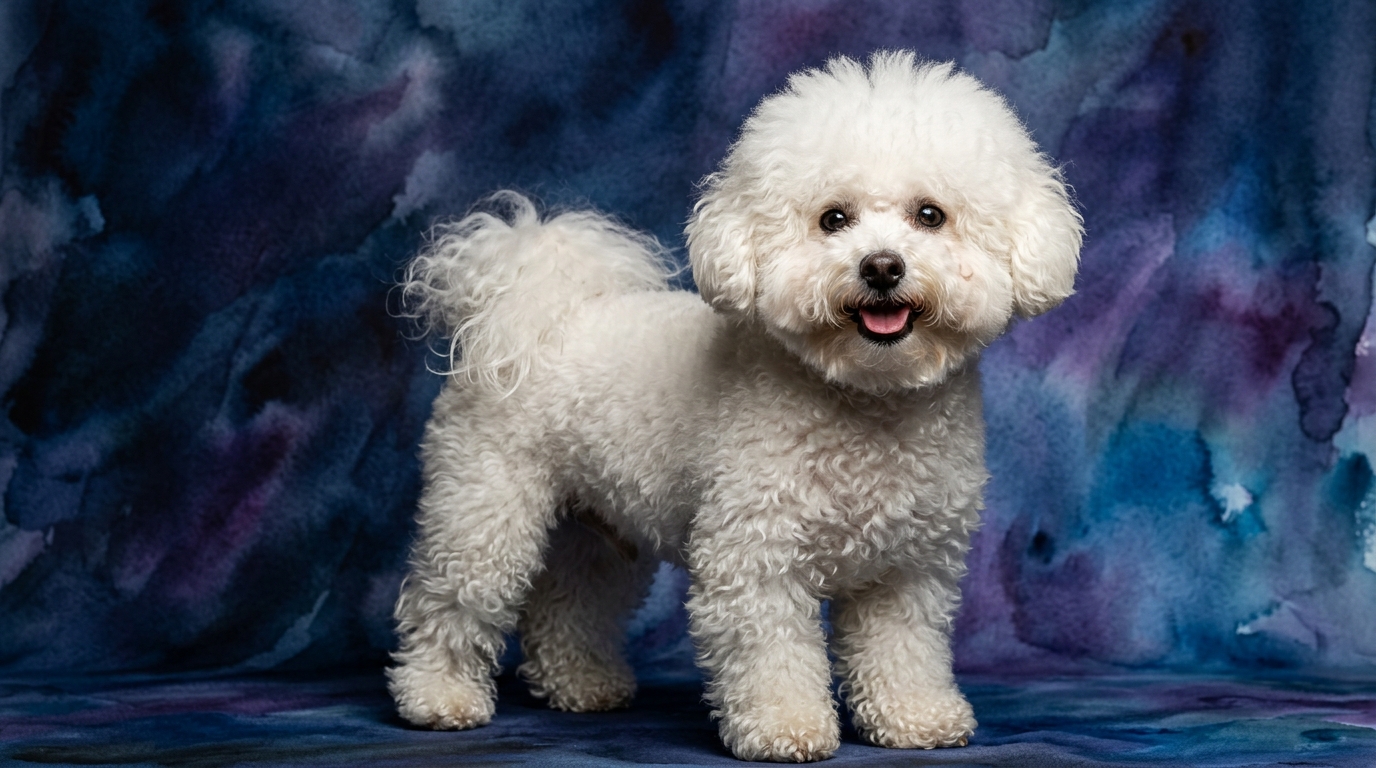
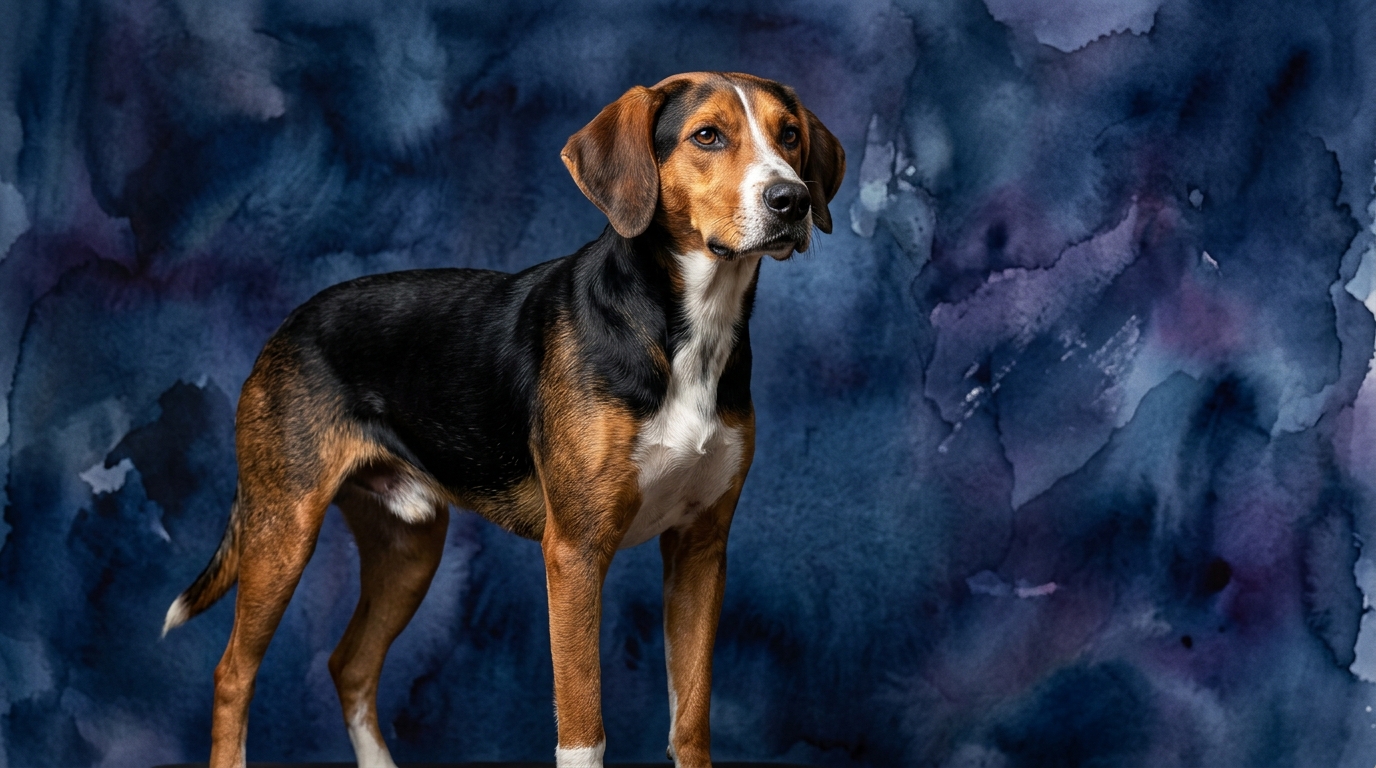
The Cosmic Pet Pet IQ Lab assesses canine intelligence across five critical dimensions, providing a nuanced view beyond simplistic 'smart' labels. For the Bichon Frisé, a Non-Sporting group member with a Coren rank of #45, and the American Foxhound, a dedicated Hound breed not Coren-ranked, these metrics illuminate their inherent capabilities and learning styles.
Both breeds register a **Problem Solving** score of 3/5. This indicates a moderate capacity for navigating novel challenges, such as figuring out how to open a treat puzzle or finding a hidden toy. For the Bichon, this often manifests in figuring out how to get attention or manipulate their environment for comfort. The American Foxhound, while equally capable, might apply this score more towards navigating complex terrain or tracking a scent trail, focusing on practical, instinct-driven resolutions rather than abstract puzzles.
In **Training Speed**, both breeds again score 3/5. This suggests a moderate pace for acquiring new commands and behaviors. Neither breed is typically a 'one-and-done' learner, requiring consistent repetition and patience. For the Bichon, their motivation often stems from social reward and pleasing their human, while the American Foxhound's learning, though equally paced, can be influenced by their independent nature and strong olfactory distractions.
A significant divergence appears in **Social Intelligence**, where the Bichon Frisé excels with a perfect 5/5, contrasting sharply with the American Foxhound's 3/5. The Bichon's high score reflects an exceptional ability to read human cues, understand social dynamics, and thrive on interaction and companionship. They are deeply attuned to their family's emotions and desires, often anticipating needs. The American Foxhound, while capable of forming bonds, operates with more independence; their social intelligence is geared more towards pack dynamics and cooperation within a hunting group rather than nuanced human-canine emotional mirroring.
Regarding **Instinctive Drive**, the Bichon Frisé scores 2/5, while the American Foxhound registers a 3/5. The Bichon's lower drive means they typically have minimal prey drive or strong urges to perform specific tasks, making them content in a domestic setting. Their motivations are largely social. The American Foxhound's moderate instinctive drive is heavily oriented towards scent work and chasing; their historical role as a hunting dog means they possess a natural inclination to follow their nose, cover ground, and vocalize when on a trail. This drive is a core component of their identity and behavior.
Finally, both breeds share a **Memory** score of 3/5. This indicates an average ability to recall past experiences, learned commands, and associations. Both the Bichon and the American Foxhound can remember routines, people, and places, but neither is likely to possess an eidetic memory. Consistency in training and routine is beneficial for solidifying their recall of information and behaviors.
Where the Bichon Frisé Shines Cognitively
The Bichon Frisé's standout cognitive strength lies unequivocally in their exceptional social intelligence (5/5). This isn't merely about being 'friendly'; it's a sophisticated capacity to interpret human body language, vocal inflections, and emotional states with remarkable accuracy. A Bichon will often anticipate a human's mood or intentions, offering comfort or seeking engagement at opportune moments. This high social attunement makes them incredibly responsive to human-centric communication, facilitating a deep, empathetic bond. Their cognitive efforts are often directed towards understanding and integrating into the human family unit, making them master communicators in a domestic context.
This strong social intelligence also influences their problem-solving in a social context. A Bichon might 'solve' the problem of wanting attention by employing a specific vocalization or a charming head tilt that they've learned elicits a positive human response. Their cognitive wiring is geared towards social problem-solving and maintaining harmony within their human pack, rather than independent tasks.
Where the American Foxhound Excels Cognitively
The American Foxhound's cognitive strengths are rooted in their ancestral purpose: tracking and endurance. While their instinctive drive is 3/5, it's a powerful force that shapes their problem-solving and memory in specific ways. They excel in what can be termed 'environmental problem-solving' – navigating varied terrains, identifying and following complex scent trails, and working independently or cooperatively within a pack to achieve a goal. Their cognitive focus is often outwardly directed, processing vast amounts of olfactory information and making decisions based on subtle environmental cues.
Their memory, while rated 3/5, is particularly effective for remembering scent patterns, the layouts of hunting grounds, or the specific calls of their pack mates. Unlike the Bichon, whose cognitive victories are often social, the Foxhound's triumphs are often physical and sensory, demonstrating a robust, persistent application of their moderate problem-solving and memory skills in pursuit of a scent, even when faced with distractions or challenging conditions.
Training Dynamics: Bichon Frisé vs. American Foxhound
Despite both breeds sharing a 3/5 rating for training speed, the practical experience of training a Bichon Frisé versus an American Foxhound can differ significantly due to their other cognitive dimensions. The Bichon's superior social intelligence (5/5) means they are generally more eager to please and more attuned to human instruction. They pick up on subtle cues from their trainer and are highly motivated by positive reinforcement in the form of praise, affection, and social interaction. This makes them relatively cooperative learners in a typical obedience setting, as their cognitive focus is on their human partner.
The American Foxhound, conversely, presents a different set of training considerations. Their 3/5 instinctive drive, primarily focused on scent, means they are easily distracted by environmental odors. While they can learn commands at a moderate pace, their independent nature and strong drive to follow their nose can make consistent focus challenging, especially in stimulating outdoor environments. Their problem-solving might be directed at figuring out how to get to that interesting smell rather than executing a 'stay' command. Therefore, training an American Foxhound often requires more patience, creative techniques to manage distractions, and an understanding that their inherent drive is a powerful motivator that can sometimes override immediate obedience.
Lifestyle Suitability: Active vs. Relaxed Owners
The distinct cognitive profiles of the Bichon Frisé and American Foxhound make them suitable for vastly different owner lifestyles. The Bichon Frisé, with their low instinctive drive (2/5) and high social intelligence (5/5), thrives in a home where companionship and close interaction are paramount. They are well-suited for more relaxed owners or those in apartments, provided they receive regular, moderate exercise and ample social engagement. Their cognitive needs are largely met through consistent human interaction, short play sessions, and opportunities to be an integral part of family activities. They are excellent candidates for therapy work or simply being a devoted lap companion.
The American Foxhound, on the other hand, demands an active and experienced owner. Their 3/5 instinctive drive, coupled with their heritage as a hunting hound, necessitates substantial daily exercise, ideally involving long runs, hikes, or activities that engage their powerful sense of smell. Owners who enjoy outdoor adventures, especially those involving scent work or tracking, will find the Foxhound a willing and enthusiastic partner. Their independent nature and need for physical and mental stimulation mean they are less suited for sedentary lifestyles or owners unable to provide consistent outlets for their ingrained drives. They require space to roam and a secure yard, as their nose can lead them far astray.
The Verdict
Choose the Bichon Frisé if you seek an exceptionally socially intelligent companion who thrives on close human interaction and adapts readily to a more relaxed, indoor-centric lifestyle, offering deep emotional connection. Their low instinctive drive makes them an ideal, charming family member eager to please.
Opt for the American Foxhound if you are an active, outdoors-oriented individual or family prepared to engage with a dog possessing a strong independent streak and a powerful instinctive drive for scent work and exploration. They are best suited for owners who can provide ample physical exercise and mental stimulation that satisfies their inherent hound nature.
🧠 Find Your Pet's IQ Score
Our Pet IQ Lab assessment covers 25+ tests across 5 cognitive dimensions — personalized to your breed.
Take the Full IQ Test →Frequently Asked Questions
Is a Bichon Frisé hard to train given its Coren rank?
While the Bichon Frisé holds a Coren rank of #45, indicating average working and obedience intelligence, their high social intelligence (5/5) makes them generally eager to please and responsive to positive reinforcement. Training them is typically a rewarding experience for owners willing to be consistent and patient.
Do American Foxhounds make good family pets despite not being Coren-ranked?
American Foxhounds can be wonderful family pets, particularly for active families who understand their specific needs. Their moderate social intelligence (3/5) allows them to bond with family members, but their strong instinctive drive (3/5) means they require consistent exercise and mental engagement to prevent boredom and destructive behaviors.
Which breed is better for apartment living?
The Bichon Frisé is generally better suited for apartment living due to their lower instinctive drive (2/5) and moderate exercise requirements. The American Foxhound, with its higher instinctive drive (3/5) and need for extensive physical activity, would typically struggle in an apartment setting without very dedicated owners providing significant outdoor time.