Side-by-Side Cognitive Profiles
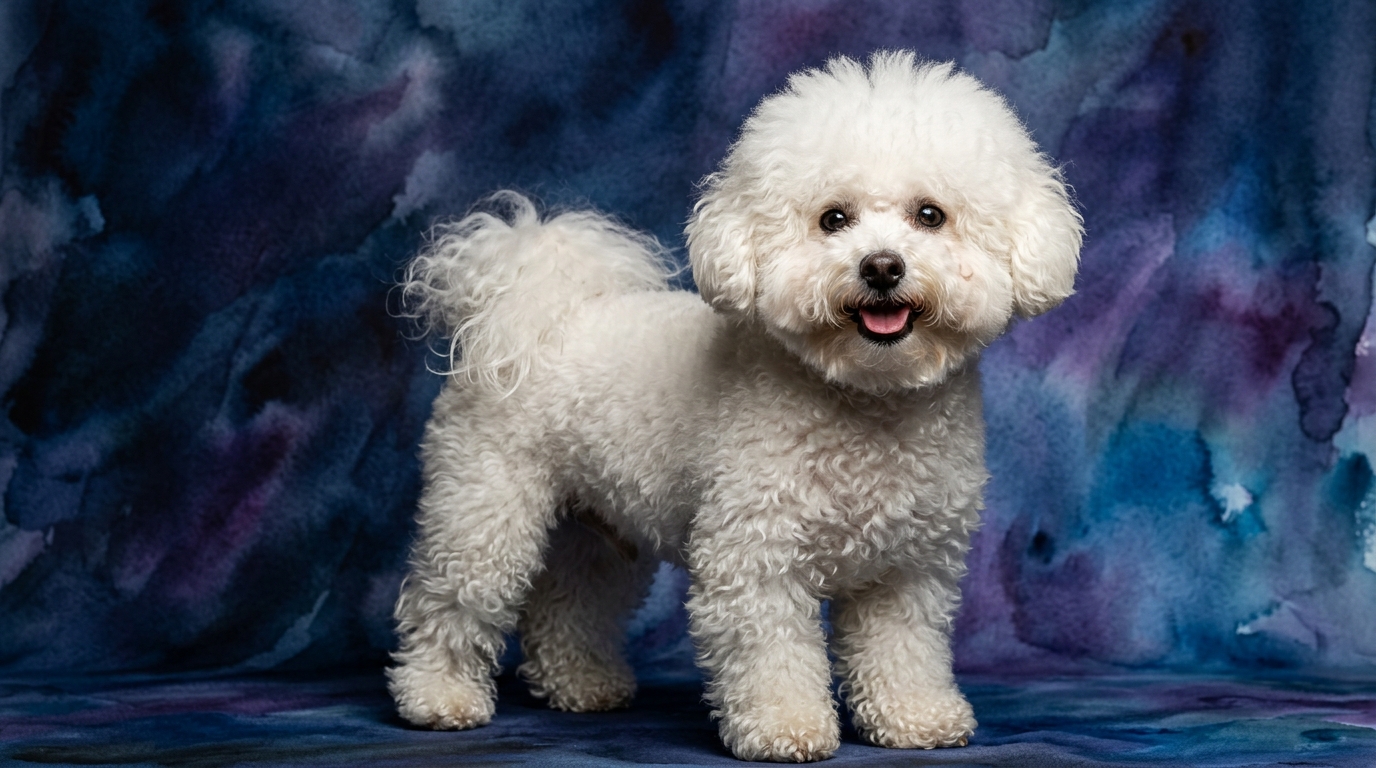
The Cosmic Pet Pet IQ Lab employs a multi-dimensional approach to assess canine intelligence, moving beyond single scores to provide a holistic view of a breed's cognitive strengths. For the Bichon Frisé, ranked 45th by Coren, its profile highlights a particular aptitude for social interaction. Its Problem Solving score is 3 out of 5, indicating a moderate capacity for navigating novel challenges and figuring out puzzles independently. Training Speed also registers at 3 out of 5, suggesting a reasonable pace for acquiring new commands and behaviors. Where the Bichon truly shines is its Social Intelligence, earning a perfect 5 out of 5, reflecting an exceptional ability to understand human cues, emotional states, and social dynamics. Its Instinctive Drive is lower at 2 out of 5, meaning it typically possesses less inherent motivation for hunting, herding, or guarding tasks. Memory for the Bichon Frisé is assessed at 3 out of 5, indicating a solid, but not outstanding, retention of learned information.
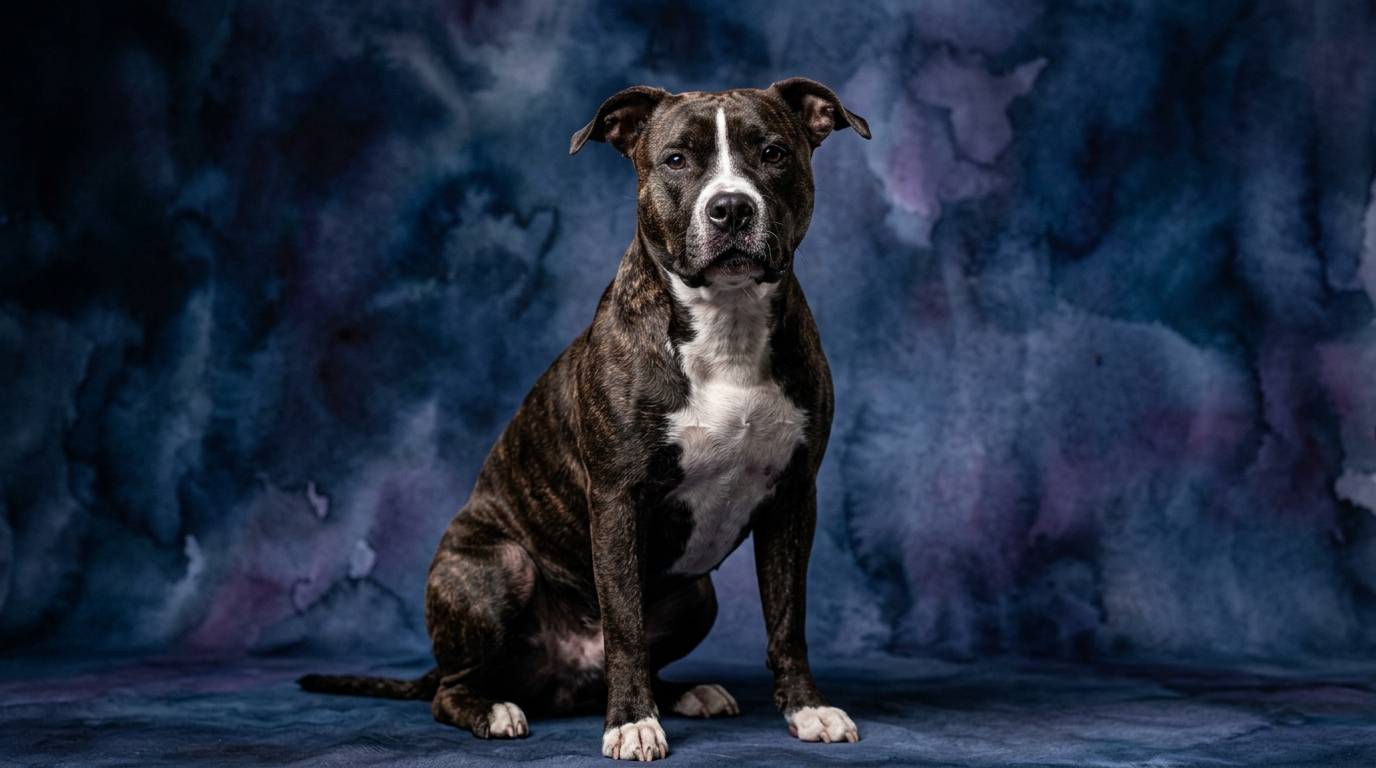
In contrast, the American Staffordshire Terrier, with a Coren ranking of 48th, presents a slightly different cognitive emphasis. Its Problem Solving ability matches the Bichon at 3 out of 5, showing a comparable capacity for tackling new situations and finding solutions. Training Speed is also aligned at 3 out of 5, suggesting a similar rate for learning and mastering new skills. The AmStaff's Social Intelligence stands at 3 out of 5, indicating a good understanding of human interaction but not the profound attunement seen in the Bichon. Its Instinctive Drive is rated 3 out of 5, reflecting a moderate inherent motivation for tasks often associated with working breeds, such as protection or scent work. Notably, the American Staffordshire Terrier excels in Memory, scoring 4 out of 5, which points to a superior ability to recall commands, experiences, and previously learned information over time.
Where the Bichon Frisé Excels Cognitively
The Bichon Frisé's standout cognitive strength lies in its exceptional Social Intelligence, scoring a perfect 5 out of 5. This signifies a profound capacity to read and respond to human emotions, intentions, and social cues. A Bichon is highly attuned to its human companions, often anticipating needs or reacting sensitively to mood shifts, making them wonderfully empathetic and responsive pets. This superior social understanding aids in building strong bonds and ensures they are often eager participants in family life, understanding their role within the household's social structure. Owners frequently observe their Bichon adapting its behavior based on the specific person it's interacting with, demonstrating a flexible and nuanced social understanding.
Another area where the Bichon's profile presents an advantage for certain lifestyles is its lower Instinctive Drive, rated at 2 out of 5. While this means they are less inclined towards independent, task-driven behaviors like intense chasing or guarding, it also translates into a generally more adaptable and less demanding disposition indoors. This lower drive suggests they are typically content with companionship and less prone to seeking out their own 'work' in ways that might conflict with household rules, such as persistent digging or relentless pursuit of small animals. Their contentment with a less structured, more companion-focused role is a direct result of this cognitive trait.
Where the American Staffordshire Terrier Excels Cognitively
The American Staffordshire Terrier's cognitive profile showcases a distinct strength in Memory, achieving a notable 4 out of 5. This superior recall ability means that once an AmStaff learns a command, a routine, or an experience, they are highly likely to retain that information effectively over extended periods. This cognitive trait is invaluable for consistency in training, as lessons learned are less likely to be forgotten, building a strong foundation for advanced obedience or specialized tasks. Owners often find that once a behavior is ingrained, it remains reliable, making them consistent performers in structured environments.
While their Instinctive Drive is a moderate 3 out of 5, compared to the Bichon's 2/5, this can be a cognitive advantage depending on the owner's goals. This moderate drive suggests a natural inclination towards engaging in purposeful activities, which can be channeled into specific training disciplines or roles. It points to a mental readiness for engagement that, when properly directed, can foster enthusiasm for learning and participation in activities like agility, obedience trials, or even certain forms of assistance work. This drive, combined with their strong memory, gives them the cognitive framework to not only learn tasks but also to apply a degree of inherent motivation to perform them.
Which Breed is Easier to Train and Why
When considering ease of training, both the Bichon Frisé and the American Staffordshire Terrier share a Training Speed score of 3 out of 5, indicating they learn at a comparable, moderate pace. However, the underlying cognitive differences significantly influence the training experience. The Bichon Frisé's exceptional 5/5 Social Intelligence makes them often highly motivated to please their human companions and eager to engage in cooperative learning. They are acutely aware of social feedback, meaning positive reinforcement like praise and affection is incredibly effective, and they quickly pick up on what elicits a favorable human response. Their lower Instinctive Drive (2/5) also means fewer competing internal motivations, making them generally less distracted by environmental stimuli during training sessions and more focused on the human-dog interaction.
The American Staffordshire Terrier, while matching in Training Speed, benefits from its superior Memory (4/5). This means that once a concept or command is grasped, the AmStaff is more likely to retain it, requiring less frequent refreshers than a breed with a lower memory score. While their Social Intelligence (3/5) is good, it doesn't offer the same intrinsic 'eagerness to please' as the Bichon's. Therefore, AmStaff training might rely more on clear, consistent methods and leveraging their retention capabilities. Their moderate Instinctive Drive (3/5) means they can be more driven to explore or engage with their environment if not properly channeled, potentially requiring more focused attention from the trainer to maintain engagement. Ultimately, both are trainable, but the Bichon's social acumen often makes the process feel more intuitive and relationship-driven, while the AmStaff's memory ensures lasting results with consistent application.
Suitability for Active vs. Relaxed Owners
The cognitive profiles of these two breeds offer clear guidance for matching them with owner lifestyles. The Bichon Frisé, with its lower Instinctive Drive (2/5) and exceptional Social Intelligence (5/5), is often an ideal companion for more relaxed owners. Their contentment with companionship and their strong desire for human interaction mean they thrive in environments where they receive ample attention and are included in daily family activities, even if those activities are largely sedentary. They are less prone to developing behavioral issues from a lack of intense physical or mental 'work,' preferring instead to be a cherished member of the household. Their cognitive makeup suggests they are quite adaptable to apartment living and owners who prefer gentle walks over strenuous hikes.
Conversely, the American Staffordshire Terrier, with its moderate Instinctive Drive (3/5) and superior Memory (4/5), is generally better suited for active owners who are prepared to provide structured engagement. While not requiring extreme athleticism, their cognitive profile indicates a need for regular physical activity and mental stimulation that goes beyond simple companionship. Their drive means they appreciate having a 'job' or a consistent outlet for their energy, whether it's through consistent training sessions, dog sports, or regular, vigorous walks and play. An active owner who enjoys engaging in training, problem-solving games, or even just long, exploratory walks will find the AmStaff's cognitive capabilities and drive align well with their lifestyle, ensuring the breed's mental and physical needs are met.
The Verdict
Choose the Bichon Frisé if you seek a highly socially intelligent companion who thrives on close interaction and adapts well to a more relaxed, companion-focused lifestyle, prioritizing empathy and connection.
Opt for the American Staffordshire Terrier if you're an active owner willing to provide consistent training and mental stimulation, valuing a dog with excellent memory and a moderate drive for purposeful activities.
🧠 Find Your Pet's IQ Score
Our Pet IQ Lab assessment covers 25+ tests across 5 cognitive dimensions — personalized to your breed.
Take the Full IQ Test →Frequently Asked Questions
Does the Bichon Frisé's high social intelligence make it prone to separation anxiety?
The Bichon Frisé's 5/5 Social Intelligence means they form very strong bonds and deeply value human presence. While not a direct cause, this strong attachment can predispose them to separation anxiety if not properly managed with training from a young age to foster independence and comfort when alone.
How does the American Staffordshire Terrier's memory score impact its trainability for complex tasks?
With a 4/5 Memory score, the American Staffordshire Terrier shows excellent retention of learned behaviors and sequences. This makes them capable of mastering complex tasks and multi-step commands, as they are less likely to forget what they've learned, provided training is consistent and clear.
Given their similar problem-solving scores, are both breeds equally good at puzzle toys?
Both breeds score 3/5 in Problem Solving, suggesting a comparable ability to engage with and solve puzzle toys. However, the Bichon's social intelligence might make it more inclined to work on a puzzle collaboratively with an owner, while the AmStaff's drive might lead it to persist more independently once motivated.