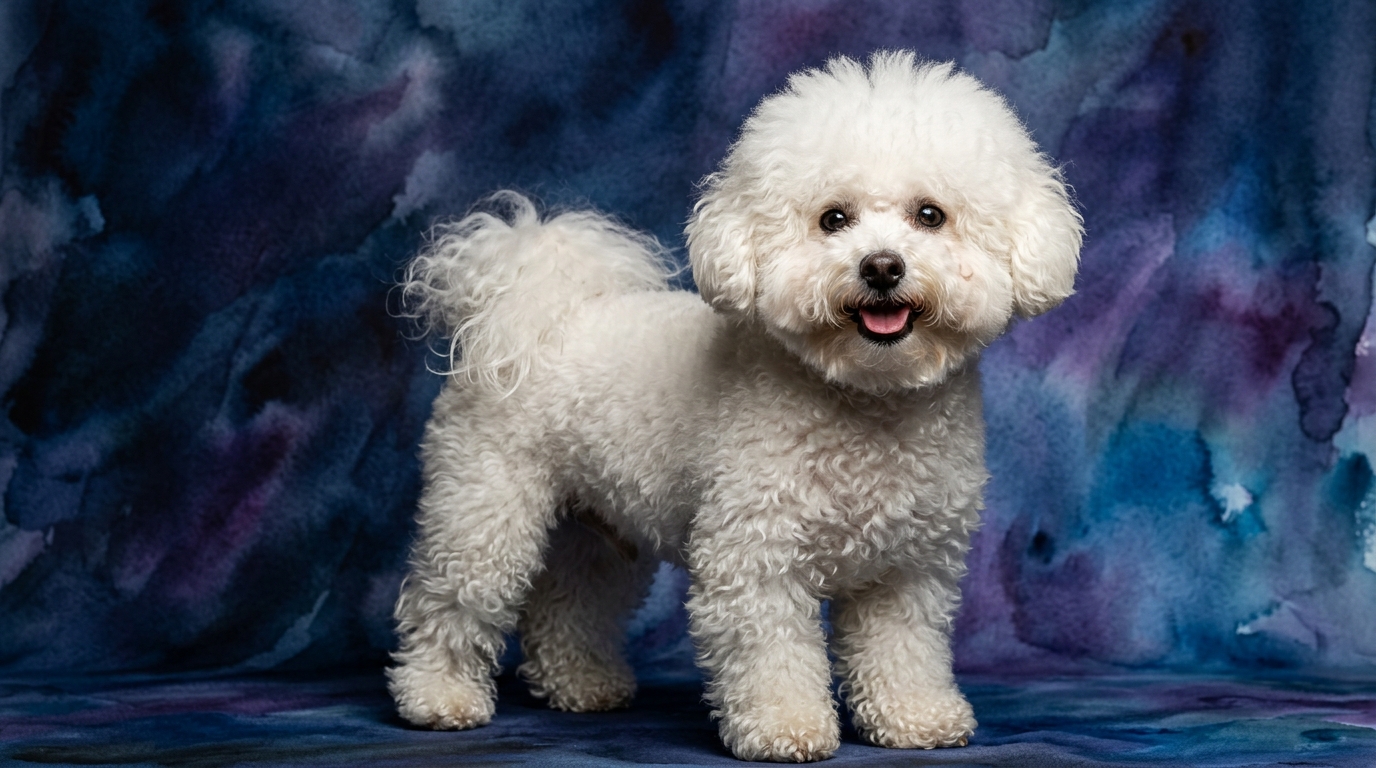
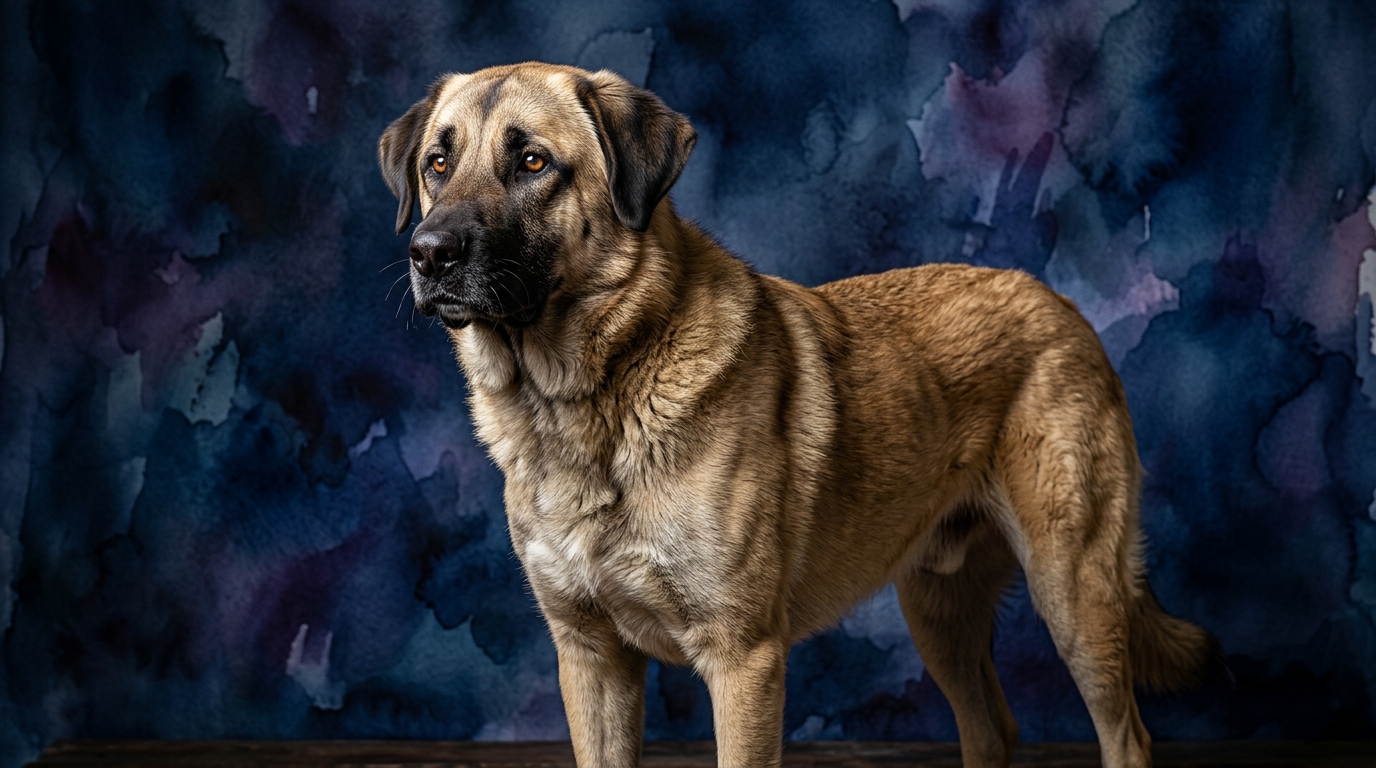
Side-by-Side Cognitive Profiles: Bichon Frisé vs. Anatolian Shepherd Dog
The Cosmic Pet Pet IQ Lab provides a structured lens through which to examine the cognitive makeup of these distinct breeds. For the Bichon Frisé, a Non-Sporting breed, its profile shows a Coren rank of #45, alongside a balanced intelligence breakdown: problem Solving 3/5, training Speed 3/5, social Intelligence 5/5, instinctive Drive 2/5, and memory 3/5. This paints a picture of a dog that excels in interpersonal connections and possesses a moderate capacity for independent thought and learning.
In contrast, the Anatolian Shepherd Dog, a Working breed, does not have a Coren ranking, reflecting its specialized role and often independent nature. Its IQ profile indicates problem Solving 3/5, training Speed 3/5, social Intelligence 3/5, instinctive Drive 3/5, and memory 3/5. These scores suggest a dog with a consistent, practical intelligence across the board, without the pronounced social inclination seen in the Bichon, but with a more prominent internal drive.
Comparing the specific dimensions, both breeds share similar scores in problem-solving, training speed, and memory, each rated at 3/5. This suggests that neither dog inherently grasps complex new concepts or retains information significantly faster or slower than the other on average. The key divergences emerge in their social intelligence and instinctive drive, which are fundamental to their breed purposes and daily behaviors. The Bichon’s social intelligence is at a peak 5/5, while its instinctive drive is low at 2/5. Conversely, the Anatolian shows a moderate 3/5 for both social intelligence and instinctive drive, indicating a more balanced, less specialized approach to these core cognitive functions.
Where the Bichon Frisé Shines Cognitively
The Bichon Frisé’s most pronounced cognitive advantage lies in its exceptional social intelligence, rated at a perfect 5/5. This superior capacity for understanding and responding to human social cues makes them incredibly attuned companions. A Bichon will likely pick up on subtle changes in an owner's mood, respond eagerly to direct engagement, and seek out interaction, forming deep bonds quickly and effectively. This high social intelligence makes them particularly adept at navigating the complexities of a human household, often seeming to anticipate their owner's desires or emotional states.
Furthermore, the Bichon's lower instinctive drive (2/5) can be a cognitive win in a domestic setting. Unlike breeds with strong ingrained working drives, a Bichon is less likely to be compelled by urges to herd, hunt, or guard without specific direction. This means their cognitive energy is more readily channeled into companionable activities and learning cues directly from their human counterparts, rather than being diverted by powerful internal directives. Their focus remains primarily on social interaction and cooperative learning, making them highly responsive to positive reinforcement centered around human attention and affection.
Their Coren rank of #45, while not indicating top-tier 'working obedience and problem-solving,' still places them as a capable learner within the context of their companion role. The combination of high social intelligence and a manageable instinctive drive means their cognitive efforts are largely directed towards pleasing and engaging with their human family. This specific cognitive makeup allows them to thrive in environments where close human interaction and adaptable behavior are paramount, making them intuitive and empathetic companions.
Where the Anatolian Shepherd Dog Demonstrates Unique Cognitive Strengths
The Anatolian Shepherd Dog's cognitive strengths are intrinsically tied to its historical role as a livestock guardian, reflected in its balanced 3/5 instinctive drive. This drive manifests as a deep-seated independence and a vigilant awareness of its surroundings. While not as overtly 'socially intelligent' in the human-centric sense as the Bichon, the Anatolian's cognitive framework is designed for autonomous decision-making and protection. Their problem-solving (3/5) and memory (3/5) are geared towards assessing threats, patrolling territory, and remembering safe boundaries, often without constant human direction.
Their moderate social intelligence (3/5) means they form strong, loyal bonds with their families, but their affection is often expressed with a quiet dignity rather than effusive displays. This cognitive trait allows them to be present and observant without needing constant validation or interaction, a crucial aspect for a guardian breed that must remain alert. They are capable of understanding social dynamics within their 'flock' (human or animal) but prioritize their protective instincts.
The Anatolian's consistent scores across problem-solving, training speed, and memory (all 3/5) suggest a practical, robust intelligence. They are capable of learning and adapting, but their learning is often filtered through their guardian instincts. This means they are less likely to learn a trick for the sheer joy of interaction, but more likely to absorb and apply lessons that serve a purpose, such as boundary setting or identifying specific cues related to safety. Their cognitive strength lies in their self-reliance and the purposeful application of their intelligence to their environment.
Training Aptitude: Which Breed Offers an Easier Path?
When considering ease of training, the Bichon Frisé generally presents a more straightforward path for the average owner, primarily due to its outstanding social intelligence (5/5). While both breeds have a training speed of 3/5, indicating a similar rate of absorbing new commands, the Bichon's strong desire to please and connect with its human makes it inherently more motivated to cooperate during training sessions. They thrive on positive reinforcement, especially when it involves praise and attention from their beloved people, which acts as a powerful incentive to learn and repeat desired behaviors.
The Anatolian Shepherd Dog, despite also having a 3/5 training speed, can be more challenging to train for novice owners due to its 3/5 instinctive drive and more moderate 3/5 social intelligence. Their independence, a cornerstone of their guardian role, means they are not always as eager to comply with commands that don't align with their perceived purpose or immediate interest. Training an Anatolian often requires a patient, consistent approach, a deep understanding of their motivations, and a willingness to work with their inherent autonomy rather than against it. They learn, but they often require a compelling 'why' from their perspective, not just the 'because I said so' of a human.
Real behavioral differences emerge in their responsiveness. A Bichon is likely to look to its owner for guidance and cues, making leash training, house-training, and basic obedience often less fraught with resistance. An Anatolian, conversely, might question the necessity of a command, especially if it feels redundant to its natural instincts or if it perceives a more pressing 'guardian' duty. Their training is less about quick compliance and more about building a respectful partnership where the dog understands and accepts the human's leadership in a way that doesn't compromise its core nature.
Matching Breeds to Lifestyles: Active vs. Relaxed Owners
For relaxed owners seeking a devoted and engaging companion, the Bichon Frisé is an excellent match. Their lower instinctive drive (2/5) means they are generally content with moderate daily exercise, such as short walks and indoor play, rather than requiring extensive, purpose-driven activities. Their high social intelligence (5/5) means they thrive on human interaction, making them ideal for individuals or families who enjoy frequent engagement, cuddles, and having their dog as a constant, cheerful presence. They adapt well to apartment living or homes with smaller yards, as long as their need for companionship is met.
Active owners, particularly those seeking a dog with a strong sense of purpose or who live in rural environments, might find the Anatolian Shepherd Dog a more suitable companion. Their 3/5 instinctive drive, coupled with their working heritage, means they benefit from a lifestyle that allows them to exercise their natural vigilance and patrolling behaviors. While not necessarily requiring constant high-intensity exercise like some sporting breeds, they need ample space to move, observe, and feel like they are contributing. A large, securely fenced yard or property where they can 'guard' is often essential for their mental and physical well-being.
The difference in their social intelligence also plays a role in lifestyle fit. A Bichon's need for constant social connection means they may not do well when left alone for extended periods, potentially developing separation anxiety. An Anatolian, with its more independent social intelligence (3/5), is often more comfortable with its own company for periods, especially if given a 'job' to do, such as overseeing a property. Choosing between these breeds means carefully considering not just activity levels, but also the desired depth and nature of the daily human-canine interaction.
The Verdict
Choose a Bichon Frisé if you seek an exceptionally social, adaptable, and affectionate companion who thrives on close human interaction and a relaxed home environment.
Opt for an Anatolian Shepherd Dog if you are an experienced owner seeking a loyal, independent guardian with a purposeful drive, capable of autonomous decision-making in a more active, spacious setting.
🧠 Find Your Pet's IQ Score
Our Pet IQ Lab assessment covers 25+ tests across 5 cognitive dimensions — personalized to your breed.
Take the Full IQ Test →Frequently Asked Questions
Does the Bichon Frisé's high social intelligence make it easier to live with?
Yes, the Bichon Frisé's 5/5 social intelligence generally makes them very adaptable and responsive to household dynamics. They intuitively understand human cues, fostering a harmonious living environment and making them eager participants in family life.
How does the Anatolian Shepherd Dog's instinctive drive impact its behavior?
The Anatolian Shepherd Dog's 3/5 instinctive drive translates into a strong sense of territory and vigilance, making them natural guardians. This drive means they are often independent thinkers, assessing situations and acting with a protective instinct, which requires consistent guidance from their owners.
Are both breeds equally good at problem-solving?
Both the Bichon Frisé and the Anatolian Shepherd Dog score 3/5 in problem-solving, indicating a similar baseline capacity for navigating novel challenges. However, the context differs, with the Bichon often solving problems related to gaining attention, while the Anatolian's problem-solving might focus on territorial security.