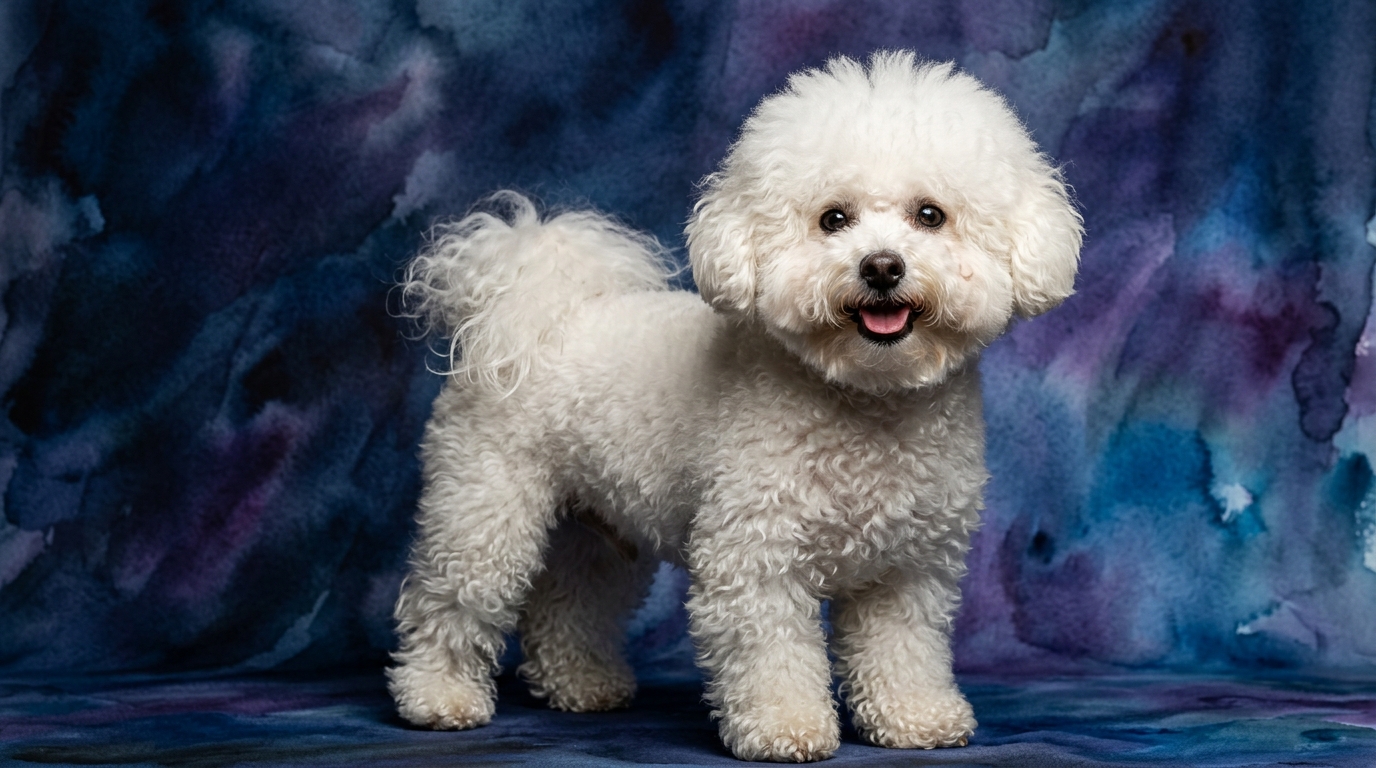
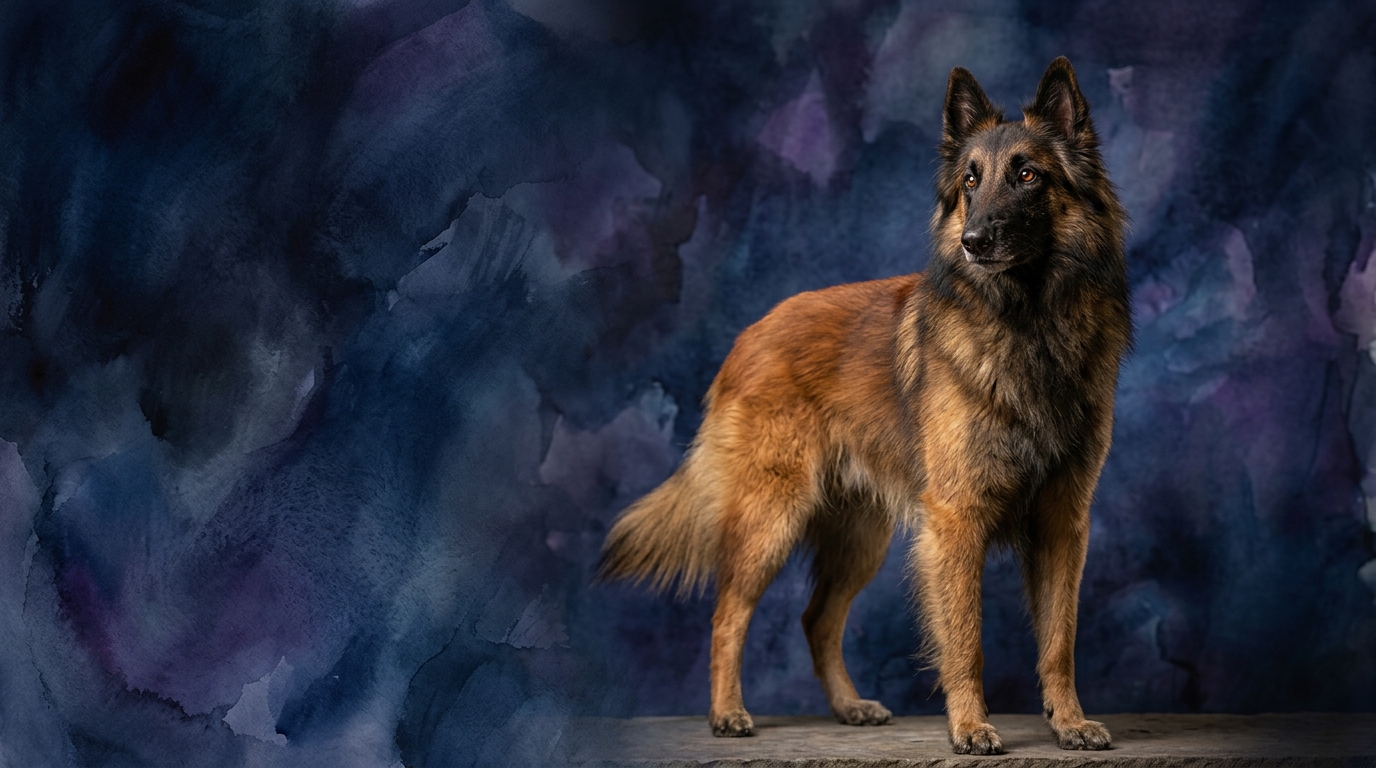
Side-by-Side IQ Profile: Bichon Frisé vs. Belgian Tervuren
At The Cosmic Pet Pet IQ Lab, we evaluate canine intelligence across five key dimensions, offering a nuanced look beyond simple obedience. Here's how the Bichon Frisé and Belgian Tervuren stack up:
Bichon Frisé (Non-Sporting Group, Coren Rank #45):
Problem Solving (3/5): These charming dogs can navigate everyday challenges and learn simple tricks, but complex, multi-step puzzles or novel environmental demands might require more repetition. Their approach is often pragmatic rather than exploratory.
Training Speed (3/5): Bichons are eager to please and generally receptive to positive reinforcement, making basic obedience achievable. However, mastering advanced commands or intricate routines may take consistent effort over time, as their learning curve is moderate.
Social Intelligence (5/5): This is where the Bichon truly shines. They possess an exceptional ability to read human emotions, respond to subtle cues, and form deep, intuitive bonds. Their understanding of social dynamics allows them to adapt seamlessly to family life and provide profound emotional support.
Instinctive Drive (2/5): With a low instinctive drive, Bichons typically exhibit minimal prey drive or territorial behaviors. Their focus is primarily on companionship, making them less inclined towards independent hunting, herding, or guarding tasks.
Memory (3/5): Bichons have a functional memory for learned commands and routines, remembering familiar faces and places. While they retain information adequately for daily life, they might not recall intricate sequences or past events with the same precision as breeds with higher scores.
Belgian Tervuren (Herding Group, Coren Rank #14):
Problem Solving (5/5): Belgian Tervurens excel at analytical thinking and complex problem-solving. They can quickly assess new situations, devise strategies to overcome obstacles, and adapt their approach, making them adept at tasks requiring critical thought and initiative.
Training Speed (5/5): These dogs absorb new information with remarkable speed and efficiency. Their capacity for rapid learning means they can master a wide range of commands and intricate behaviors in fewer repetitions, often anticipating their handler's next move.
Social Intelligence (3/5): While capable of forming strong bonds with their primary caregivers, Tervurens typically exhibit a more reserved social intelligence compared to the Bichon. They are often discerning with strangers and may require careful socialization to ensure comfortable interactions in varied social settings.
Instinctive Drive (3/5): Originating as herding dogs, Tervurens possess a moderate instinctive drive, manifesting as a desire to herd, chase, or guard. This drive, while manageable, requires appropriate outlets and guidance to prevent misdirection.
Memory (5/5): Tervurens boast an impressive memory, retaining vast amounts of information, including complex sequences, environmental details, and past experiences. This cognitive strength is crucial for their work in obedience, agility, and protection roles, where precise recall is paramount.
Where the Bichon Frisé Wins Cognitively
The Bichon Frisé's cognitive superiority lies unequivocally in its social intelligence, scoring a perfect 5/5. This isn't merely about being friendly; it's a deep, intuitive understanding of human emotional states and social cues. A Bichon can often sense when a family member is distressed, offering comfort without explicit prompting, or gauge the mood of a room, adjusting its demeanor accordingly. Their exceptional ability to form profound, empathetic connections means they excel as emotional support animals and cherished family companions, seamlessly integrating into the human social fabric. While other breeds might perform tasks, the Bichon truly *connects* on an emotional and social plane, making them masters of companionship through cognitive empathy.
Where the Belgian Tervuren Wins Cognitively
Conversely, the Belgian Tervuren dominates in areas demanding analytical prowess and rapid acquisition of knowledge. Their 5/5 scores in both problem-solving and training speed highlight a mind built for complex tasks. A Tervuren can swiftly analyze an agility course, remember the sequence of obstacles, and execute it with precision, often learning new patterns in a single session. Their exceptional memory (5/5) allows them to retain extensive repertoires of commands and recall intricate details, making them formidable competitors in canine sports and effective partners in working roles. This breed's strength lies in its capacity for independent thought, strategic planning, and efficient information processing, enabling them to excel in environments that demand constant mental engagement and learning.
Which Is Easier to Train and Why?
Determining which breed is 'easier' to train depends heavily on the type of training and the trainer's goals. For basic obedience and house manners, the Bichon Frisé is cooperative and eager to please, making initial training pleasant. Their moderate training speed (3/5) means they'll learn, but perhaps not with the lightning-fast grasp of a Tervuren. A Bichon is less likely to challenge authority or invent their own solutions, preferring to follow established routines, which simplifies the process for novice owners.
The Belgian Tervuren, with a 5/5 training speed, can absorb commands at an astonishing rate. They are incredibly responsive and often seem to anticipate their handler's intentions. However, this cognitive power comes with a caveat: their high problem-solving (5/5) and moderate instinctive drive (3/5) mean they require consistent mental stimulation and a clear purpose. A bored Tervuren might apply its problem-solving skills to undesirable behaviors, such as escaping or manipulating situations, making them 'easier' to train for complex tasks but 'harder' to manage without sufficient mental engagement. Therefore, while a Tervuren masters commands faster, their cognitive demands necessitate a more experienced, dedicated trainer prepared to channel their formidable intellect.
Matching Breed to Lifestyle: Active vs. Relaxed Owners
For the truly relaxed owner seeking a low-key companion, the Bichon Frisé is an ideal match. Their lower instinctive drive (2/5) and moderate energy levels mean they are typically content with daily walks, indoor play, and ample cuddle time. Their high social intelligence makes them adaptable to varying household dynamics, thriving on close human interaction rather than strenuous physical or mental challenges. They are generally less demanding in terms of structured activity, preferring to simply *be* with their people.
In stark contrast, the Belgian Tervuren is unequivocally suited for active owners who relish engaging in dog sports, extensive outdoor activities, or working roles. Their impressive problem-solving, training speed, and memory demand a consistent outlet for their mental and physical energy. Owners who can commit to daily rigorous exercise, advanced obedience, agility, or even protection work will find the Tervuren an incredibly rewarding and capable partner. A Tervuren without sufficient mental and physical challenge can become restless and potentially destructive, making them a poor fit for a sedentary lifestyle.
The Verdict
If you prioritize a warm, empathetic companion who excels at social bonding and adapts smoothly to a relaxed home life, the Bichon Frisé is your ideal choice.
For those seeking a highly trainable, problem-solving partner for dog sports, working roles, or extensive outdoor adventures, the Belgian Tervuren will thrive with dedicated, active engagement.
🧠 Find Your Pet's IQ Score
Our Pet IQ Lab assessment covers 25+ tests across 5 cognitive dimensions — personalized to your breed.
Take the Full IQ Test →Frequently Asked Questions
Is a Bichon Frisé hard to train?
No, Bichon Frisés are generally not hard to train for basic obedience and house manners due to their eagerness to please and moderate training speed. They respond well to positive reinforcement and are cooperative, though they might take a bit longer to master complex tasks compared to breeds with higher cognitive scores.
How much mental exercise does a Belgian Tervuren need?
Belgian Tervurens require substantial daily mental exercise to thrive, given their high problem-solving and memory scores. This can include advanced obedience, puzzle toys, agility, herding games, or learning new tricks consistently, in addition to physical exertion, to prevent boredom and destructive behaviors.
Which breed is better with strangers?
The Bichon Frisé is generally better with strangers due to its high social intelligence and adaptable nature, often greeting new people with cheerful enthusiasm. The Belgian Tervuren, while loyal to its family, typically exhibits a more reserved social intelligence and can be discerning with strangers, requiring careful socialization to ensure comfortable interactions.