The Cosmic Pet Pet IQ Lab: Side-by-Side Cognitive Profiles
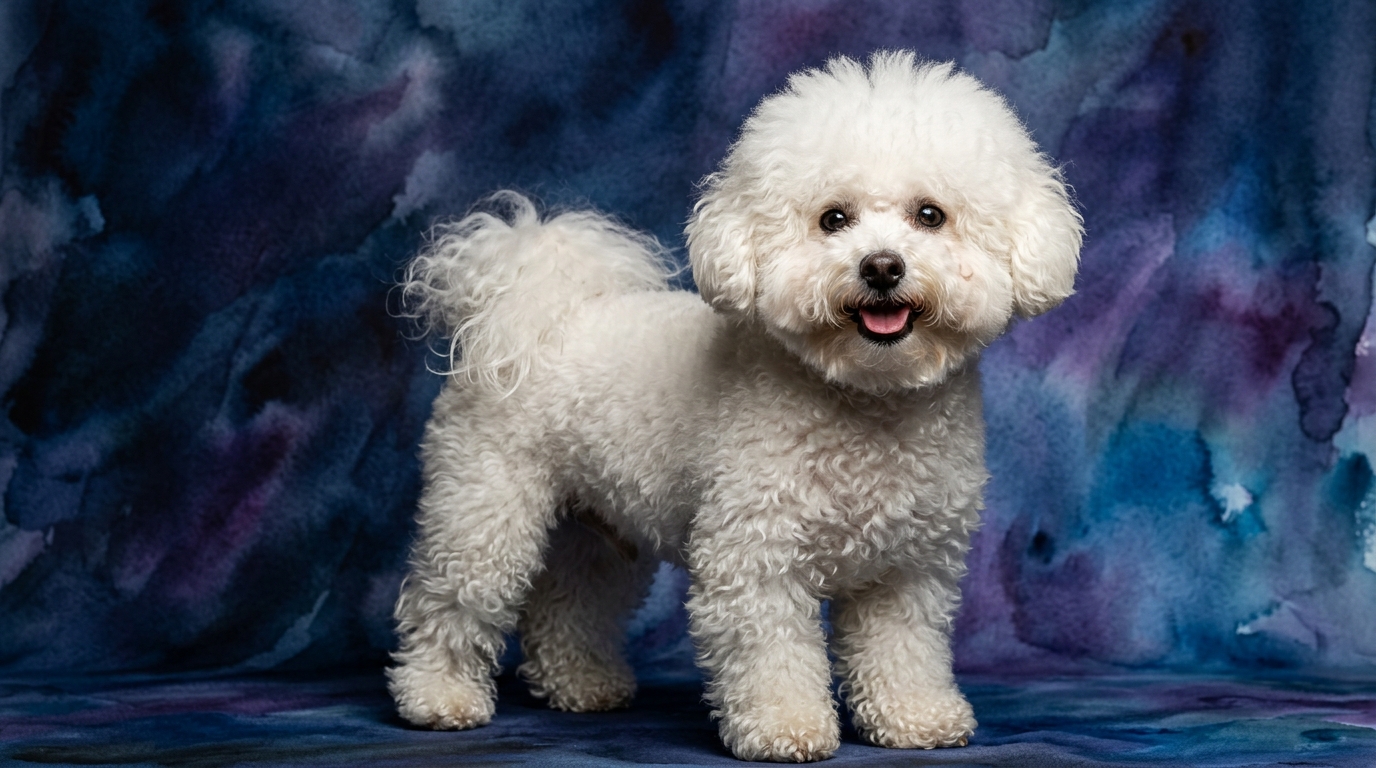
The Cosmic Pet Pet IQ Lab employs a multi-dimensional approach to assess canine cognition, moving beyond simplistic 'smartness' to evaluate specific mental aptitudes. For the Bichon Frisé, ranked #45 by Coren, its problem-solving ability scores 3/5, indicating it can navigate new challenges and puzzles, though perhaps not with immediate, independent flair. Its training speed also registers 3/5, meaning it learns new commands and routines at a consistent, moderate pace, requiring patience and repetition rather than lightning-fast acquisition. Where the Bichon truly shines is in social intelligence, earning a perfect 5/5; this reflects an exceptional capacity to understand human emotions, respond to subtle cues, and form deep, empathetic bonds. Instinctive drive is low at 2/5, suggesting a minimal inclination for independent hunting or task-oriented work, making them less prone to chasing or digging. Finally, its memory score of 3/5 denotes a reliable recall for learned behaviors, though perhaps not for intricate, multi-step sequences over long periods.
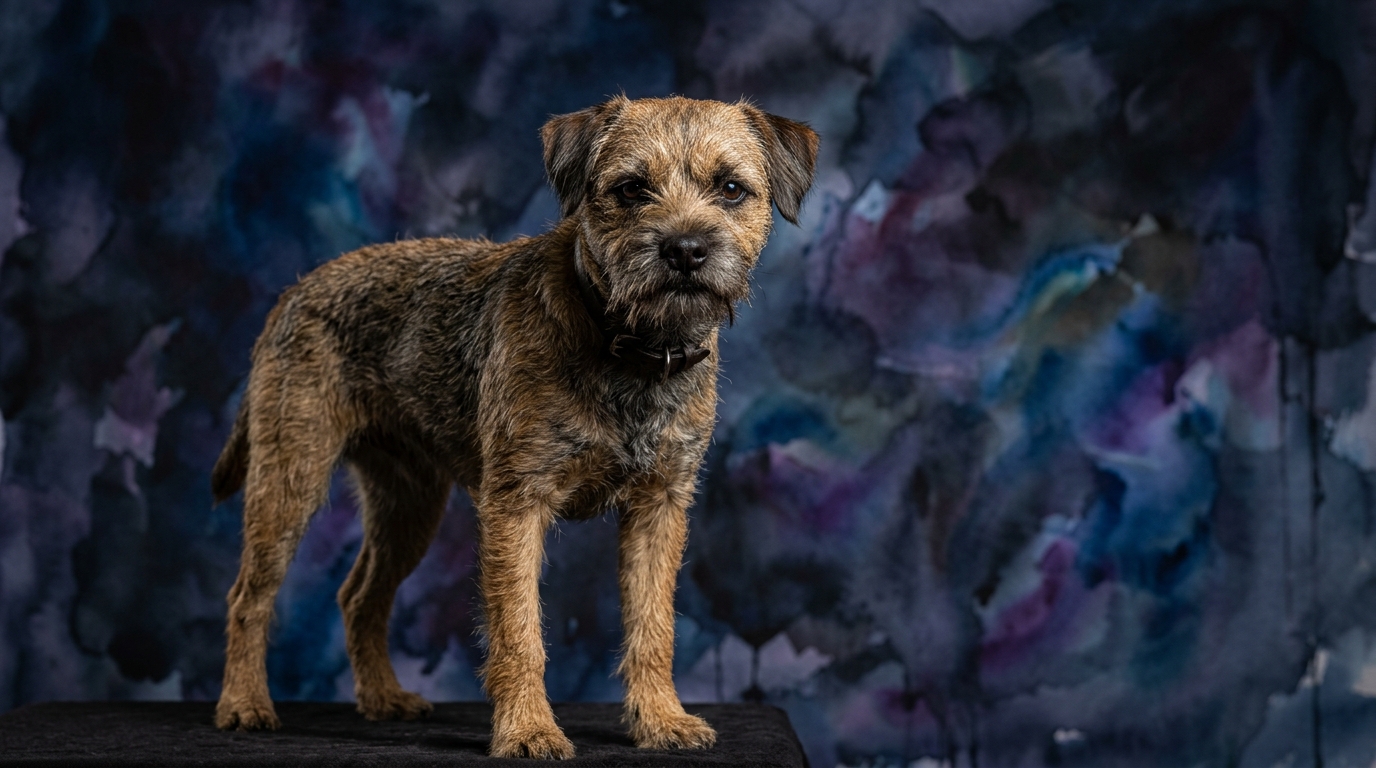
In contrast, the Border Terrier, holding a higher Coren rank of #30, presents a different cognitive blueprint. Its problem-solving prowess scores a robust 4/5, indicating a breed that readily figures out environmental challenges, often showing initiative and ingenuity in finding solutions. Training speed is also strong at 4/5, meaning Border Terriers typically pick up new commands and complex routines quite quickly, especially when motivated. Their social intelligence, while respectable at 3/5, suggests they are attentive to human interaction but might not possess the same innate empathetic connection or desire to please above all else as the Bichon. An instinctive drive of 3/5 highlights their terrier heritage, with a moderate inclination for independent exploration, hunting, and persistence in tasks, which can translate into focused activity. Their memory is rated 4/5, signifying a solid ability to retain a wide array of commands, locations, and experiences, making them adept at remembering complex training sequences and routines.
Where the Bichon Frisé Wins Cognitively
The Bichon Frisé's standout cognitive strength lies squarely in its social intelligence, rated an impressive 5/5. This isn't merely about being 'friendly'; it signifies a profound capacity to read and respond to human emotional states, adapting its behavior to soothe a distressed owner or participate joyfully in family celebrations. Their superior social cognition makes them extraordinarily attuned companions, often anticipating needs and offering comfort without direct prompting. This translates into a dog that integrates seamlessly into a family unit, providing unparalleled emotional support and responding intuitively to the nuances of human interaction. Their lower instinctive drive (2/5) also contributes to a cognitive 'win' for certain lifestyles, as they are less likely to be driven by independent urges to chase small animals or dig up the yard, making them generally more focused on their human companions and less distracted by environmental stimuli during indoor interactions.
Where the Border Terrier Wins Cognitively
The Border Terrier demonstrates clear cognitive advantages in areas demanding independent thought and rapid learning. With a problem-solving score of 4/5, they excel at figuring out how to open gates, retrieve hidden toys, or navigate complex obstacle courses, showcasing a persistent and clever approach to challenges. This aptitude makes them engaging partners for puzzle toys and enrichment activities. Their training speed, also 4/5, means they can master new commands and advanced tricks relatively quickly, making them suitable for owners who enjoy progressing through various levels of obedience or dog sports. Furthermore, their memory score of 4/5 ensures that once a skill is learned, it is retained effectively, allowing for the building of complex behavioral repertoires over time. This combination of quick learning, strong problem-solving, and good memory makes the Border Terrier highly capable in structured training environments and activities that require mental agility.
Which is Easier to Train and Why
Determining which breed is 'easier' to train depends significantly on the owner's goals and definition of ease. The Border Terrier, with its 4/5 training speed and 4/5 problem-solving, will generally pick up new commands and complex routines faster than the Bichon Frisé. Their cognitive profile suggests they process new information efficiently and are adept at understanding the mechanics of a task. This means an owner aiming for advanced obedience, agility, or competitive sports might find the Border Terrier a more straightforward and quicker learner for specific skills, often requiring fewer repetitions to solidify a command. However, their moderate instinctive drive (3/5) can sometimes lead to independent thinking or a strong focus on environmental stimuli (like chasing a squirrel), requiring consistent motivation and engagement to maintain focus in training sessions.
The Bichon Frisé, while having a slightly lower training speed (3/5), possesses a superior social intelligence (5/5). This means they are exceptionally attuned to their owner's desires and emotional state, often eager to please and highly responsive to positive reinforcement rooted in social connection. While they might take a few more repetitions to master a new command, their strong desire for human approval and companionship can make them highly cooperative and a joy to train for basic obedience and house manners. They are less likely to be distracted by external stimuli due to their lower instinctive drive, making them very present and engaged in human-centered training. Therefore, for an owner prioritizing a companionable, emotionally responsive dog that learns consistently at a moderate pace, the Bichon's intrinsic desire for connection can make the training experience feel very rewarding and 'easy' in its own way, fostering a strong bond through cooperation.
Cognitive Profiles for Active vs. Relaxed Owners
For owners with an active lifestyle who enjoy structured activities, challenges, and continuous learning, the Border Terrier's cognitive profile aligns well. Their 4/5 problem-solving and 4/5 training speed mean they thrive on mental stimulation and physical engagement that requires thinking. They are excellent candidates for dog sports like agility, earthdog trials, or advanced obedience, where their quick learning and strong memory can be put to good use. Their moderate instinctive drive (3/5) means they possess the motivation to pursue tasks and explore, making them fulfilling partners for hiking, long walks with purpose, or engaging in complex puzzle games. They require consistent mental engagement to prevent boredom and channel their innate drive constructively, making them ideal for owners who are prepared to provide daily intellectual and physical outlets.
Conversely, the Bichon Frisé's cognitive strengths make it an exceptional match for more relaxed owners or those seeking a devoted, emotionally intelligent companion. Their outstanding 5/5 social intelligence means they excel in roles centered around companionship and emotional support, thriving on close human interaction rather than demanding complex tasks. With a lower instinctive drive (2/5), they are generally content with moderate daily exercise and prefer to spend their time observing and participating in family life. While they can certainly learn tricks and basic obedience, their primary cognitive fulfillment comes from their bond with people. This makes them perfectly suited for individuals or families who value a dog's presence, empathy, and ability to integrate seamlessly into a calmer home environment, offering comfort and playful companionship without requiring intense mental or physical challenges.
The Verdict: When to Choose Each Breed
The Verdict
Choose the Bichon Frisé if your priority is an exceptionally empathetic and socially intelligent companion that thrives on emotional connection and integrates seamlessly into a relaxed home environment.
Opt for the Border Terrier if you seek a clever, quick-learning partner for structured training, dog sports, or adventurous outings, valuing their independent problem-solving and robust memory for complex tasks.
🧠 Find Your Pet's IQ Score
Our Pet IQ Lab assessment covers 25+ tests across 5 cognitive dimensions — personalized to your breed.
Take the Full IQ Test →Frequently Asked Questions
Does a lower Coren rank mean a dog is less capable of learning?
Not necessarily; a Coren rank provides a general benchmark for obedience and working intelligence, but The Cosmic Pet Pet IQ Lab's multi-dimensional profile reveals specific cognitive strengths. While the Bichon Frisé has a lower Coren rank, its superior social intelligence means it excels in areas of human connection and emotional responsiveness, which are crucial forms of intelligence not fully captured by traditional obedience metrics.
Do Border Terriers require extensive mental stimulation?
Yes, Border Terriers benefit significantly from consistent mental stimulation due to their strong problem-solving ability (4/5) and moderate instinctive drive (3/5). Engaging them with puzzle toys, varied training routines, and activities that allow them to use their nose or figure things out is essential to keep them content and prevent boredom-related behaviors.
Which breed is better suited for a first-time dog owner?
For a first-time owner, the Bichon Frisé might be marginally 'easier' due to its high social intelligence and lower instinctive drive, leading to a strong desire to please and less independent decision-making. However, a Border Terrier can also be a wonderful first dog for an owner committed to providing consistent, engaging training and mental outlets, as their quick learning can be very rewarding.